
Hidden Deductions for New Haven Homeowners: 2026 Tax Season Checklist
New Haven, CT : January 2026
Tax season is here, and if you own a home in New Haven, you might be leaving money on the table. Every year, homeowners miss out on deductions and credits that could put hundreds: even thousands: of dollars back in their pockets.
The good news? You don't have to be a tax expert to catch these opportunities. You just need to know where to look.
This checklist breaks down the deductions, credits, and strategies New Haven homeowners should consider for the 2026 tax season. Keep it handy, check off what applies to you, and let's make sure you're not paying more than you should.
The Big One: SALT Deduction Just Got Better!
If you've been frustrated by the old $10,000 cap on State and Local Tax (SALT) deductions, there's great news for 2026.
The SALT deduction cap has increased to $40,000 for most households.
This is a game-changer for New Haven homeowners. Here's what you can now deduct under SALT:
- Property taxes paid on your home
- State income taxes withheld from your paycheck
- Local taxes applicable to your situation
Given New Haven's current mill rate of 39.40 mills per $1,000 of assessed value, property taxes can add up quickly. That means more potential savings when you itemize.
Action step: Gather your property tax bills and state income tax records. Calculate your total SALT contributions to see if itemizing makes sense for you this year.

Mortgage Interest Deduction: Still Going Strong
Own a home with a mortgage? You can deduct interest paid on loans up to $750,000.
This deduction is now permanent in the tax code, which makes long-term planning easier. If you're paying a mortgage on your New Haven home, this is likely one of your largest potential deductions.
What you need:
- Form 1098 from your mortgage lender (should arrive by late January)
- Records of any additional mortgage interest payments made during the year
- Documentation for home equity loans, if applicable and used for home improvements
Important note: Interest on home equity loans is only deductible if the funds were used to buy, build, or substantially improve your home. Double-check how those funds were spent before claiming this deduction.
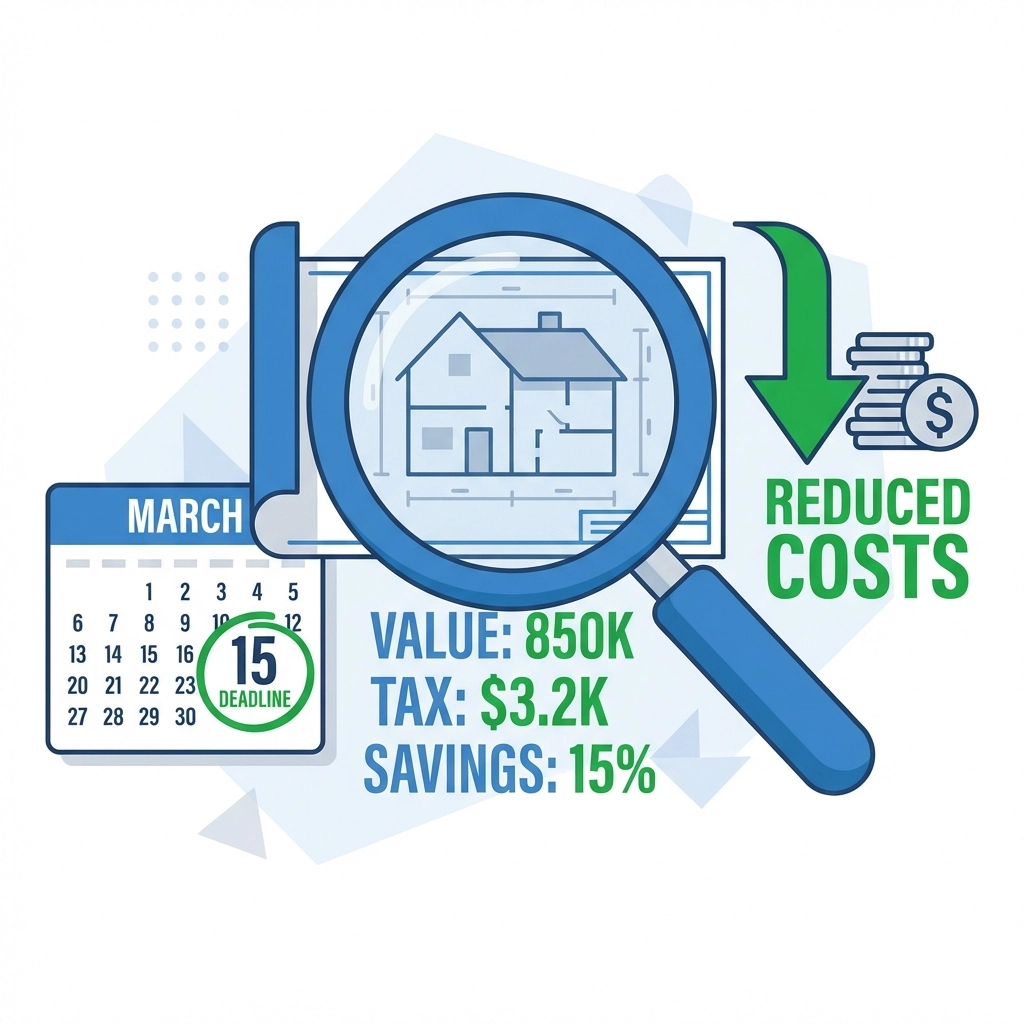
Did You Appeal Your Property Assessment? You Should!
Here's a deduction strategy most New Haven homeowners overlook entirely.
Property assessments can be appealed through March 31, 2026.
If your home's assessed value seems higher than its actual market value, you may be paying more in property taxes than necessary. A successful appeal could reduce your annual tax liability by thousands of dollars.
How to appeal in New Haven:
- Review your property's assessed value on the city assessor's website
- Compare it to recent sales of similar homes in your neighborhood
- Gather documentation supporting a lower valuation (photos, repair estimates, comparable sales)
- File your appeal with the Board of Assessment Appeals before the March 31 deadline
Even if you can't reduce your 2025 taxes retroactively, a successful appeal sets you up for lower property taxes going forward: and smaller SALT contributions to track next year.
Energy Efficiency Credits: Cash Back for Going Green
Made any energy-efficient upgrades to your New Haven home this year? You may qualify for federal tax credits.
Eligible improvements may include:
- Solar panels and solar water heaters
- Energy-efficient windows and doors
- Heat pumps and HVAC systems
- Insulation upgrades
- Electric vehicle chargers installed at your residence
The Residential Clean Energy Credit can cover up to 30% of the cost of qualifying solar and renewable energy installations. Other energy efficiency credits have annual limits but can still add up.
Action step: Save all receipts and manufacturer certifications for energy-efficient products. These documents are required to claim the credits.
Don't Forget: Home Office Deduction (If You Qualify)
Working from home? If you're self-employed and use part of your New Haven home regularly and exclusively for business, you may qualify for the home office deduction.
Two methods to calculate:
- Simplified method: Deduct $5 per square foot of your home office, up to 300 square feet (maximum $1,500)
- Regular method: Calculate actual expenses (mortgage interest, utilities, insurance, repairs) based on the percentage of your home used for business
Warning: This deduction is only available to self-employed individuals. If you're a W-2 employee working remotely, you cannot claim this deduction on your federal return.

Critical 2026 Deadlines for New Haven Homeowners!
Missing a deadline can mean penalties, interest charges, or lost opportunities. Mark these dates on your calendar:
| Deadline | What's Due |
|---|---|
| February 2, 2026 | Second installment of 2025 New Haven property taxes |
| February 3, 2026 | Properties with unpaid taxes become delinquent (interest charges apply retroactively) |
| March 31, 2026 | Deadline to appeal property assessments |
| April 15, 2026 | Federal and Connecticut state income tax returns due |
Pro tip: If you can't file by April 15, file for an extension. But remember: an extension to file is not an extension to pay. Estimate what you owe and pay by the deadline to avoid penalties.
Estate Tax Planning: A Note for New Haven Homeowners with Significant Assets
If you own substantial assets, including your New Haven home, estate tax planning deserves attention.
For 2026, the federal estate tax exemption rises to $15 million. Connecticut maintains a matching $15 million exemption, but there's a critical difference.
Connecticut does not allow exemption portability between spouses.
This means if one spouse passes away without using their full exemption, that unused portion is permanently lost. For couples with combined estates exceeding $25 million, this can result in unnecessary state taxes.
Action step: If this applies to your situation, consult with a tax professional about strategies like credit shelter trusts to maximize your exemptions.
Your 2026 Tax Season Checklist
Use this quick checklist to make sure you're not missing anything:
- Gather property tax bills for SALT deduction calculation
- Collect Form 1098 for mortgage interest deduction
- Review property assessment for potential appeal (deadline: March 31, 2026)
- Compile receipts for energy-efficient home improvements
- Document home office square footage and expenses (self-employed only)
- Verify second property tax installment is paid by February 2, 2026
- Review estate planning if assets exceed $15 million
Let Jose's Tax Service Help You Catch Every Deduction
Tax season doesn't have to be stressful. At Jose's Tax Service, we specialize in helping New Haven homeowners maximize their refunds and minimize headaches.
We know the local landscape: the mill rates, the deadlines, the opportunities that are easy to miss. Whether you're claiming the expanded SALT deduction, navigating energy credits, or planning an appeal on your property assessment, we're here to help.
Ready to file with confidence? Visit Jose's Tax Service to schedule your appointment. Let's make sure you're keeping every dollar you've earned.
This post is for informational purposes only and does not constitute tax advice. Individual circumstances vary. Consult a qualified tax professional for guidance specific to your situation.
Leave a Reply
You must be logged in to post a comment.