
Concierge Tax Pro vs. DIY Tax Software: Which Is Better For Your 2026 Return?
NEW HAVEN, CT – JOSE’S TAX SERVICE – MARCH 18, 2026
The 2026 tax filing season presents unique challenges due to evolving regulatory frameworks and shifting economic conditions. Taxpayers must evaluate their preparation methods to ensure compliance and financial optimization. The choice between utilizing Do-It-Yourself (DIY) software and engaging a concierge tax pro represents a critical decision that impacts total tax liability and data security.
To maximize tax refund potential, an objective assessment of financial complexity is required. This report analyzes the functional differences between automated software solutions and professional tax services, providing a roadmap for taxpayers to determine the most beneficial path for their specific circumstances.
Evaluate Your Financial Complexity!
The suitability of DIY tax software is strictly contingent upon the simplicity of the taxpayer's financial profile. Automated platforms are designed as data entry tools rather than advisory services. They function effectively only when the user possesses a comprehensive understanding of the tax code as it applies to their specific forms.
Criteria For Utilizing DIY Software:
- Single Income Source: Income is derived solely from one employer documented on a single Form W-2 (Wage and Tax Statement).
- Standard Deduction: The taxpayer does not intend to itemize deductions on Schedule A (Form 1040).
- Absence of Dependents: There are no qualifying children or relatives that necessitate complex credit calculations.
- No Investment Activity: The taxpayer has no capital gains, losses, cryptocurrency transactions, or dividend income to report.
- Independent Navigation: The taxpayer is capable of interpreting Internal Revenue Service (IRS) instructions without external assistance.
If a taxpayer meets all the aforementioned criteria, DIY software may be a viable, cost-effective option. However, if any complexity exists: such as self-employment income, rental properties, or significant medical expenses: the limitations of software become a liability.
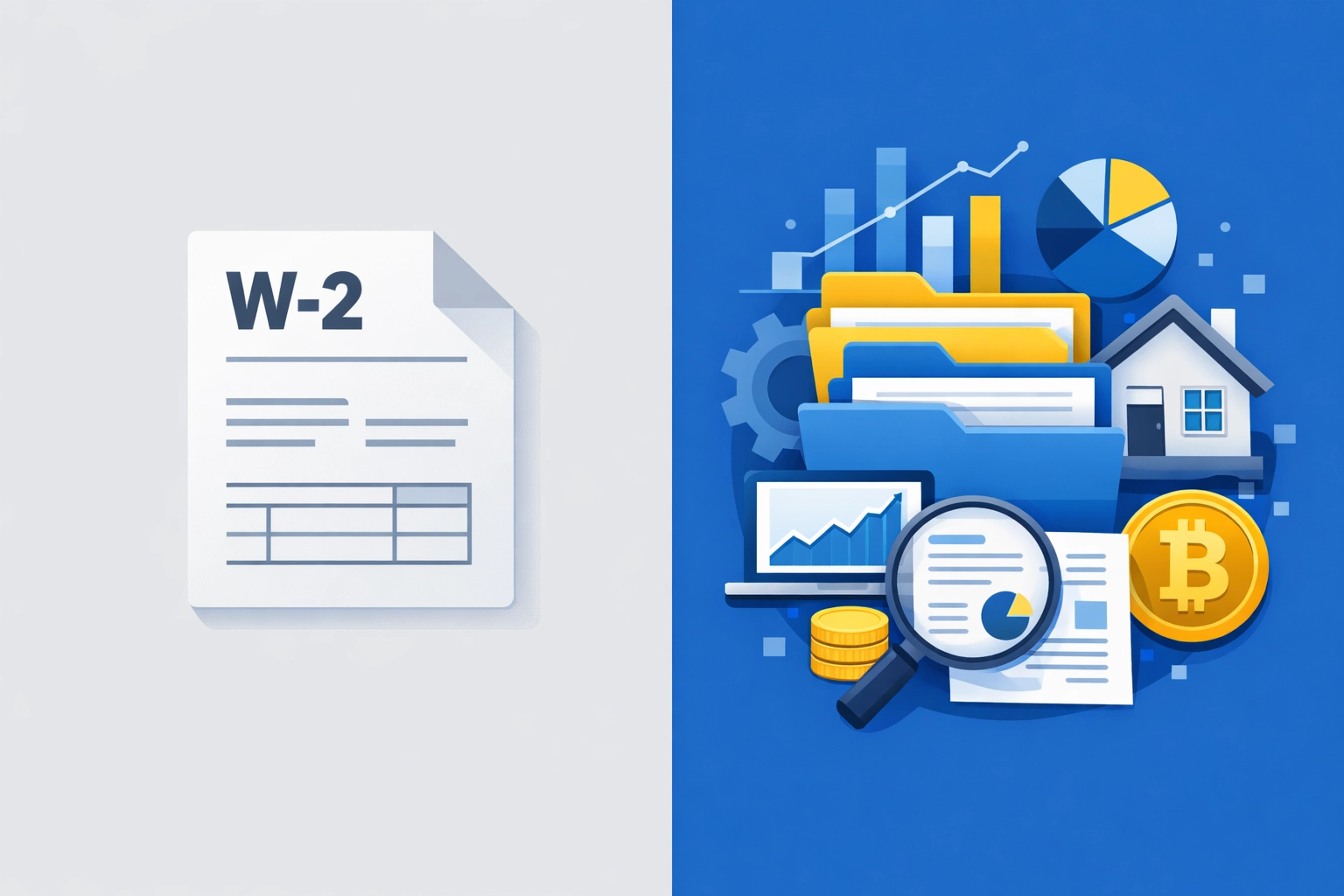
The Strategic Advantages Of A Concierge Tax Pro!
Engaging a professional for tax preparation New Haven provides benefits that extend beyond mere form completion. While software is reactive, a tax professional is proactive. This distinction is fundamental to long-term wealth preservation and effective tax planning.
Proactive Planning vs. Reactive Filing
DIY software operates on historical data. It asks questions based on what occurred in the previous tax year. Conversely, a concierge tax pro conducts strategic inquiries regarding future financial objectives. This includes planning for home purchases, business restructuring, or retirement transitions. By identifying optimization opportunities before the close of the fiscal year, a professional can implement strategies that software cannot replicate.
Identification of Specialized Deductions
A significant portion of the tax code remains "invisible" to standard software algorithms. Professional preparers are trained to identify niche credits and deductions, such as:
- Credit for the Elderly or the Disabled: Often overlooked by automated systems due to specific eligibility requirements.
- Complex Education Credits: Optimized distributions from 529 plans and the American Opportunity Tax Credit (AOTC).
- Section 179 Depreciation: Advanced depreciation strategies for business equipment and property that require professional calculation.
To learn more about current updates affecting these credits, visit our tax update section.
Security Protocols And Audit Representation!
In 2026, the risk of tax-related identity theft has escalated. DIY platforms, while convenient, are frequent targets for data breaches. Professional firms utilize enterprise-grade security protocols and encrypted portals to safeguard Social Security numbers (SSNs) and sensitive financial data.
Audit Protection Requirements
When a return is filed using DIY software, the taxpayer assumes full responsibility for the accuracy of the data. If the IRS initiates an audit or issues a notice of deficiency, the taxpayer must handle the response independently or pay significant additional fees for "audit defense" packages that may only provide limited guidance.
In contrast, a professional tax service provides robust representation. If an audit occurs, the preparer manages all correspondence with the IRS. This ensures that the taxpayer’s rights are protected and that technical explanations are provided in the appropriate legal and financial terminology. This level of security and peace of mind is a primary driver for taxpayers seeking personal finance stability.

The True Cost Equation: Time vs. Financial Benefit!
The cost of tax preparation is not limited to the upfront fee. It must be calculated as the sum of the preparation fee, the total tax liability, and the value of the taxpayer's time.
Time Investment Analysis
Current data indicates that the average taxpayer spends approximately 13 hours preparing a non-business tax return. When business schedules (Schedule C) or rental properties (Schedule E) are included, this timeframe increases substantially.
- DIY Cost: Software fees ($60–$179) + 13+ hours of labor + potential for missed deductions.
- Professional Cost: Preparation fee + 1–2 hours of consultation = Optimized refund + Professional protection.
When calculating hourly worth, most taxpayers find that the "savings" offered by DIY software are illusory. A professional can often identify missed business expenses or optimize home office deductions that far exceed the cost of the service. For those looking to maximize tax refund results, the professional route is mathematically superior in complex scenarios.
Common DIY Errors That Trigger IRS Penalties!
Automated software relies entirely on the accuracy of the user’s input. Errors in classification or calculation can lead to processing delays and monetary penalties.
Frequent Mistakes Include:
- Home Office Deduction Miscalculation: Improperly using the simplified method when the actual expense method would yield a higher deduction, or failing to meet the "exclusive use" test for Form 8829.
- Expense Misclassification: Entering marketing costs as office supplies or failing to distinguish between repairs and capital improvements.
- Self-Employment Tax Errors: Failing to account for the employer-equivalent portion of self-employment tax, which is an adjustment to income on Form 1040.
- Inaccurate Basis Tracking: Miscalculating the cost basis for sold assets, particularly in cryptocurrency or inherited property, leading to overpayment of capital gains tax.
Avoid these pitfalls by reviewing our tax tips regularly.

Strategic Tax Preparation For Small Businesses!
Small business owners face the highest degree of risk when using DIY software. The integration of personal and business finances requires a level of nuance that algorithms lack. A concierge tax pro assists in determining the most advantageous business structure (e.g., S-Corp election vs. Sole Proprietorship) to minimize self-employment tax.
Actionable Steps for Business Owners:
- Maintain Separate Accounts: Do not comingle personal and business funds.
- Categorize Monthly: Use the Small Business Learning Center resources to understand deductible expenses.
- File Quarterly: Ensure Form 1040-ES (Estimated Tax for Individuals) is filed to avoid underpayment penalties.
Failure to properly document business expenses can lead to the disallowance of deductions during an IRS examination. Professional oversight ensures that all claims are supported by adequate records.

Final Assessment: Making The Correct Selection!
The decision depends on your unique financial profile. If your situation is static and simple, DIY software provides a functional utility. However, if you possess any of the following, a concierge tax pro is the necessary choice:
- Multiple income streams or 1099-NEC forms.
- Ownership of real estate or rental property.
- Participation in the gig economy or small business ownership.
- Significant investment portfolios.
- A desire for professional audit representation and identity protection.
For residents requiring expert tax preparation New Haven, local professional services offer the most secure path to compliance and optimization.
Immediate Action Required!
Tax deadlines are strictly enforced by the IRS. Failure to file or pay by the established deadline may lead to penalties and interest charges.
- Review your documents: Gather all W-2s, 1099s, and receipts.
- Analyze your needs: Determine if your 2026 return involves complexities beyond simple data entry.
- Secure your appointment: Visit our website to schedule your tax appointment with ease and ensure your return is handled with professional precision.
For further information regarding tax law changes and news, subscribe to our newsletter or visit our blog.
Jose’s Tax Service
New Haven, CT
March 18, 2026

Leave a Reply
You must be logged in to post a comment.