
2026 Tax Update: Everything New Haven Taxpayers Need to Know Right Now
DATELINE: NEW HAVEN, CT – JOSE'S TAX SERVICE – MARCH 31, 2026
With the April 15 filing deadline only two weeks away, taxpayers in New Haven must act immediately to navigate significant changes in federal and Connecticut state tax laws. The 2026 tax season introduces complex adjustments to estate tax exemptions, new limitations on charitable deductions, and local property tax relief programs that require specific documentation.
At Jose's Tax Service, we prioritize professional accuracy to help you maximize tax refund potential and avoid costly penalties. Whether you are an individual filer or a small business owner, understanding these updates is critical to your financial health.
Critical Deadlines for the 2026 Filing Season!
Failure to meet filing deadlines may lead to penalties and interest charges from the Internal Revenue Service (IRS) and the Connecticut Department of Revenue Services (DRS). Mark your calendars for the following dates:
- April 15, 2026: Deadline to file Federal Income Tax (Form 1040) and Connecticut State Income Tax (Form CT-1040). This is also the deadline for First Quarter 2026 Estimated Tax payments.
- May 15, 2026: Final deadline for in-person applications for the New Haven Senior and Disabled Homeowners Tax Relief program.
- June 15, 2026: Deadline for Second Quarter 2026 Estimated Tax payments.
If you cannot file by the April deadline, you must submit Form 4868 to request an automatic extension. However, note that an extension to file is not an extension to pay. Use tax preparation New Haven experts to ensure your estimated liability is calculated correctly before the deadline.

Significant Changes to Connecticut Estate Tax
As of January 1, 2026, the Connecticut estate tax exemption has increased to $15 million, up from the 2025 threshold of $13.99 million. While this increase aligns the state with federal legislation, New Haven residents must be aware of a critical technicality regarding "portability."
Unlike federal law, Connecticut does not allow portability of the estate tax exemption between spouses.
If the first spouse to pass away does not fully utilize their $15 million exemption, the remaining balance cannot be transferred to the surviving spouse. This "use it or lose it" rule necessitates advanced tax planning for high-net-worth families in the New Haven area. We recommend reviewing your estate documents immediately to ensure your assets are structured to utilize the full exemption amount.
New Restrictions on Charitable Giving Deductions
For the 2026 tax year, the rules for itemizing charitable contributions have changed significantly. A new threshold has been implemented that affects how much of your generosity is actually tax-deductible.
- The 0.5% AGI Floor: The first 0.5% of your Adjusted Gross Income (AGI) is no longer deductible.
- High-Income Impact: Taxpayers in higher brackets will see an approximate 10% reduction in the overall tax benefit of their donations.
Example Calculation:
- If your AGI is $100,000, you cannot deduct the first $500 of your total charitable contributions.
- If your AGI is $500,000, the first $2,500 of your donations provides no tax relief.
To counteract these changes and maximize tax refund results, consider "bunching" your donations. This strategy involves consolidating several years' worth of planned giving into a single calendar year to exceed the deduction floor and the standard deduction threshold.
New Haven Property Tax Relief and State Rebates
Homeowners in New Haven face some of the highest mill rates in the state. For 2026, there are two primary avenues for relief that you should monitor closely.
1. Senior & Disabled Homeowner Tax Relief
This local program offers significant benefits for qualifying residents. To qualify, you must meet the following criteria:
- Tenure: Must have resided in New Haven for at least 10 years.
- Occupancy: Must occupy the property for at least 183 days per year.
- Income Limits: $56,500 for married couples; $46,300 for single individuals.
- Benefit Amount: Ranging from $150 to $1,250.
You must provide your 2025 Social Security 1099 Form, even if you do not typically file a tax return. The deadline to apply by mail is April 15, 2026.
2. Proposed $500 Million Sales Tax Rebate
Governor Lamont’s 2026 budget proposal includes a significant sales tax rebate program. If approved by the legislature, this would provide:
- $200 rebates for individuals earning less than $200,000.
- $400 rebates for married couples earning less than $400,000.
While these rebates are processed automatically based on your filed returns, ensuring your current address is on file with the CT DRS is essential for timely receipt.

1099-K Reporting and the "Side Hustle" Economy
If you utilize platforms like Venmo, PayPal, or CashApp for business transactions, the IRS has increased scrutiny for the 2026 season. You will receive a Form 1099-K for gross payments exceeding the current federal threshold.
It is vital to distinguish between personal reimbursements (such as splitting a dinner bill) and business income. Failure to report 1099-K income accurately may trigger an audit or result in an underpayment penalty. Keep meticulous records of your business expenses to offset this income. For more information on business deductions, visit our Small Business Learning Center.
Concierge Tax Pro vs. DIY Software: Why It Matters in 2026
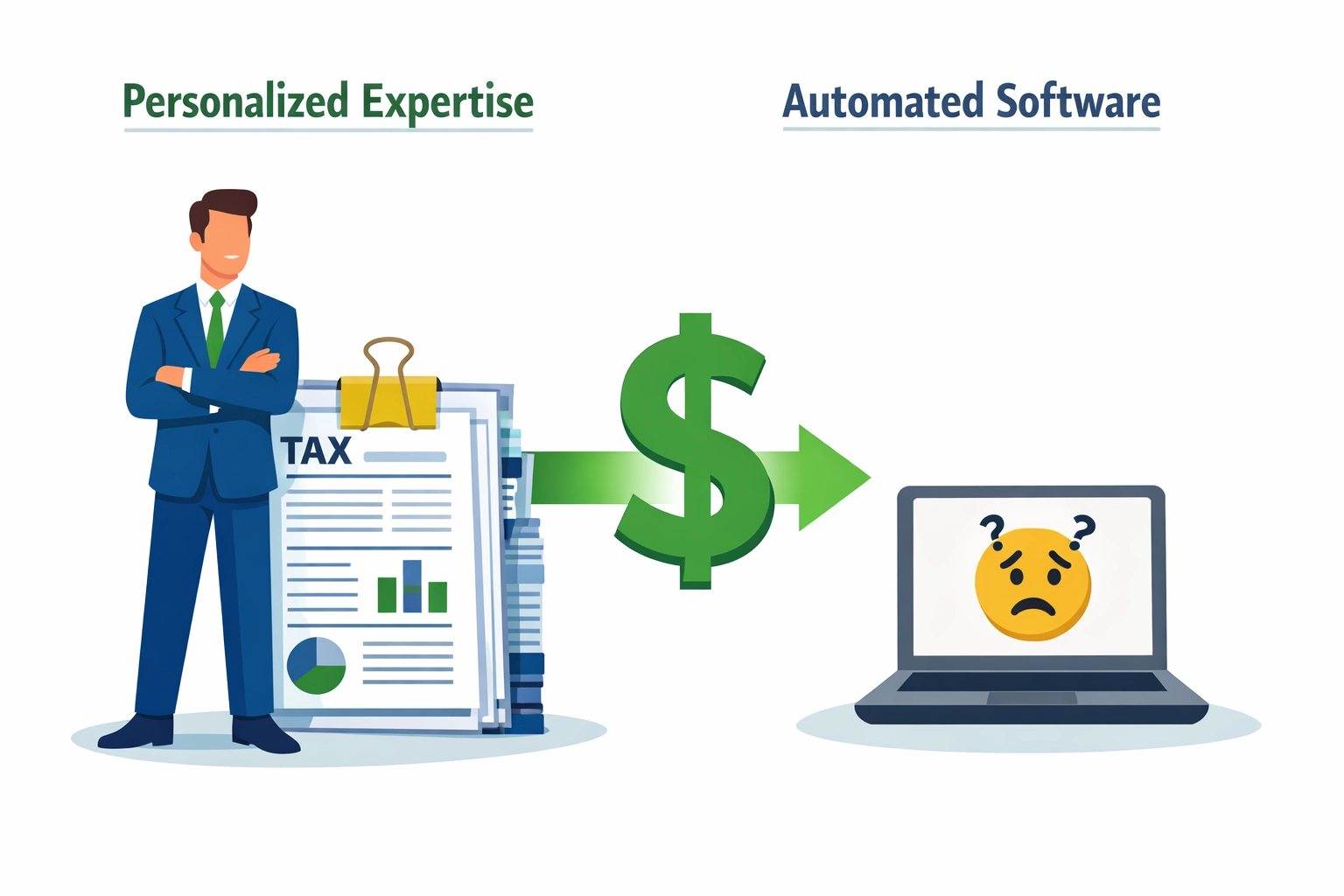
With the complexities of the new estate tax rules and charitable deduction floors, many taxpayers find that DIY software fails to capture every available credit. A concierge tax pro at Jose's Tax Service provides a level of personalized analysis that software cannot replicate.
- Customized Strategy: We look at your multi-year financial picture, not just the current year.
- Audit Protection: Professional filing reduces the risk of errors that trigger IRS red flags.
- Local Expertise: Software often misses New Haven-specific programs like the Senior Tax Relief or municipal property tax credits.
Choosing professional tax preparation New Haven ensures you are not leaving money on the table.
Final Documentation Checklist: Are You Ready?
Before you schedule your tax appointment, ensure you have gathered the following documents for the 2025 tax year:
- Income Statements: W-2s, 1099-NEC (Non-employee compensation), 1099-MISC, and 1099-K.
- Investment Records: 1099-B and 1099-DIV for capital gains and dividends.
- Homeowner Records: Detailed property tax payment receipts and mortgage interest statements (Form 1098).
- Charitable Receipts: Comprehensive lists of all donations, including non-cash goods.
- Business Expenses: For 1099-K recipients, a summarized list of all ordinary and necessary business costs.
- Identification: Social Security cards for all dependents and a valid government-issued ID for the primary filers.
Secure Your Refund Today
The window to influence your 2026 tax outcome is closing rapidly. Do not wait until the final week of the season to address these major legislative updates.
At Jose's Tax Service, we are committed to providing New Haven residents with the professional guidance needed to navigate the evolving tax landscape. We invite you to request a quote or visit our blog for more tax tips.
Action Step: Contact us today at our New Haven office to ensure your filing is accurate, compliant, and optimized for the maximum possible refund.
Jose's Tax Service
Professional Tax Preparation & Financial Services
https://josestaxservice.com
Categories: tax planning, news
Tags: 2026 Tax Update, New Haven, IRS, CT-1040, Estate Tax, Property Tax Relief, Tax Preparation New Haven, Maximize Tax Refund, Concierge Tax Pro

Leave a Reply
You must be logged in to post a comment.