
7 Mistakes New Haven Taxpayers Are Making with Payment Apps (And How a Concierge Tax Pro Fixes Them)
NEW HAVEN, CT – Jose’s Tax Service – March 6, 2026
The era of the "side hustle" has officially collided with the digital age, and the IRS has finally caught up. If you are a resident of New Haven using Venmo, Cash App, Zelle, or PayPal to move money, you are likely standing in a tax minefield. As we hit the peak of the 2026 tax season, Jose' Morales and the team at Jose’s Tax Service are seeing a massive surge in "Payment App Panic."
While these apps make splitting a pizza at Modern Apizza easy, they make tax preparation New Haven residents' biggest headache. The IRS is no longer turning a blind eye to digital transactions. If you haven't adjusted your tax planning for the 2026 updates, you might be looking at a much smaller maximize tax refund than you anticipated: or worse, an audit.
Here are the seven most common mistakes New Haven taxpayers are making with payment apps and the exact steps a concierge tax pro takes to fix them.
1. The "Friends and Family" Classification Blunder!
The most frequent error occurs when taxpayers receive payments for goods or services but have the sender mark them as "Friends and Family." In previous years, many used this as a loophole to avoid the 1099-K reporting threshold. For the 2026 tax year, the IRS has significantly increased its data-matching capabilities.
The Risk: If you are running a small business or selling items online and misclassifying payments, you are essentially committing tax evasion. The IRS uses AI-driven cross-referencing to identify patterns of "Friends and Family" payments that look suspiciously like business revenue.
The Command: File your returns using the correct gross receipt amounts regardless of how the app labeled them. Enter every dollar earned into your ledger. Do not wait for a 1099-K to arrive if you know you earned the income.
2. Ignoring the $600 Reporting Threshold Confusion!
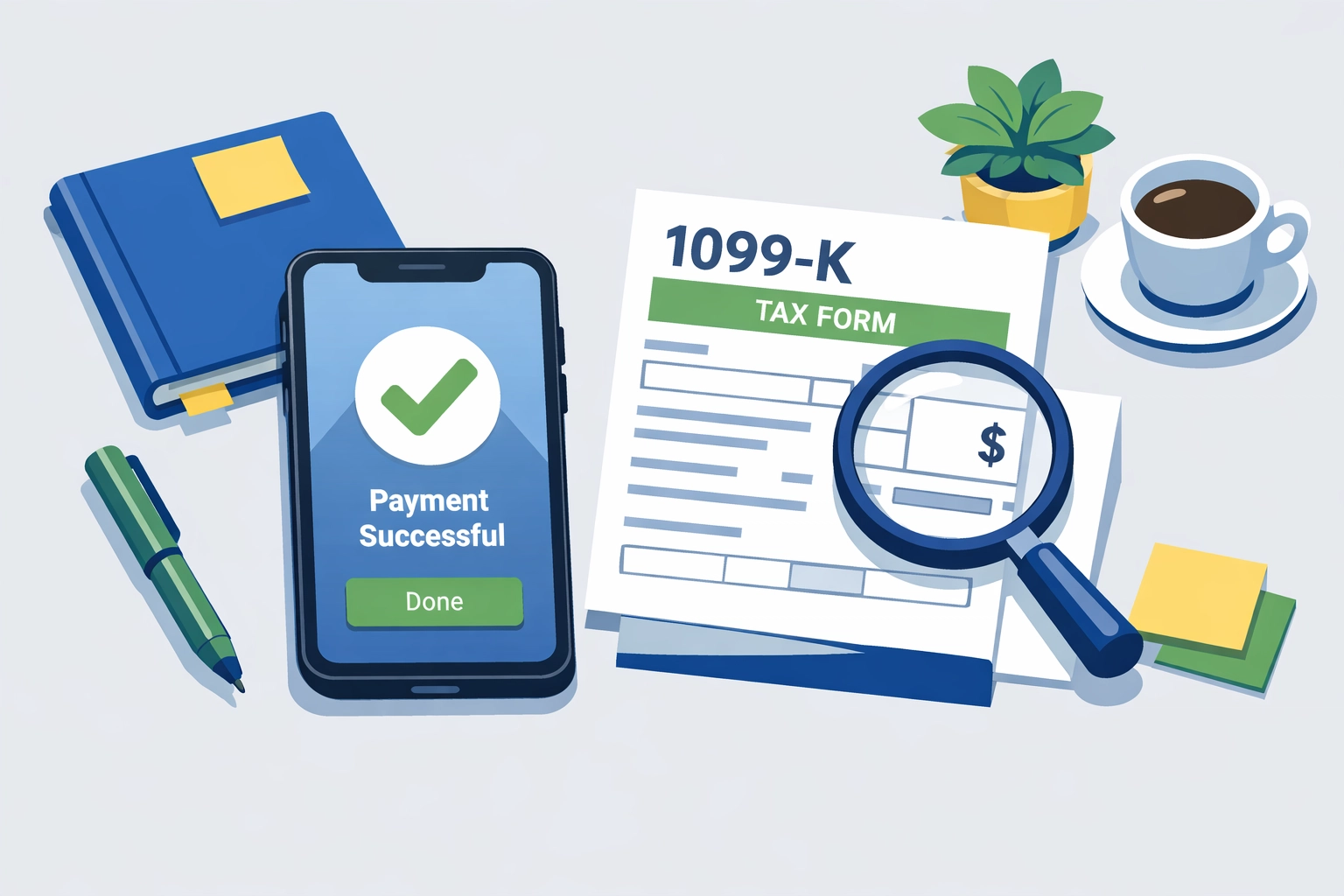
There has been significant back-and-forth regarding the Form 1099-K reporting threshold. For 2026, the confusion persists, but the rule of thumb remains: the IRS expects you to report all income, whether you get a form or not. Many New Haven residents believe that if they didn't hit the $600 (or the current adjusted phase-in) threshold, the money is "tax-free." It is not.
The Risk: Failing to report this income leads to "underreporting" flags on your account. This can delay your refund by months and trigger automated penalty notices.
The Fix: A concierge tax pro at Jose’s Tax Service will reconcile your bank statements against your app history. We don't guess; we verify. To ensure you maximize tax refund opportunities, we separate taxable income from non-taxable transfers (like your roommate paying you back for rent).
3. Mixing Business and Personal "Digital Pockets"!
If you are using one Venmo account for both your freelance graphic design business and your personal life, you are creating a nightmare for your tax preparer. When business and personal funds are co-mingled in a payment app, the burden of proof is on you to prove that the $500 transfer wasn't taxable income.
The Risk: Without a clear boundary, the IRS may assume all incoming transfers are taxable income, resulting in an inflated tax bill.
The Command: Open a dedicated business account within your chosen payment app. Use this account exclusively for business transactions. Transfer profits to your personal bank account in clean, documented movements.
4. Forgetting to Deduct Payment App Fees!
Every time PayPal or Stripe takes a 2.9% + $0.30 cut, that is a deductible business expense. Many taxpayers simply report the "net" amount they received in their bank account. However, your Form 1099-K will show the "gross" amount (the total before fees).
The Risk: If you report the net amount but the IRS receives a 1099-K showing the gross amount, your numbers won't match. This discrepancy is a primary cause for a tax update audit.
The Fix: Report the gross income as shown on the 1099-K. Then, deduct the transaction fees as a business expense on Schedule C (Form 1040). This ensures your books match the IRS's records while lowering your taxable income.
5. Lack of "Audit-Ready" Documentation!
A screenshot of a Cash App confirmation is not an invoice. Many New Haven residents are failing to keep contemporaneous records of what each payment was for. When April rolls around, trying to remember what a payment from "User123" was for six months ago is impossible.
The Risk: Without a clear description of the "business purpose," the IRS can disallow deductions or reclassify gifts as income.
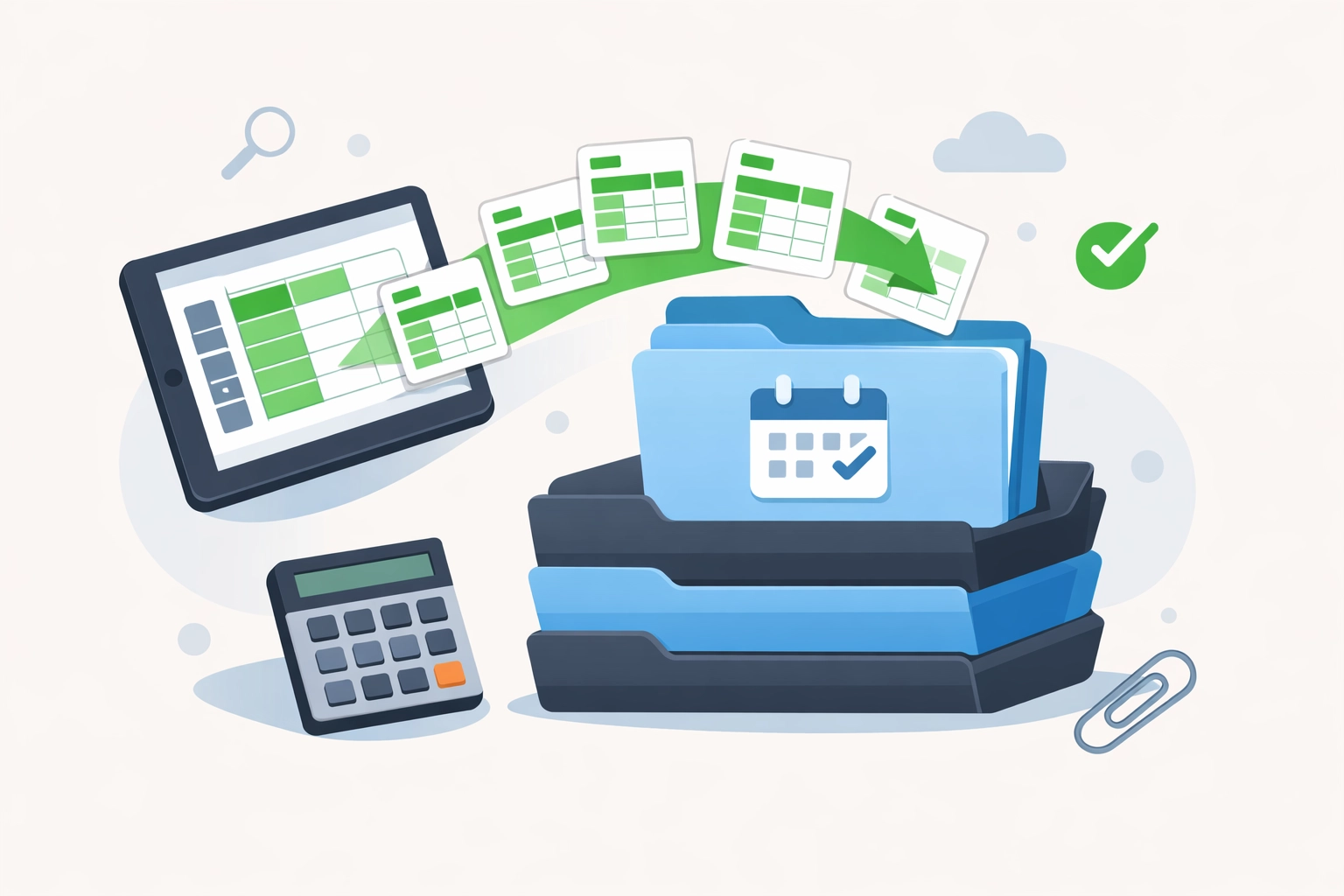
The Command: Maintain a digital or physical folder for every month. Export CSV files from your payment apps monthly. Link each payment to a specific project or sale in your bookkeeping software.
6. Misunderstanding the "Connecticut Nexus" for Small Businesses!
For New Haven business owners, payment apps don't just affect federal taxes. Connecticut has specific reporting requirements and sales tax implications for digital transactions. If you are selling physical goods via Instagram and taking payment via Zelle, you may still be liable for CT Sales and Use Tax.
The Risk: You could be hit with state-level penalties and interest for failing to collect or remit sales tax, even if the payment felt "informal."
The Fix: We analyze your "Nexus": or business presence: in Connecticut. We ensure that your payment app income is properly reflected on your CT-1040 and that any sales tax obligations are met. Visit our small business learning center to learn more about state-specific compliance.
7. Falling for "Phishing" Scams Disguised as IRS Updates!
With the 2026 tax season in full swing, scammers are targeting payment app users. You might receive a text or email claiming to be from the IRS or a payment app, stating there is an "issue with your 1099-K" and asking you to click a link.
The Risk: Identity theft and loss of funds. The IRS will never contact you via a payment app or social media to discuss your tax return.
The Command: Delete any suspicious messages. Contact Jose’s Tax Service directly if you are concerned about a notice. Check your official IRS Online Account for legitimate updates.

How a Concierge Tax Pro Fixes the Chaos
At Jose’s Tax Service, we don't just "input numbers." We provide a concierge experience that cleans up the digital mess. Here is how Jose' Morales handles your payment app complexity:
- Reconciliation: We match your app exports to your bank deposits to ensure every penny is accounted for.
- Classification: We assist in identifying which transactions are taxable and which are personal reimbursements.
- Optimization: We find every deductible fee and business expense hidden within those app transactions to help you maximize tax refund results.
- Security: We ensure your filings are submitted through secure channels, protecting you from the growing wave of digital tax fraud.
The 2026 tax landscape is more complex than ever for the New Haven community. Don't let a payment app mistake turn into a multi-year legal battle with the IRS.
Actionable Steps for New Haven Taxpayers:
- Download your 2025/2026 transaction history from Venmo, PayPal, and Cash App immediately.
- Cross-reference those totals with your bank statements.
- Identify any 1099-K forms that have been issued to you digitally (check the "Tax Documents" section in your apps).
- Schedule a consultation with a professional to review your digital income.
If you are feeling overwhelmed by the digital trail, you are not alone. Whether you are a freelancer in Wooster Square or a small business owner in Westville, we are here to help.
Contact Jose's Tax Service Today:
- Learn more about us: About Jose's Tax Service
- Book an appointment: Contact Us
- Explore more tax tips: Our Blog
Deadline Reminder: The deadline to file your 2025 federal tax return is Wednesday, April 15, 2026. Failure to file or pay on time may lead to penalties of 0.5% to 5% of the unpaid taxes per month. File early to avoid the rush!

Leave a Reply
You must be logged in to post a comment.