
Tax Planning Vs. Tax Prep: Which Is Better For Your 2026 Refund?
NEW HAVEN, CT : February 17, 2026 : The question presents a false choice. For maximum tax savings and refund optimization, you need both tax preparation and tax planning: but they serve completely different functions in your financial strategy.
Understanding when to use each approach can mean the difference between leaving money on the table and maximizing every available deduction and credit.
What Tax Preparation Actually Does
Tax preparation addresses what already happened during the previous calendar year. For the 2026 filing season, tax preparation means documenting your 2025 income, expenses, deductions, and credits to determine your final tax liability.
Key characteristics of tax preparation:
- Occurs after December 31 of the tax year
- Documents past financial transactions
- Calculates final tax liability or refund amount
- Ensures compliance with IRS filing requirements
- Limited opportunity to change outcomes
Tax preparation focuses on accuracy and completeness. Your tax preparer reviews your W-2s, 1099 forms, receipts, and other documentation to complete your return correctly. By this stage, your financial decisions are locked in: you cannot retroactively change contribution amounts, business expenses, or income timing.

The preparation process identifies deductions and credits you qualify for based on actions you already took. If you made charitable contributions in 2025, your preparer claims them. If you missed opportunities to contribute to a retirement account before the deadline, those opportunities are gone.
Tax preparation deadlines for 2026:
- April 15, 2026: Standard filing deadline for 2025 returns
- October 15, 2026: Extended filing deadline (requires filing Form 4868 by April 15)
- Quarterly estimated tax payments: April 15, June 15, September 15, January 15
Missing these deadlines can result in penalties and interest charges that reduce your refund or increase your tax bill.
What Tax Planning Actually Does
Tax planning is a forward-looking, year-round process that shapes your future tax outcomes. While tax preparation looks backward at completed transactions, tax planning looks forward to strategic opportunities.
Key characteristics of tax planning:
- Occurs throughout the current tax year
- Involves strategic financial decisions
- Reduces future tax liability
- Requires advance planning and deadline awareness
- Creates opportunities for tax savings
Tax planning addresses questions like: Should you convert traditional IRA funds to a Roth IRA? How should you time capital gains and losses? What business structure minimizes your tax burden? When should you bunch charitable contributions?
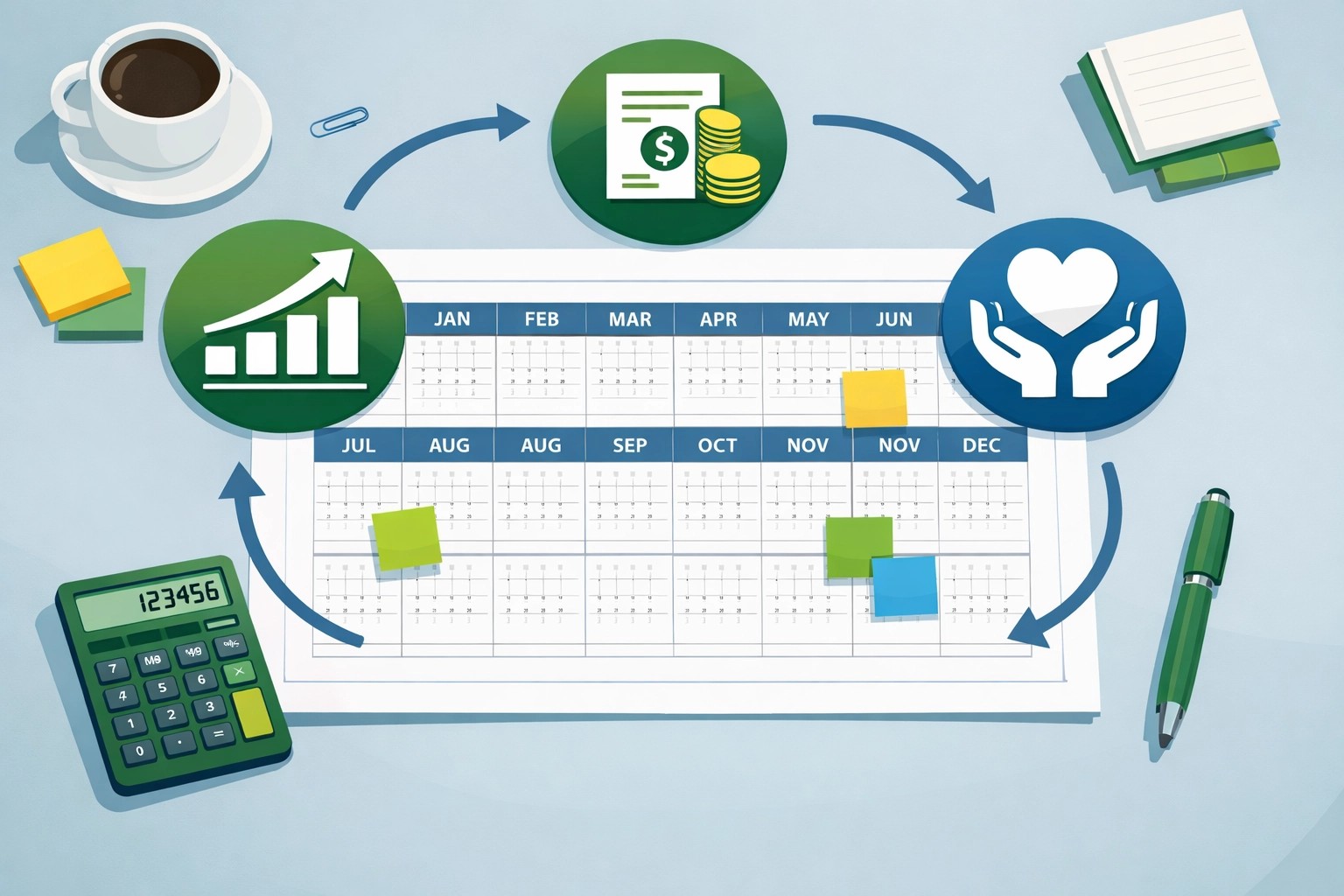
These decisions must be made before December 31 to affect your current-year taxes. The IRS does not allow retroactive tax planning: a Roth conversion completed on January 2, 2026, counts toward your 2026 taxes, not your 2025 return.
Common tax planning strategies include:
- Adjusting W-4 withholding to prevent overpayment or underpayment
- Timing income and deductions between tax years
- Maximizing retirement account contributions
- Implementing tax-loss harvesting in investment accounts
- Optimizing business entity structure
- Planning charitable giving strategies
- Managing capital gains and losses
- Coordinating health savings account (HSA) contributions
Each strategy has specific deadlines and requirements. Retirement account contributions for 2025 can be made until April 15, 2026, but Roth conversions and most other planning moves must occur by December 31.
The Critical Timing Distinction
The fundamental difference between tax preparation and tax planning comes down to timing and control.
Tax preparation timeline:
- Your 2025 tax year ended on December 31, 2025
- Financial decisions for that year cannot be changed
- Tax preparation documents what already occurred
- Filing deadline: April 15, 2026
Tax planning timeline:
- Your 2026 tax year is currently in progress
- Financial decisions made now affect your 2026 return
- Strategic moves must occur before December 31, 2026
- Results appear when you file in 2027
For New Haven taxpayers, this timing matters for both federal and Connecticut state tax planning. Connecticut has its own tax brackets, deductions, and credits that require separate planning consideration.
How to Use Both Approaches for Your 2026 Refund
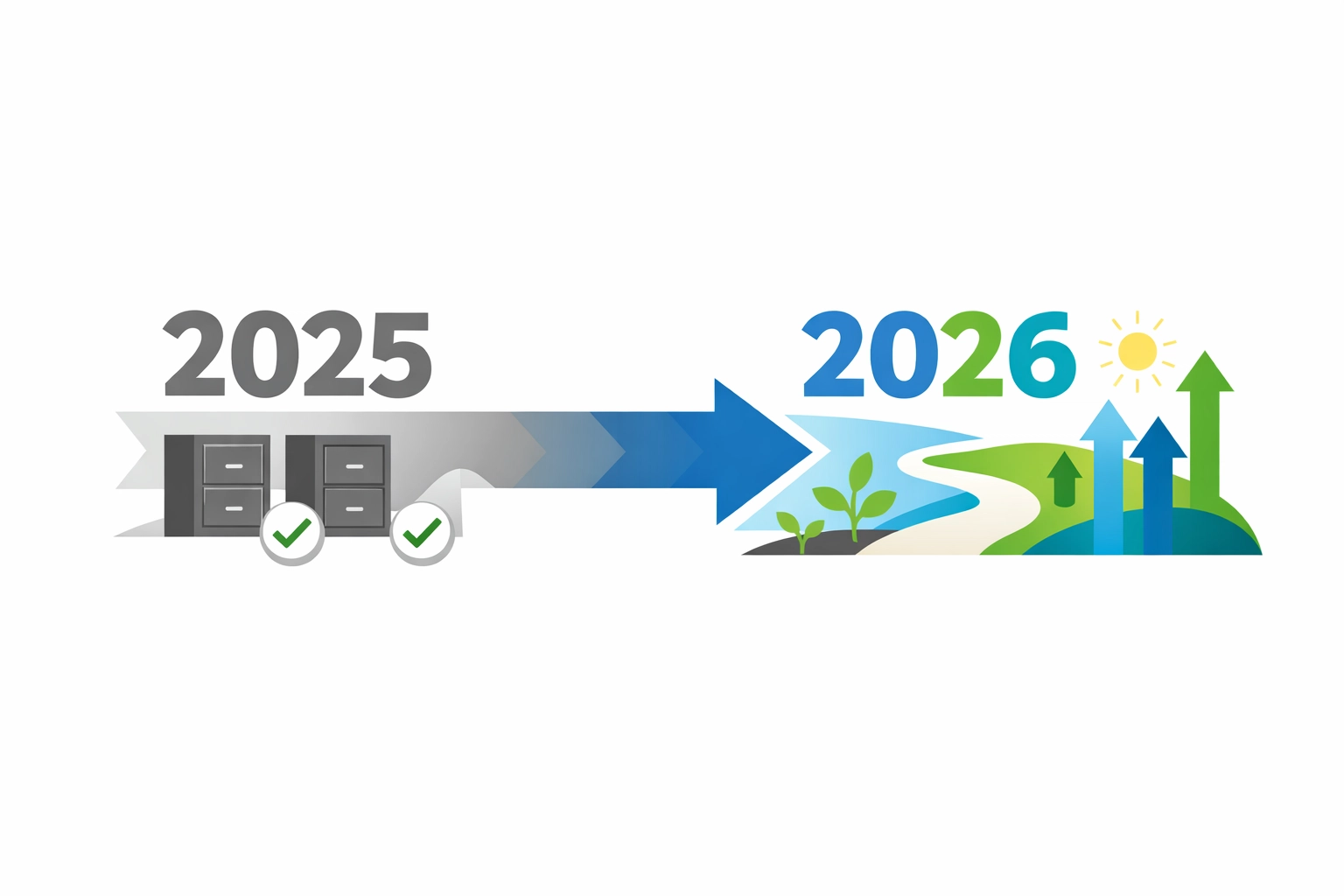
Here's the strategic framework: Use tax preparation to maximize your current refund from 2025, then implement tax planning immediately to optimize your 2026 tax situation.
Step 1: Complete Your 2025 Tax Preparation
Gather all documentation for 2025:
- W-2 forms from employers
- 1099 forms for contract work, interest, dividends, and other income
- Receipts for deductible expenses
- Charitable contribution records
- Education expense documentation
- Medical expense records
- Business expense receipts
Work with a qualified tax professional to ensure you claim all available deductions and credits. Common missed opportunities include educator expenses, student loan interest deductions, and earned income tax credit (EITC) eligibility.
Step 2: Review Your 2025 Return for Planning Opportunities
After completing your 2025 return, identify patterns and opportunities:
- Did you owe additional taxes or receive a large refund?
- Which deductions and credits provided the most benefit?
- What expenses were you unable to deduct due to income limits or other restrictions?
- How did timing of income and expenses affect your tax bracket?
Large refunds indicate excessive withholding: you provided an interest-free loan to the IRS throughout 2025. Owing additional taxes may trigger underpayment penalties if you didn't pay enough through withholding or estimated payments.
Step 3: Implement Tax Planning for 2026
Based on your 2025 results, develop a tax planning strategy for the remainder of 2026:
Adjust W-4 withholding: If your 2025 refund exceeded $2,000 or you owed more than $1,000, submit a new Form W-4 to your employer to adjust withholding for the remainder of 2026.
Maximize retirement contributions: For 2026, contribution limits are $23,000 for 401(k) plans ($30,500 if age 50+) and $7,000 for IRAs ($8,000 if age 50+). These contributions reduce your taxable income.
Plan charitable giving: If you itemize deductions, consider bunching multiple years of charitable contributions into 2026 to exceed the standard deduction threshold ($14,600 for single filers, $29,200 for married filing jointly in 2026).
Time income and expenses: If you're self-employed or have control over income timing, consider deferring income to 2027 or accelerating deductible expenses into 2026 to manage your tax bracket.
Review quarterly estimated payments: Self-employed individuals and those with significant non-wage income must make quarterly estimated tax payments. Calculate required payments to avoid underpayment penalties.

Tax Planning Considerations for New Haven Small Businesses
New Haven small business owners face additional tax planning complexity. Business structure decisions: sole proprietorship, LLC, S corporation, or C corporation: significantly impact tax liability.
Key business tax planning moves for 2026:
- Accelerate equipment purchases to claim Section 179 deductions or bonus depreciation
- Review estimated tax payment requirements to avoid penalties
- Optimize owner compensation (salary vs. distributions) for S corporations
- Implement retirement plans for owner and employees
- Document all business expenses with proper record-keeping systems
- Consider timing of major income or expense items
Connecticut also imposes entity-level taxes on certain business structures. S corporations and LLCs taxed as S corporations pay a 6.99% entity-level tax, though this creates a federal deduction opportunity through the state and local tax (SALT) cap workaround.
What New Haven Taxpayers Should Do Now
Take these immediate actions to maximize your 2026 tax outcome:
For your 2025 return (due April 15, 2026):
- Schedule an appointment with a qualified tax preparer if you haven't filed yet
- Gather all tax documents and receipts
- Ask your preparer about all available deductions and credits
- File electronically with direct deposit for fastest refund processing
For your 2026 tax planning:
- Review your 2025 return to identify planning opportunities
- Adjust W-4 withholding if your refund was too large or you owed taxes
- Maximize retirement account contributions before December 31, 2026
- Schedule quarterly check-ins with your tax professional to monitor your tax situation
- Keep detailed records of all income and expenses throughout the year
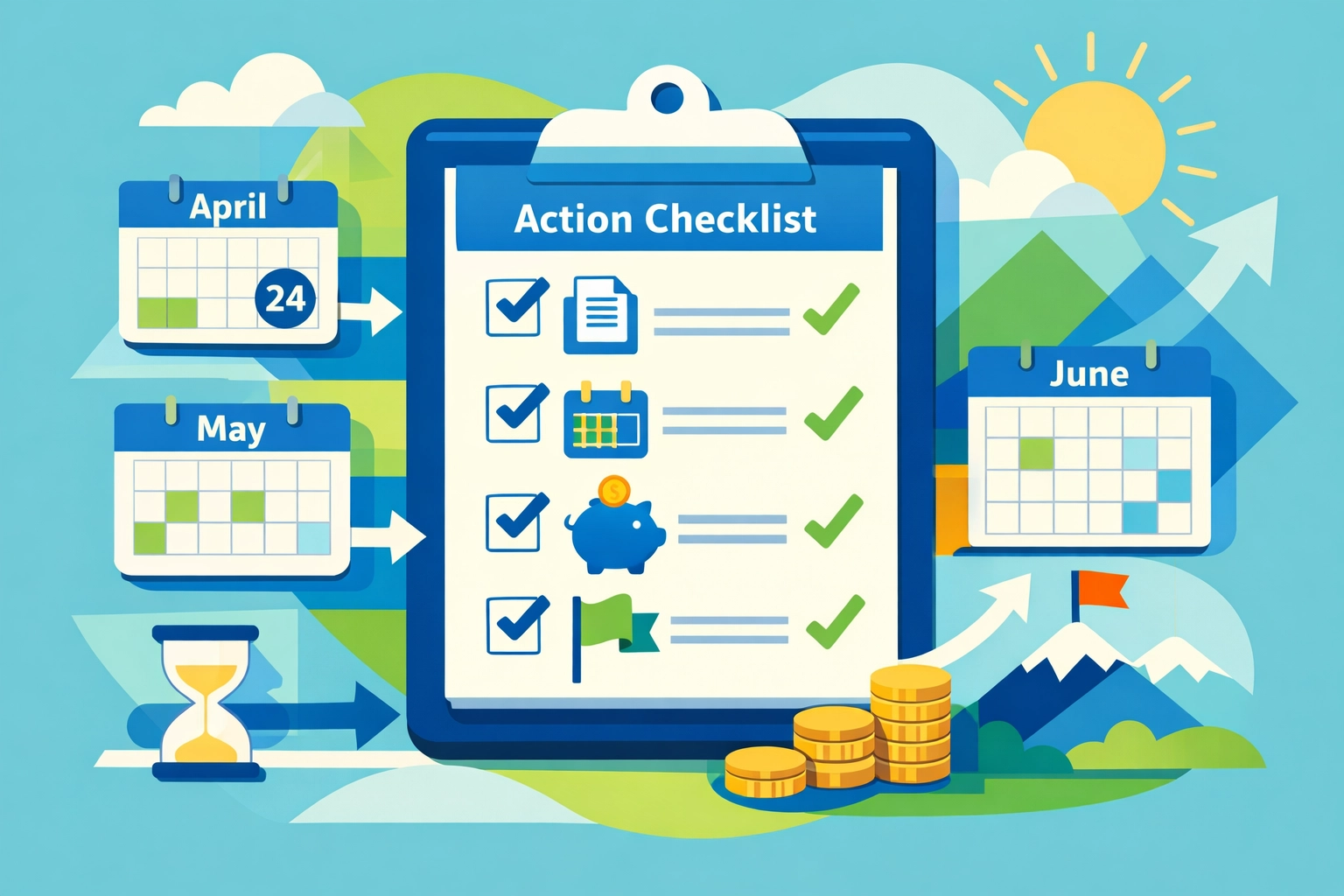
The difference between reactive tax preparation and proactive tax planning can amount to thousands of dollars in tax savings annually. Tax preparation ensures you comply with filing requirements and claim available benefits. Tax planning creates those benefits through strategic decision-making.
Both approaches are essential. Use tax preparation to handle past years correctly. Use tax planning to optimize future years strategically. The combination maximizes your refund potential and minimizes your overall tax burden.
For professional tax preparation and year-round tax planning guidance tailored to New Haven taxpayers, contact Jose's Tax Service at josestaxservice.com.

Leave a Reply
You must be logged in to post a comment.