
2026 Tax Update: 7 Changes New Haven Small Business Owners Can't Afford to Miss
New Haven, Connecticut : January 2026
Tax season is here. For New Haven small business owners, 2026 brings significant changes that demand immediate attention. Failing to understand these updates can lead to missed deductions, unexpected liabilities, and costly penalties.
This guide breaks down the seven most critical tax changes affecting your business this year. Read carefully. Take action. Protect your bottom line.
1. Connecticut Estate Tax Exemption Jumps to $15 Million!
Connecticut's estate tax exemption has increased to $15 million per person in 2026, now matching the federal exemption amount. For married couples with proper planning, this means up to $30 million in protection from estate tax.
What You Need to Know:
- Connecticut applies a flat 12 percent tax on amounts exceeding the exemption
- The state does not allow portability of exemptions between spouses
- Unused exemptions are permanently lost if not utilized
Action Required: Review your estate planning documents immediately. If you own a business valued at more than $5 million, consult with a tax professional to maximize your exemption benefits. Don't assume your current plan accounts for these changes.

2. New Haven Property Tax Deadlines Have Changed!
If your business owns real estate in New Haven, pay close attention. The second installment of real estate taxes is due by February 2, 2026. Miss this date, and you face immediate consequences.
Critical Deadline Information:
- Due Date: February 2, 2026
- Delinquency Date: February 3, 2026
- Interest Calculation: Charged from the original January 1, 2026 due date
- Current Mill Rate: 39.40 per $1,000 of assessed value
Warning: Unpaid property taxes accrue interest rapidly. Late payments can lead to liens against your business property. Set calendar reminders now. File early. Pay on time.
3. Federal Income Tax Brackets Have Been Adjusted Upward!
The IRS has adjusted federal income tax brackets for 2026 to account for inflation. This adjustment may provide some relief for small business owners, particularly those filing as pass-through entities.
How This Affects Your Business:
- Sole proprietors and S-corporation shareholders report business income on personal returns
- Higher bracket thresholds mean more income may be taxed at lower rates
- Estimated quarterly tax payments should be recalculated based on new brackets
Action Required: Review your 2026 estimated tax payment schedule. Use Form 1040-ES to calculate new quarterly amounts. Overpaying ties up working capital. Underpaying triggers penalties.

4. Charitable Giving Limitations Are Tightening!
New limitations on charitable deductions take effect in 2026. These changes significantly impact high-earning business owners who use charitable giving as a tax strategy.
New Rules for 2026:
- A 0.5% adjusted gross income (AGI) floor now applies to charitable deductions
- The deduction cap for high earners is now 35% of AGI
- Documentation requirements have become more stringent
What This Means for You:
If your business generates substantial income and you rely on charitable contributions for tax relief, your strategy may need revision. Smaller donations may no longer provide the deduction benefits they once did.
Recommendation: Consult with a tax professional before making large charitable contributions. Timing and documentation are now more critical than ever.
5. Qualified Business Income (QBI) Deduction Faces Scrutiny!
The Section 199A Qualified Business Income deduction remains available for 2026, but the IRS has increased enforcement and auditing of these claims. Pass-through business owners should proceed with caution.
Key Requirements to Maintain Your Deduction:
- Deduction is limited to 20% of qualified business income
- Income thresholds determine additional limitations
- Specified Service Trades or Businesses (SSTBs) face phase-out restrictions
- W-2 wage and property limitations may apply
Documentation Checklist:
- Maintain detailed records of all business income sources
- Document W-2 wages paid to employees
- Keep records of qualified property used in your business
- Separate income from specified service activities
Warning: Incorrect QBI deduction claims can trigger audits and result in penalties plus interest. Double-check all calculations. Use Form 8995 or Form 8995-A as appropriate.
6. Depreciation Rules and Bonus Depreciation Phase-Down Continues!
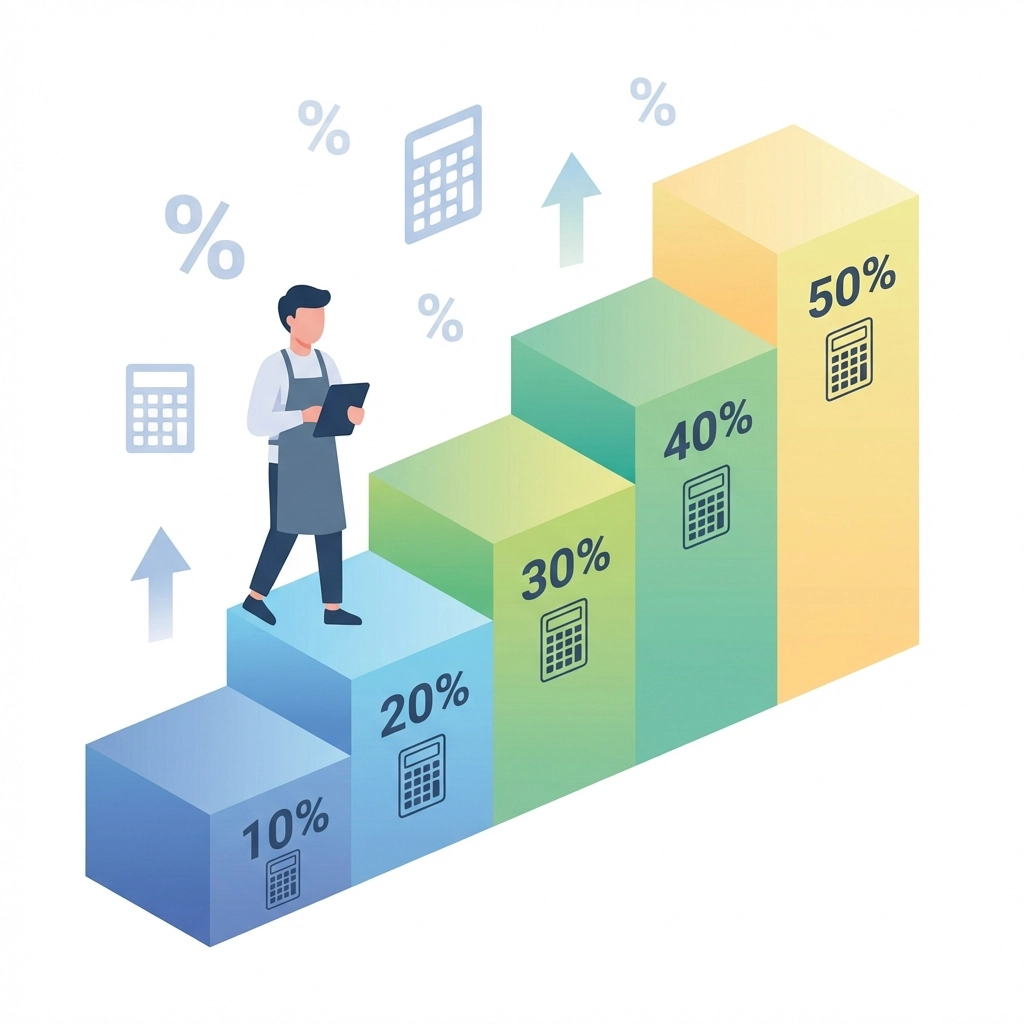
The bonus depreciation phase-down continues in 2026. This affects how quickly you can write off equipment, vehicles, and other business assets.
2026 Bonus Depreciation Rate: 40%
This is down from 60% in 2024 and 80% in 2023. By 2027, the rate drops to just 20%.
Impact on Your Business:
- Large equipment purchases may take longer to fully depreciate
- Cash flow planning becomes more complex
- Strategic timing of asset purchases is essential
Alternative Options:
- Section 179 expensing remains available for qualifying assets
- Consider cost segregation studies for real property
- Evaluate leasing versus purchasing based on current rules
Action Required: If you plan to purchase significant business assets in 2026, consult with a tax professional to determine the optimal timing and depreciation strategy.
7. Increased IRS Enforcement and Reporting Requirements!
The IRS has received substantial funding increases, and small businesses are now facing heightened scrutiny. New reporting requirements and enforcement initiatives are in full effect for 2026.
Areas of Increased Focus:
- Cash-intensive businesses in the New Haven area
- Independent contractor classifications (Form 1099-NEC compliance)
- Digital payment reporting through third-party platforms
- Employment tax compliance and worker misclassification
New Reporting Thresholds:
Third-party payment platforms (PayPal, Venmo, Square, etc.) are now required to report transactions totaling $600 or more annually. This means more of your business income is being reported directly to the IRS.
Compliance Checklist:
- Verify all 1099s are issued by January 31, 2026
- Reconcile third-party payment reports with your records
- Review independent contractor agreements for proper classification
- Ensure employment tax deposits are current
Warning: Worker misclassification penalties can be severe. If you're unsure whether a worker should be classified as an employee or independent contractor, seek professional guidance immediately.

Your 2026 Tax Planning Action Plan
These seven changes require immediate attention. Here's your priority checklist for the coming weeks:
This Week:
- Review property tax payment status
- Calendar the February 2, 2026 property tax deadline
- Gather 2025 financial records for comparison
This Month:
- Schedule a consultation with a tax professional
- Review and update estimated tax payments
- Verify all 1099 forms have been issued
Before Filing:
- Reconcile all third-party payment platform reports
- Document QBI deduction qualifications
- Review depreciation schedules for accuracy
Don't Navigate These Changes Alone
Tax law changes every year. In 2026, the stakes are higher than ever for New Haven small business owners. Missing a deadline or misunderstanding a new rule can cost your business thousands of dollars.
At Jose's Tax Service, we specialize in helping local small business owners stay compliant and maximize their tax benefits. Our team understands Connecticut-specific requirements and federal changes that impact your bottom line.
Schedule your 2026 tax consultation today. Don't wait until April to discover you've made a costly mistake. Professional guidance now can save you money, stress, and potential penalties later.
This information is current as of January 2026. Tax laws and regulations may change. Always consult with a qualified tax professional for advice specific to your business situation.
Leave a Reply
You must be logged in to post a comment.