
Why Your 2026 Tax Refund Might Be Smaller (and How to Avoid a Surprise Bill)
Here's What New Haven Taxpayers Need to Know Right Now!
You've probably heard the news: average tax refunds for 2026 are projected to jump by $1,000 or more thanks to the Working Families Tax Cuts Act. Sounds great, right? But here's the catch, not everyone will see a bigger refund. In fact, some New Haven residents might be shocked to find their refund is smaller than last year, or worse, they owe the IRS money.
Before you start planning how to spend that refund check, let's talk about why YOUR 2026 tax situation might look different than you expect, and what you can do about it.
The Good News: Big Tax Changes Are Coming
The Working Families Tax Cuts Act (also called the "One Big Beautiful Bill") includes approximately $91 billion in retroactive tax relief for 2026. Here's what's included:
Larger Standard Deductions
- Single taxpayers: $75-$278 increase
- Married couples: $150-$555 increase
Enhanced Child Tax Credit
- Up to $200 more per child
- Affects approximately 46 million families
New Senior Deduction
- Averaging around $1,000 for taxpayers 65 and older
- Available to 24 million seniors
Tips Deduction
- Averaging around $1,400
- Benefits up to 10 million workers in service industries
Additional provisions include exemptions for overtime income, Social Security benefits, and a refundable adoption credit.
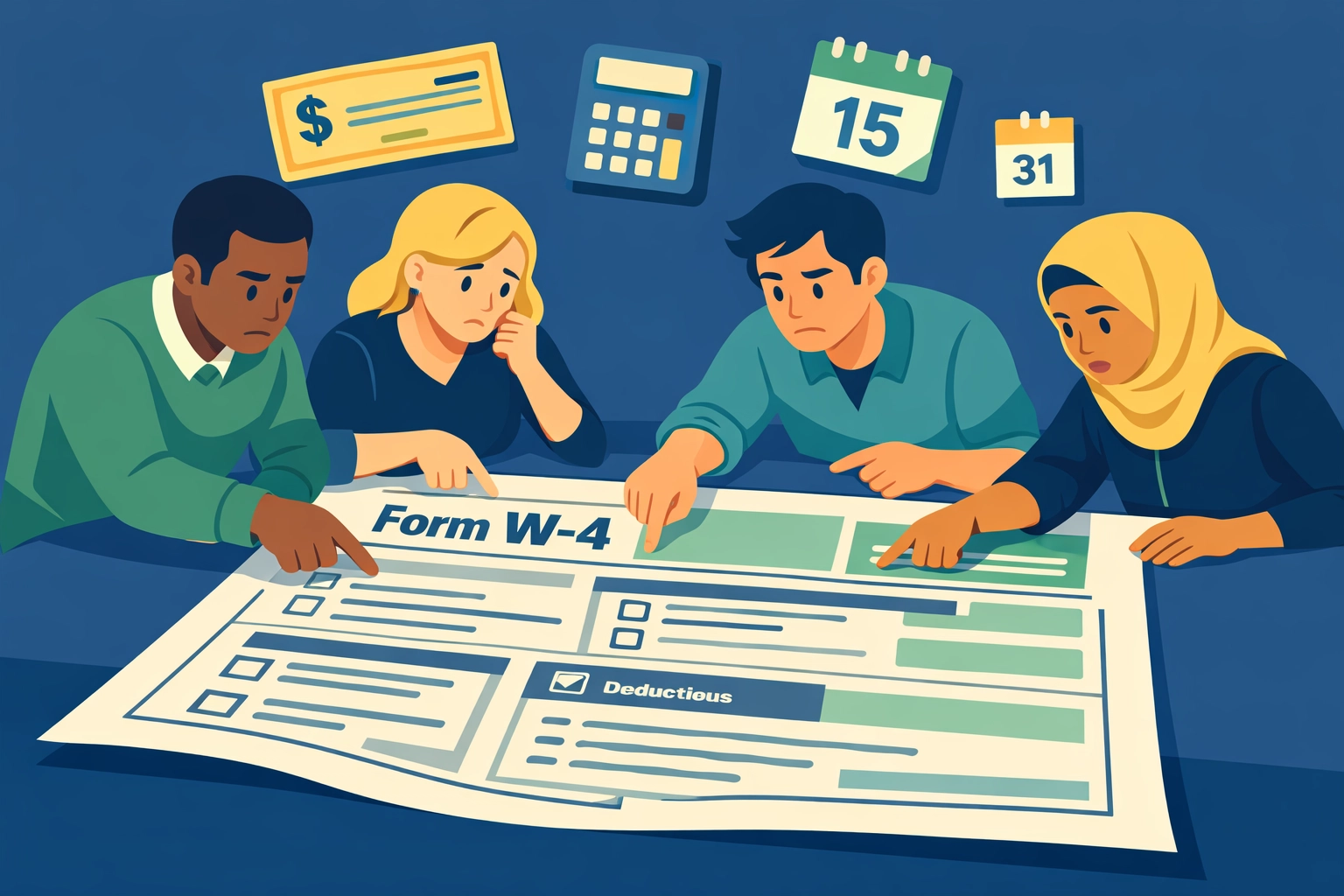
Why Your Refund Might Still Be Smaller
Here's the reality: those averages don't apply to everyone. Several situations can result in a smaller refund or an unexpected tax bill, even with these new benefits.
Your Withholding Is Off
Check your most recent paystub. If you changed jobs in 2025, got a raise, or adjusted your W-4, your withholding might not match your actual tax liability. Too little withheld throughout the year means a smaller refund, or a bill, when you file.
Action step: Review your withholding NOW. Use the IRS Tax Withholding Estimator or schedule a mid-year check-in with a tax professional.
You Don't Qualify for the New Credits
The enhanced credits have eligibility requirements. Not every New Haven taxpayer will qualify for:
- The senior deduction (must be 65+)
- The tips deduction (must work in qualifying industries)
- The full Child Tax Credit (income limits apply)
If you assumed you'd get these benefits but don't qualify, you may be disappointed come April.
One-Time Credits Expired
Did you claim specific credits or deductions in 2025 that aren't available for 2026? Examples include:
- Education credits for a child who graduated
- First-time homebuyer benefits
- Temporary pandemic-related credits
- Business loss carryforwards that were used up
These changes can significantly reduce your refund compared to last year.

Self-Employment Income Increased
For New Haven's growing number of freelancers, gig workers, and small business owners, estimated tax payments are critical. If your income jumped in 2025 but you didn't increase your quarterly payments, you'll owe the difference, plus potential penalties.
The new overtime and tips exemptions might help, but only if you're in qualifying situations and properly documented everything.
Life Changes Affected Your Filing Status
Major life events impact your taxes:
- Got married or divorced
- Had a baby (or your dependent aged out)
- Bought or sold a home
- Inherited money or property
- Started or closed a business
Each of these can shift you into different tax brackets, change your standard deduction, or affect credit eligibility.
How to Avoid a Surprise Tax Bill
The key to maximizing your 2026 refund, or at least avoiding an unpleasant surprise, is planning ahead. Here's your action plan.
Update Your W-4 Immediately
Don't wait until December. Review your withholding status now, especially if:
- You got married or divorced in 2025
- You had a child or your child turned 17
- You started a second job or side hustle
- Your spouse's employment status changed
Submit a new W-4 to your employer to adjust your withholding for the remainder of 2026.
Track All Deductible Expenses
Keep detailed records throughout the year. New Haven residents should document:
- Charitable donations
- Medical expenses exceeding 7.5% of adjusted gross income
- Home office expenses (for eligible self-employed individuals)
- Business mileage and travel
- Professional development costs
Use a digital tool or app to capture receipts immediately. Don't rely on memory when tax season arrives.
Make Quarterly Estimated Payments
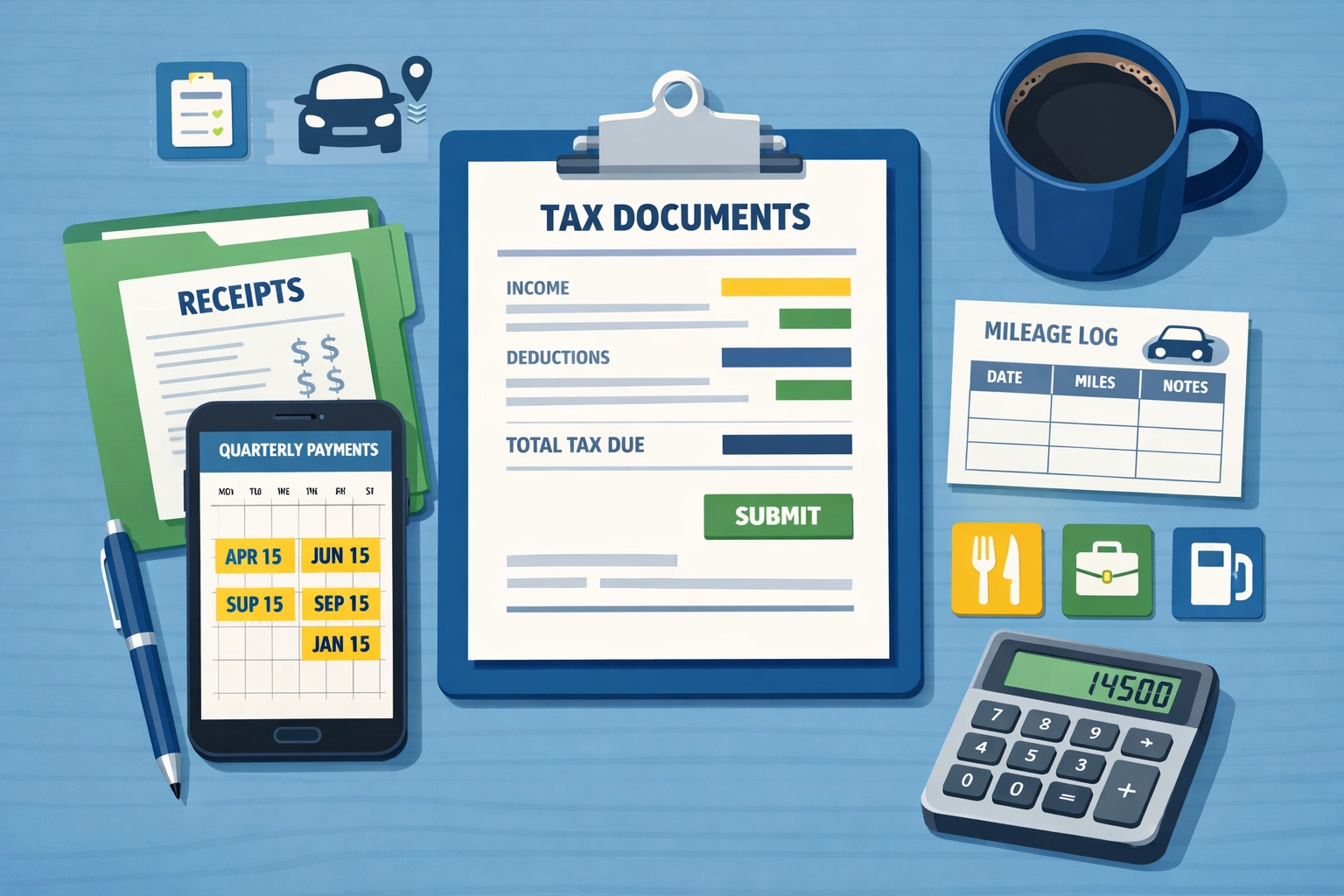
Self-employed? Making estimated tax payments quarterly prevents a massive bill in April. Calculate 90% of your current year's tax liability or 100% of last year's (110% if your adjusted gross income exceeds $150,000).
Payment deadlines for 2026:
- April 15
- June 16
- September 15
- January 15, 2027
Maximize Retirement Contributions
Contributing to tax-advantaged retirement accounts reduces your taxable income. For 2026, contribution limits are:
- 401(k): Up to $23,500 (plus $7,500 catch-up if 50+)
- Traditional IRA: Up to $7,000 (plus $1,000 catch-up if 50+)
These contributions can lower your tax bill while building your future security.
Review Tax Law Changes with a Professional
Tax laws change constantly. What worked last year might not apply this year. The Working Families Tax Cuts Act includes complex provisions that affect different taxpayers differently.
A qualified tax professional can:
- Identify which new credits and deductions you qualify for
- Spot potential issues before they become problems
- Optimize your withholding and estimated payments
- Develop a personalized tax strategy for your situation
How Jose's Tax Service Helps New Haven Residents Optimize Their Refunds
At Jose's Tax Service, we don't just prepare your return, we help you plan throughout the year to maximize your refund and minimize surprises.
Our approach includes:
Year-Round Tax Planning
We review your situation quarterly, not just once a year. This proactive approach identifies issues early when there's still time to adjust.
Withholding Analysis
We calculate your exact tax liability and recommend precise W-4 adjustments to get your refund where you want it, without lending the IRS money interest-free.
Credit and Deduction Maximization
We stay current on every tax law change, including the 2026 provisions. We ensure you claim every credit and deduction you're entitled to under the new rules.
New Haven Expertise
Local tax professionals understand Connecticut-specific tax issues, from property tax credits to state filing requirements that affect your overall tax picture.

Don't Wait Until April to Find Out
The worst time to discover you owe money or your refund is smaller than expected is when you're sitting across from a tax preparer in April. By then, it's too late to adjust withholding or make strategic moves that could have changed your outcome.
Take action now:
- Review your most recent paystub and verify your withholding amounts
- Calculate your estimated tax liability based on your current income
- Schedule a tax planning consultation to review your specific situation
- Adjust your W-4 or estimated payments if needed
- Organize your documentation for deductible expenses and credits
The Bottom Line
Yes, many taxpayers will see larger refunds in 2026 thanks to new tax cuts. But individual circumstances vary dramatically. Changes in income, family status, employment, or withholding can all result in a smaller refund: or an unexpected tax bill.
The good news? With proper planning and professional guidance, you can optimize your tax situation and avoid unpleasant surprises. Don't leave your financial future to chance.
Ready to take control of your 2026 taxes? Contact Jose's Tax Service today to schedule your personalized tax planning consultation. We'll review your specific situation, identify potential issues, and create a strategy to maximize your refund while minimizing your stress.
Visit us at our New Haven location or call to book your appointment. Because when it comes to taxes, an ounce of prevention is worth a pound of refund.

Leave a Reply
You must be logged in to post a comment.