
Why Your 2026 Refund Could Be Bigger (or Smaller) Than Expected: The Standard Deduction Changes Explained in 3 Minutes
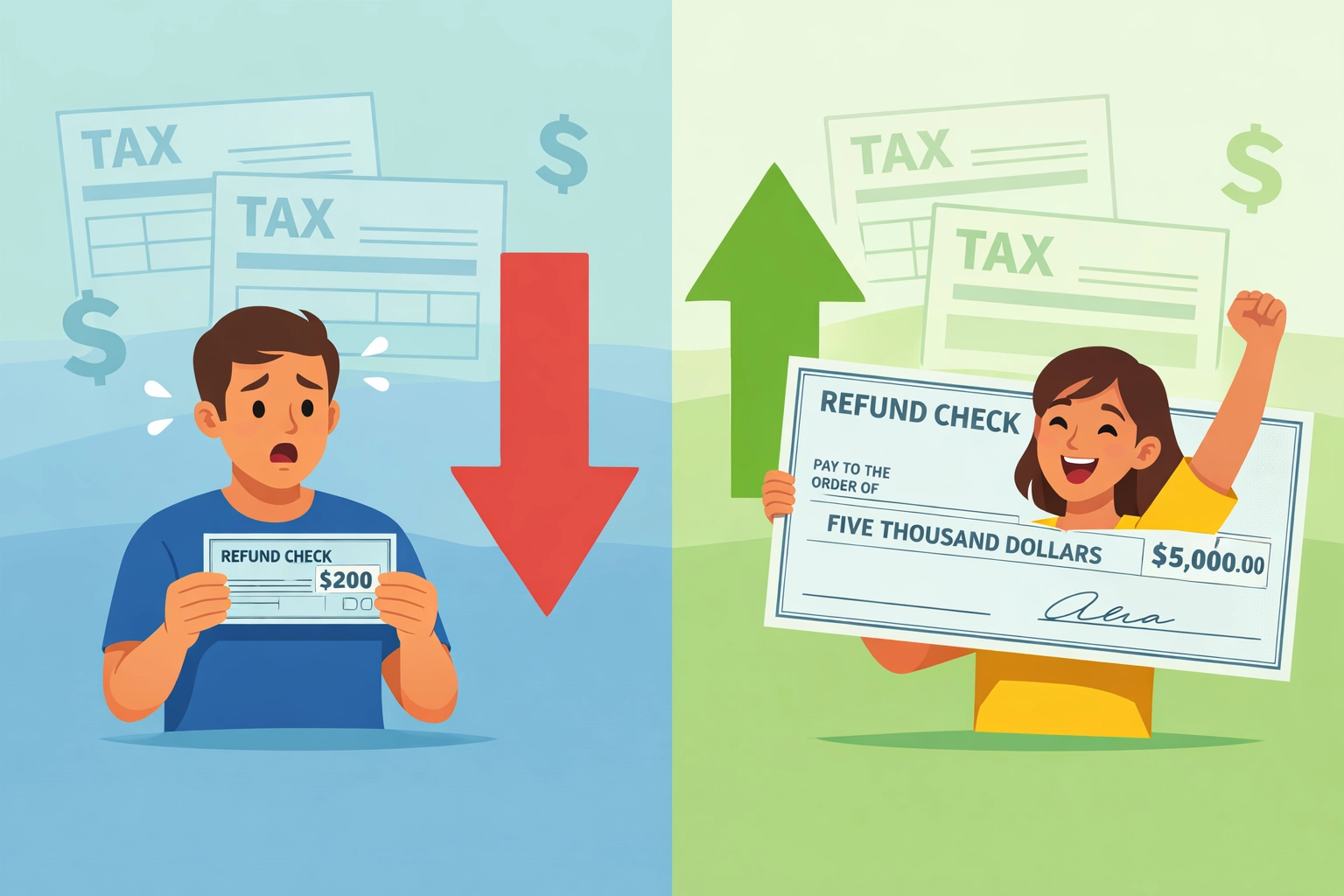
NEW HAVEN, CT , February 23, 2026 , If you're expecting the same refund you got last year, you might be in for a surprise. The standard deduction jumped significantly for 2025 and 2026, and that change is directly impacting refund amounts for thousands of New Haven taxpayers right now.
Here's what you need to know before you file, or if you've already filed and are wondering why your refund looks different than expected.
The Standard Deduction Increased (By A Lot!)
The standard deduction is the amount of income the IRS allows you to exclude from taxation automatically. The higher it is, the less taxable income you have, which means you owe less in federal taxes.
For the 2025 tax year (the return you're filing right now in early 2026), the standard deduction amounts are:
- Single filers: $15,750
- Married filing jointly: $31,500
- Head of household: $23,625
These amounts represent substantial increases from prior years. The jump came from a combination of the "One Big Beautiful Bill" legislation, which added a 5% boost to the standard deduction for 2025, plus the annual inflation adjustments the IRS makes.
Looking ahead to next year, the 2026 tax year (which you'll file in 2027) will see even higher amounts:
- Single filers: $16,100
- Married filing jointly: $32,200
- Head of household: $24,150
Why This Could Mean a BIGGER Refund for You
Here's the key question: Did your employer adjust your tax withholding to account for these higher deduction amounts?
If the answer is no, you likely had too much tax withheld from your paychecks throughout 2025. Your employer was withholding based on the older, lower standard deduction amounts. Now that you're filing with the higher deduction, you owe less tax than what was withheld: which means a larger refund check.
This is especially common for:
- Employees who didn't update their W-4 form in 2025
- Workers at companies with payroll systems that didn't automatically adjust for the new legislation
- New Haven residents who started a job early in 2025 before the changes took effect
One of my clients here in New Haven: a teacher at a local elementary school: just saw her refund increase by nearly $800 compared to last year, entirely due to this withholding mismatch. She hadn't changed anything about her tax situation, but her employer's withholding didn't keep pace with the deduction increase.
Why This Could Mean a SMALLER Refund (And That's Not Bad!)
On the flip side, if you or your employer did adjust your W-4 withholding in 2025 to account for the higher standard deduction, less tax was withheld from each paycheck. This means you kept more money throughout the year: but you'll see a smaller refund now.
Important: A smaller refund isn't necessarily a problem. It actually means you gave the government less of an interest-free loan throughout the year and kept more money in your own pocket.
However, many New Haven taxpayers are surprised by the smaller refund amount because they're used to getting a certain number back each year. They didn't realize their take-home pay increased slightly with each paycheck.
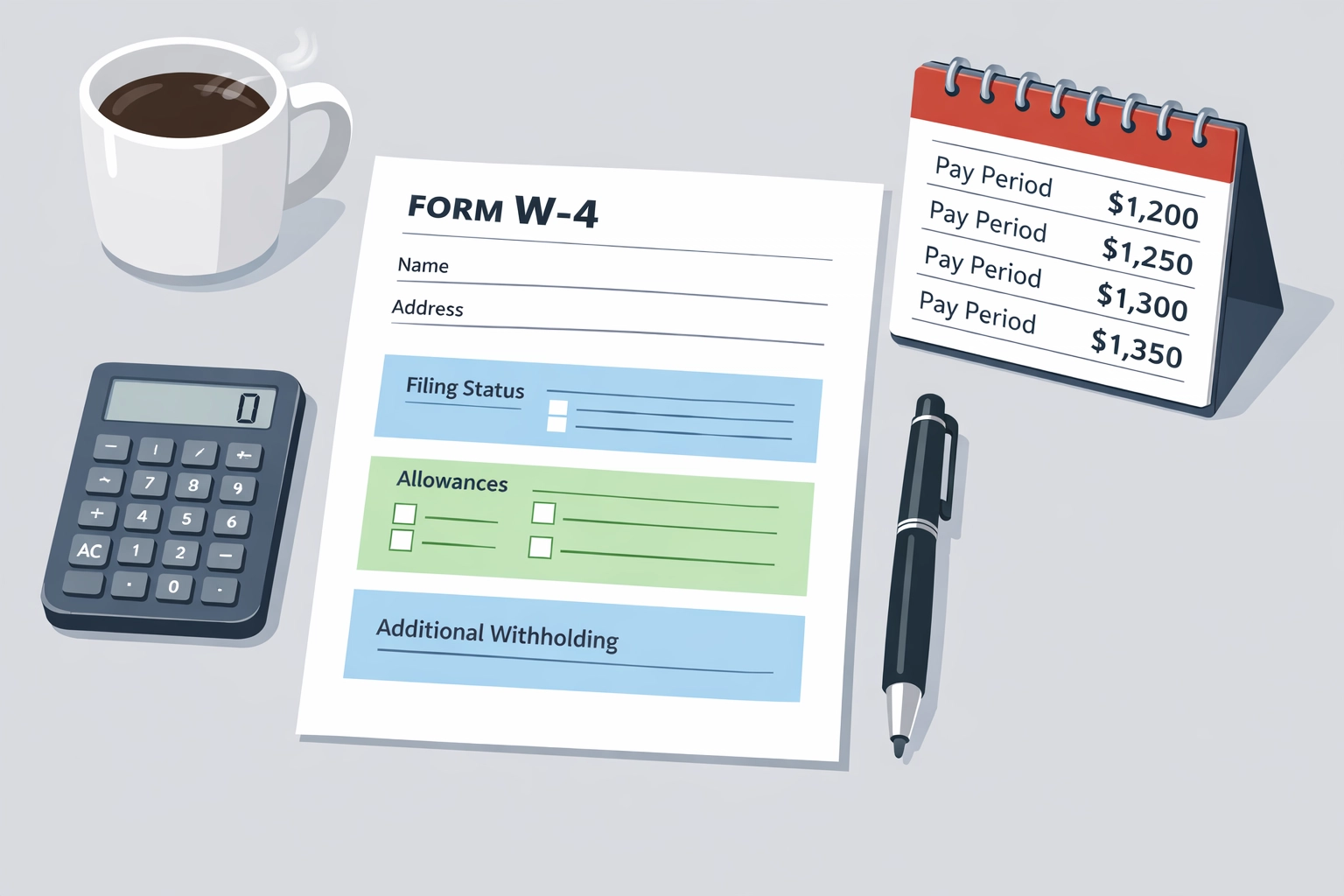
Check your 2025 pay stubs. Compare your net pay from early 2025 to late 2025. If your net pay increased (and your gross pay and benefit deductions stayed the same), that's where your "missing" refund went: straight into your bank account throughout the year.
Special Alert for Taxpayers 65 and Older!
If you're 65 or older, you qualify for an additional standard deduction on top of the amounts listed above.
For the 2026 tax year (filed in 2027), seniors can claim:
- An extra $2,050 for single taxpayers
- An extra $1,650 for each qualifying spouse filing jointly
But there's more. Through 2028, individuals 65 and older can claim a separate $6,000 deduction on top of the standard deduction. This is a game-changer for many retired New Haven residents.
Let's do the math for a married couple where both spouses are 65 or older, filing their 2026 return in 2027:
- Standard deduction: $32,200
- Additional senior deduction (both spouses): $3,300
- Separate senior deduction (both spouses): $12,000
- Total potential deductions: $47,500
That's nearly $50,000 of income that won't be taxed. For many seniors living on fixed incomes in New Haven, this can mean the difference between owing taxes and getting a refund: or significantly increasing their refund amount.

What You Should Do Right Now
If you haven't filed yet:
Gather your documents. You need all your W-2s, 1099s, and receipts for any itemized deductions you're considering.
Compare itemizing vs. standard deduction. With the standard deduction this high, most New Haven taxpayers will benefit from taking it rather than itemizing. But if you have significant mortgage interest, property taxes (remember Connecticut's property taxes can be steep), or charitable contributions, run the numbers both ways.
Consider adjusting your 2026 withholding. File a new W-4 with your employer if you want to adjust how much is withheld going forward. Use the IRS Tax Withholding Estimator tool or consult with a tax professional.
File accurately. Tax software and qualified tax preparers will automatically apply the correct standard deduction amount for your filing status, but double-check your return before submitting.
If you already filed:
Review your return. Check that the correct standard deduction was applied. Your 2025 return should show $15,750 for single filers, $31,500 for married filing jointly, or $23,625 for head of household.
Verify any senior deductions. If you're 65 or older, confirm the additional deduction was included.
Track your refund. Use the IRS "Where's My Refund?" tool to monitor your refund status. Most refunds are issued within 21 days of filing.
Amend if necessary. If you discover an error with your deduction amount, you can file an amended return (Form 1040-X). However, wait until your original return is fully processed first.
The Bottom Line for New Haven Taxpayers
The standard deduction changes are affecting virtually every taxpayer filing in 2026. Whether your refund is bigger or smaller than expected, understanding why helps you make better financial decisions going forward.
Don't be caught off guard next year. Now is the time to review your withholding and adjust your W-4 if needed. The goal isn't necessarily to maximize your refund: it's to minimize surprises and optimize your cash flow throughout the year.
Need Help Navigating These Changes?
At Jose's Tax Service, we're helping New Haven taxpayers understand exactly how these standard deduction changes impact their specific situations. We can review your withholding, compare your options, and make sure you're not leaving money on the table: whether that's in your paycheck or your refund.
Our personalized service and competitive rates mean you get expert guidance without the big-box tax prep prices. We're located right here in New Haven, and we understand the unique tax situations Connecticut residents face.
Schedule your appointment today. Visit josestaxservice.com or call us directly. Tax season doesn't have to be confusing: let's make sure you get every dollar you're entitled to.
Categories: News, Tax Planning
Jose's Tax Service has been serving New Haven taxpayers for years, providing expert tax preparation and financial services with a personal touch. Contact us today to discuss your tax situation.

Leave a Reply
You must be logged in to post a comment.