
The 5-Step Concierge Tax Planning Framework That Maximizes Your 2026 Return (Without the Stress)
Tax season doesn't have to be a last-minute scramble through receipts and forms. If you're searching for "tax preparation New Haven" or wondering how to maximize your tax refund in 2026, you're already asking the right questions. The difference between an average return and a maximized one often comes down to having a strategic framework in place.
That's where concierge tax planning comes in. Unlike DIY software that asks basic questions and moves on, a concierge tax pro works with you year-round to optimize every deduction, credit, and strategy available. Here's the exact 5-step framework professional tax preparers use to maximize returns while minimizing stress.
Step 1: Establish Your Tax Baseline Early!
Start by understanding exactly where you stand, before tax season hits.
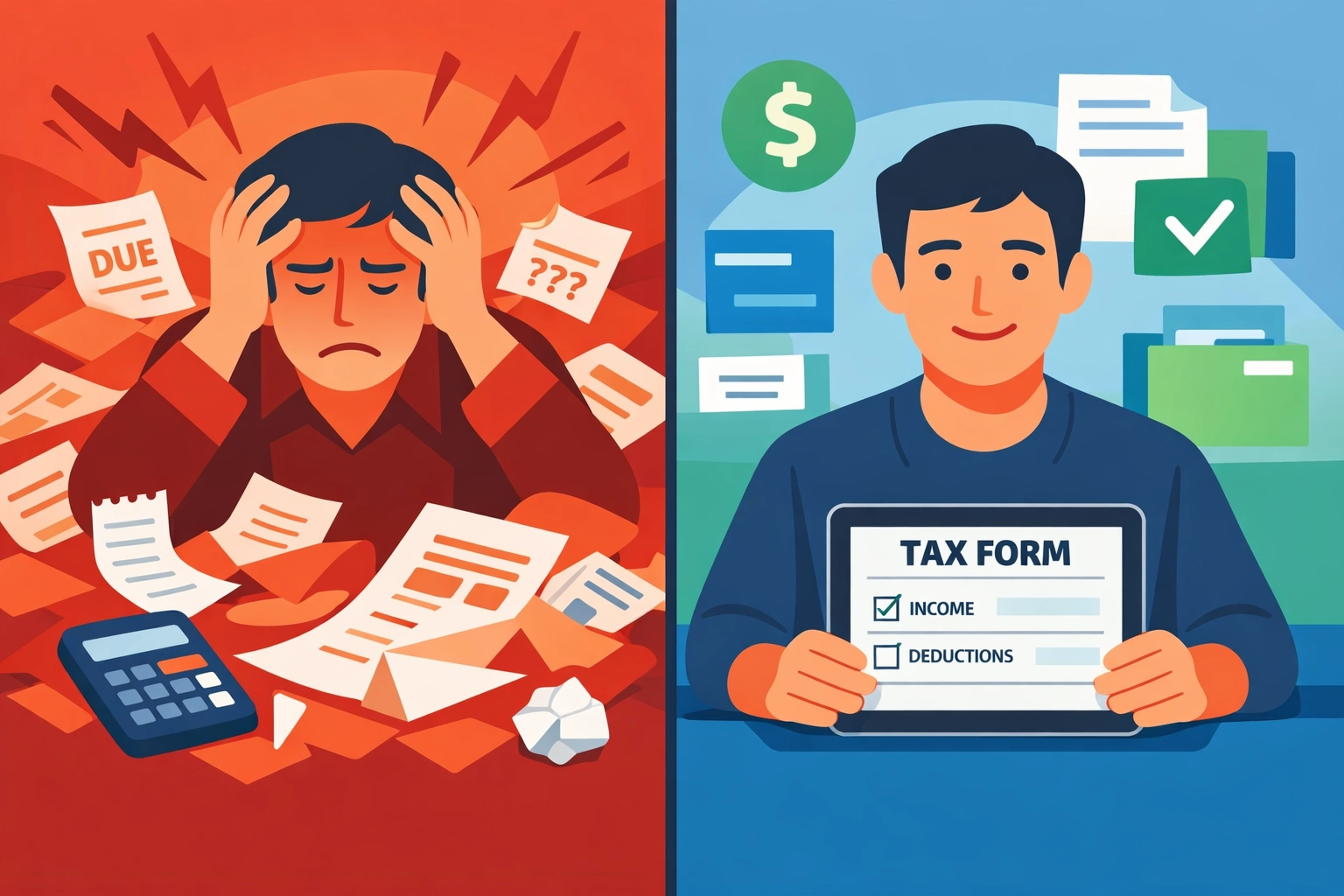
A concierge tax pro will prepare a pro forma tax return based on your previous year's filing and current year estimates. This baseline shows your projected tax liability, potential refund, and any underpayment penalties you might face.
Key actions in this step:
- Review your 2025 tax return line by line
- Identify any underpayment penalties from last year
- Project your 2026 income based on current earnings
- Calculate estimated tax liability using 2026 brackets
- Flag any major life changes (marriage, home purchase, new business)
The standard deduction for 2026 has increased to $32,200 for married couples filing jointly and $16,100 for single filers. Your tax pro should immediately determine whether itemizing or taking the standard deduction benefits you more.
Why this matters: Most taxpayers wait until January to think about taxes. By establishing your baseline in February or March, you have 10 months to implement strategies that actually reduce what you owe or increase what you get back.
Step 2: Optimize Retirement Contributions and Tax-Advantaged Accounts
Maximize contributions to tax-advantaged accounts early in the year, not in December when you're scrambling.
For 2026, contribution limits have increased:
- 401(k) plans: $24,500 ($32,500 if you're 50 or older)
- Traditional and Roth IRAs: $7,500 ($8,600 if you're 50 or older)
- Health Savings Accounts (family): $8,750
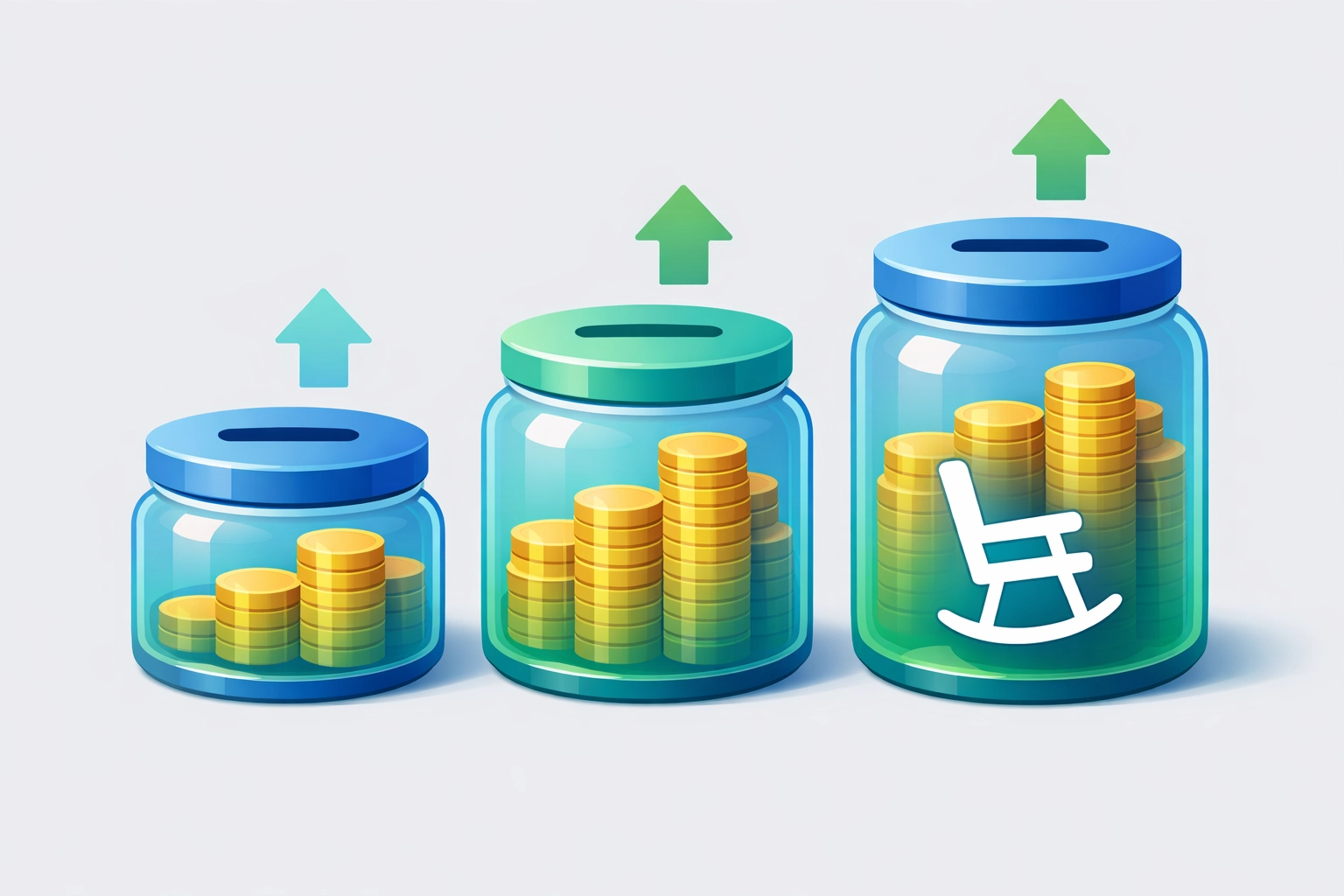
A concierge tax pro analyzes your cash flow and determines the optimal contribution strategy. Should you front-load contributions? Split between traditional and Roth? Prioritize HSA contributions for triple tax benefits?
Strategic considerations:
- Front-load 401(k) contributions to reduce taxable income immediately
- Contribute to traditional IRAs if you're in a high tax bracket now
- Use Roth accounts if you expect higher income in retirement
- Maximize HSA contributions for medical expenses (tax-free in and out)
- Consider catch-up contributions if you're 50 or older
Real example: A New Haven small business owner earning $180,000 annually can reduce taxable income by $24,500 through maximum 401(k) contributions alone. That's over $6,000 in tax savings at the 25% effective rate, money that stays in your pocket instead of going to the IRS.
Step 3: Implement Tax-Smart Investment Strategies
Capital gains planning separates average returns from maximized ones.
Your concierge tax pro should review your investment portfolio quarterly to identify opportunities for tax-loss harvesting and strategic gain realization.
Tax-loss harvesting: Sell underperforming investments to offset capital gains. These losses can reduce your tax bill dollar-for-dollar against gains, and up to $3,000 in excess losses can offset ordinary income.
0% capital gains rate: For 2026, households with taxable income below certain thresholds pay zero tax on long-term capital gains. A skilled tax pro identifies opportunities to realize gains and reset cost basis without triggering taxes.

Strategic actions:
- Harvest losses throughout the year (not just December)
- Rebalance portfolios in tax-advantaged accounts to avoid triggering gains
- Time the sale of appreciated assets based on your income fluctuations
- Consider qualified opportunity zone investments for gain deferral
- Review wash sale rules before repurchasing similar securities
Why concierge tax planning matters here: DIY software can't analyze your brokerage statements and recommend which specific lots to sell for maximum tax benefit. A tax pro can.
Step 4: Adjust Withholding and Estimated Payments Proactively
Avoid underpayment penalties by getting your withholding right, now, not in December.
If you've received raises, bonuses, RSU vesting, or started a side business, your withholding probably needs adjustment. A concierge tax pro reviews your W-4 and estimated tax payments quarterly to ensure you're paying enough (but not too much).
Critical checkpoints:
- Review withholding after any income change
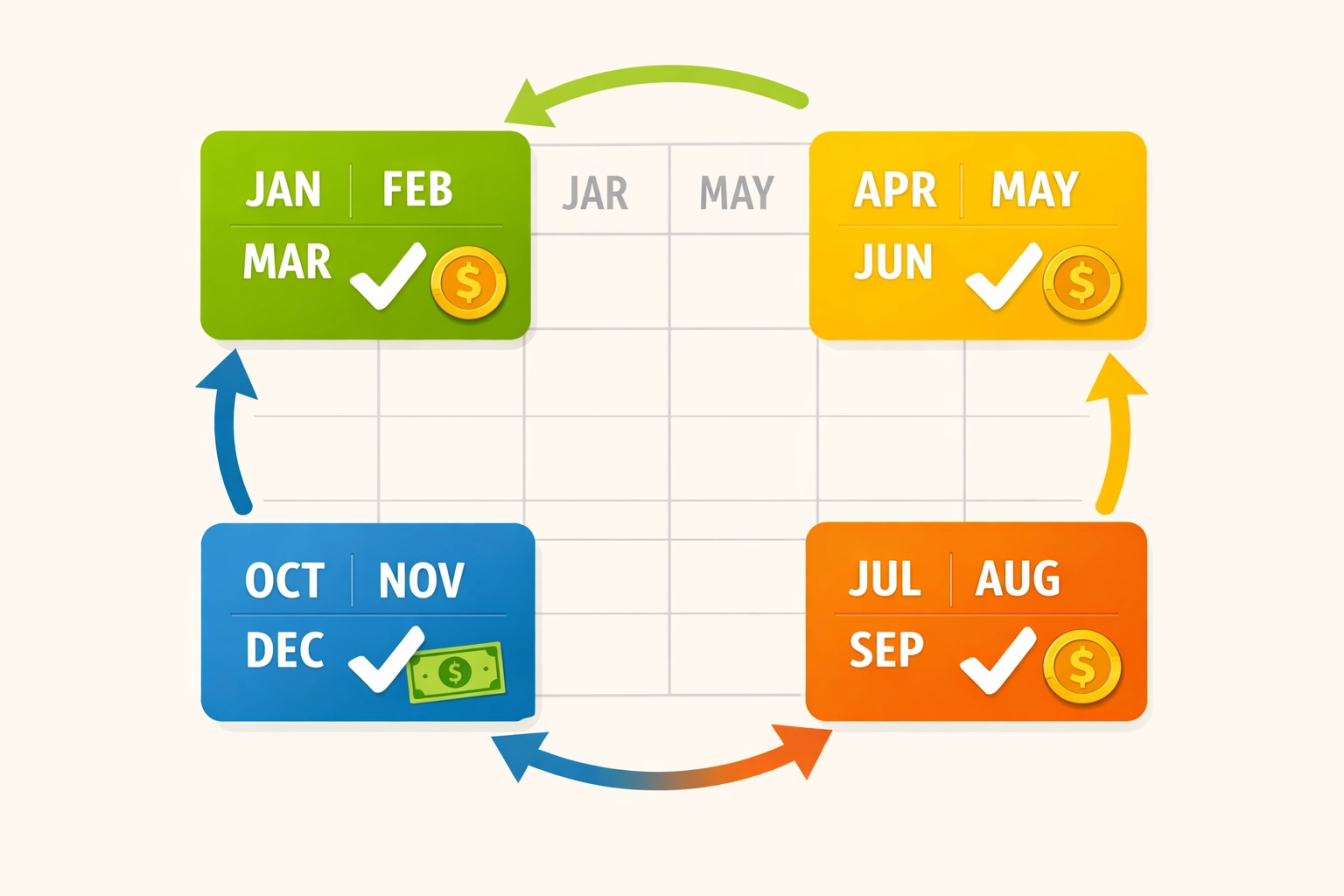
- Make estimated tax payments quarterly (April 15, June 15, Sept 15, Jan 15)
- Adjust W-4 if you've gotten married, divorced, or had children
- Increase withholding if you have significant investment income
- Calculate safe harbor amounts to avoid penalties (90% of current year or 100%/110% of prior year)
The penalty trap: If you underpay by more than $1,000 and don't meet safe harbor rules, you'll face penalties plus interest. A concierge tax pro prevents this by monitoring your payments throughout the year.
Step 5: Maximize Deductions and Credits Through Strategic Documentation
This is where concierge tax preparation truly shines, capturing every legitimate deduction you're entitled to claim.
Small business owners and self-employed individuals in New Haven often miss thousands in deductions simply because they don't track expenses properly or don't know what's deductible.
Common missed deductions:
- Home office deduction (even if you're employed)
- Vehicle mileage for business use
- Continuing education and professional development
- Health insurance premiums for self-employed
- Qualified Business Income (QBI) deduction (up to 20% of business income)
- Startup costs and business equipment
- Client meals and entertainment (50% deductible)
- Technology and software subscriptions
Strategic documentation practices:
- Maintain separate business and personal accounts
- Use expense tracking apps linked to your tax pro's system
- Save receipts for purchases over $75
- Document business purpose for meals, travel, and entertainment
- Track mileage with GPS apps, not estimates
- Maintain contemporaneous records (document expenses when they occur)
A virtual tax preparer working with basic information might miss these. A concierge tax pro actively asks about your activities and identifies deduction opportunities you didn't know existed.
The Concierge Advantage: Year-Round Planning vs. April Rush
Here's what separates concierge tax planning from traditional tax preparation:
Traditional tax prep: You show up in March with a box of documents. The preparer enters numbers, files your return, and you don't hear from them for another year.
Concierge tax planning: Your tax pro contacts you quarterly, reviews your financial situation proactively, sends reminders about estimated payments, suggests strategies before year-end, and remains available for questions year-round.
The result? You maximize your tax refund in 2026 not through magic, but through strategic planning implemented consistently over 12 months.
Take Action Now!
Tax planning works best when you start early. If you're in New Haven and looking for a tax preparer who goes beyond basic form filing, consider switching to concierge tax preparation.
Schedule a baseline consultation this month. Review your 2025 return together, project your 2026 situation, and implement the framework outlined above. The difference in your refund: or reduction in taxes owed: will more than cover the investment in professional guidance.
Don't wait until March to think about your taxes. The best time to maximize your 2026 return was January. The second best time is right now.
Ready to implement this framework? Visit Jose's Tax Service to schedule your baseline consultation and start maximizing your return today.

Leave a Reply
You must be logged in to post a comment.