
Tax Planning Update: What Changed This Week for Small Business Owners in New Haven
New Haven, CT : February 12, 2026 : Small business owners in New Haven need to stay informed about tax changes that directly impact their bottom line. This week brought new developments at both the state and federal levels that could affect your 2026 tax planning strategy and potential refunds.
Connecticut GOP Introduces Tax Relief Plan
On February 11, 2026, Connecticut GOP state senators announced a tax and electric bill relief plan as part of their election-year agenda. While full details are still emerging, small business owners should monitor this proposal closely as it moves through the legislative process.
The timing matters for your tax preparation. Understanding proposed state-level changes can help you make strategic decisions about deductions, credits, and business expenses before the filing deadline.
Action step: Contact your local representative to understand how this proposal might affect your business tax liability. Stay updated through official Connecticut General Assembly communications.

Federal Tax Changes You Can Use Right Now
The One Big Beautiful Bill Act (OBBBA), signed into law in July 2025, continues to reshape the tax landscape for small businesses. These changes apply retroactively to January 1, 2025, which means they affect your 2026 tax return due this year.
Section 179 Deduction Has Doubled!
The Section 179 expensing limit increased from $1.25 million to $2.5 million for qualified business equipment and property. The phase-out threshold also rose to $4 million.
What this means for you:
- Deduct the full cost of qualifying equipment purchases in the year you buy them
- Avoid spreading deductions over multiple years through depreciation
- Improve cash flow by reducing your current-year tax liability
- Plan major equipment purchases strategically before year-end
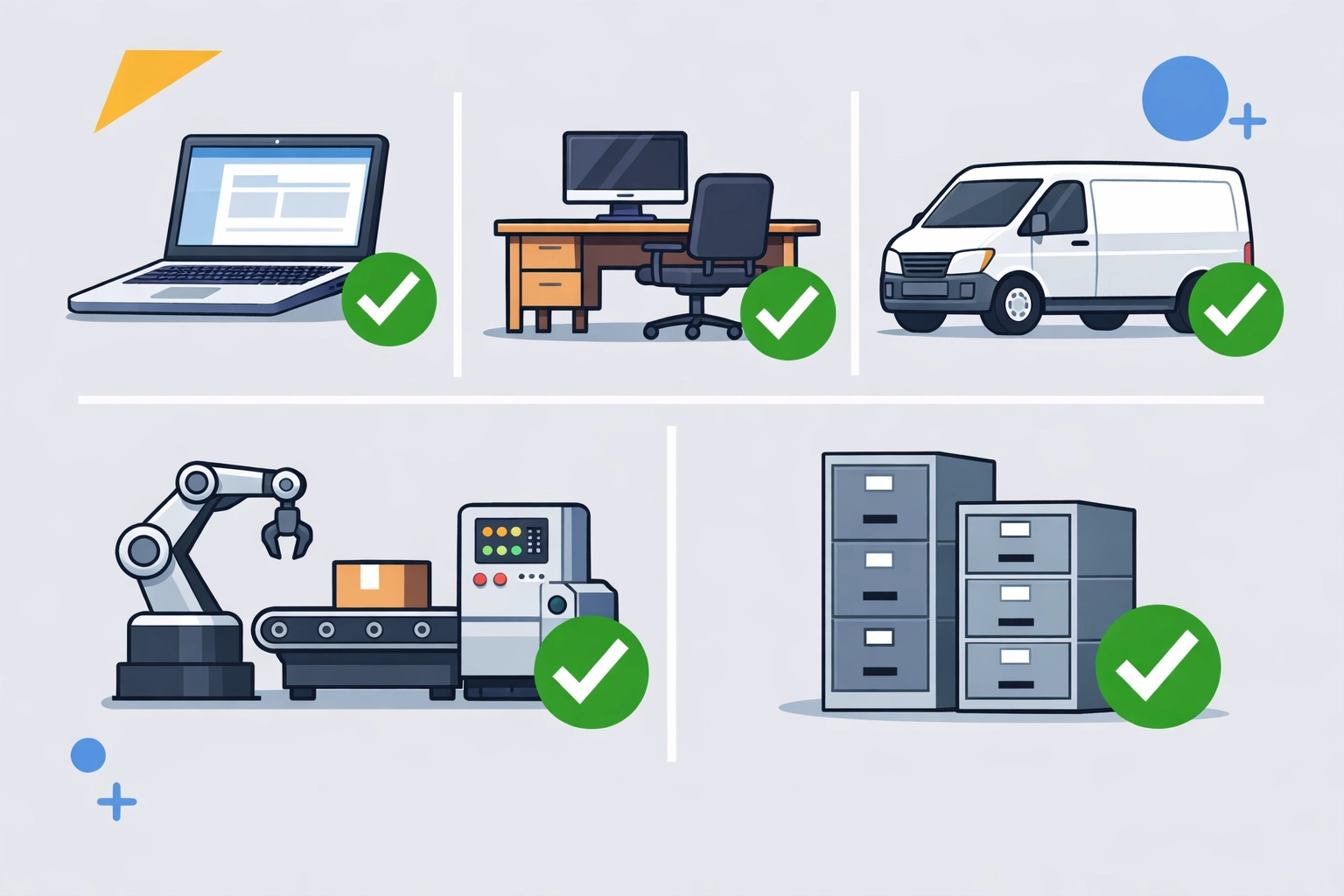
Qualifying property includes:
- Office furniture and fixtures
- Computers and software
- Machinery and equipment
- Vehicles used primarily for business (with limitations)
Important note: You must place the property in service during the tax year to claim the deduction. Document the date you start using each asset for business purposes.
100% Bonus Depreciation Is Back Permanently
Small businesses can now deduct 100% of the cost of new and used qualifying assets in the first year. This permanent restoration eliminates the phase-down schedule that caused planning headaches in previous years.
Key benefits:
- Applies to both new AND used property
- No phase-out means predictable tax planning for future years
- Works alongside Section 179 for maximum first-year deductions
- Reduces taxable income immediately rather than over time
Planning tip: Compare Section 179 and bonus depreciation for each asset purchase. Section 179 has income limitations, while bonus depreciation does not. Use Section 179 first, then apply bonus depreciation to remaining purchases.
Research & Development Expensing Restored
The OBBBA reinstated immediate expensing for research and development (R&D) costs. Previously, businesses had to amortize these expenses over five years starting in 2022.
This change is retroactive, allowing eligible small businesses with under $31 million in annual receipts to amend returns for tax years 2022, 2023, and 2024.
Action steps for New Haven businesses:
- Review your 2022-2024 returns for R&D expenses that were amortized
- Calculate potential refunds from amended returns
- File Form 1040-X (individuals) or Form 1120-X (corporations) to claim refunds
- Consult with a tax professional to maximize your amended return benefits
- Apply immediate expensing to all 2025 and 2026 R&D costs
Qualifying R&D activities include:
- Developing new products or processes
- Improving existing products or formulations
- Creating new software or technology solutions
- Conducting experiments to eliminate uncertainty
The retroactive provision can generate substantial refunds for businesses that invested heavily in innovation during the amortization period.
Qualified Business Income Deduction Made Permanent
The QBI deduction, also known as the Section 199A deduction, is now permanent with enhanced benefits. Pass-through entities (sole proprietorships, partnerships, S corporations, and some LLCs) can deduct up to 20% of qualified business income.
Enhanced features for 2026:
- Income thresholds increased to $75,000 (single filers) and $150,000 (joint filers)
- Minimum $400 deduction for gig workers and independent contractors
- Predictable planning since the deduction won't expire
- Simplified calculations for businesses below threshold amounts
Calculation method:
- Determine your qualified business income (QBI)
- Multiply QBI by 20%
- Compare to taxable income limitations
- Take the lesser amount as your deduction
Phase-out applies for specified service trades or businesses (SSTBs) above income thresholds. SSTBs include health, law, accounting, consulting, and financial services.

Employer Childcare Credit Tripled
Businesses providing childcare benefits to employees can now claim a credit worth $500,000 annually, up from $150,000. Qualifying small businesses may claim up to $600,000.
Qualifying expenditures:
- Operating costs for on-site childcare facilities
- Contracts with childcare providers for employee benefit
- Resource and referral services for employee childcare needs
Requirements:
- Childcare facility must meet state licensing standards
- Services must be available to all employees
- Non-discrimination rules apply
- Detailed recordkeeping required for all expenses
This credit can offset federal income tax liability and provides a competitive advantage for businesses recruiting and retaining talent in the New Haven market.
Local Tax Deadline You May Have Missed
New Haven property tax second installments were due February 2, 2026, and became delinquent as of February 3, 2026. If you own commercial property or operate from an owned location, verify your payment status immediately.
Late payment consequences:
- Interest charges accrue from the delinquency date
- Additional penalties may apply
- Liens can be filed against your property
- Future financing may be affected by tax delinquencies
Action required: Contact the New Haven Tax Collector's Office at (203) 946-8400 if you missed this deadline. Arrange payment to minimize penalties and interest charges.

Strategic Tax Planning for Remaining 2026
These changes create significant opportunities for New Haven small businesses to reduce tax liability and improve cash flow. Use the following strategies to maximize your benefits:
Before March 31, 2026:
- Review equipment needs : Calculate potential Section 179 and bonus depreciation deductions for planned purchases
- Analyze amended return opportunities : Determine if R&D expense amendments could generate refunds
- Assess QBI eligibility : Verify your business structure qualifies for the enhanced deduction
- Document childcare benefits : Track all qualifying childcare expenditures for the credit
Before June 30, 2026:
- Project year-end income : Estimate QBI and taxable income to plan major expenses
- Schedule equipment purchases : Time acquisitions to maximize current-year deductions
- Evaluate business structure : Consider entity changes to optimize pass-through benefits
- Review employee benefits : Assess whether childcare benefits could reduce net tax costs
Before December 31, 2026:
- Finalize equipment purchases : Place all qualifying property in service before year-end
- Accelerate deductible expenses : Pay deductible costs before January 1, 2027
- Defer income where possible : Delay billing or collections to manage QBI thresholds
- Document everything : Maintain detailed records of all business expenses and asset purchases
Get Expert Help with Tax Preparation in New Haven
Tax law changes require professional interpretation to maximize benefits while maintaining compliance. Working with experienced tax professionals ensures you capture every available deduction and credit.
Jose's Tax Service specializes in:
- Small business tax preparation and planning
- Amended return filing for retroactive benefits
- Entity structure optimization
- Quarterly estimated tax calculations
- Year-round tax strategy consulting
Don't leave money on the table. These federal changes represent the most significant small business tax benefits in years, but they require proper documentation and strategic implementation.
Schedule your tax planning consultation today to develop a customized strategy for your New Haven business. Early planning prevents missed opportunities and ensures compliance with complex regulations.
Contact Jose's Tax Service to discuss how these changes specifically affect your business and what actions you should take before the next deadline.

Leave a Reply
You must be logged in to post a comment.