
Tax Planning Matters: How to Maximize Your Tax Refund Before the April 15 Panic
NEW HAVEN, CT – JOSE’S TAX SERVICE – March 9, 2026
Listen, I get it. We are officially in the "March Meltdown" zone. It’s that period where the initial New Year motivation has faded, the snow might finally be melting in New Haven, and suddenly, the April 15 deadline is looming like a final exam you didn't study for. Most people view tax season as a period of inevitable suffering, but I'm here to tell you that the "April 15 Panic" is entirely optional.
If you want to maximize your tax refund, you have to stop thinking about your taxes as a once-a-year math problem and start viewing them as a year-round strategy. We are currently in the prime "tax planning" window. You still have time to pull some levers, move some numbers, and ensure that Uncle Sam doesn't keep a penny more than he’s legally entitled to.
Here is the 2026 blueprint for keeping your cool and boosting your bottom line.
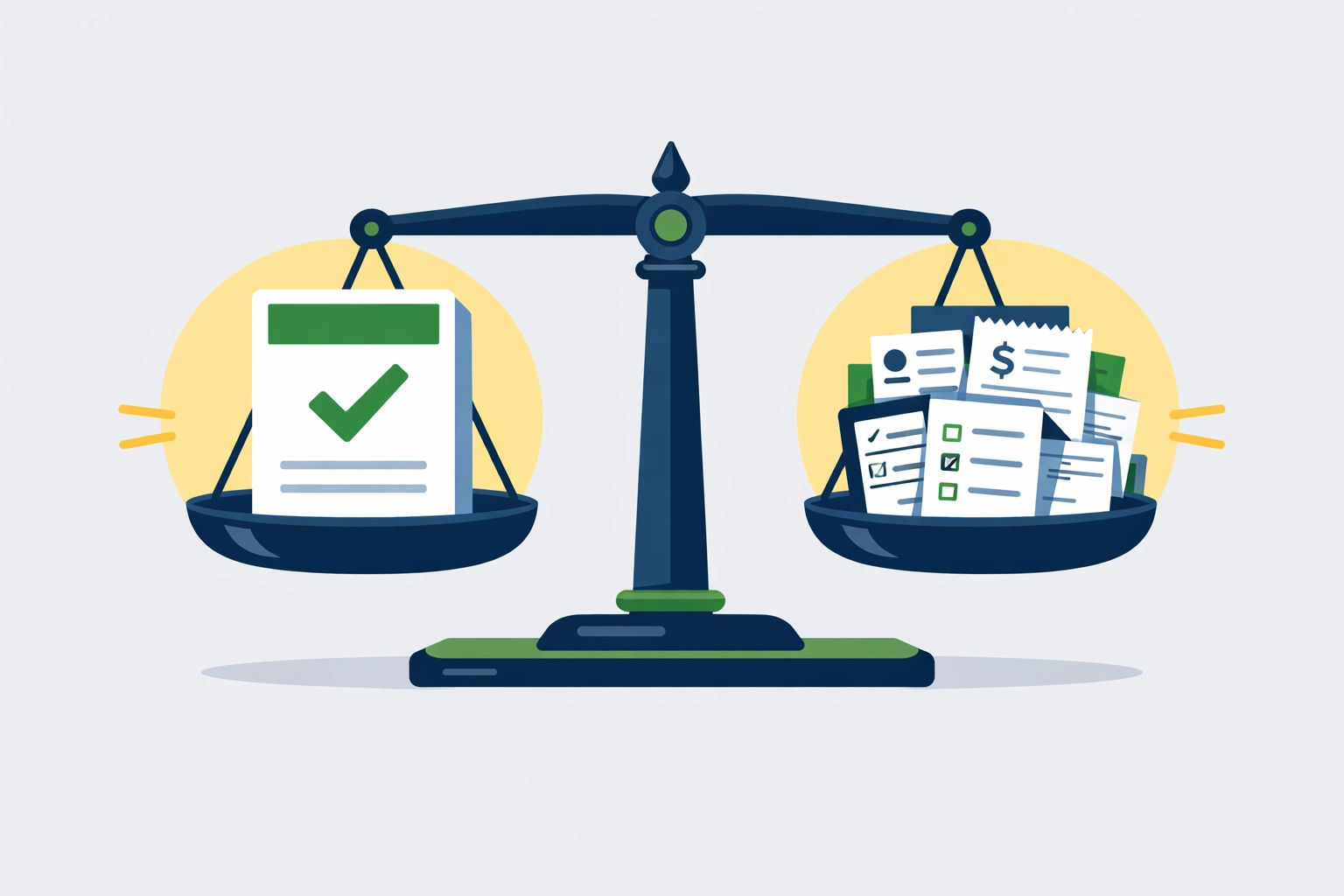
Choose Your Fighter: Standard Deduction vs. Itemizing!
The first rule of tax planning is knowing which path leads to the biggest gold pile. For the 2026 tax year, the standard deduction has seen significant adjustments to keep pace with inflation. For many, taking the standard deduction is the path of least resistance and maximum gain. However, if your life involves a mortgage, high medical bills, or significant charitable giving, you might be leaving money on the table by not itemizing.
In 2026, we are seeing a unique shift. The State and Local Tax (SALT) deduction cap, which has been a thorn in the side of Connecticut taxpayers for years, has been adjusted to $40,000 for inflation. If you own a home in New Haven or the surrounding areas, this is huge news.
Actionable Steps:
- Analyze your SALT totals: Combine your property taxes and state income taxes. If they exceed the previous limits but fall under the new $40,000 cap, itemizing might suddenly be your best friend.
- Model both scenarios: Do not guess. Use professional software or visit a tax preparation New Haven expert to run the numbers for both itemized and standard deductions.
- Review the 2026 standard deduction changes to see where you stand before making a final call.
Fund Your Future to Lower Your Tax Bill Today!
The single most effective way to maximize your tax refund right now is to contribute to tax-advantaged accounts. Think of it as paying yourself instead of the IRS. On average, for every $25 you reduce in taxable income, you lower your actual tax bill by about $5. If you drop $5,000 into a traditional IRA, that’s an extra $1,000 in your pocket (depending on your bracket).
The Deadline Warning:
You have until April 15, 2026, to make contributions to a Traditional IRA or a Health Savings Account (HSA) and have them count toward your 2025 tax return.
Prioritize these accounts:
- Traditional IRA: If you aren't covered by a retirement plan at work, or if your income falls below certain thresholds, this is a dollar-for-dollar reduction in your taxable income.
- Health Savings Account (HSA): If you have a high-deductible health plan, the HSA is the "triple tax threat." Contributions are tax-deductible, growth is tax-free, and withdrawals for medical expenses are tax-free.
- 401(k) Contributions: While the deadline for 2025 contributions has passed (it was Dec 31), increasing your 2026 contributions now is part of the "tax update" mindset that will save you next year.
For more deep-dive strategies, check out our 5 steps to maximize your tax refund.
Claim Every Credit with Surgical Precision!
Deductions lower the income you are taxed on, but credits are the real MVP because they reduce your tax bill dollar-for-dollar. Missing a credit is like finding a hundred-dollar bill on the sidewalk and deciding not to pick it up.
The 2026 Tax Update Checklist:
- Child Tax Credit (CTC): The rules have shifted again for 2026. Ensure you are meeting the residency and support requirements to claim the full amount.
- Saver’s Credit: If you are a low-to-moderate-income earner and you’re putting money into retirement, the IRS might actually give you a credit for it. It’s a double win.
- Connecticut Earned Income Tax Credit (CT EITC): For my fellow Nutmeggers, the state EITC remains a powerful tool for families. Make sure you are aware of the 5 things New Haven families should know about the 2026 CT EITC.
Get Your Digital House in Order!
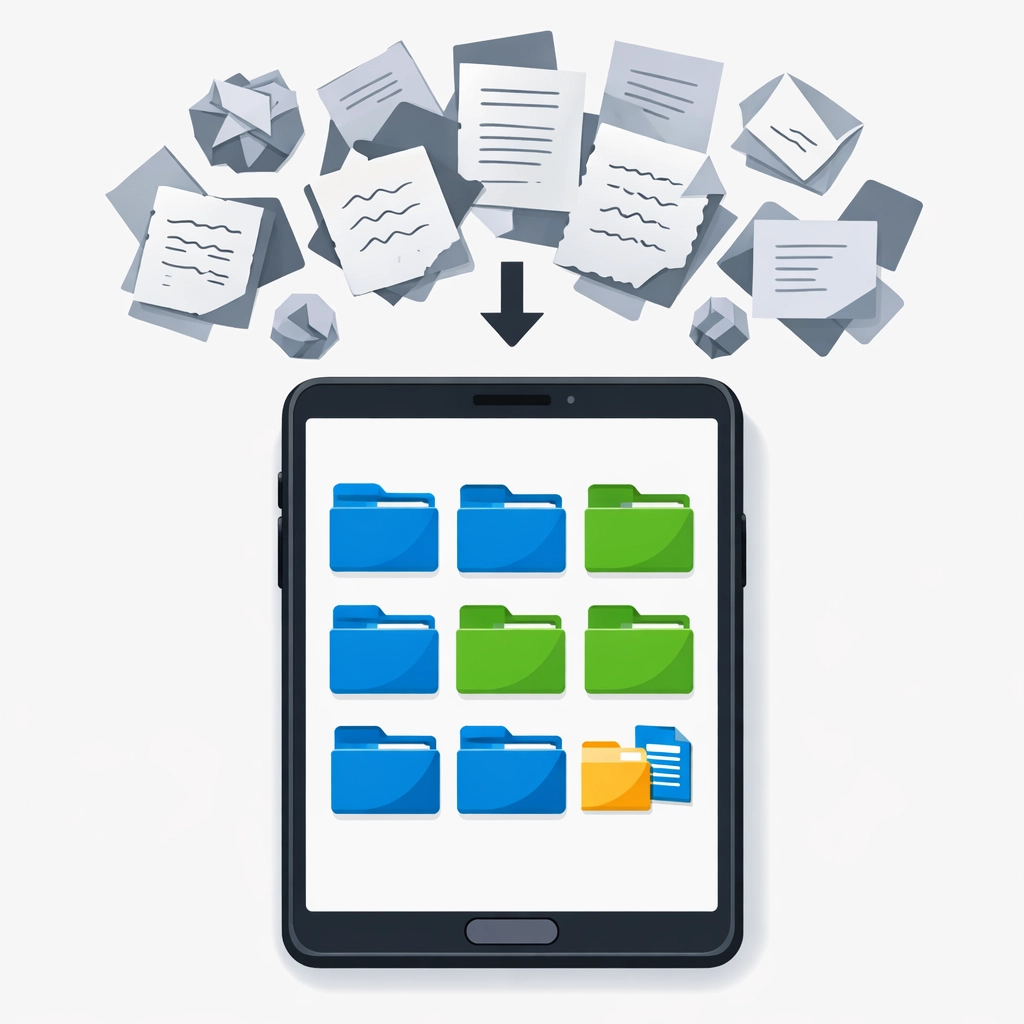
Disorganization is the #1 reason people lose money on their taxes. If you are showing up to your appointment with a shoebox full of crumpled receipts, you are going to miss things.
The "No-Panic" Organization Strategy:
- Form Collection: Gather every W-2, 1099-NEC (for my freelancers), 1099-INT (interest), and 1099-DIV (dividends).
- Digital Backups: Scan your receipts for charitable donations and educator expenses. The IRS accepts digital records, and they are much harder to lose than a slip of thermal paper.
- Check for "Ghost" Income: Did you sell stocks? Did you move crypto? Did you get paid via Venmo for a side gig? Use our guide on 7 mistakes you're making with your 2026 return to avoid a nasty letter from the IRS later.
Why New Haven Taxpayers Choose Local Expertise!
You could use a big-box software that treats you like a serial number, or you could work with a tax preparation New Haven professional who knows the local landscape. Tax planning isn't just about the federal level; it’s about understanding how state credits and local property taxes interact with your federal return.
At Jose's Tax Service, we don't just "input data." We look for the story your money is telling. Are you an educator? There's a deduction for that. Did you install energy-efficient windows in your Westville home? There's a credit for that.
The Golden Rule: File Early, Even if You Owe!
A common mistake is thinking that if you owe money, you should wait until April 15 to file. Wrong.
Filing early does not mean you have to pay early. You can file today and schedule your payment for April 15. Filing early gives you more time to find the funds if you owe, and it gets your refund into your bank account weeks sooner if you are due one.
If you absolutely cannot finish by the deadline, you must file Form 4868 by April 15. This gives you a six-month extension to file, but it is not an extension to pay. Any taxes owed must still be paid by the deadline to avoid interest and penalties.

Final Checklist for the 2026 Season:
- Review your income documents against your bank statements.
- Contribute to your IRA or HSA before the April 15 cutoff.
- Verify your filing status (Head of Household vs. Single can make a massive difference).
- Consult the ultimate guide to 2026 tax updates.
- Schedule your appointment at Jose's Tax Service to beat the rush.
Don't let the "April 15 Panic" dictate your financial health. A little bit of tax planning today means a much bigger maximize tax refund tomorrow. We are here to help you navigate the complexities of the 2026 tax landscape with ease and maybe a little bit of humor.
Contact Jose's Tax Service today at josestaxservice.com and let’s get your refund where it belongs: in your pocket.
Disclaimer: This blog post provides general information and should not be construed as specific tax or legal advice. For personalized guidance, please consult with a qualified tax professional.

Leave a Reply
You must be logged in to post a comment.