
Tax Planning 101: A Beginner’s Guide to Mastering Your 2026 Return
Tax planning doesn't have to feel overwhelming. Whether you're filing for the first time or looking to maximize your tax refund this year, understanding the fundamentals can save you money and stress. Here's your straightforward guide to mastering tax planning for your 2026 return.
Understanding How Tax Brackets Actually Work!
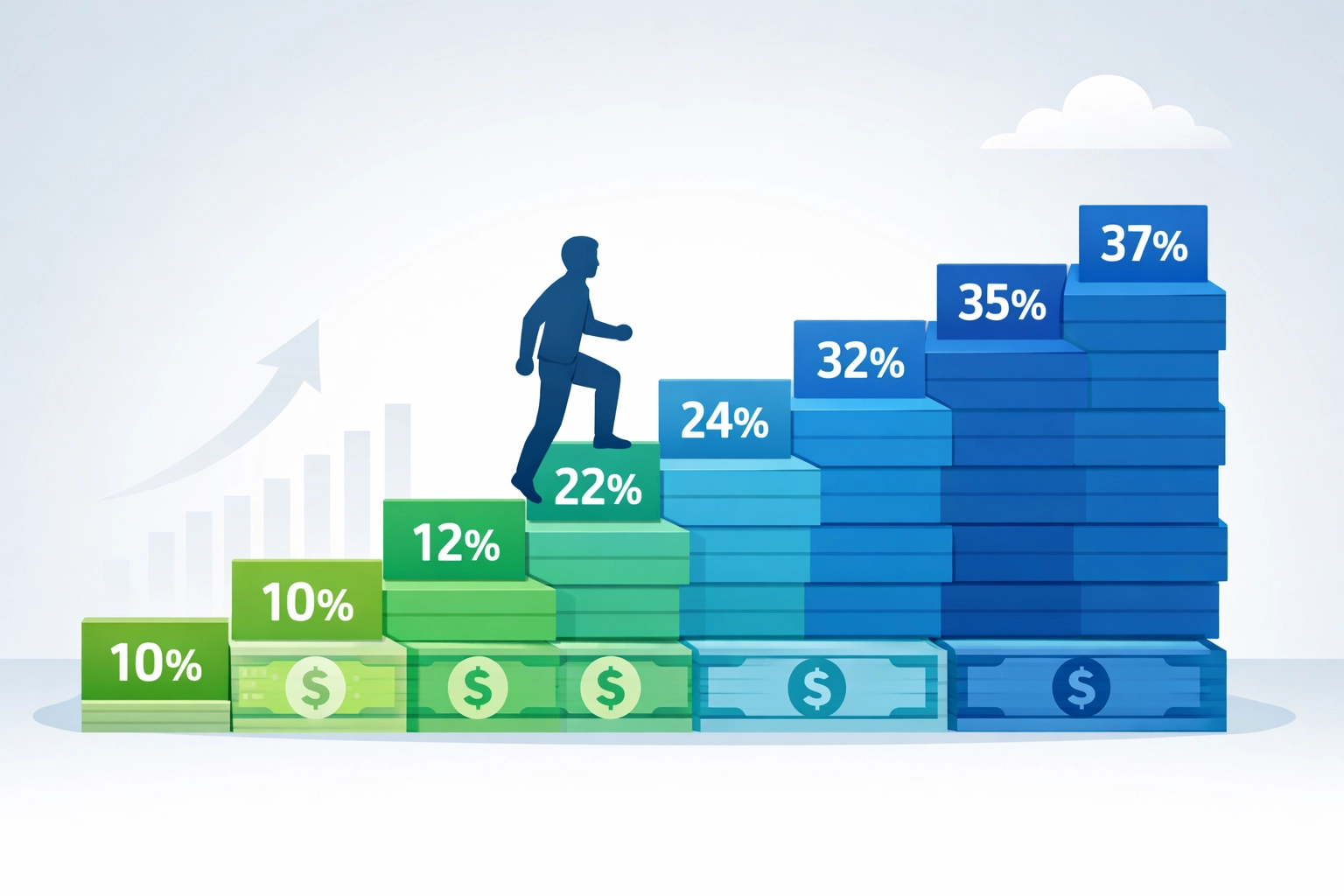
The U.S. federal tax system uses seven progressive tax brackets: 10%, 12%, 22%, 24%, 32%, 35%, and 37%. Here's what many people get wrong: you don't pay one flat rate on all your income.
Here's how it actually works: A single filer earning $50,000 in taxable income pays 10% only on the first $11,925, then 12% on the next portion, and 22% only on the remainder. This progressive structure means your effective tax rate is always lower than your highest bracket.
Understanding which bracket you fall into helps you make smarter financial decisions throughout the year. If you're close to a bracket threshold, timing certain income or deductions can make a significant difference.
Know Your 2026 Standard Deduction Amounts
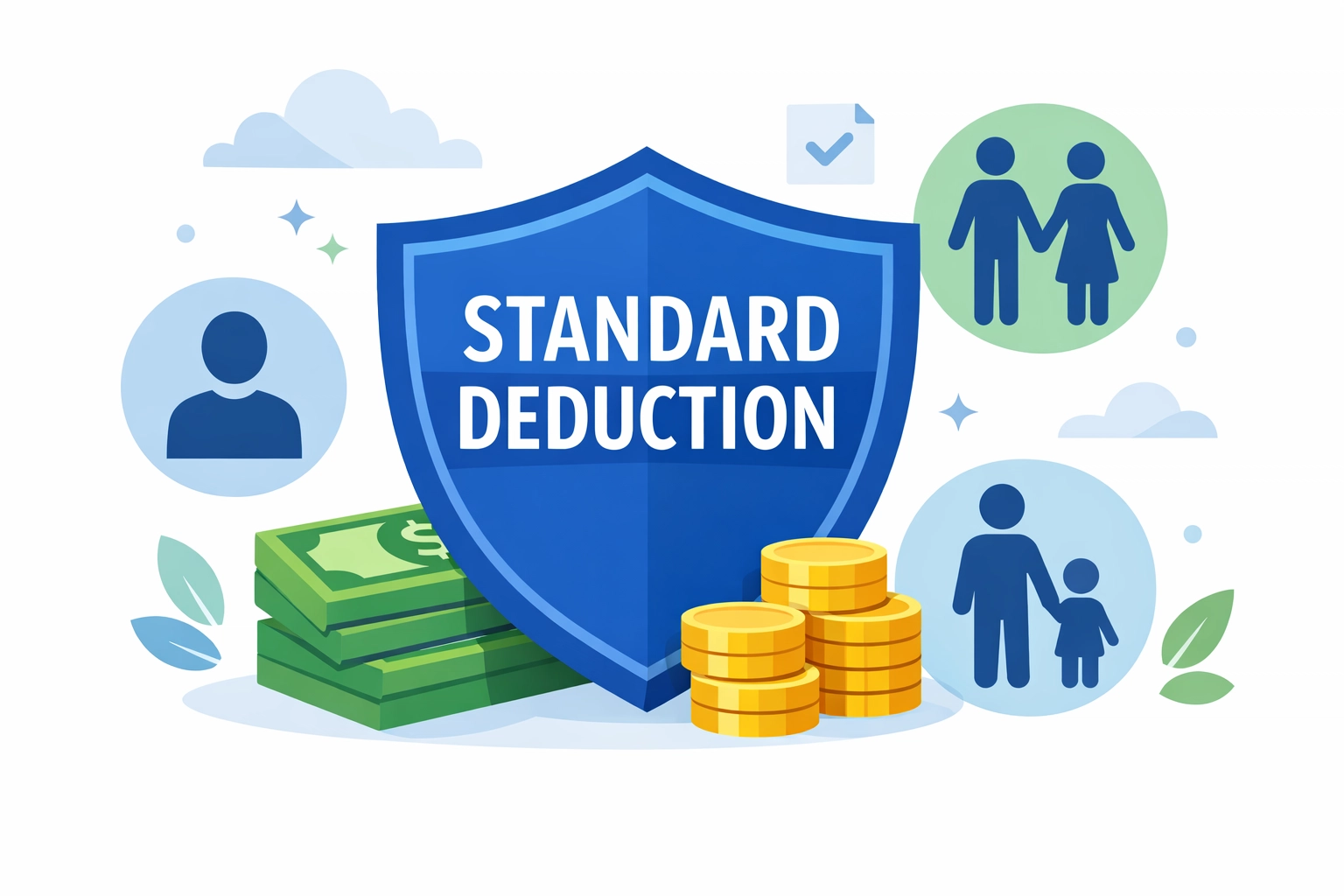
The standard deduction is the amount of income automatically exempt from tax. For 2026, these amounts have increased:
- Single filers: $16,100
- Married filing jointly: $32,200
- Head of household: $24,150
- Married filing separately: $16,100
This deduction directly reduces your taxable income before your tax rate is applied. For most taxpayers, especially those without significant itemizable expenses, claiming the standard deduction is the simplest and most beneficial option.
Calculate your taxable income by subtracting your standard deduction from your total income. This number determines which tax brackets apply to you.
Deductions vs. Credits: Know the Difference!
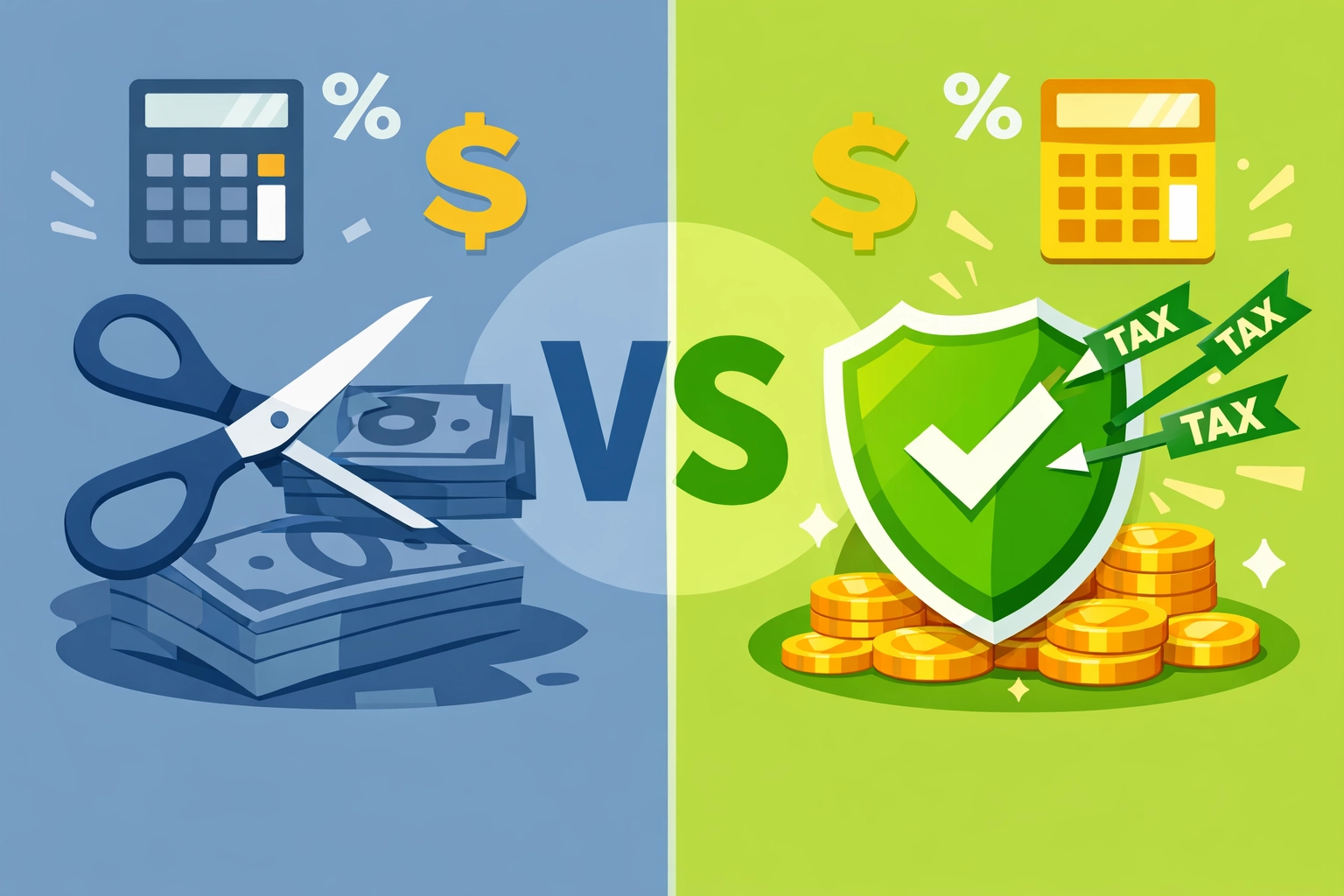
Tax deductions reduce your taxable income. If you're in the 22% tax bracket and claim a $1,000 deduction, you save $220 in taxes.
Tax credits directly reduce your tax bill dollar-for-dollar. A $1,000 credit saves you the full $1,000, making credits generally more valuable.
Common Tax Credits for 2026:
- Child Tax Credit
- Earned Income Tax Credit (EITC)
- Electric Vehicle Tax Credit
- Lifetime Learning Credit for education expenses
- Residential Energy Credits for home improvements
Review which credits you qualify for each year. Life changes like having a child, pursuing education, or purchasing an electric vehicle can open new credit opportunities.
Maximize Tax-Advantaged Retirement Savings
One of the most powerful tax planning strategies involves contributing to retirement accounts. These contributions reduce your current taxable income while building your financial future.
401(k) Contribution Limits for 2026:
- Standard limit: $24,500 per year
- Age 50 or older: $32,500 per year
- Ages 60-63: $35,750 per year
These contributions come directly from your paycheck before taxes are calculated. If you earn $60,000 and contribute $10,000 to your 401(k), you're only taxed on $50,000.
Action step: If your employer matches contributions, contribute at least enough to capture the full match. This is free money that also reduces your tax liability.
Flexible Spending Accounts (FSA)
For 2026, you can contribute up to $3,400 in pre-tax dollars to an FSA for qualified healthcare and dependent care expenses. This money is deducted before payroll taxes, reducing both your income tax and FICA taxes.
Plan your FSA contributions carefully. Estimate your predictable medical expenses, prescription costs, and dependent care needs for the year.
Home Office Deductions: Who Qualifies?
If you work from home, you may qualify for home office deductions. You can deduct a portion of:
- Mortgage interest or rent
- Property taxes
- Utilities (electricity, water, internet)
- Repairs and maintenance
- Homeowners insurance
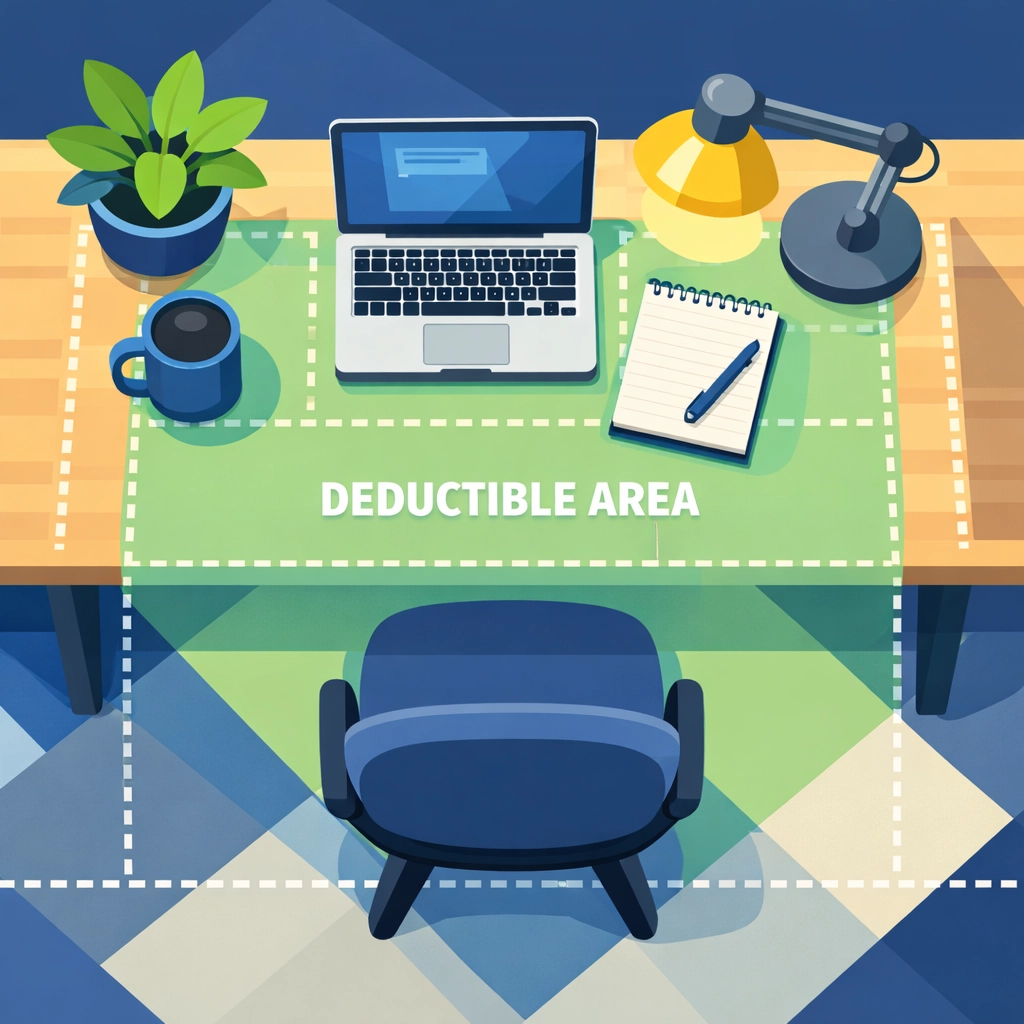
Requirements: The space must be used regularly and exclusively for business purposes. This applies to self-employed individuals and, in some cases, remote employees.
For New Haven residents, property taxes can be substantial. If you qualify for the home office deduction, a portion of these property taxes becomes deductible, providing significant tax savings.
Calculate your deduction using either the simplified method ($5 per square foot up to 300 square feet) or the regular method (actual expenses proportionate to the space used).
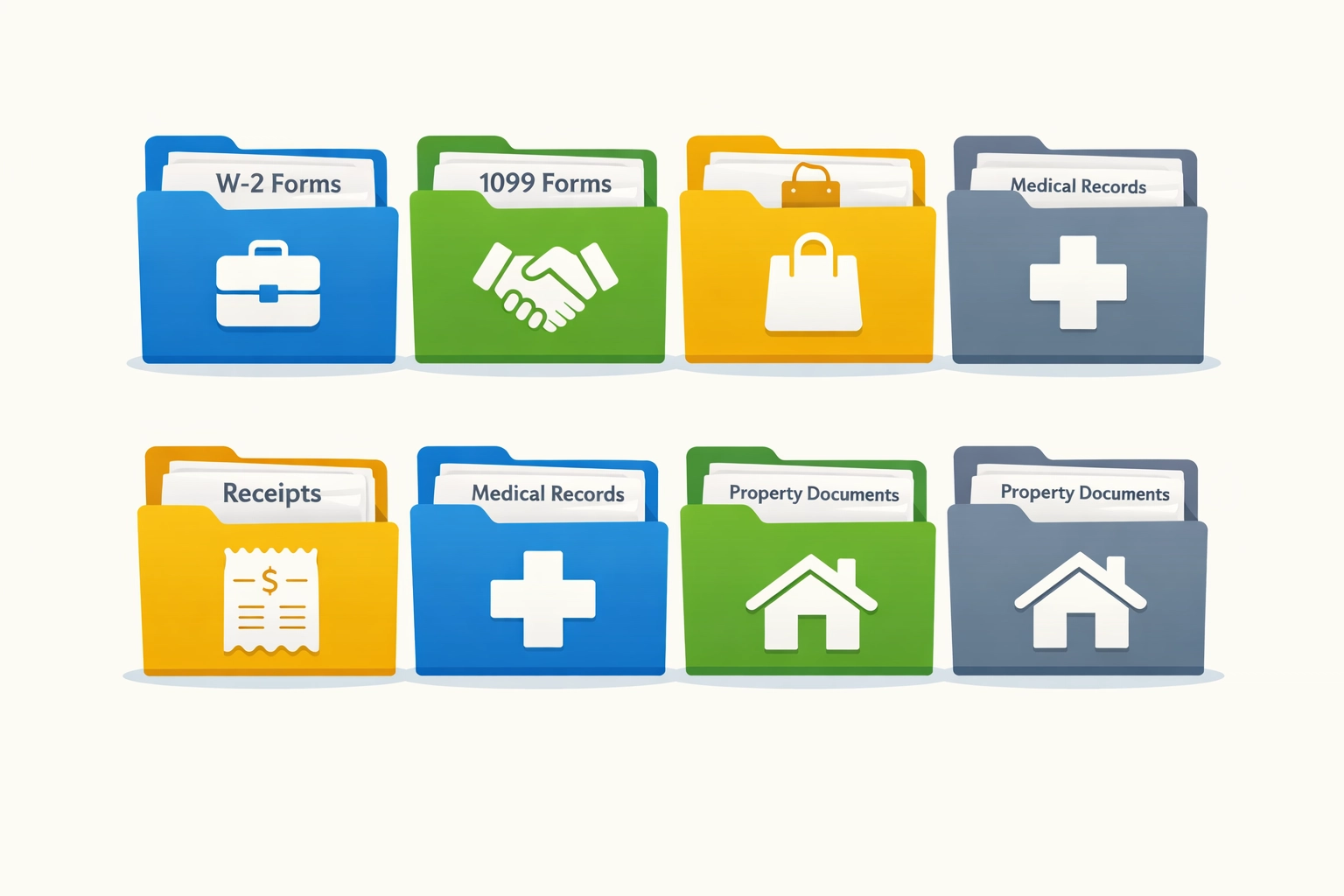
Get Organized Now: Documentation That Matters
Tax preparation in New Haven or anywhere else requires proper documentation. Start organizing these records immediately:
Income Documentation:
- W-2 forms from all employers
- 1099 forms for freelance, contract, or gig work
- Investment income statements (1099-DIV, 1099-INT)
- Rental income records
- Business income documentation
Deduction and Credit Records:
- Charitable contribution receipts
- Medical expense statements
- Mortgage interest statements (Form 1098)
- Property tax assessments
- Student loan interest statements
- Childcare provider information and receipts
- Education expenses and Form 1098-T
Missing documentation causes filing delays and can cost you money in lost deductions. Create a dedicated folder: physical or digital: for tax documents as you receive them throughout the year.
Review Last Year's Return as a Planning Tool
Your 2025 tax return provides valuable insights for 2026 tax planning. Pull out last year's return and identify:
- Which deductions you claimed
- Which credits you qualified for
- Whether you owed taxes or received a refund
- Any estimated tax payments you made
- Carryforward items (capital losses, charitable contributions)
This review helps you anticipate what documentation you'll need again and identifies opportunities for improvement. If you received a large refund, you may be over-withholding. If you owed taxes, you should adjust your withholding or make estimated payments.
Adjust Your Withholding or Estimated Payments
Major life changes require withholding adjustments:
- Getting married or divorced
- Having a child
- Starting a side business
- Changing jobs or income levels
- Purchasing a home
Single filers and employees: Submit a new Form W-4 to your employer to adjust withholding.
Self-employed and business owners: Calculate and pay quarterly estimated taxes to avoid underpayment penalties. Deadlines for 2026 estimated taxes are April 15, June 15, September 15, and January 15, 2027.
Target a small refund or small amount owed. A large refund means you've given the government an interest-free loan. Owing significantly can trigger penalties.
Estate and Gift Tax Planning Update for 2026
Beginning in 2026, the federal estate and gift tax exemption rises to $15 million per individual ($30 million for married couples filing jointly), without the previous sunset provision. This provides long-term planning certainty.
While most individuals won't approach this threshold, understanding these limits is important for comprehensive tax planning, especially if you're considering large gifts to family members or charitable organizations.
When to Consult a Tax Professional
DIY tax preparation works for straightforward situations, but consider professional help if you:
- Started a business or began self-employment
- Have rental properties
- Experienced significant investment gains or losses
- Received an inheritance
- Have complex deductions or multiple income sources
- Live in one state and work in another
- Received notices from the IRS
At Jose's Tax Service, we help New Haven residents and small business owners navigate complex tax situations and maximize their refunds through strategic tax planning. A tax professional can prepare a pro forma tax return mid-year to assess your current situation and recommend adjustments.
Take Action Before Year-End
Tax planning isn't just for tax season. The best strategies involve year-round attention:
- March through December: Track deductible expenses, make retirement contributions, and adjust withholding as needed
- October through December: Review year-to-date income and plan end-of-year moves like charitable contributions or retirement contributions
- January through April: Gather documentation, file your return, and begin planning for the next year
Start with one action today. Review your paycheck to understand your current withholding. Check your retirement account contributions. Create a folder for 2026 tax documents. Small steps now create significant benefits at tax time.
Tax planning empowers you to keep more of what you earn. Understanding these fundamentals gives you control over your financial future and helps you maximize your tax refund year after year.
Need help with tax preparation in New Haven? Visit Jose's Tax Service for personalized assistance with your 2026 tax planning strategy.

Leave a Reply
You must be logged in to post a comment.