
Stop Wasting Time on DIY Tax Prep: 7 Quick Hacks Your New Haven Tax Pro Uses to Maximize Your Refund
Let's be honest: DIY tax software makes big promises about maximizing your refund. But here's what they don't tell you: those programs only know what you tell them. A professional tax preparer in New Haven? They know what questions to ask that you didn't even know existed.
After preparing thousands of returns, we've seen the same pattern: smart people leave money on the table because they're missing deductions, credits, and strategies that tax pros use every single day. Here are seven quick hacks that separate a mediocre refund from a maximized one.
Hack #1: The "Above-the-Line" Deduction Hunt!
Most taxpayers focus exclusively on itemized deductions. Professional tax preparers start somewhere else entirely: above-the-line deductions that reduce your Adjusted Gross Income (AGI) before you even decide between standard or itemized deductions.
What tax pros check first:
- Health Savings Account (HSA) contributions you made outside payroll
- Self-employed health insurance premiums
- Student loan interest (even if your parents paid it)
- Educator expenses if you're a teacher ($300 for 2026)
- Self-employment tax deduction (50% of what you paid)
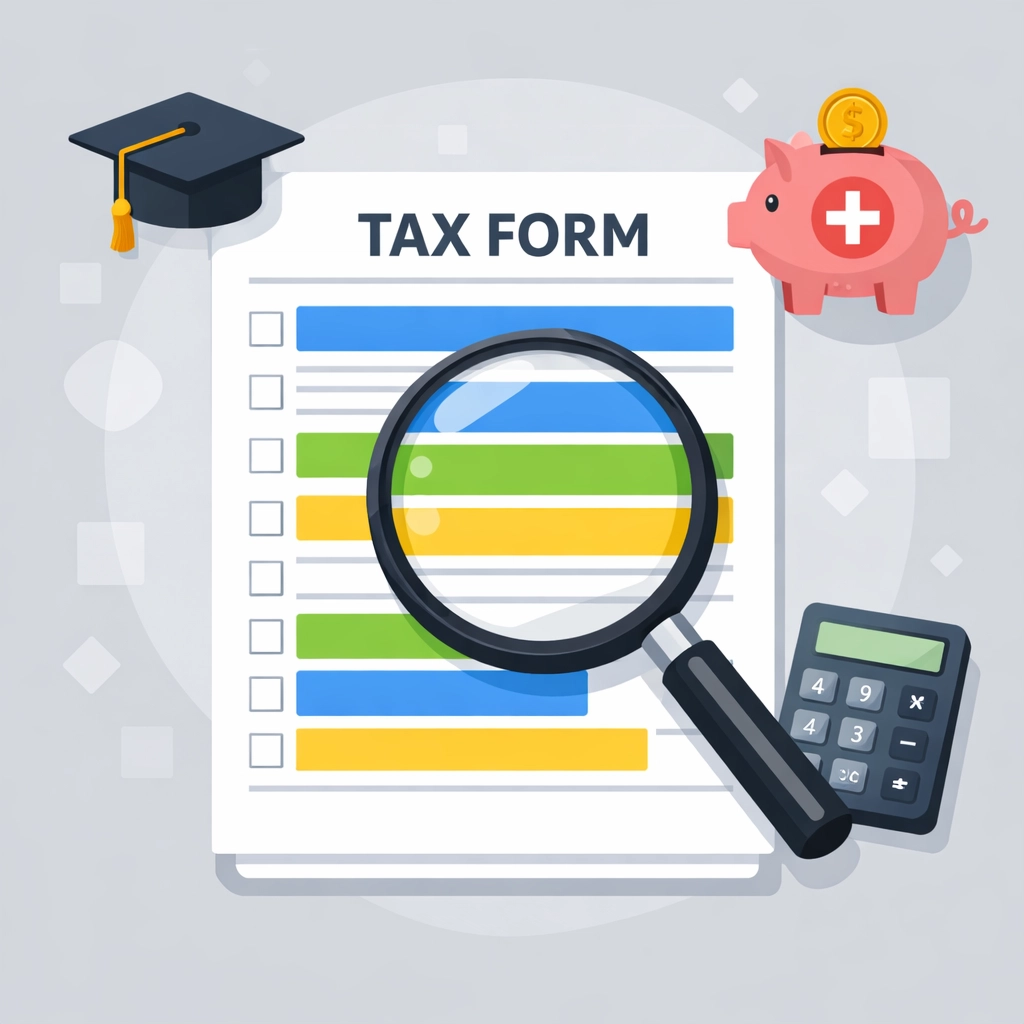
Why this matters: Lowering your AGI can qualify you for credits and deductions you'd otherwise miss. A New Haven teacher who spent $500 on classroom supplies can deduct $300 above-the-line, then potentially itemize the remaining $200 if they're close to the standard deduction threshold.
Action step: Before entering any itemized deductions, review every above-the-line option on Schedule 1. These reduce your taxable income dollar-for-dollar and require no itemization decision.
Hack #2: Strategic Timing for Connecticut State Tax Payments!
Here's a hack specific to Connecticut filers that DIY software often misses: timing your estimated state tax payments to maximize your federal itemized deduction.
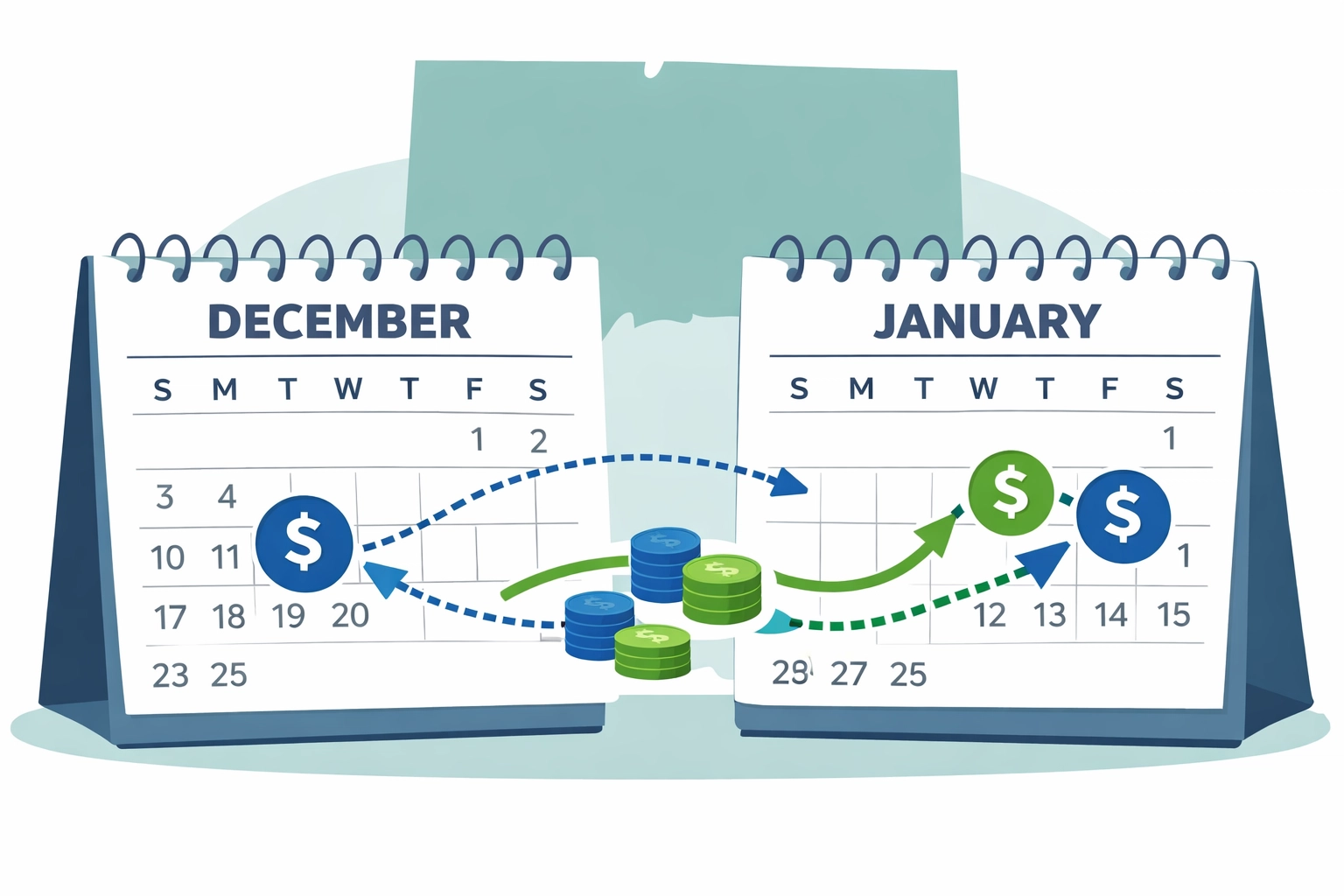
Connecticut residents can deduct state and local taxes (SALT) up to $10,000 on federal returns. Tax pros know that making your January estimated payment in December of the prior year can push you over the standard deduction threshold.
The calculation professional tax preparers run:
If your SALT deduction (property taxes plus state income taxes) sits at $9,000, making that Q1 estimated payment before December 31 adds another $1,000 to your itemized deductions. Combined with mortgage interest and charitable contributions, you might exceed the $14,600 standard deduction for 2026.
Hack #3: The Quarterly Payment Backdoor for Freelancers and Gig Workers!
New Haven has a thriving gig economy: from Yale contractors to Uber drivers to Etsy sellers. Professional tax preparers maximize refunds for self-employed clients by recalculating quarterly estimated payments mid-year.
What most DIY filers miss: If your income drops in Q3 or Q4, you can reduce your remaining estimated payments. Tax software only tells you this if you specifically run a new projection: most people just keep paying the original amount.
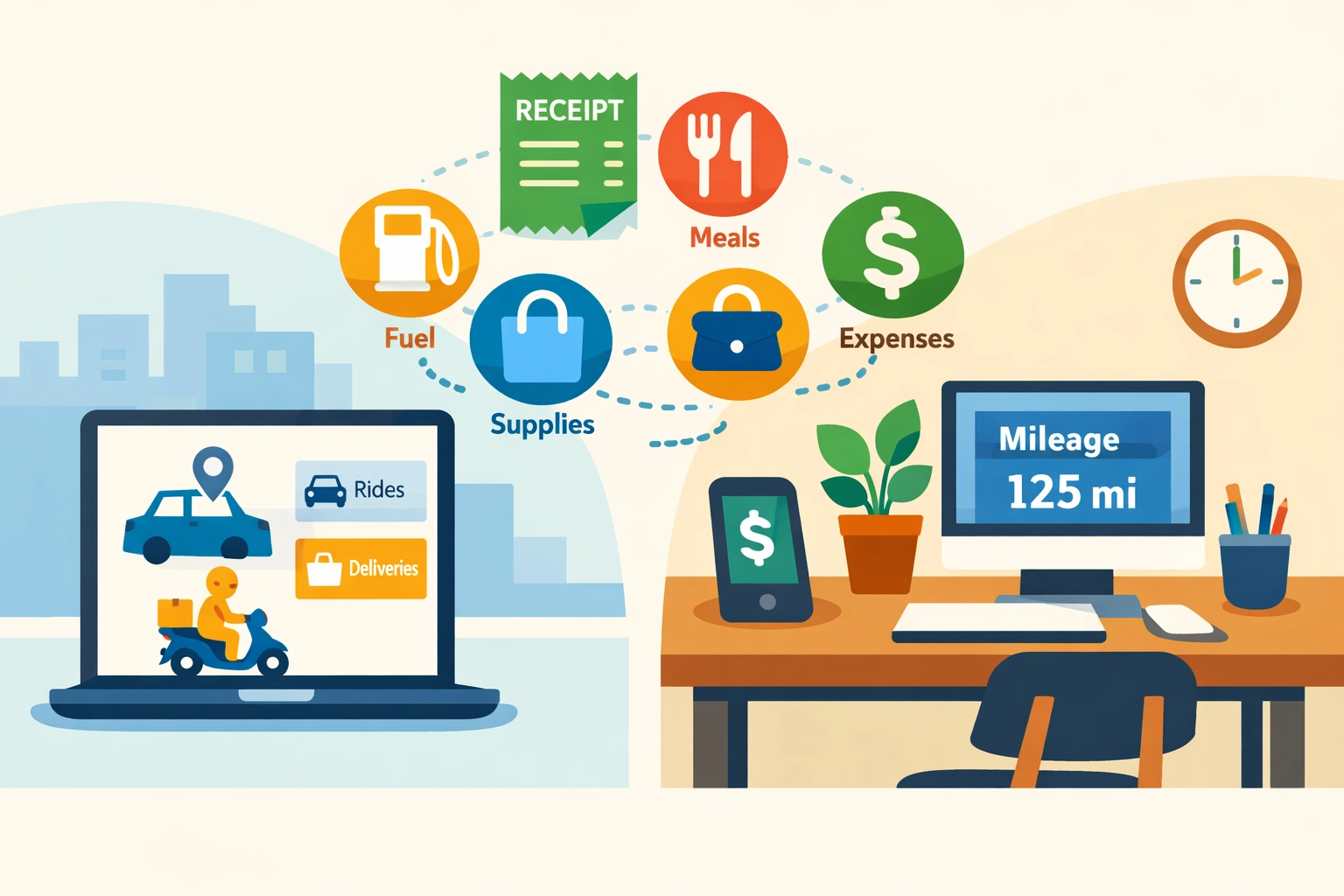
Tax pros also identify which expenses qualify as business deductions that gig workers consistently overlook:
- Home office deduction (even for renters)
- Mileage for business errands between gigs
- Phone and internet percentage for business use
- Professional development courses and certifications
- Business insurance and bonding costs
Critical reminder: Self-employment tax runs 15.3% on net earnings. Every legitimate business expense you document reduces this burden. Professional tax preparation New Haven services often recover $1,500–$3,000 in missed deductions for first-time gig economy filers.
Hack #4: Credit Stacking That Software Doesn't Automatically Identify!
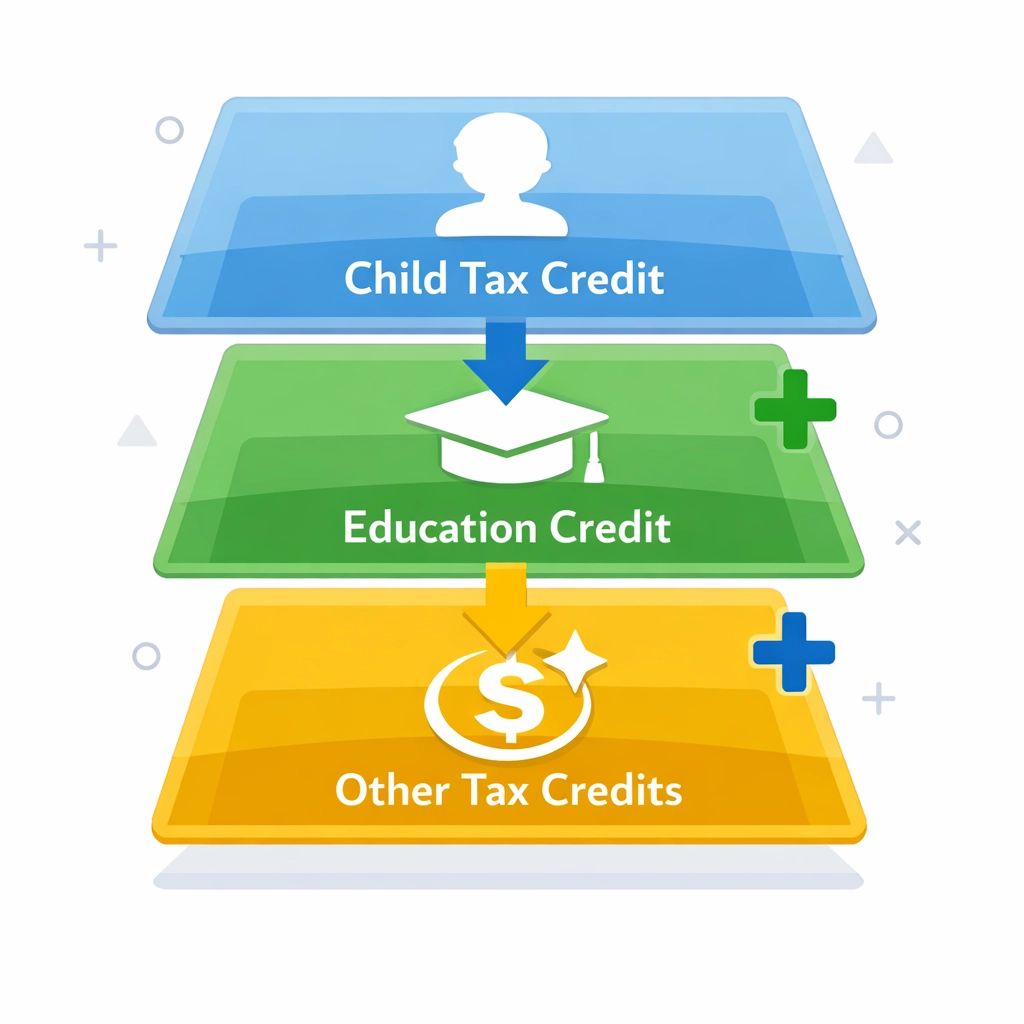
Tax credits reduce your tax bill dollar-for-dollar, making them more valuable than deductions. Professional tax preparers know which credits can be "stacked" and which phase out based on income thresholds.
Common credit combinations tax pros maximize:
- Child Tax Credit + Child and Dependent Care Credit: You can claim both for the same child if they're under 13 and you paid for care while working
- Education Credits + Student Loan Interest Deduction: The American Opportunity Tax Credit and Lifetime Learning Credit stack with the student loan interest deduction
- Earned Income Tax Credit (EITC) + Connecticut EITC: Connecticut offers 30.5% of your federal EITC as a state credit: many filers miss the state portion entirely
Tax planning insight for 2026: The expanded Child Tax Credit may phase out at lower income levels this year. Professional preparers run scenarios to determine whether contributing to a traditional IRA or HSA might keep you below the phase-out threshold, preserving the full credit.
Hack #5: The Amended Return Safety Net!
Here's something DIY software rarely mentions: professional tax preparers file more amended returns than original returns with errors. Why? Because they catch mistakes after reviewing prior-year returns that software automatically imported without verification.
Most common amendments that maximize refunds:
- Carryforward losses from previous years that weren't applied
- Basis adjustments on investment sales that were incorrectly reported
- Forgotten 1099 forms that arrived late showing withholding
- Retirement contribution corrections (you have until April 15 to contribute for the prior year)
- Disaster loss carryforwards from Connecticut storm damage
Professional standard: Review the three most recent tax returns before preparing the current year. This identifies patterns, carryforwards, and opportunities that single-year software misses entirely.
Hack #6: Documentation That Survives IRS Scrutiny!
Maximizing your refund means nothing if the IRS adjusts your return later. Professional tax preparers in New Haven implement documentation standards that protect aggressive-but-legal positions.
What counts as proper documentation:
- Bank statements showing check clearing (canceled checks)
- Receipts with date, amount, and business purpose noted
- Mileage logs with specific business destinations
- Written agreements for contractor payments
- Contemporaneous records (created at the time of the expense, not reconstructed later)
Tax update for 2026: The IRS increased audit rates for returns claiming business losses over $100,000. Professional preparers structure documentation to meet "reasonable cause" standards, protecting clients from penalties even if deductions are partially disallowed.
Hack #7: The Refund Timing Strategy!
Most taxpayers want their refund immediately. Tax pros know that timing matters: especially for Connecticut residents planning major purchases or facing estimated tax payments.
Strategic refund applications:
- Apply to next year's estimated taxes: Reduces quarterly payment stress and avoids underpayment penalties
- Split between refund and estimated payments: Get cash now, but cover Q1 estimated taxes automatically
- Delay filing until late March: If you expect to owe Connecticut taxes, filing closer to April 15 keeps cash in your account longer
For New Haven homeowners considering property tax appeals, professional preparers coordinate refund timing with appeal deadlines. Connecticut property tax appeals must be filed by February 20 for most municipalities: having cash available from your federal refund can cover initial appeal costs and professional appraisals.
The Bottom Line: Tax Preparation New Haven Professionals See What Software Can't!
DIY tax software asks yes-or-no questions. Professional tax preparers in New Haven ask "what-if" questions that uncover opportunities software never considers.
The seven hacks above represent standard practice for experienced tax pros, but they're completely invisible to most DIY filers. Education credits you didn't know existed. State tax payments timed for maximum federal benefit. Business expenses that seem personal but qualify as deductions. Carryforwards from three years ago that still apply today.
When professional tax preparation pays for itself:
- Self-employment income over $20,000 annually
- First year claiming business losses or home office deductions
- Major life changes (marriage, divorce, home purchase, retirement)
- Investment sales requiring basis calculations
- Multi-state income or Connecticut residency questions
Tax planning for 2026 extends beyond April 15. Professional preparers schedule mid-year reviews to adjust estimated payments, evaluate Roth conversion opportunities, and implement strategies before year-end. That's the real difference: DIY software prepares returns, but professional tax preparers maximize refunds through year-round planning.
If you're still using DIY software for anything beyond the simplest W-2 return, you're likely leaving money on the table. The question isn't whether professional tax preparation costs money: it's whether you can afford to keep missing deductions, credits, and strategies that tax pros use every single day.
Ready to stop wasting time and start maximizing your refund? Schedule your consultation before the April 15 deadline. Same-day appointments available for New Haven residents who need fast, accurate filing without the DIY guesswork.

Leave a Reply
You must be logged in to post a comment.