
Stop Wasting Money: 7 Quick Tax Planning Hacks Your New Haven Neighbors Are Using
Your neighbors on Whitney Avenue are doing something smart with their money this tax season. And no, it's not switching to cheaper coffee (though that might help too).
They're using strategies that most New Haven taxpayers completely overlook. The kind that could save you hundreds, or even thousands, before April 15th rolls around.
Here's the thing: tax planning isn't just for the country club crowd anymore. These seven hacks work whether you're filing from East Rock or Fair Haven. Let's get into it.
Hack #1: Turn Your Investment Losses Into Tax Gold!
Stop looking at your underperforming stocks like they're personal failures. They're actually opportunities.
Harvest those losses to offset capital gains and reduce your taxable income. Review your portfolio right now for positions that aren't pulling their weight. Sell them strategically before year-end, and you can use those losses to cancel out gains elsewhere.

The IRS lets you deduct up to $3,000 in net capital losses against your ordinary income each year. Anything beyond that? Roll it forward to future tax years.
Your New Haven neighbors who work with concierge tax pros are doing this systematically. They're not letting emotions drive investment decisions, they're letting tax strategy guide the timing.
Hack #2: Triple-Dip on Healthcare Savings with an HSA!
If you have a high-deductible health plan, you're sitting on a tax goldmine called a Health Savings Account.
Max out your HSA contributions for 2026. The limits are $4,300 for individual coverage and $8,550 for family coverage. Why? Because HSAs offer something almost nothing else does: triple tax advantages.
Your contributions are tax-deductible. Your money grows tax-free. And withdrawals for qualified medical expenses? Also tax-free.
It's the closest thing to legal tax magic. Use it to pay for everything from doctor visits to prescription sunglasses. Keep your receipts, and you can even reimburse yourself years later.
Hack #3: Connecticut's $15 Million Estate Tax Exemption Just Changed Everything!
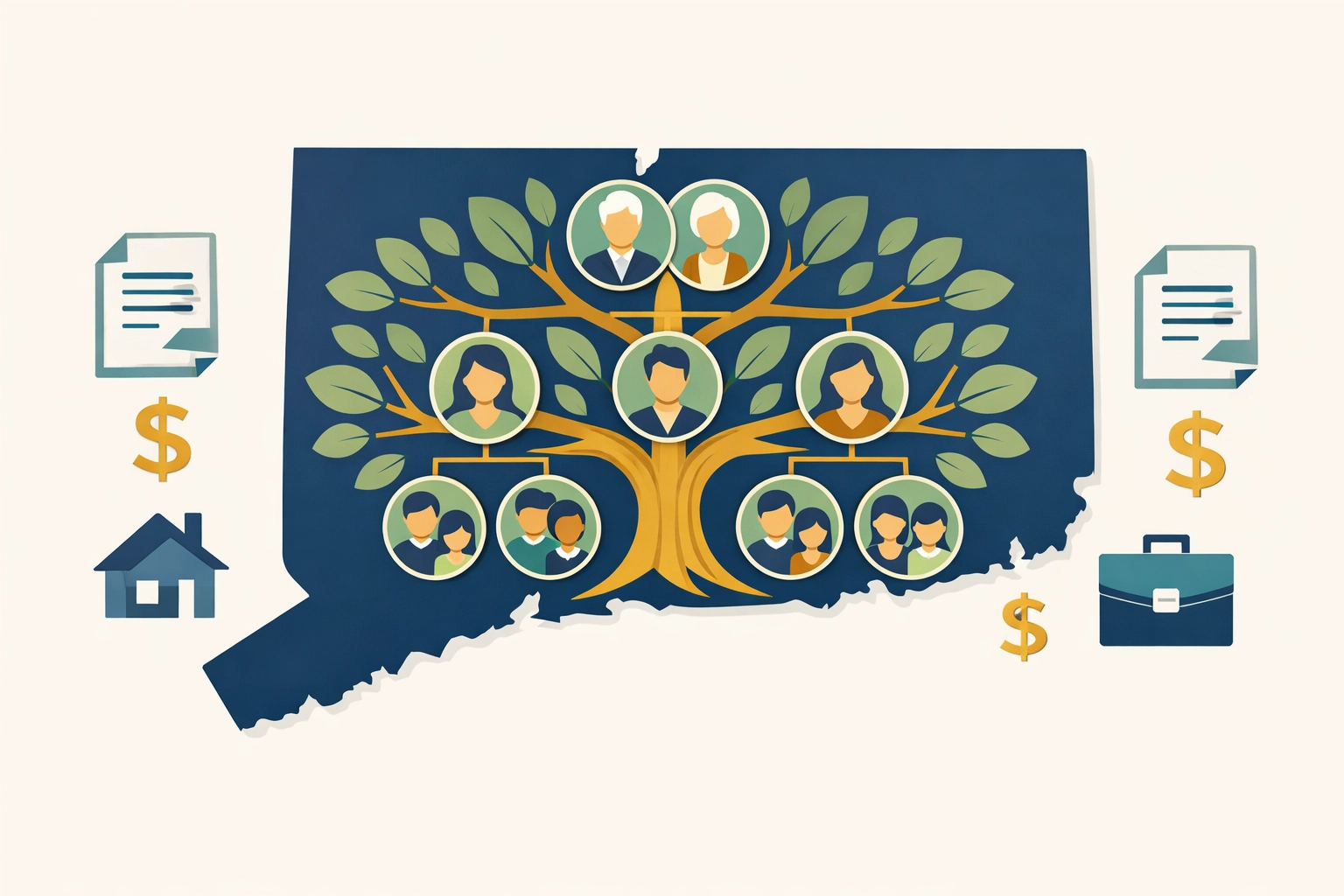
New Haven families with substantial assets just got a massive break. Connecticut's estate tax exemption jumped to $15 million per person as of January 1, 2026.
That's $30 million for married couples. If your estate falls below that threshold, you won't owe Connecticut estate tax, period.
Update your estate planning documents immediately. Outdated documents from 2024 or earlier may not optimize this new threshold. With Connecticut's 12% estate tax above $15 million plus federal rates up to 40%, proper planning can save your family hundreds of thousands.

Meet with a Connecticut estate planning attorney this quarter. Don't wait until something happens and your family's stuck scrambling.
Hack #4: Gift Like a Tax Pro (Without Triggering Uncle Sam)!
Here's a strategy your wealthy New Haven neighbors use every single year: strategic gifting.
The annual gift tax exclusion for 2026 is $19,000 per recipient. That's $38,000 if you're married and gifting together.
Start gifting to unlimited recipients without using your lifetime exemption or triggering gift tax. Have three kids? That's $57,000 you can move out of your taxable estate this year alone. Add in grandkids, and the numbers get really interesting.
This reduces your estate over time while helping the people you care about right now. Document everything properly, and consult with a tax preparation professional in New Haven who understands Connecticut estate rules.
Hack #5: The SALT Deduction Just Got Way More Generous!
If you haven't itemized deductions in recent years because of the old $10,000 SALT cap, it's time to recalculate.
The state and local tax deduction cap increased to $40,000 through 2029 for taxpayers with adjusted gross income under $500,000.
For New Haven homeowners with high property taxes and Connecticut income taxes, this is huge. Run the numbers again. You might find that itemizing beats taking the standard deduction now.
Compare your total itemized deductions (including mortgage interest, charitable contributions, and medical expenses) against the standard deduction. If itemizing wins, you could maximize your tax refund significantly.
Hack #6: Update Your Beneficiary Designations (Yes, Really!)
This one's boring but critical. Your beneficiary designations on retirement accounts, life insurance, and payable-on-death accounts control where assets go regardless of what your will says.
Review and update every single beneficiary designation you have. Life changes: marriages, divorces, births, deaths: and outdated designations create tax nightmares for families.
Your 401(k) from that job you left in 2019? Check it. That IRA you opened in college? Check it. Life insurance from when your kids were babies? Definitely check it.
Beneficiary designations bypass probate and can be structured to minimize taxes for your heirs. Get this right, and you'll save your family thousands in unnecessary taxes and legal fees.
Hack #7: Meet With a Pro Before Tax Season Explodes!
The smartest tax planning hack? Stop doing this alone.
Schedule a consultation with a concierge tax pro who knows Connecticut tax law inside and out. The tax update for 2026 includes dozens of changes that impact New Haven taxpayers differently depending on your situation.
Do you own a small business? Have side income? Sold property this year? Each scenario has specific strategies that generic tax software completely misses.
Tax preparation in New Haven doesn't have to mean waiting in line at a big box chain or wrestling with confusing software at midnight. Concierge service means personalized strategy, not just data entry.
Stop Leaving Money on the Table!
These seven hacks work because they're rooted in actual tax law: not wishful thinking or sketchy "loopholes" that'll get you audited.
Your New Haven neighbors are using them right now to maximize their tax refunds and minimize what they owe. Some are saving hundreds. Others are saving tens of thousands.
The difference? They're treating tax planning like the strategic financial move it is, not an annual chore to procrastinate until April.
Connecticut's tax landscape changed significantly for 2026. The SALT deduction expansion, the estate tax exemption increase, and other updates create opportunities that didn't exist last year.
Take action before April 15th. Review your investments, max out tax-advantaged accounts, update your estate documents, and consult with a tax professional who understands Connecticut tax law.
Stop wasting money on taxes you don't actually owe. Your neighbors figured it out. Now it's your turn.

Leave a Reply
You must be logged in to post a comment.