
Small Business Tax Services: 5 Steps to Slash Your 2026 Tax Bill Using the New Deduction Rules
New Haven, CT – January 6, 2026 – The 2026 tax year brings significant opportunities for small business owners to dramatically reduce their tax liability through expanded deduction rules and enhanced benefits. These changes, stemming from recent tax legislation, can save qualifying businesses thousands of dollars when properly implemented.
Small business owners who fail to understand and utilize these new deduction rules may overpay their taxes by substantial amounts. The following five strategic steps will help you maximize your tax savings and keep more money in your business.
Step 1: Maximize the Permanent Qualified Business Income (QBI) Deduction!
The QBI deduction has been made permanent under recent tax legislation, providing unprecedented long-term tax planning opportunities for pass-through entities. This 20% deduction applies to qualified business income from sole proprietorships, partnerships, S corporations, and some trusts.
Key Changes for 2026:
- Minimum guaranteed deduction of $400 for businesses earning at least $1,000 in qualified business income
- Enhanced calculation methods that benefit businesses with W-2 employees
- Expanded eligibility for service-based businesses

Action Steps:
- Review your business structure to ensure you're classified as a pass-through entity
- Calculate whether increasing W-2 wages can boost your allowable deduction
- Consider income timing strategies to maximize QBI in high-income years
- Document all qualified business income sources throughout the year
Warning: Improper calculation of QBI can lead to missed deductions or potential audit triggers. Maintain detailed records of all business income sources.
Step 2: Leverage Expanded Section 179 Equipment Expensing!
The Section 179 deduction limit has doubled from $1.25 million to $2.5 million for 2026, with inflation adjustments built in. This allows immediate full deduction of qualifying equipment purchases rather than multi-year depreciation schedules.
Qualifying Equipment Includes:
- Manufacturing machinery and tools
- Office furniture and computer systems
- Vehicles used primarily for business (with restrictions)
- Software purchases and technology infrastructure
Strategic Implementation:
- Purchase and place qualifying equipment in service before December 31, 2026
- Coordinate large equipment purchases to stay within the annual limit
- Consider financing options that allow immediate deduction while preserving cash flow
- Document the business purpose and usage percentage for mixed-use assets
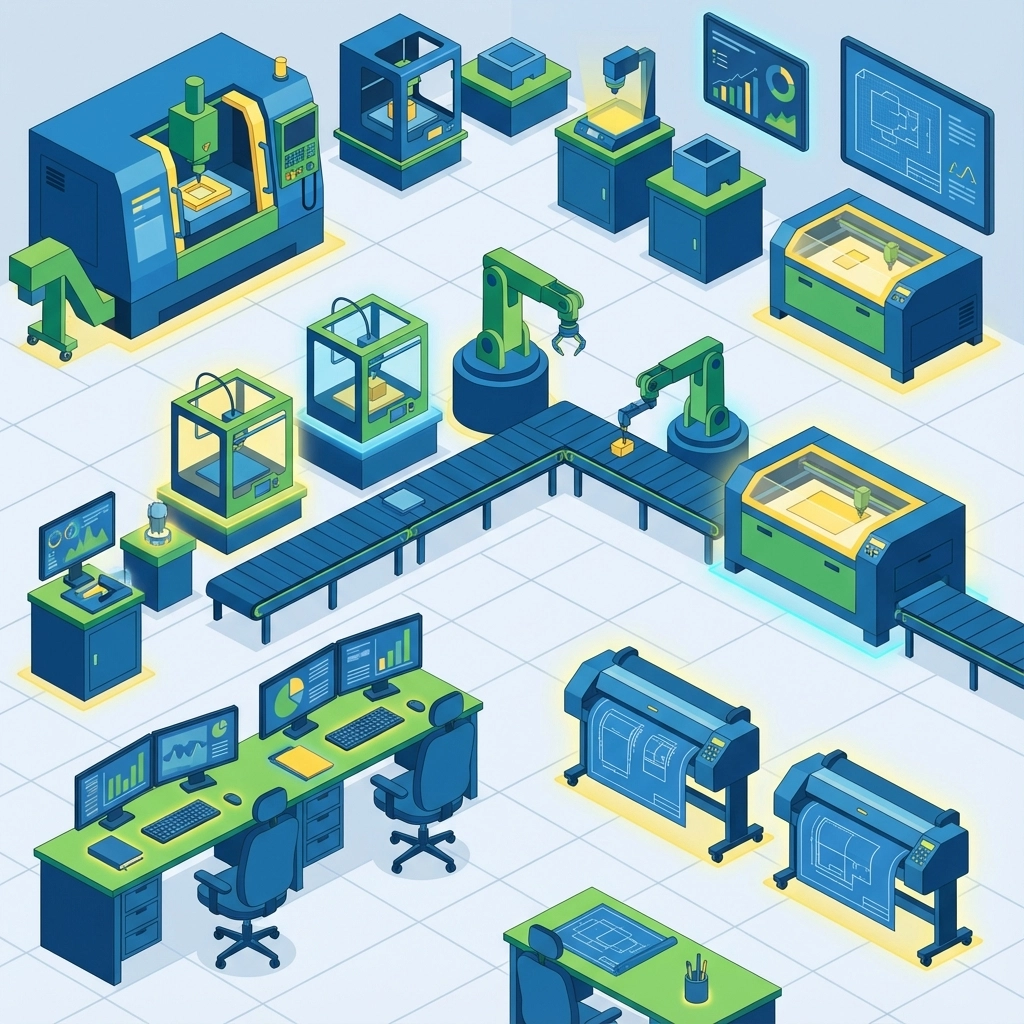
Critical Timing: Equipment must be purchased AND placed in service during 2026 to qualify for the full deduction. Orders placed in December but delivered in January will not qualify.
Step 3: Claim Enhanced Home Office Deductions!
Home office deductions have been simplified and clarified for 2026, making them more accessible for qualifying small business owners. The simplified method provides $5 per square foot for up to 300 square feet of dedicated business space.
Qualification Requirements:
- Regular and exclusive business use of designated space
- Principal place of business OR regular business meetings with clients
- Clear separation from personal living areas
Maximum Deduction Calculation:
- Up to 300 square feet × $5 = $1,500 maximum annual deduction
- No complex utility and maintenance record-keeping required
- Alternative actual expense method available for larger spaces
Documentation Essentials:
- Measure and photograph your dedicated office space
- Maintain records of exclusive business use
- Track any improvements or modifications to the business area
- Keep receipts for office furniture and equipment
Step 4: Optimize the Increased SALT Deduction Cap!
The state and local tax (SALT) deduction cap has increased to approximately $40,000 for 2026, up from the previous $10,000 limitation. This expansion provides significant tax relief for businesses and business owners in high-tax states.
Deductible SALT Categories:
- State and local income taxes
- State and local sales taxes (if itemizing)
- Real estate taxes on business property
- Personal property taxes on business assets

Income Phase-Out Limits:
- Deduction begins phasing out at $505,000 of modified adjusted gross income
- Complete phase-out occurs at $600,000 MAGI
- Planning required for businesses approaching these thresholds
Strategic Considerations:
- Time state tax payments to maximize deduction value
- Consider state tax planning strategies for multi-state businesses
- Evaluate the impact on quarterly estimated tax payments
- Coordinate with business entity tax planning
Step 5: Maximize Business Expense and Interest Deductions!
Enhanced business deduction rules for 2026 provide expanded opportunities to deduct legitimate business expenses and interest payments. Proper documentation and categorization can significantly reduce taxable income.
Business Interest Deductions:
- Restored EBITDA-based calculation methods under recent legislation
- Enhanced deductibility for small business loans and equipment financing
- Improved treatment of acquisition and expansion debt
Key Business Expense Categories:
- Business Meals: 50% deductible when ordinary, necessary, and properly documented
- Business Mileage: Full deduction at 2026 IRS standard mileage rates for business driving
- Startup Expenses: Up to $5,000 immediate deduction for new business costs (reduced if total startup costs exceed $50,000)
- Contractor Payments: Full deduction for legitimate independent contractor services

Documentation Requirements:
- Maintain detailed expense logs with business purpose notation
- Separate business and personal use for mixed-use expenses
- Keep original receipts and supporting documentation
- Track mileage with date, destination, and business purpose
- Document business meals with attendees and business discussion topics
Compliance Reminders:
- Issue 1099-NEC forms for contractor payments exceeding $600
- Maintain supporting documentation for minimum three years
- Implement expense tracking systems for real-time record-keeping
- Review expense categorization quarterly to ensure accuracy
Planning and Implementation Timeline
January-March 2026:
- Review 2025 tax returns for optimization opportunities
- Implement expense tracking systems
- Plan major equipment purchases
- Establish home office documentation
April-June 2026:
- Make first quarter estimated tax payments reflecting new deductions
- Review QBI calculation with mid-year income projections
- Evaluate business structure optimization opportunities
July-September 2026:
- Conduct mid-year tax planning review
- Adjust estimated tax payments if necessary
- Plan year-end equipment purchases
October-December 2026:
- Execute year-end tax strategies
- Complete equipment purchases and place in service
- Finalize expense documentation
- Prepare for 2027 tax planning
These five strategic steps, when properly implemented, can result in substantial tax savings for small businesses in 2026. The key to success lies in proactive planning, meticulous documentation, and understanding the interconnected nature of these deduction opportunities.
Professional Consultation Recommended: Tax law complexity requires professional guidance to ensure compliance and maximize benefits. Consider scheduling a consultation with qualified tax professionals to develop a comprehensive strategy tailored to your specific business situation.
For personalized assistance with implementing these strategies, contact Jose's Tax Service to schedule your 2026 tax planning consultation. Our experienced team specializes in small business tax optimization and can help you navigate these new opportunities effectively.

Leave a Reply
You must be logged in to post a comment.