
Small Business Tax Planning 2026: Why the QBI Deduction End Could Save You Money (If You Plan Right)
status: published
categories:
- news
- tax planning
NEW HAVEN, CT – January 12, 2026 – Breaking developments in federal tax law have created significant planning opportunities for small business owners, but widespread confusion about the Qualified Business Income (QBI) deduction changes requires immediate clarification.
Critical Update: QBI Deduction Is Not Ending!
Contrary to widespread misinformation circulating among business communities, the QBI deduction has been made permanent. The One Big Beautiful Bill Act (OBBBA), signed into law on July 4, 2025, permanently extended the 20% qualified business income deduction that was previously set to expire.
This misconception has created unnecessary panic among small business owners who believed they needed to accelerate income or restructure operations before a non-existent deadline.
What Actually Changed for 2026: Three Major Improvements
1. New Minimum Deduction Guarantee
Starting with 2026 tax returns, taxpayers with at least $1,000 of active qualified business income can claim a minimum deduction of $400 (inflation-adjusted annually after 2026). This provision ensures even the smallest qualifying businesses receive tangible tax benefits from the QBI deduction.
Action Required: Review your 2025 business income. If you had qualified business income below previous thresholds, you may now qualify for meaningful deductions.

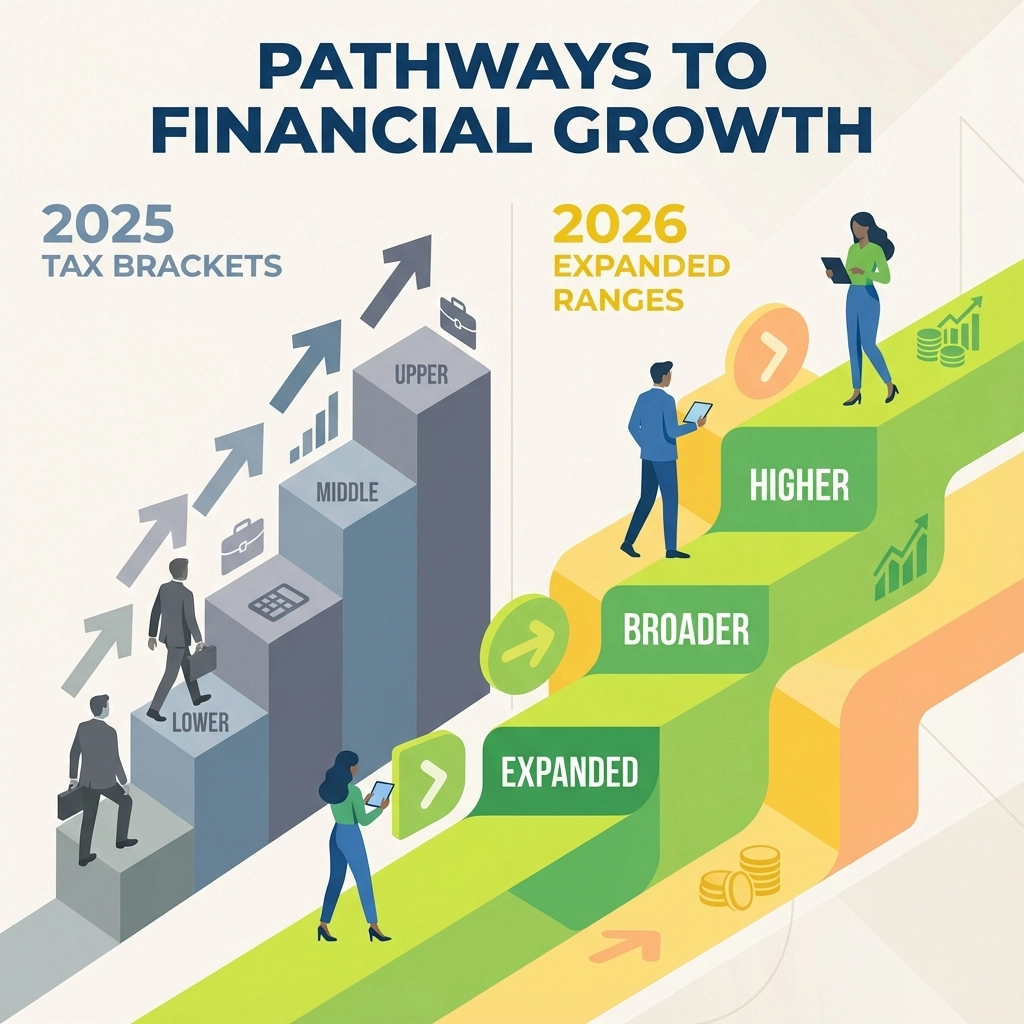
2. Expanded Phase-In Income Ranges
The phase-in ranges for QBI limitations have been dramatically increased:
- Joint filers: Expanded from $100,000 to $150,000
- Other taxpayers: Expanded from $50,000 to $75,000
For 2026, this translates to updated phase-out ranges:
- Married filing jointly: $394,600 to $544,600 (previously $394,600 to $494,600)
- Single filers: $197,300 to $272,300 (previously $197,300 to $247,300)
Critical Impact: If you operate a specified service trade or business (SSTB), you can now earn up to $50,000 more before the QBI deduction begins phasing out.
3. Enhanced Planning Flexibility for Higher-Income Earners
The expanded income ranges provide substantial relief from wage and property limitations that previously restricted QBI deductions for successful businesses.
Who Benefits Most from These Changes?
Service-Based Businesses See Largest Gains
Professional service providers: including attorneys, accountants, consultants, and healthcare practitioners: operating as specified service trades or businesses (SSTBs) receive the most significant benefits from the expanded phase-in ranges.
Example Calculation:
- Single consultant earning $250,000 in 2025: QBI deduction fully phased out
- Same consultant in 2026: Eligible for partial QBI deduction due to expanded range
Pass-Through Entities Gain Strategic Advantages
S-corporations, partnerships, and sole proprietorships can now optimize income distribution strategies with greater flexibility before hitting limitation thresholds.
Strategic Planning Moves for 2026
Immediate Actions for Current Tax Year
File Extension if Necessary: If you haven't completed your 2025 return, consider filing an extension to properly evaluate how 2026 changes affect your multi-year tax strategy.
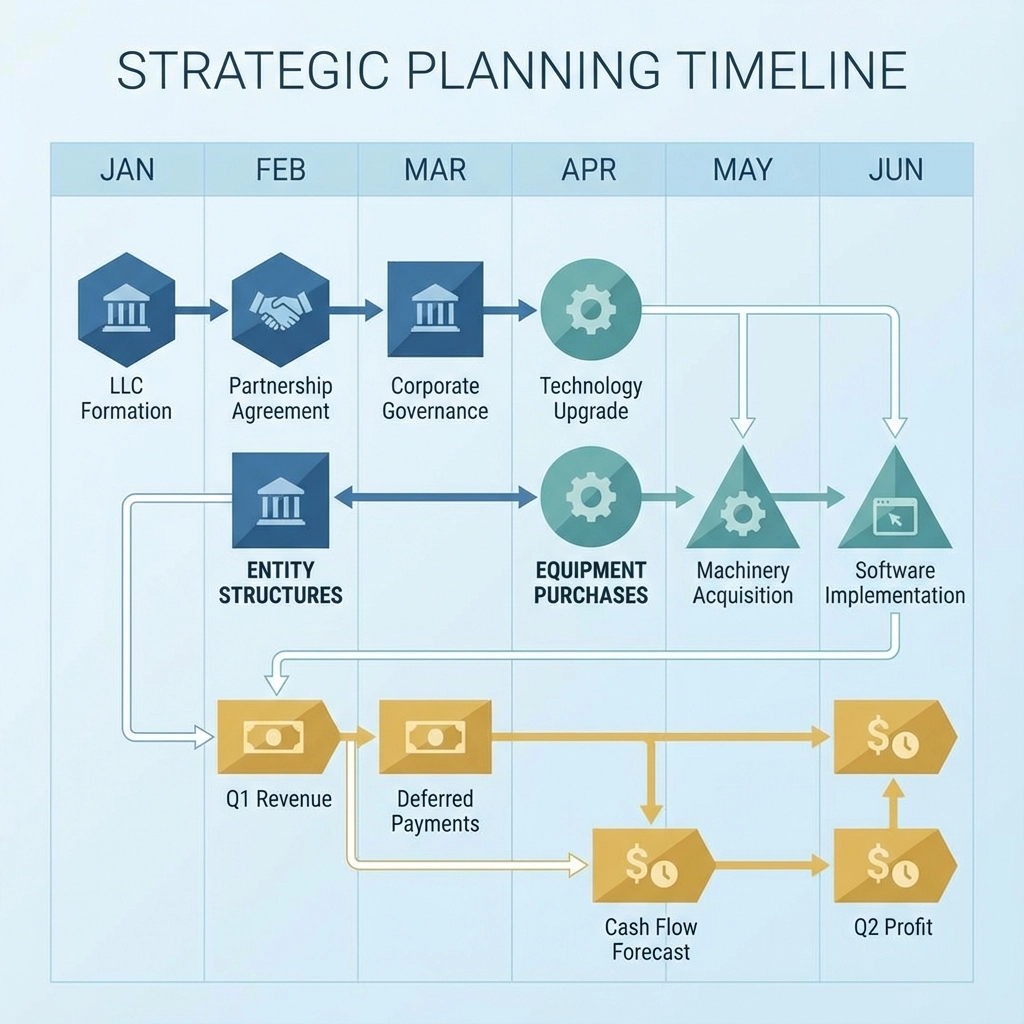
Review Entity Structure: The permanent QBI deduction and expanded ranges may warrant reconsidering your business entity election. S-corporation status may now provide greater benefits for previously ineligible service businesses.
Accelerate Equipment Purchases: Combine QBI planning with Section 179 expensing and bonus depreciation to maximize current-year deductions while preserving future QBI eligibility.
Multi-Year Income Planning
Income Smoothing Strategies: With permanent QBI deduction status, you can develop long-term income distribution plans without worrying about expiration deadlines.
Retirement Plan Contributions: Maximize SEP-IRA, Solo 401(k), or other qualified plan contributions to reduce taxable income while staying within optimal QBI ranges.
Geographic Considerations: New Haven businesses should coordinate QBI planning with Connecticut state tax obligations, particularly regarding pass-through entity taxes.
Advanced Optimization Techniques
Wage and Property Base Limitations
The expanded income ranges delay when wage and property base limitations apply, providing more businesses with straightforward 20% deductions on qualified business income.
Key Thresholds to Monitor:
- W-2 wages paid by the business
- Unadjusted basis of qualified property
- Alternative calculation methods under Section 199A

Multi-Business Aggregation Rules
Businesses with multiple qualified entities can aggregate activities under specific conditions, potentially maximizing QBI benefits across combined operations.
Aggregation Requirements:
- Same person owns 50% or more of each business
- Businesses share significant common elements
- All entities are reported on same return
Common Planning Mistakes to Avoid
Overlooking Active vs. Passive Income Classification
The new $400 minimum deduction applies only to active qualified business income. Passive rental income or investment activities don't qualify for this guaranteed minimum.
Misunderstanding SSTB Classifications
Recent IRS guidance has clarified which activities qualify as specified service trades or businesses. Professional service providers should review current classifications to ensure proper planning.
Ignoring State Tax Implications
Connecticut's treatment of QBI deductions may differ from federal provisions. Coordinate planning to optimize combined federal and state tax outcomes.
Implementation Timeline and Deadlines
For 2025 Tax Returns
March 17, 2026: S-corporation and partnership return deadline
April 15, 2026: Individual return deadline
October 15, 2026: Extended deadline for individual returns
For 2026 Planning
Quarterly Estimated Payments: Adjust estimated tax calculations to reflect new QBI provisions
Year-End Planning: Begin fourth-quarter income and expense timing strategies
Professional Guidance Recommendations
The permanent status and enhanced provisions of the QBI deduction create complex planning opportunities requiring professional analysis. Consider comprehensive tax planning consultations to:
- Evaluate entity structure optimization
- Coordinate multi-year income strategies
- Maximize deduction benefits within legal limitations
- Ensure compliance with evolving IRS guidance
Documentation and Record-Keeping Requirements
Maintain detailed records supporting QBI deduction claims:
Required Documentation:
- Business income and expense records
- W-2 wage statements for limitation calculations
- Property acquisition and depreciation schedules
- Entity ownership and control documentation
Best Practices:
- Segregate qualified and non-qualified business activities
- Track active participation in business operations
- Maintain contemporaneous records for aggregation elections
Conclusion: Maximizing Your 2026 Opportunities
The permanent QBI deduction with enhanced provisions represents a significant long-term tax planning opportunity for small business owners. The key to maximizing benefits lies in understanding the actual changes rather than responding to misinformation about deduction expiration.
Focus on strategic positioning within the new expanded income ranges, proper entity structure evaluation, and coordinated timing of income and expenses. The permanence of these provisions allows for confident long-term planning without concerns about legislative uncertainty.
Next Steps: Schedule a comprehensive tax planning consultation to evaluate how these changes specifically impact your business situation and develop an optimized strategy for current and future tax years.
For professional guidance on QBI deduction optimization and small business tax planning, contact Jose's Tax Service to schedule your consultation.

Leave a Reply
You must be logged in to post a comment.