
Small Business Bookkeeping: Why Your 2026 Tax Strategy Starts with Organized Records
New Haven, CT – February 18, 2026 – Your 2026 tax outcome is being decided right now. Every receipt you lose, every expense you miscategorize, and every record you fail to organize reduces your refund and increases your audit risk.
Professional bookkeeping isn't about keeping the IRS happy. It's about keeping more money in your business account. Here's what New Haven small business owners need to know about turning organized records into tax savings.
Organized Records = Bigger Deductions!
The Qualified Business Income (QBI) deduction allows eligible businesses to deduct up to 20% of qualified business income. That's a substantial tax break: but only if you can prove your income and expenses with clean, organized records.
Most small businesses leave money on the table at tax time. They miss deductible expenses because they weren't properly tracked throughout the year. A professional bookkeeper identifies deductible expenses as they occur and ensures proper categorization.
Consider these commonly overlooked deductions:
- Home office expenses – Square footage calculations, utilities, insurance
- Vehicle mileage – Business miles tracked with proper documentation
- Equipment purchases – Bonus depreciation opportunities for 2026
- Professional development – Training courses, certifications, industry conferences
- Technology costs – Software subscriptions, cloud services, hardware upgrades
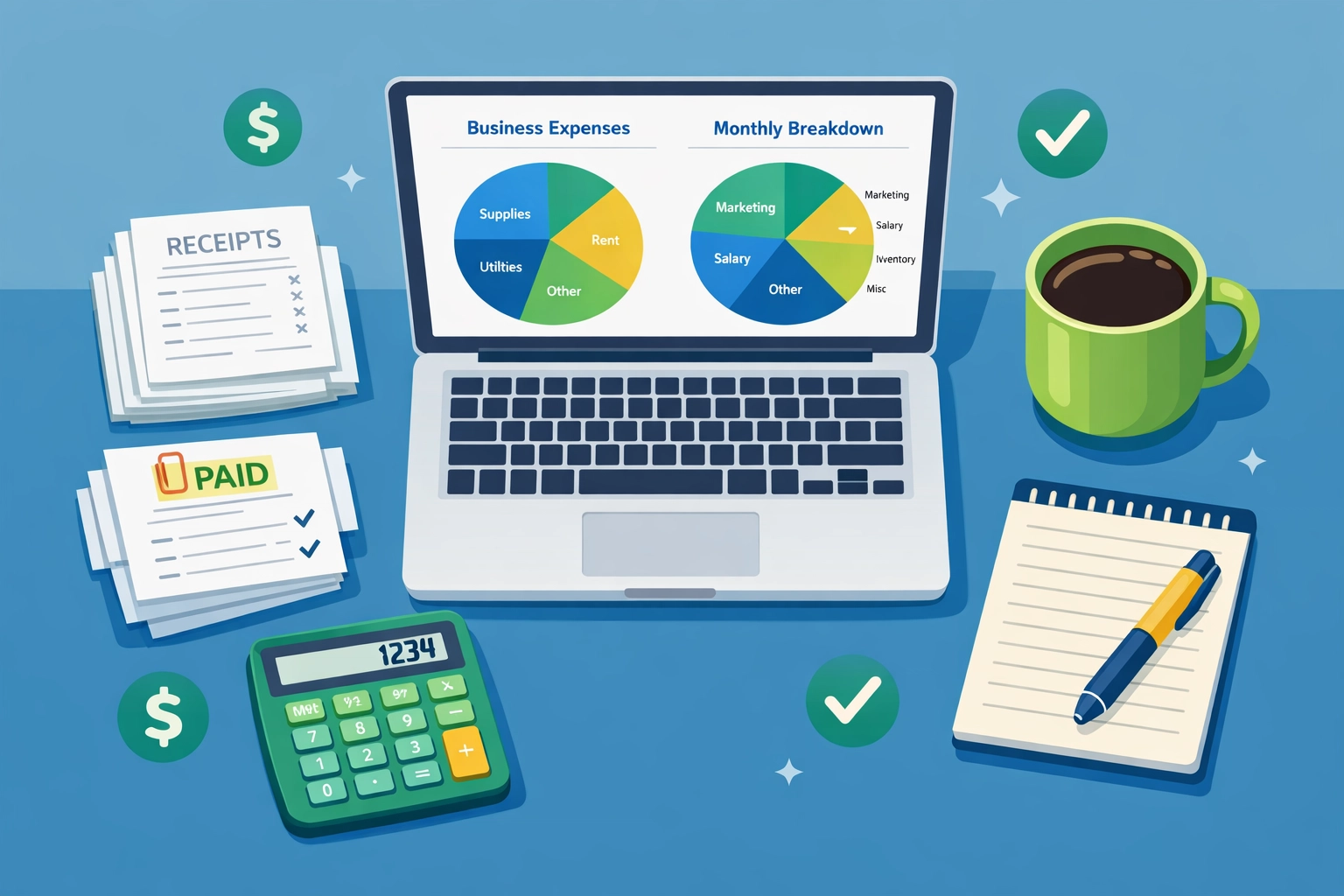
Without organized bookkeeping, you won't capture these deductions. With professional bookkeeping paired with year-round tax planning, you create tax-ready financials that maximize tax refund potential.
2026 Compliance Changes You Can't Ignore!
The IRS updated reporting thresholds for 2026. These changes affect how you track and report payments to contractors and vendors.
New 1099 Reporting Requirements:
- 1099-NEC and 1099-MISC threshold increased from $600 to $2,000
- 1099-K threshold returns to $20,000 and 200 transactions
- Reporting deadlines remain strict with penalties for late filing
Organized bookkeeping systems track these payments automatically. You avoid compliance headaches and potential penalties by maintaining detailed records throughout the year rather than scrambling at tax time.
The IRS recommends keeping tax records for at least three years. Certain situations require longer retention periods. Digital storage solutions paired with proper bookkeeping practices ensure you maintain receipts, contracts, and financial statements efficiently.
Strategic Tax Timing Starts with Clean Books!
Cash-basis businesses have flexibility in billing and payment timing. This creates opportunities to reduce taxable income through strategic timing decisions.
Year-End Tax Moves That Require Organized Records:
- Accelerating deductible expenses into the current year
- Deferring income recognition until the next tax year
- Timing equipment purchases to qualify for bonus depreciation
- Managing inventory valuations for optimal tax outcomes
These strategies only work with accurate, up-to-date financial records. Monthly bookkeeping combined with year-round tax planning allows you to implement strategic moves with confidence.
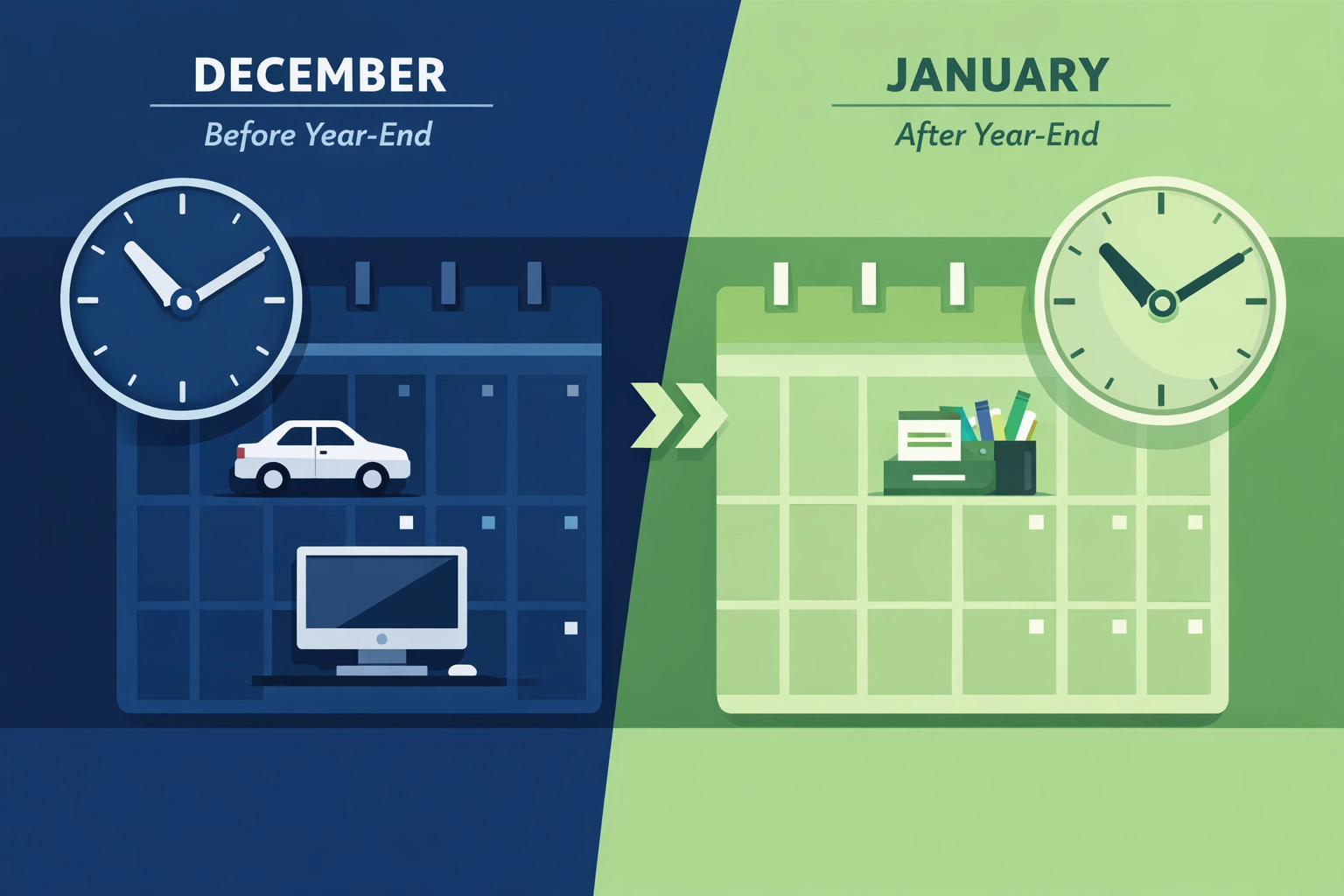
Professional bookkeepers monitor your financial position continuously. They identify tax-saving opportunities before deadlines pass. They alert you to potential issues before they become costly problems.
Audit Protection Through Documentation!
Proper documentation serves as your defense in case of an audit. The IRS requires substantiation for every deduction claimed on your tax return.
Essential Records for Audit Protection:
- Bank statements – All business accounts with clear transaction descriptions
- Receipt documentation – Digital or physical copies with dates and amounts
- Mileage logs – Detailed tracking with dates, destinations, and business purposes
- Payroll records – Employee information, wage calculations, tax withholdings
- Contract copies – All agreements with vendors, contractors, and clients
Organized bookkeeping systems maintain these records in accessible formats. When the IRS requests documentation, you respond quickly and completely. This reduces audit duration and demonstrates professional record-keeping practices.
Small businesses with disorganized records face longer audits, higher professional fees, and increased risk of disputed deductions. Investment in professional bookkeeping provides audit insurance.
New Haven Business Owners: Your Action Plan!
Tax preparation New Haven businesses trust starts with organized records. Here's your step-by-step approach for 2026:
Step 1: Review Current Record-Keeping Systems
Evaluate your existing bookkeeping processes. Identify gaps where expenses go untracked or receipts get lost. Document pain points that create stress during tax season.
Step 2: Implement Professional Bookkeeping
Choose between do-it-yourself solutions with proper training or professional bookkeeping services. Consider your time constraints, technical skills, and business complexity.
Professional bookkeepers offer advantages beyond data entry:
- Industry-specific knowledge of deductible expenses
- Integration with tax planning throughout the year
- Reconciliation processes that catch errors early
- Financial reporting that supports business decisions

Step 3: Establish Monthly Financial Review Routines
Schedule monthly meetings to review financial statements. Monitor cash flow patterns. Identify unusual expenses or income fluctuations. Address bookkeeping questions before they accumulate.
Monthly reviews prevent year-end surprises. They provide early warning of potential tax issues. They create opportunities for mid-year tax strategy adjustments.
Step 4: Connect Bookkeeping to Tax Strategy
Work with a concierge tax pro who integrates bookkeeping data into comprehensive tax planning. Year-round tax strategy considers quarterly estimated payments, deduction timing, and business structure optimization.
This integrated approach maximizes tax refund potential while maintaining compliance with current tax law.
Virtual and In-Person Options Available!
New Haven small business owners need flexible service delivery. Professional tax preparation services offer both virtual and in-person consultations.
Virtual bookkeeping services provide:
- Remote access to financial records
- Cloud-based document sharing
- Video conferencing for consultations
- Secure digital communication
In-person meetings offer:
- Face-to-face relationship building
- Document review with immediate feedback
- Detailed planning sessions
- Local expertise specific to Connecticut tax requirements
Choose the format that fits your schedule and preferences. Both delivery methods provide the same professional expertise and organized record-keeping.
$0 Upfront Investment Options!
Professional bookkeeping doesn't require large upfront investments. Flexible payment structures make professional services accessible to small businesses at every stage.
Payment options include:
- Monthly retainer arrangements – Predictable costs with ongoing service
- Project-based pricing – Defined scope for catch-up bookkeeping
- Tiered service levels – Choose features matching your needs and budget
- $0 upfront consultations – Discuss your situation before committing
Professional bookkeeping pays for itself through increased deductions, avoided penalties, and reduced tax preparation time. The question isn't whether you can afford professional bookkeeping: it's whether you can afford to continue without it.
Take Action Now for Better 2026 Tax Outcomes!
Your 2026 tax strategy starts today. Every day without organized bookkeeping reduces your deduction opportunities and increases compliance risk.
Contact Jose's Tax Service to discuss bookkeeping solutions tailored to New Haven small businesses. Review your current record-keeping systems. Identify opportunities to maximize tax refund potential through professional bookkeeping paired with strategic tax planning.
Schedule your consultation to explore virtual and in-person service options. Discuss $0 upfront arrangements that fit your budget. Start building the organized records that power effective tax strategy.
The difference between paying too much in taxes and maximizing your refund comes down to one factor: organized, professional bookkeeping that captures every deduction throughout the year.

Leave a Reply
You must be logged in to post a comment.