
New Haven Taxpayers: 5 Tax Planning Moves That’ll Maximize Your Refund (Before April 15 Sneaks Up)
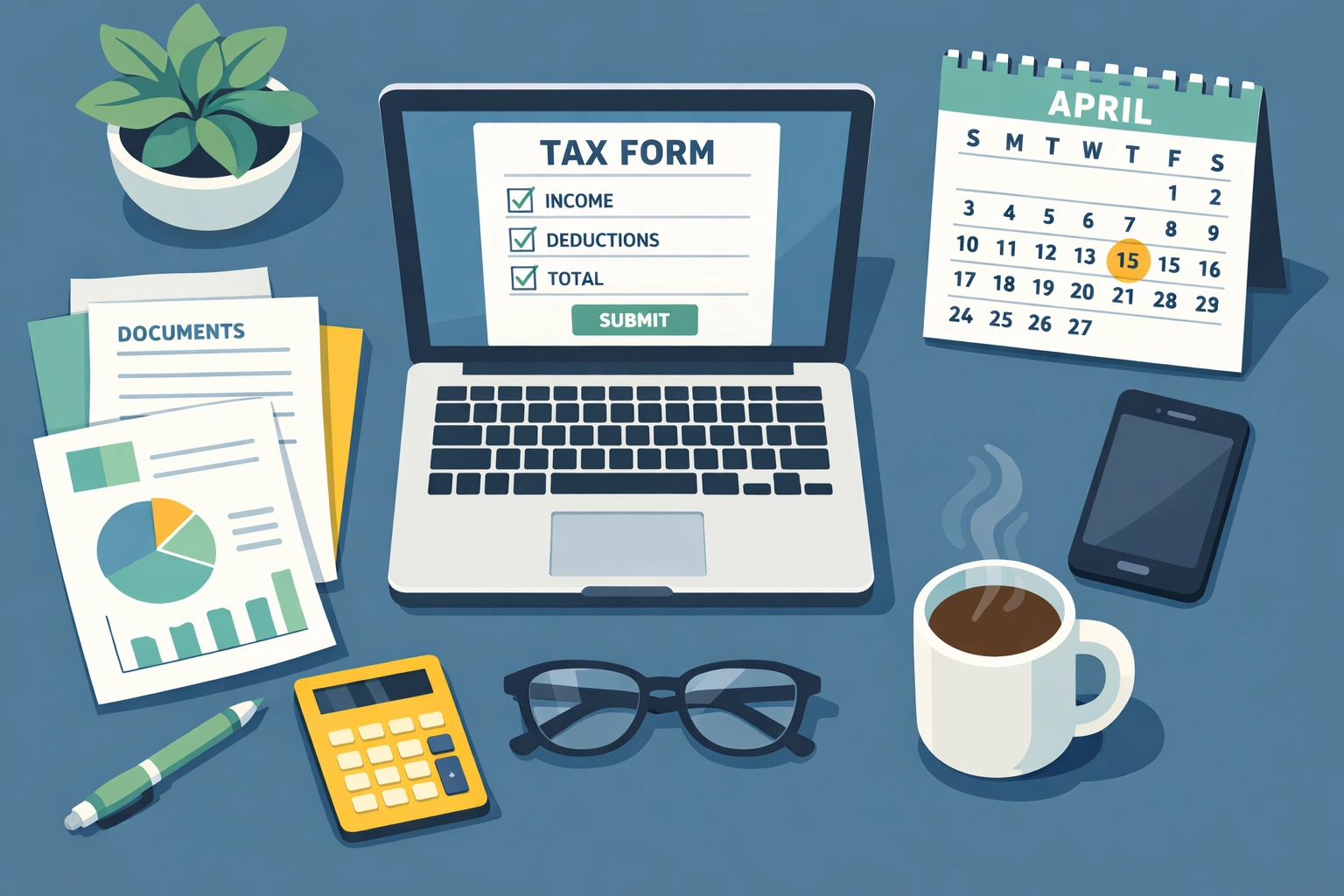
Look, April 15 is coming whether you're ready or not. And if you haven't started thinking about tax planning strategies to maximize your refund, you're leaving money on the table, possibly thousands of dollars.
The good news? You still have time to make smart tax planning moves that'll beef up your 2026 refund. But you need to act now, not scramble at the last minute with a shoebox full of receipts.
Here are five strategic tax planning moves every New Haven taxpayer should consider before filing season ends. These aren't complicated tricks, they're legitimate strategies that can seriously boost your refund or reduce what you owe.
1. Harvest Your Investment Losses (Yes, Even the Bad Ones)
Here's a strategy that turns your portfolio's underperformers into tax gold: capital loss harvesting.
If you have investments that tanked in 2025, selling them before you file can offset your investment gains and reduce your taxable income. You can deduct up to $3,000 in capital losses against your ordinary income annually.
How to do it:
- Review your brokerage statements for securities trading below your purchase price
- Sell underperforming investments before filing your return
- Use those losses to offset capital gains first, then up to $3,000 against regular income
- Carry forward additional losses to future tax years
This tax planning strategy works especially well if you had a profitable year in the stock market but held onto some losers. Turn those losses into deductions and watch your tax liability shrink.

2. Max Out Your Health Savings Account (HSA) Contributions
If you have a high-deductible health plan, your HSA isn't just a medical piggy bank: it's one of the best tax planning tools available.
For the 2025 tax year, you can still make contributions that reduce your taxable income. The limits are $4,300 for individual coverage and $8,550 for family coverage. If you're 55 or older, tack on an extra $1,000 catch-up contribution.
Why HSAs are tax planning gold:
- Contributions are tax-deductible (immediately lowers your taxable income)
- Money grows tax-free
- Withdrawals for qualified medical expenses are tax-free
- Unused funds roll over year after year
You can contribute to your HSA for the 2025 tax year up until the April filing deadline. That means you can file your return, see where your refund lands, and still make HSA contributions that'll give you a bigger refund. Then file an amended return if needed.
Pro tip: Even if you're healthy and don't use the money now, HSA funds never expire. Let them grow and use them tax-free in retirement for medical expenses.
3. Double-Check Your Withholding and Estimated Tax Payments
This one's not sexy, but it's crucial for tax planning: verify you didn't overpay or underpay your taxes in 2025.
Review these items:
- Total federal withholding from your W-2
- Connecticut state withholding amounts
- All four quarterly estimated tax payments (especially that January 15, 2026 payment)
- Any additional taxes withheld from bonuses or side income
If you massively overpaid, you're giving the IRS an interest-free loan. If you underpaid by more than 10%, you could face penalties and interest charges that eat into your refund.

Action step: Pull your pay stubs, 1099 forms, and payment receipts. Add up what you paid versus what you actually owe. If you chronically get huge refunds, adjust your withholding going forward: that's money you could be using throughout the year instead of waiting for Uncle Sam to send it back.
4. Optimize Your SALT Strategy and Pass-Through Entity Elections
If you're a small business owner or receive income from an S-corporation, partnership, or LLC, this tax planning move could save you serious money.
Connecticut allows pass-through entity tax (PTET) elections, which let business owners work around the $10,000 federal SALT deduction cap. The business pays the state tax, which is then deductible at the federal level as a business expense: not subject to the SALT cap.
Who should consider this:
- Owners of S-corps, partnerships, and multi-member LLCs
- Anyone hitting the $10,000 SALT cap on their federal return
- Taxpayers with significant pass-through income from Connecticut businesses
This gets complicated fast, which is where professional tax preparation makes a huge difference. A New Haven tax pro who understands Connecticut's PTET rules can structure this election to maximize your refund while staying fully compliant.
5. Update Your Estate Planning for Connecticut's 2026 Tax Changes
Connecticut increased its estate tax exemption to $15 million in 2026. If you made gifts or transfers in 2025, or if you're planning your estate, this tax update affects your current year filing.
Review these documents:
- Wills and trusts
- Beneficiary designations
- Gift tax returns filed in 2025
- Any large transfers made to family members
Even if you're not in the ultra-wealthy category, estate planning intersects with income tax planning in several ways:
- Charitable contributions can reduce taxable income
- Trust distributions may affect your tax bracket
- Timing of asset transfers impacts capital gains
If you made any significant gifts in 2025, discuss with a tax professional how this impacts your 2026 return. The estate tax exemption increase creates new planning opportunities you don't want to miss.
Don't Wing It: Work With a New Haven Tax Preparation Pro
Look, you can try to navigate all these tax planning strategies alone using DIY software. But here's the reality: most people miss deductions, misunderstand complex rules, and leave money on the table.
At Jose's Tax Service, we specialize in helping New Haven taxpayers maximize their refunds through strategic tax planning. We don't just fill out forms: we look for every legitimate deduction, credit, and strategy that puts more money back in your pocket.
Our concierge tax preparation includes:
- Comprehensive review of all income sources
- Strategic tax planning recommendations specific to your situation
- Connecticut-specific expertise (PTET elections, state credits, local deductions)
- Same-day appointments available for fast filers
- Direct deposit setup for faster refunds
Tax planning isn't something you do once a year in a panic. It's an ongoing strategy that saves you money consistently. But with April 15 approaching fast, now's the time to get professional help that actually moves the needle on your refund.
The Bottom Line on Tax Planning
These five tax planning moves work, but they require action before you file your 2026 return:
- Harvest investment losses to offset gains and reduce taxable income
- Max out HSA contributions for triple tax advantages
- Verify withholding and estimated payments to avoid overpaying or penalties
- Optimize SALT and PTET strategies if you own a business
- Update estate planning to reflect Connecticut's new exemption limits
Don't wait until April 14 to think about tax planning. The taxpayers who maximize their refunds are the ones who plan ahead and work with professionals who know the game inside and out.
Ready to stop leaving money on the table? Visit Jose's Tax Service or call to schedule your tax preparation appointment. We'll review your situation, implement these strategies where applicable, and make sure you're getting every dollar you deserve back from the IRS.
Because let's be honest: you worked hard for that money. You should keep as much of it as legally possible.

Leave a Reply
You must be logged in to post a comment.