
New Haven Tax Planning Alert: The Simple Trick to Add $800 to Your 2026 Refund (Most People Miss This)
New Haven, CT – February 5, 2026 – Connecticut taxpayers are leaving hundreds of dollars on the table this tax season. The "$800 trick" isn't actually a single deduction. It's a strategic combination of Connecticut-specific tax benefits that most New Haven residents don't know exist.
Here's what you need to know about maximizing your 2026 tax refund before the April 15 deadline.
The Real Story Behind the $800!
The figure comes from combining two separate Connecticut tax relief opportunities currently available to eligible taxpayers:
• Governor Lamont's Sales Tax Rebate: $200 per person ($400 for married couples filing jointly)
• Proposed Child Tax Credit: $600 per child (up to $1,800 per household with three or more children)
For a married couple with one child earning less than $400,000 annually, this combination equals $1,000 in potential tax relief. Single filers with one child can claim $800.

Breaking Down Connecticut's 2026 Tax Relief Opportunities!
Sales Tax Rebate Program
Governor Lamont's $500 million tax relief plan includes direct rebates to Connecticut residents. Eligibility requirements are straightforward:
• Individual income below $400,000 (single filers)
• Joint income below $400,000 (married filing jointly)
• Connecticut residency for the full 2025 tax year
• Valid Social Security number or ITIN
Action Required: File your 2025 Connecticut state income tax return (Form CT-1040) by April 15, 2026. The rebate will be processed automatically if you meet income thresholds. No separate application is necessary.
Child Tax Credit Proposal
The Connecticut legislature is considering a $600-per-child income tax credit for the 2025 tax year. While not yet finalized, tax preparers in New Haven should monitor this development closely.
Current Status: Under legislative review as of February 2026. Expected decision by March 15, 2026.
Potential Impact: Families with qualifying dependents could reduce their Connecticut state tax liability by $600 per child, with a maximum credit of $1,800 per household.
Additional Tax Planning Strategies for New Haven Residents!
Maximize Health Savings Account Contributions
Taxpayers with high-deductible health plans (HDHPs) can reduce taxable income through HSA contributions. The 2025 contribution limits remain:
• $4,300 for individual coverage
• $8,550 for family coverage
• Additional $1,000 catch-up contribution for taxpayers age 55 or older
Filing Instruction: Report HSA contributions on Form 8889 when filing your federal return. Contributions made by April 15, 2026, can be applied to tax year 2025.

Strategic Gift Tax Exclusions
Connecticut residents can transfer wealth tax-free using annual gift exclusions:
• $19,000 per recipient (individual donors)
• $38,000 per recipient (married couples using gift-splitting)
Application: Complete Form 709 (United States Gift Tax Return) only if gifts exceed annual exclusion amounts. Gifts below thresholds require no reporting.
Connecticut Estate Tax Exemption Increase
Connecticut's estate tax exemption increased to $15 million per person ($30 million for married couples) effective January 1, 2026. This represents a significant planning opportunity for high-net-worth New Haven residents.
Planning Deadline: Review and update beneficiary designations, wills, and trust documents before December 31, 2026, to maximize exemption benefits.
Common Tax Preparation Mistakes That Cost New Haven Taxpayers Money!
Missing Local Tax Credits
Connecticut offers multiple tax credits that require proactive claiming:
• Property Tax Credit (Schedule CT-1040 Credit)
• Earned Income Tax Credit (Connecticut EITC)
• College Savings Plan Deduction (CHET contributions)
Important: These credits are not automatically applied. You must complete specific schedules and attach supporting documentation.
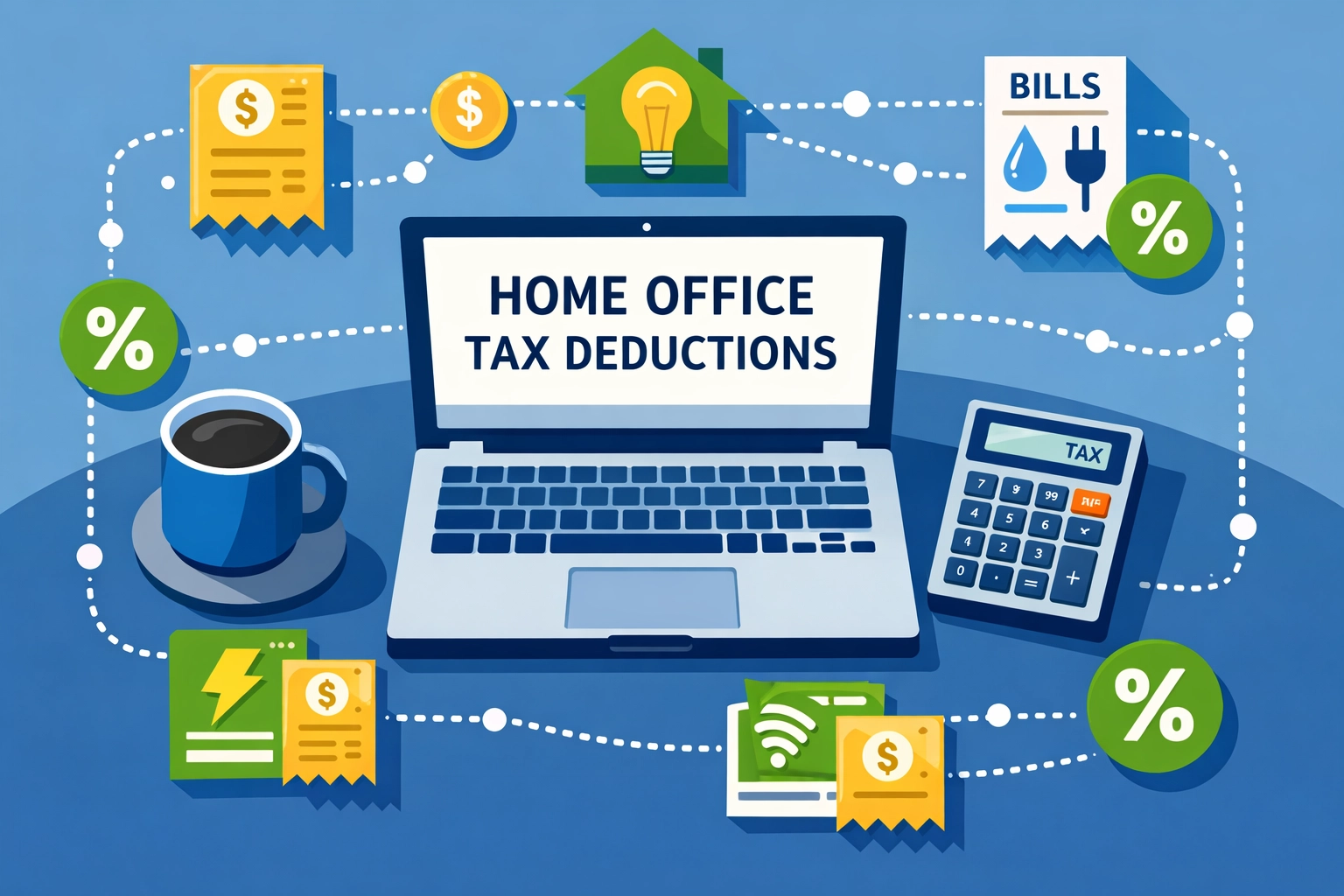
Incomplete Recordkeeping for Home Office Deductions
Self-employed New Haven residents and freelancers frequently underreport home office expenses. Eligible deductions include:
• Mortgage interest or rent (proportional to office space)
• Utilities and internet service
• Home repairs and maintenance
• Property insurance
Documentation Required: Maintain receipts, utility bills, and square footage calculations. Use Form 8829 (Expenses for Business Use of Your Home) when filing Schedule C.
Overlooking Retirement Contribution Opportunities
Traditional IRA and 401(k) contributions reduce adjusted gross income, which can lower both federal and Connecticut state tax liability.
2025 Contribution Limits:
• Traditional/Roth IRA: $7,000 ($8,000 age 50+)
• 401(k)/403(b): $23,000 ($30,500 age 50+)
Critical Deadline: IRA contributions for tax year 2025 must be made by April 15, 2026. Employer-sponsored plan contributions must occur during the calendar year.
How Jose's Tax Service Helps New Haven Residents Maximize Refunds!
Tax preparation requires understanding both federal regulations and Connecticut-specific provisions. Our New Haven-based tax professionals specialize in:
• Connecticut state tax credit optimization
• Small business deduction planning
• Multi-state tax return preparation
• IRS audit support and representation
Service Options: Virtual consultations available for New Haven residents. Schedule your tax planning session at josestaxservice.com.
Action Steps to Claim Your Maximum 2026 Refund!
Before March 15, 2026:
- Gather all W-2 and 1099 forms
- Compile receipts for potential deductions
- Review Connecticut legislative updates on child tax credit
- Calculate estimated state tax liability
Before April 15, 2026:
- File federal Form 1040 and Connecticut Form CT-1040
- Claim all eligible credits and deductions
- Make final IRA contributions if applicable
- Submit estimated tax payments for 2026 (Form CT-1040ES)
After Filing:
- Monitor refund status using IRS "Where's My Refund?" tool
- Track Connecticut sales tax rebate distribution
- Schedule quarterly estimated tax payments if self-employed
- Review tax planning strategies for 2026 tax year

Understanding Connecticut Tax Update Timelines!
The Connecticut Department of Revenue Services (DRS) processes state returns separately from federal returns. Typical processing times:
• Electronic filing with direct deposit: 4-6 weeks
• Paper filing: 8-12 weeks
• Returns requiring manual review: 12-16 weeks
Delay Factors: Incomplete forms, math errors, missing schedules, or income verification issues can extend processing times.
Final Considerations for Tax Planning in New Haven!
Tax planning extends beyond annual filing. Quarterly review of income, deductions, and estimated tax payments helps avoid underpayment penalties and maximizes refund potential.
Professional Guidance: Connecticut's tax code contains numerous provisions that benefit specific taxpayer situations. Working with experienced tax preparers ensures compliance while identifying all available deductions and credits.
Legislative Monitoring: Tax laws change frequently. The proposed child tax credit demonstrates the importance of staying informed about pending legislation that may affect your tax liability.
For personalized tax preparation assistance and guidance on maximizing your 2026 refund, contact Jose's Tax Service. Our team specializes in Connecticut state tax planning and serves the greater New Haven area with both in-person and virtual consultation options.
Next Steps: Review your 2025 tax documents and schedule a consultation to discuss your specific tax situation. The April 15 deadline approaches quickly, and early preparation ensures you claim every dollar you're entitled to receive.

Leave a Reply
You must be logged in to post a comment.