
Maximize Your Tax Refund in 2026: 7 Mistakes You’re Making (and How to Fix Them)
Tax season 2026 is shaping up to be one of the best refund years in over a decade. The IRS expects roughly 63% of Americans to receive refunds averaging more than $3,000: with many seeing even larger returns thanks to new tax law changes. But here's the catch: most taxpayers are leaving money on the table without even realizing it.
After years of preparing returns for families and small businesses in New Haven and beyond, I've seen the same costly mistakes repeated every single season. The good news? These errors are completely avoidable. Let's break down the seven biggest mistakes that could be costing you hundreds (or even thousands) of dollars, and exactly how to fix them.
Mistake #1: Taking the Standard Deduction Without Checking Itemization
The Error: You automatically take the standard deduction because it seems simpler.
Most taxpayers choose the standard deduction: $14,600 for single filers and $29,200 for married couples filing jointly in 2026: without ever calculating whether itemizing would save them more money. This is understandable. Itemizing requires more documentation and effort.
The Fix:
Run both scenarios before filing. With the 2026 tax law increasing the state and local taxes (SALT) cap, itemizing deductions may now yield significantly greater savings for families who previously couldn't maximize this benefit.
Common itemizable expenses include:
- Mortgage interest payments
- Property taxes and state income taxes (within the SALT cap)
- Charitable donations and contributions
- Medical expenses exceeding 7.5% of your adjusted gross income (AGI)
- Work-related expenses not reimbursed by your employer
Keep all receipts and documentation throughout the year. The IRS may request proof of any itemized deduction claimed on your return.

Mistake #2: Missing New Deductions Introduced in 2026
The Error: You file based on last year's knowledge without researching new deductions.
The 2026 tax law introduced several deductions that weren't available in previous years. Many taxpayers simply don't know these exist.
The Fix:
Claim every new deduction available. These may include deductions for overtime pay, tips received, and certain vehicle expenses. Even small deductions accumulate quickly: claiming all eligible deductions could result in one of the largest refunds in 15 years.
Action steps:
- Request documentation from your employer showing overtime hours worked and tips reported
- Maintain detailed logs of work-related mileage and vehicle expenses
- Document home office usage if you're self-employed or working remotely
- Track any professional development or licensing fees paid out-of-pocket
Don't assume something isn't deductible. When in doubt, ask a tax professional who stays current with changing regulations.
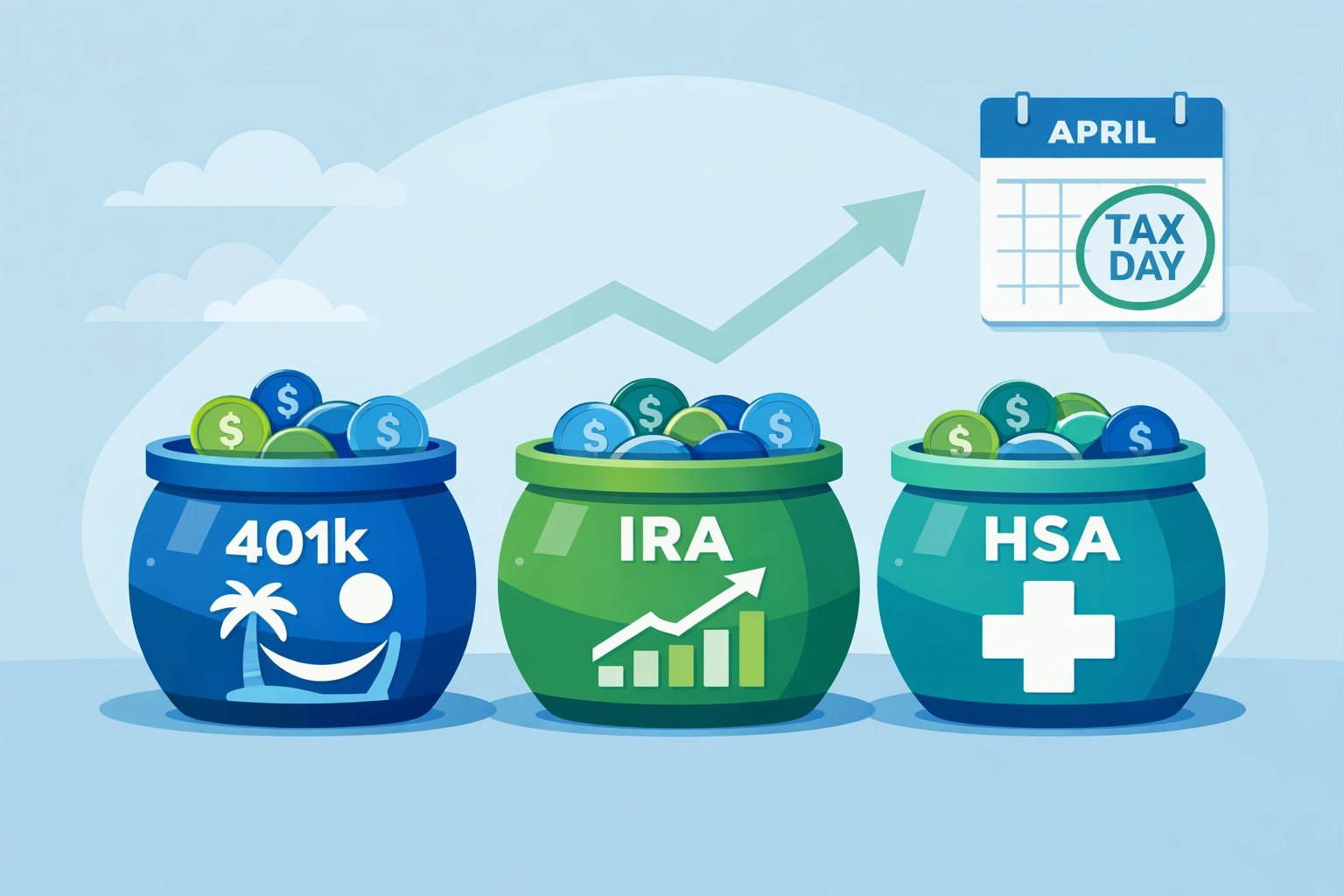
Mistake #3: Failing to Maximize Retirement and HSA Contributions
The Error: You miss the tax deadline for retirement contributions or don't utilize Health Savings Accounts (HSAs).
Many taxpayers don't realize you can still make contributions to traditional Individual Retirement Accounts (IRAs) up until the filing deadline and have those contributions count toward the previous tax year.
The Fix:
Contribute to retirement accounts like 401(k)s, traditional IRAs, and Health Savings Accounts before the tax deadline to reduce your taxable income. On average, every $25 reduction in taxable income lowers your taxes by approximately $5.
For 2026 tax year:
- Traditional IRA contribution limit: $7,000 ($8,000 if age 50 or older)
- 401(k) contribution limit: $23,500 ($31,000 if age 50 or older)
- HSA contribution limit: $4,150 for individuals, $8,300 for families
You have until April 15, 2027 to open or contribute to a traditional IRA for the 2026 tax year. This is one of the easiest ways to maximize your tax refund while simultaneously building your retirement savings.

Mistake #4: Poor Timing of Income and Expenses
The Error: You don't strategically plan when to receive income or incur deductible expenses.
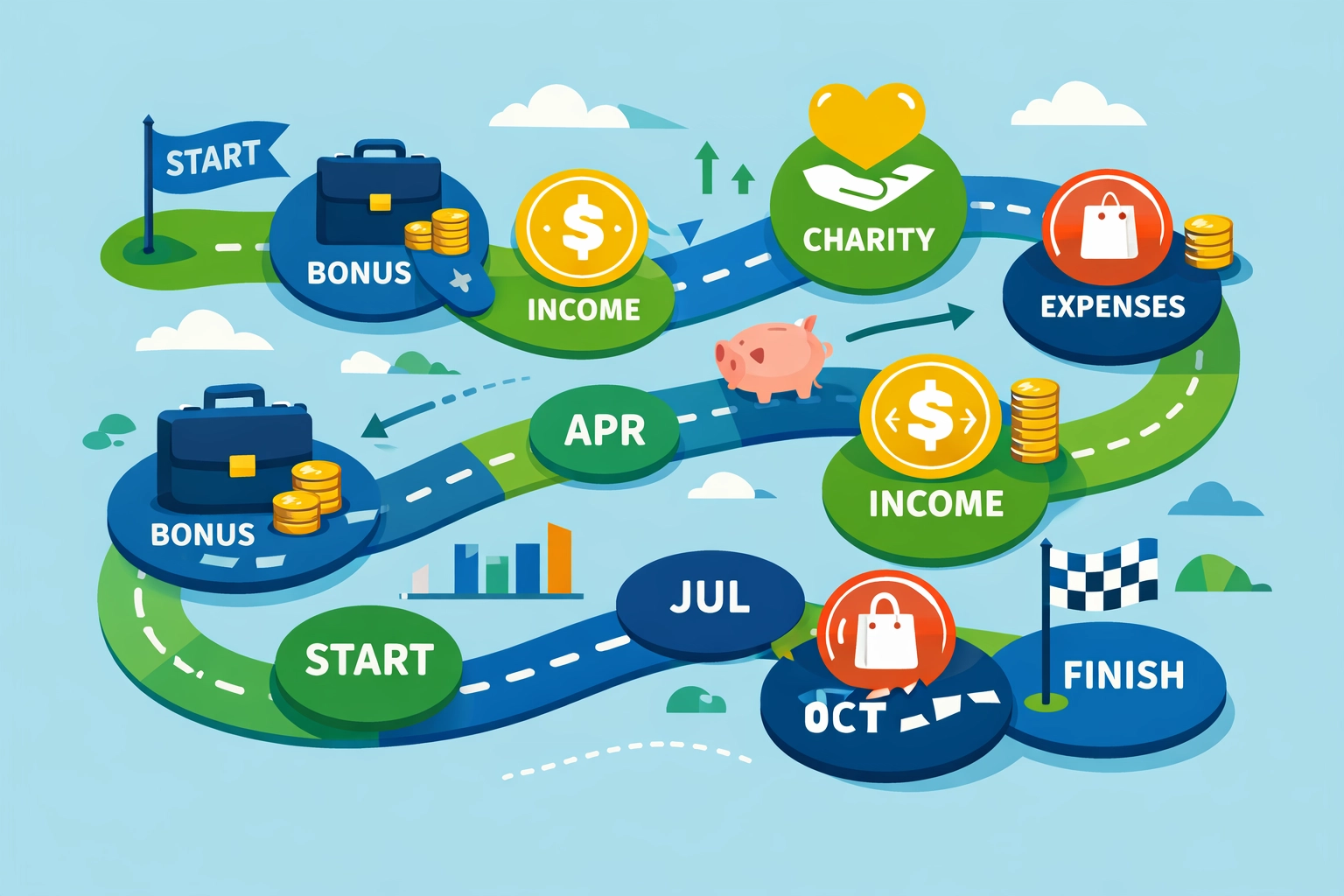
Tax planning isn't just about what you claim: it's also about when you claim it. Receiving a large bonus in December versus January could push you into a higher tax bracket, costing you significantly more in taxes.
The Fix:
Plan your income timing to avoid higher tax brackets whenever possible. Delay bonuses or freelance payments to the next tax year if they would push you into a higher bracket this year. Conversely, accelerate deductions and charitable giving into the current tax year.
Strategies to implement:
- If self-employed, purchase necessary office equipment and software before year-end to qualify for immediate deductions
- Schedule elective medical procedures in years when you're more likely to exceed the AGI threshold for medical deductions
- Bunch charitable contributions into alternating years to exceed the standard deduction threshold
- Consider deferring year-end invoices to January if you're close to a bracket threshold
This level of strategic tax planning is where professional guidance really pays off.
Mistake #5: Not Claiming All Eligible Tax Credits
The Error: You focus only on deductions and overlook valuable tax credits.
Tax credits reduce your tax bill dollar-for-dollar, making them even more valuable than deductions. Yet many taxpayers miss credits they're eligible for simply because they don't know about them.
The Fix:
Go beyond deductions by claiming every tax credit you qualify for. Credits directly reduce your tax bill, and some are even refundable, meaning you can receive money even if you owe no taxes.
Common credits to check:
- Child Tax Credit: Up to $2,000 per qualifying child
- Child and Dependent Care Credit: For childcare expenses
- Earned Income Tax Credit (EITC): For low-to-moderate income workers
- American Opportunity Credit: Up to $2,500 for qualified education expenses
- Lifetime Learning Credit: For continuing education
- Saver's Credit: For retirement contributions if you meet income requirements
- Residential Energy Credit: For home energy improvements
Each credit has specific eligibility requirements and documentation needs. Double-check all qualifications before filing.
Mistake #6: Using the Wrong Filing Status
The Error: You automatically use the same filing status you've always used without reconsidering.
Your filing status significantly impacts your tax brackets, standard deduction amount, and credit eligibility. Life changes like marriage, divorce, or having dependents should prompt a filing status review.
The Fix:
Rethink your filing status annually. Sometimes the "obvious" choice isn't the most beneficial.
Filing status options:
- Single
- Married Filing Jointly
- Married Filing Separately
- Head of Household
- Qualifying Surviving Spouse
For example, if you're unmarried but provide more than half the cost of maintaining a home for a qualifying dependent, you may qualify for Head of Household status: which offers better tax brackets and a higher standard deduction than filing as Single.
Married couples should run calculations for both joint and separate filing to determine which saves more money. In some cases: particularly when one spouse has significant medical expenses or miscellaneous deductions: filing separately may result in lower combined taxes.
Mistake #7: Not Working With a Tax Professional
The Error: You attempt complex tax situations with DIY software alone.
Tax software has improved dramatically, but it can't replace the strategic insight and personalized guidance of an experienced tax professional. Software asks questions, but it can't identify opportunities you don't know to look for.
The Fix:
Partner with a CPA or professional tax preparer who can identify deductions and credits you may not know about and help prevent costly mistakes. This is particularly valuable for optimizing income timing and ensuring you claim all available benefits.
A qualified tax professional can:
- Spot deductions specific to your industry or situation
- Provide year-round tax planning, not just April preparation
- Represent you if the IRS has questions about your return
- Help structure business transactions for maximum tax efficiency
- Keep you informed about changing tax laws that affect your situation
For those seeking tax preparation in New Haven and surrounding areas, working with a local professional who understands Connecticut-specific tax considerations can make a significant difference in your refund amount.
Take Action Now to Maximize Your Tax Refund!
The IRS expects this to be one of the best refund seasons in years, but only if you avoid these seven common mistakes. Start by gathering your documentation, reviewing new 2026 deductions, and considering whether professional guidance could help you claim every dollar you deserve.
Don't leave money on the table this year. Each of these mistakes is costing taxpayers hundreds or thousands of dollars: money that should be staying in your pocket. By implementing these strategies systematically, you can reduce your tax liability and maximize your return.
Need help navigating the 2026 tax changes and ensuring you get the maximum refund possible? Jose's Tax Service specializes in identifying deductions and credits that other preparers miss. Contact us today to schedule your consultation and discover how much more you could be getting back.

Leave a Reply
You must be logged in to post a comment.