
Maximize Your Tax Refund in 2026: 7 Mistakes You’re Making (and How to Fix Them)
Tax season is here, and the IRS is projecting significantly larger refunds in 2026 due to new tax law changes. But here's the catch: you'll only see that bigger refund if you avoid the most common filing mistakes that cost taxpayers thousands of dollars every year.
Most people leave money on the table without even realizing it. You're not alone if you've made these errors in the past. The good news? Every single one of these mistakes is fixable. Let's dive into the seven most costly tax filing errors and exactly how to correct them before you submit your 2026 return.
Mistake #1: Filing Your Return Too Quickly Without Proper Organization!
You receive your W-2 in January and immediately rush to file your return. Stop right there.
Filing too quickly is one of the biggest mistakes taxpayers make. When you rush through your tax preparation, you increase the likelihood of errors, omissions, and missed deductions that directly reduce your refund amount.
How to fix it:
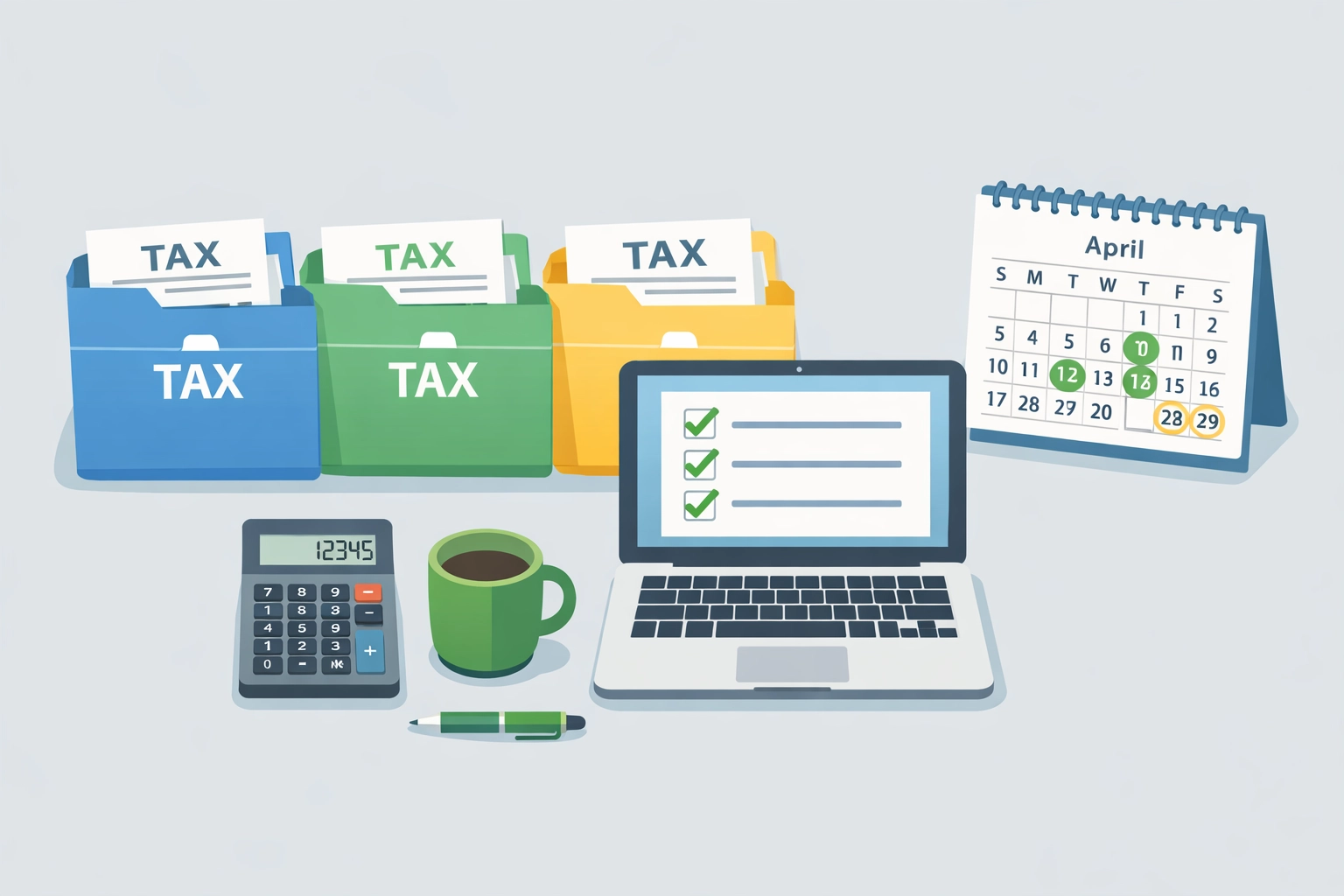
Create a comprehensive filing checklist before you start. Gather all tax forms (W-2s, 1099s, 1098s), receipts for deductible expenses, records of charitable donations, medical expense receipts, and documentation of any work-related expenses. Organize these documents by category in labeled folders or digital files.
Set aside dedicated time to review your documents thoroughly. Double-check that all information matches official records. This systematic approach reduces errors and ensures you claim every deduction you're entitled to receive.
Mistake #2: Missing Filing Deadlines and Extensions!
The April deadline arrives faster than you think. Missing this deadline triggers automatic penalties and interest charges that eat into your refund or increase your tax bill.
Even requesting an extension may not protect you completely. An extension gives you more time to file, but it doesn't extend your time to pay. If you owe taxes, you must still pay by the original deadline to avoid penalties.
How to fix it:
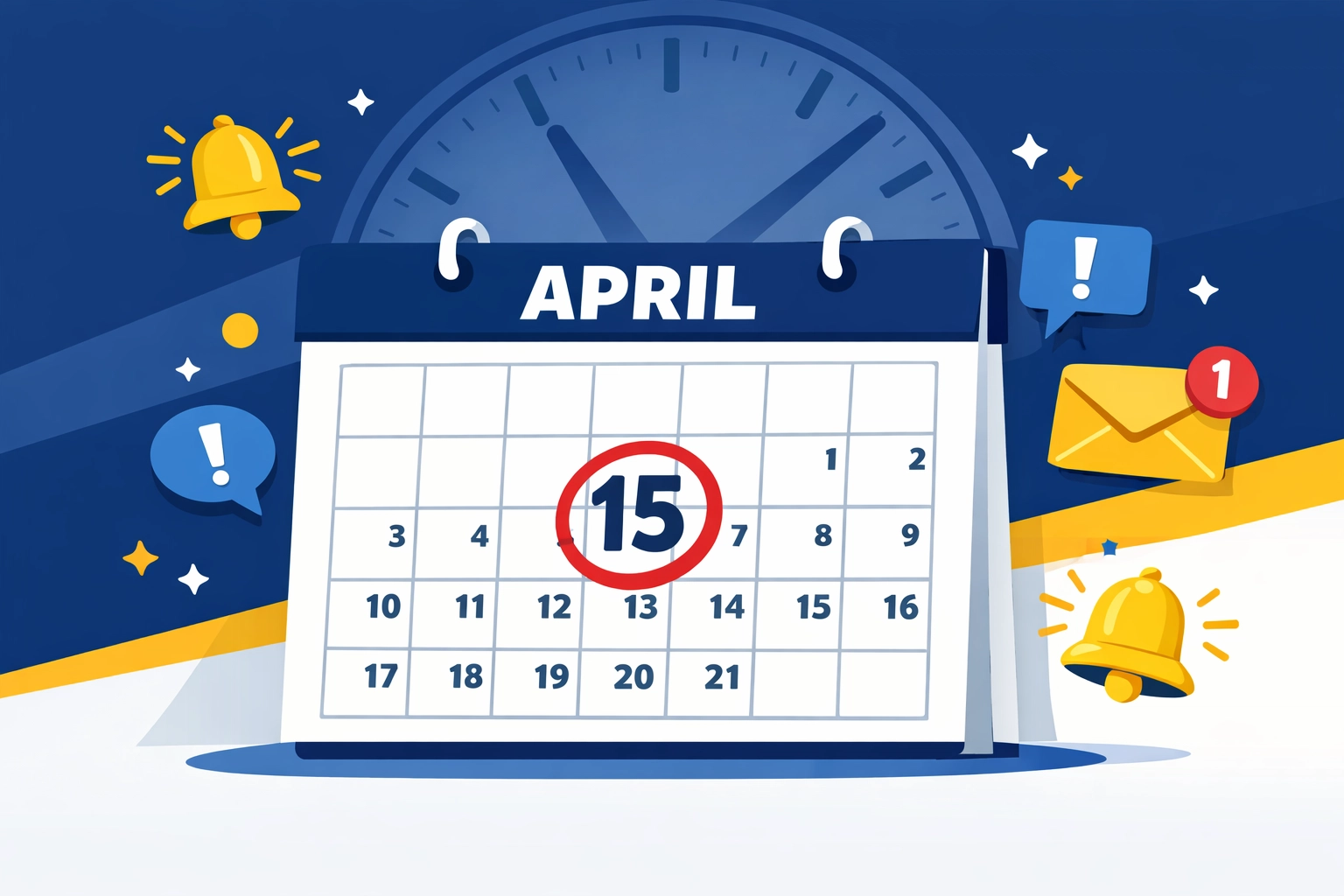
Mark your calendar with these critical dates: April 15, 2026 (standard filing deadline) and October 15, 2026 (extension deadline). Set reminders two weeks before each deadline.
If you cannot file by April 15, submit Form 4868 to request an automatic six-month extension. Make an estimated payment with your extension request if you owe taxes. This strategy minimizes penalties and gives you time to prepare an accurate return.
Mistake #3: Failing to Claim All Eligible Tax Credits!
Tax credits offer dollar-for-dollar tax reduction, making them far more valuable than deductions. A $1,000 tax credit saves you exactly $1,000 on your tax bill. Yet millions of taxpayers miss out on credits they qualify for simply because they don't know these credits exist.
Common credits include the Child Tax Credit, Earned Income Tax Credit (EITC), education credits (American Opportunity Credit and Lifetime Learning Credit), Child and Dependent Care Credit, and energy-efficient home improvement credits.
How to fix it:
Review the complete list of available tax credits on IRS.gov. Determine which credits apply to your situation based on income, dependents, education expenses, and home improvements made during the tax year.
Gather supporting documentation for each credit you plan to claim. This includes Social Security numbers for dependents, Form 1098-T for education credits, and receipts for energy-efficient improvements. Use IRS Form 1040 and the appropriate schedules to claim these credits correctly.
Working with a tax preparation professional in New Haven ensures you identify every credit available to you. A concierge tax pro specializes in finding credits you might overlook on your own.
Mistake #4: Automatically Taking the Standard Deduction Without Comparing!
The standard deduction increased for 2026, and most taxpayers automatically claim it without considering whether itemizing would save them more money. This decision can cost you hundreds or even thousands of dollars in lost refund potential.
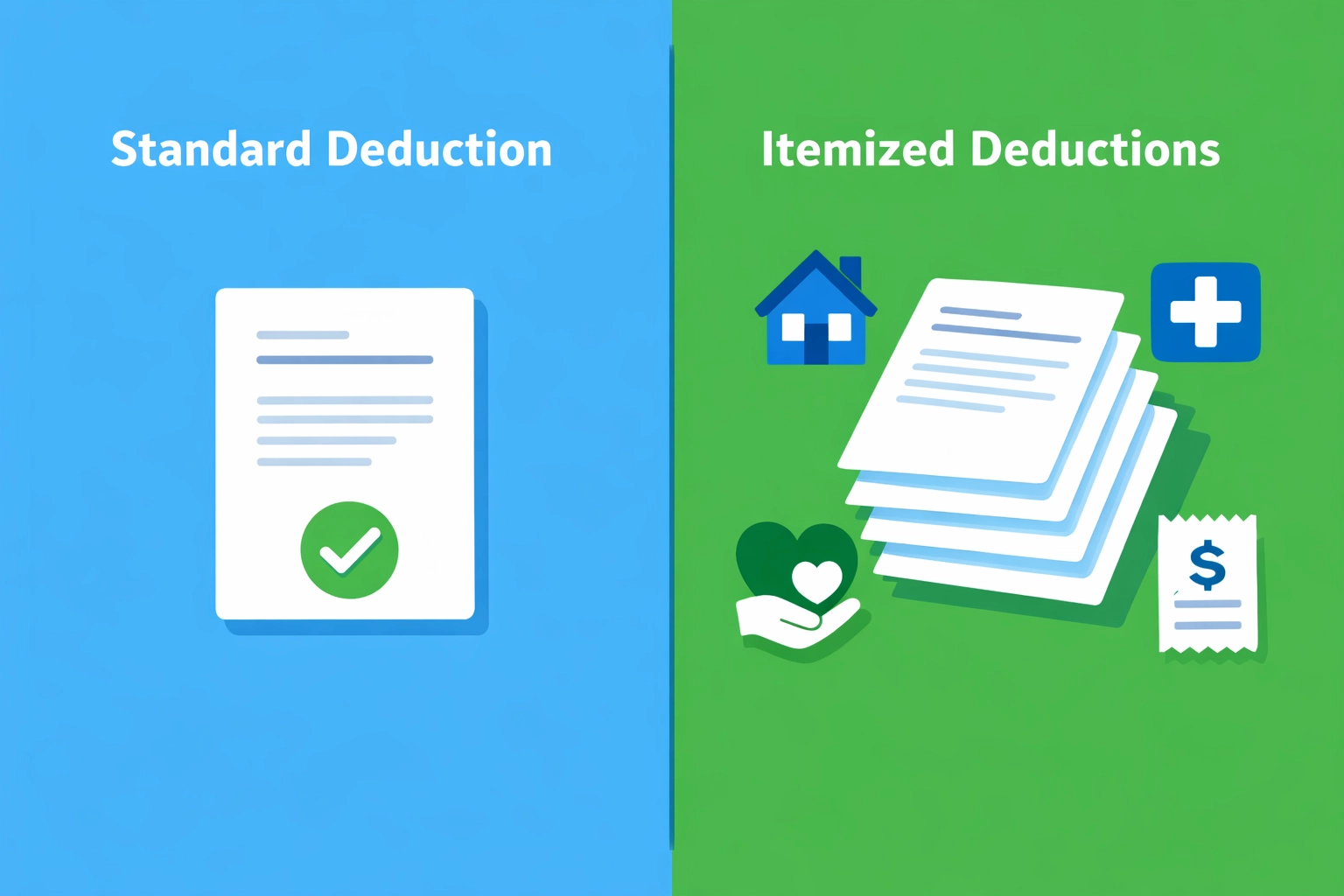
Itemized deductions include state and local taxes (SALT), mortgage interest, charitable contributions, medical expenses exceeding 7.5% of your adjusted gross income (AGI), and certain unreimbursed employee expenses.
How to fix it:
Calculate your total itemized deductions before choosing. Add up your mortgage interest (Form 1098), state and local taxes, charitable donations (keep all receipts), and qualifying medical expenses.
Compare this total to your standard deduction amount ($14,600 for single filers, $29,200 for married filing jointly in 2026). Choose whichever option gives you the larger deduction and reduces your taxable income more.
Use Schedule A (Form 1040) to report itemized deductions. Keep all supporting documentation in case the IRS requests verification.
Mistake #5: Overlooking New 2026 Tax Deductions!
The 2026 tax law introduced several new deductions specifically designed to help middle-class families, small business owners, and workers who earn overtime or tips. Many taxpayers don't know these deductions exist yet.
New deductions for 2026 include expanded deductions for overtime pay, enhanced tip income deductions, and increased work-related expense deductions for certain employees.
How to fix it:
Request detailed documentation from your employer showing your overtime hours and tip income. Keep a comprehensive log of all work-related expenses, including uniforms, tools, professional development courses, and travel expenses directly related to your job.
Consult IRS Publication 529 for the complete list of allowable work-related deductions. Maintain detailed records including dates, amounts, and business purposes for each expense.
Small business tax services in New Haven can help you navigate these new deductions and ensure you claim every dollar you're entitled to receive.

Mistake #6: Ignoring Tax-Advantaged Account Contributions!
Failing to maximize contributions to retirement accounts and Health Savings Accounts (HSAs) means missing significant opportunities to reduce your taxable income. These contributions lower your adjusted gross income, which reduces your overall tax bill and may qualify you for additional credits.
Traditional 401(k) contributions, traditional IRA contributions, and HSA contributions all reduce your current-year taxable income. The contribution limits for 2026 are substantial, yet many taxpayers don't take full advantage.
How to fix it:
Review your 2026 contribution limits: $23,000 for 401(k) plans ($30,500 if age 50 or older), $7,000 for IRAs ($8,000 if age 50 or older), and $4,300 for individual HSA coverage ($8,550 for family coverage).
Increase your contribution percentages through your employer's payroll system. If you're self-employed, set up automatic transfers to your retirement accounts. Make catch-up contributions before year-end to maximize your tax savings.
HSA contributions offer triple tax benefits: tax-deductible contributions, tax-free growth, and tax-free withdrawals for qualified medical expenses. Maximize this account first if you have a high-deductible health plan.
Mistake #7: Poor Income Timing Strategy!
If you control when you receive certain payments, strategic timing can keep you in a lower tax bracket and maximize your refund. This applies especially to self-employed individuals, freelancers, and those who receive bonuses.
Income received in one calendar year counts toward that year's tax return. Pushing income to the following year or accelerating deductions into the current year can significantly impact your tax liability.
How to fix it:
Review your current year-to-date income and estimate where you'll land within the tax brackets. If you're close to a bracket threshold, delay invoicing or receiving payments until January 2027.
Accelerate charitable donations, retirement contributions, and deductible expenses into 2026 if you need to reduce this year's taxable income. Make your January mortgage payment in December to claim an extra month of interest deduction.
Consult with a concierge tax pro who can model different scenarios and recommend the optimal timing strategy for your specific situation. Professional tax planning throughout the year beats last-minute scrambling every time.
Take Action Now to Maximize Your Tax Refund!
These seven mistakes cost taxpayers thousands of dollars in lost refunds every year. The difference between a basic return and a maximized refund often comes down to expertise, organization, and strategic planning.
Virtual tax preparation services make it easier than ever to work with experienced professionals who specialize in finding every deduction and credit you qualify for. You don't have to navigate complex tax laws alone.
At Jose's Tax Service, our concierge approach means we review every aspect of your financial situation to ensure you keep more of your hard-earned money. We specialize in helping New Haven residents and small business owners maximize their refunds through strategic tax planning and meticulous preparation.
Don't leave money on the table this tax season. Schedule your consultation today and discover what you've been missing. Your bigger refund is waiting.
Visit Jose's Tax Service to learn more about our comprehensive tax preparation services and how we can help you avoid these costly mistakes in 2026.

Leave a Reply
You must be logged in to post a comment.