
Maximize Your Tax Refund in 2026: 7 Mistakes You’re Making (and How to Fix Them)
NEW HAVEN, CT – JOSE’S TAX SERVICE – MARCH 3, 2026
Tax season is officially in high gear, and if you’re like most folks in New Haven, you’re looking at your documents and wondering, "How do I make sure I’m not leaving money on the table?" I’m Jose’ Morales, CEO of Jose’s Tax Service, and I see it every year: hardworking people missing out on thousands of dollars because of small, avoidable errors.
The 2026 tax landscape is unique. With the sunsetting of several provisions from previous tax acts and new adjustments to inflation brackets, the way you filed two years ago might not be the most efficient way to maximize tax refund results today. If you want to keep more of your hard-earned money, you need to stop making these seven common mistakes.
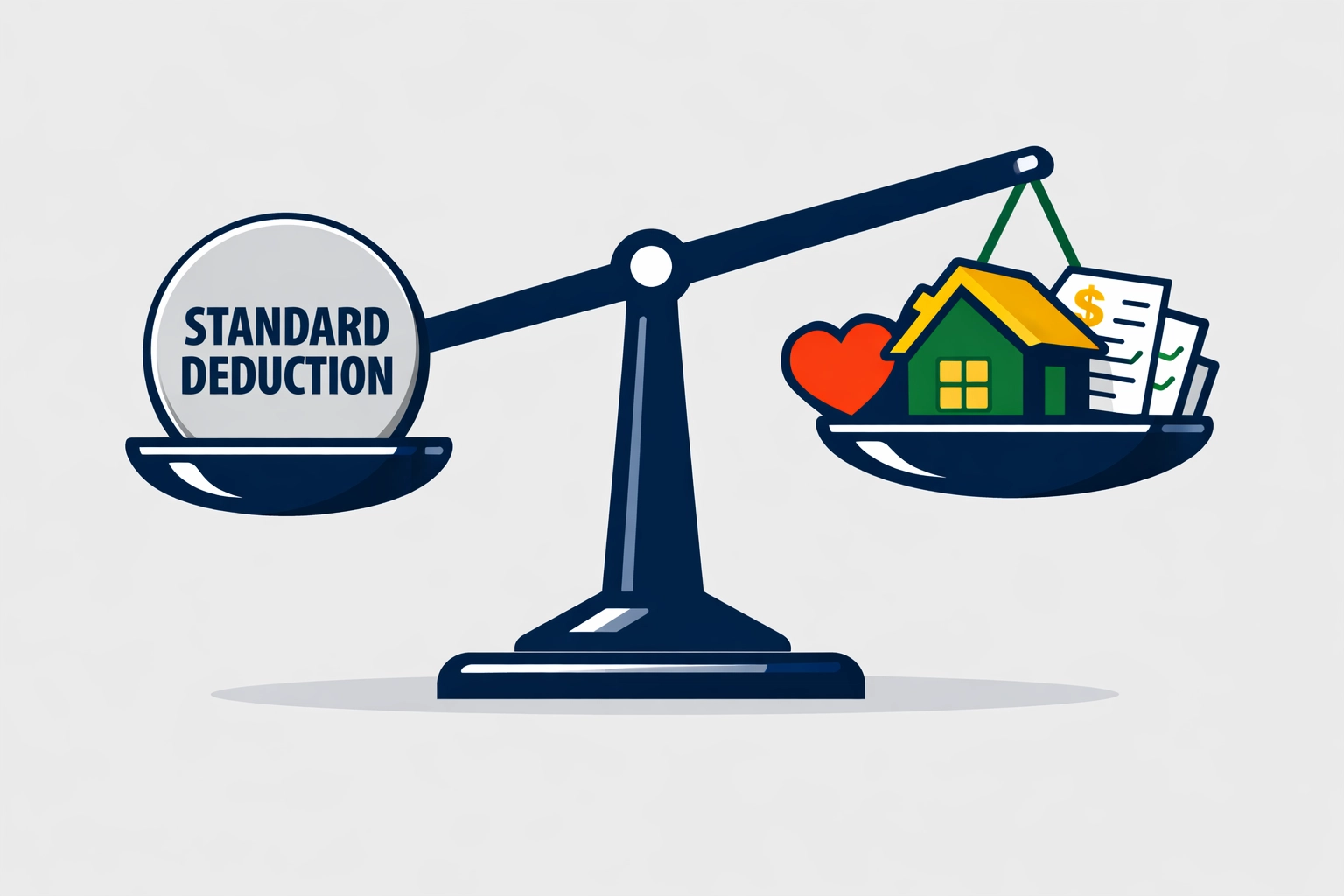
1. Defaulting to the Standard Deduction Without Running the Numbers
For years, the standard deduction was so high that itemizing didn't make sense for the majority of taxpayers. However, in 2026, the math has shifted for many families, especially here in Connecticut.
One of the biggest changes involves the State and Local Tax (SALT) deduction limit. If you own a home in the New Haven area, your property taxes plus your state income taxes often exceed the old caps. By failing to check if itemizing is better, you might be ignoring thousands in deductible expenses.
How to fix it:
- Gather all receipts for mortgage interest (Form 1098).
- Calculate your total state and local taxes paid.
- Total your charitable contributions (both cash and goods).
- Compare the total to the 2026 standard deduction for your filing status.
2. Overlooking "Hidden" Tax Credits
Deductions are great because they lower your taxable income, but credits are the gold standard because they reduce your tax bill dollar-for-dollar. Many taxpayers stop at the Child Tax Credit (CTC) and assume they’ve claimed everything.
In 2026, we are seeing more rigorous eligibility checks for:
- The Earned Income Tax Credit (EITC): Even if you didn't qualify last year, a change in income or family size could make you eligible now.
- Education Credits: If you or a dependent attended college, the American Opportunity Tax Credit (AOTC) can provide up to $2,500 per student.
- Dependent Care Credits: If you paid for childcare so you could work, you might be entitled to a significant credit.
If you aren't sure which credits apply to you, it’s time to consult a concierge tax pro who can dig into your specific financial life to find these savings.
3. Disorganized Record Keeping and Missing Documentation
You can’t claim what you can’t prove. I’ve had clients tell me they spent $5,000 on work-related travel, but without a log or receipts, the IRS won't accept it if you're audited. This "guessing game" often leads to taxpayers playing it too safe and claiming less than they deserve to avoid "red flags."
Actionable Steps:
- Use Digital Tools: Scan receipts immediately using a mobile app.
- Separate Accounts: If you have a side hustle or small business, keep a dedicated bank account for it.
- Review Bank Statements: Look through your 2025 statements for recurring professional dues, subscriptions, or equipment purchases.
Maintaining organized records is the best way to ensure you maximize tax refund potential while staying compliant with IRS regulations.
4. Falling for the "DIY Software" Trap
The convenience of "free" or cheap tax software is tempting. However, these programs are built on algorithms, not intuition. They ask basic questions but often fail to catch the nuances of a complex financial situation, such as remote work expenses, crypto trades, or rental property depreciation.
When you use a generic software package, you are essentially doing the data entry for the IRS. A human expert at Jose's Tax Service looks for the story behind the numbers. We ask the follow-up questions that the software doesn't know to ask.

5. Mismanaging Income Timing and "The Bracket Jump"
Tax planning isn't just about what you do in March; it’s about what you did all year. One mistake I see frequently is people not realizing they are on the edge of a higher tax bracket.
If you are self-employed or a freelancer in New Haven, you have more control over this than you think.
- Accelerate Expenses: If you know you're going to have a high-income year, buy that necessary office equipment before December 31st to lower your taxable income.
- Defer Income: If a project payment isn't due until January, don't rush it into December if it will push you into a 24% or 32% bracket.
For more tips on managing business finances, check out our Small Business Learning Center.
6. Ignoring New Haven Specific Credits and State Incentives
While everyone focuses on the federal return, Connecticut residents often overlook state-specific opportunities. Connecticut has specific rules regarding retirement income exemptions and property tax credits that can significantly impact your bottom line.
Using a local expert for tax preparation New Haven means you’re working with someone who understands the CT-1040 and how it interacts with your federal 1040. We ensure you aren't overpaying the state while trying to save on federal taxes.
7. Waiting Until the Last Minute to File
Procrastination is the enemy of a high refund. When you rush to meet the April 15th deadline (or the October extension), you make mistakes. You forget that one 1099-INT from a savings account, or you miss a signature on a form.
The Consequences of Rushing:
- Math Errors: Even with computers, manual entry errors happen when you're tired and stressed.
- Missing Forms: If the IRS receives a 1099 that you didn't report, it triggers an automated notice (CP2000), which can lead to penalties and interest.
- Processing Delays: The longer you wait, the longer the IRS takes to process your refund.

How to Fix These Mistakes Today
The good news is that it’s not too late to fix your 2026 filing strategy. Whether you've already started or haven't even looked at a W-2 yet, taking a professional approach will yield better results than guessing.
Step 1: Get a Professional Review.
If you’ve already filed and realized you missed something, we can help you file an amended return (Form 1040-X). If you haven't filed yet, request a quote to see how we can help.
Step 2: Go "Concierge."
A concierge tax pro provides a level of service that goes beyond simple data entry. We offer year-round planning to ensure that next year’s refund is even better. This includes reviewing your withholdings and suggesting retirement contributions that lower your tax bill.
Step 3: Organize for the Future.
Don't let 2027 be a repeat of 2026. Start using our e-signing portal and digital tools to stay ahead of the curve.
Final Thoughts from Jose'
At Jose’s Tax Service, we believe that you shouldn't pay a penny more in taxes than the law requires. Our mission is to provide professional, high-touch service with a casual, New Haven vibe that makes the "scary" world of taxes feel manageable.
Don’t leave your refund to chance. If you’re looking for expert tax preparation New Haven, I invite you to schedule your tax appointment with ease. Let’s make 2026 your most profitable tax year yet.

Practical Reminders:
- Deadline: The federal tax filing deadline for the 2025 tax year is Wednesday, April 15, 2026.
- Direct Deposit: Always choose direct deposit to receive your refund up to three weeks faster than a paper check.
- Stay Informed: Join our newsletter for weekly tax tips and deadline reminders.
Contact Us:
Jose’s Tax Service
About Us | Contact
Disclaimer: This blog post provides general information and should not be construed as specific legal or tax advice. Individual circumstances vary. Please consult with a tax professional regarding your specific situation.

Leave a Reply
You must be logged in to post a comment.