
Maximize Your 2026 Tax Refund Before April 15: The Weekly Action Plan New Haven Taxpayers Are Using
April 15 is exactly 8 weeks away. With the IRS operating at 27% fewer employees this year, waiting until the last minute could cost you serious time and money. Connecticut taxpayers who file electronically with direct deposit before early March are seeing refunds in 21 days: while paper filers are waiting 60+ days.
Here's your week-by-week action plan to maximize your refund and avoid the chaos.
Week 1: February 18-22 – Document Gathering & Deduction Review
Primary task: Assemble all necessary tax documents and identify applicable deductions.
Start by collecting every tax document you've received this year. This includes W-2s from employers, 1099 forms for contract work or investments, and any business expense records if you're self-employed. Missing even one form can delay your refund by weeks.
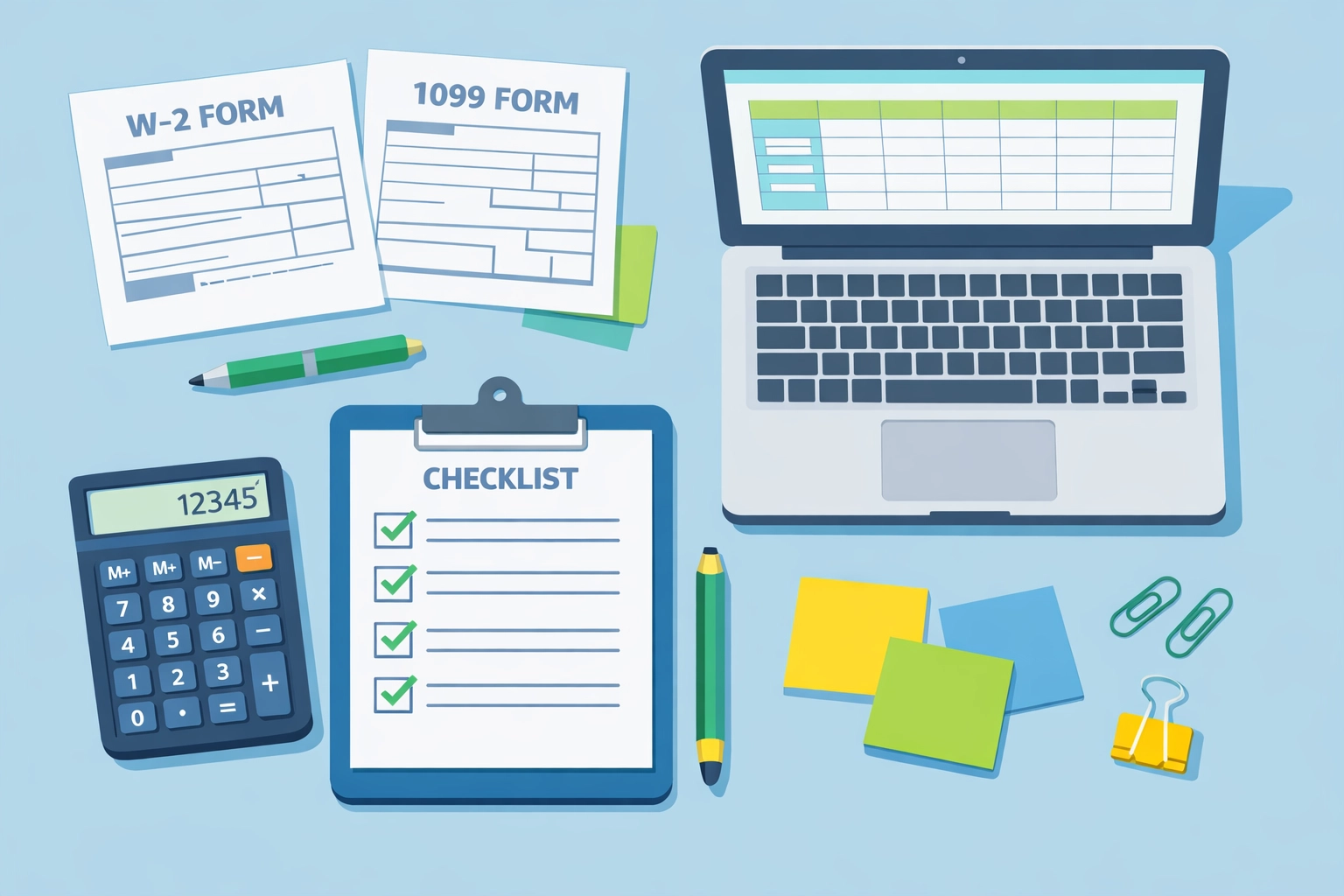
Review the new 2026 deductions that could significantly increase your refund:
- Senior deductions: $6,000-$12,000 in additional deductions for qualifying seniors
- Overtime pay deductions: New provisions for overtime compensation
- Tip deductions: Enhanced deductions for service industry workers
- OBBB tax cuts: Estimates suggest $91 billion in retroactive tax relief for 2026, with $60 billion being issued as refunds
Create a tax checklist or organizer to track what you have and what's missing. If you're eligible for Connecticut's Expanded Earned Income Tax Credit (EITC), research the requirements now: this credit can significantly increase refunds for households with qualifying children.
Week 2: February 25-March 1 – Strategic Planning & Professional Consultation
Primary task: Decide between DIY filing or professional assistance, and optimize your filing strategy.
This is the week to make critical decisions about how you'll file. If your tax situation is complex: multiple income sources, self-employment income, significant deductions, or rental properties: consult a qualified tax professional. Research shows working with advisors can yield substantial savings, with returns on investment exceeding 3x in the first year alone.

Organize your documents by income category:
- Wages and salary income
- Investment income (interest, dividends, capital gains)
- Business expenses (if self-employed)
- Deductible expenses (mortgage interest, charitable donations, medical expenses)
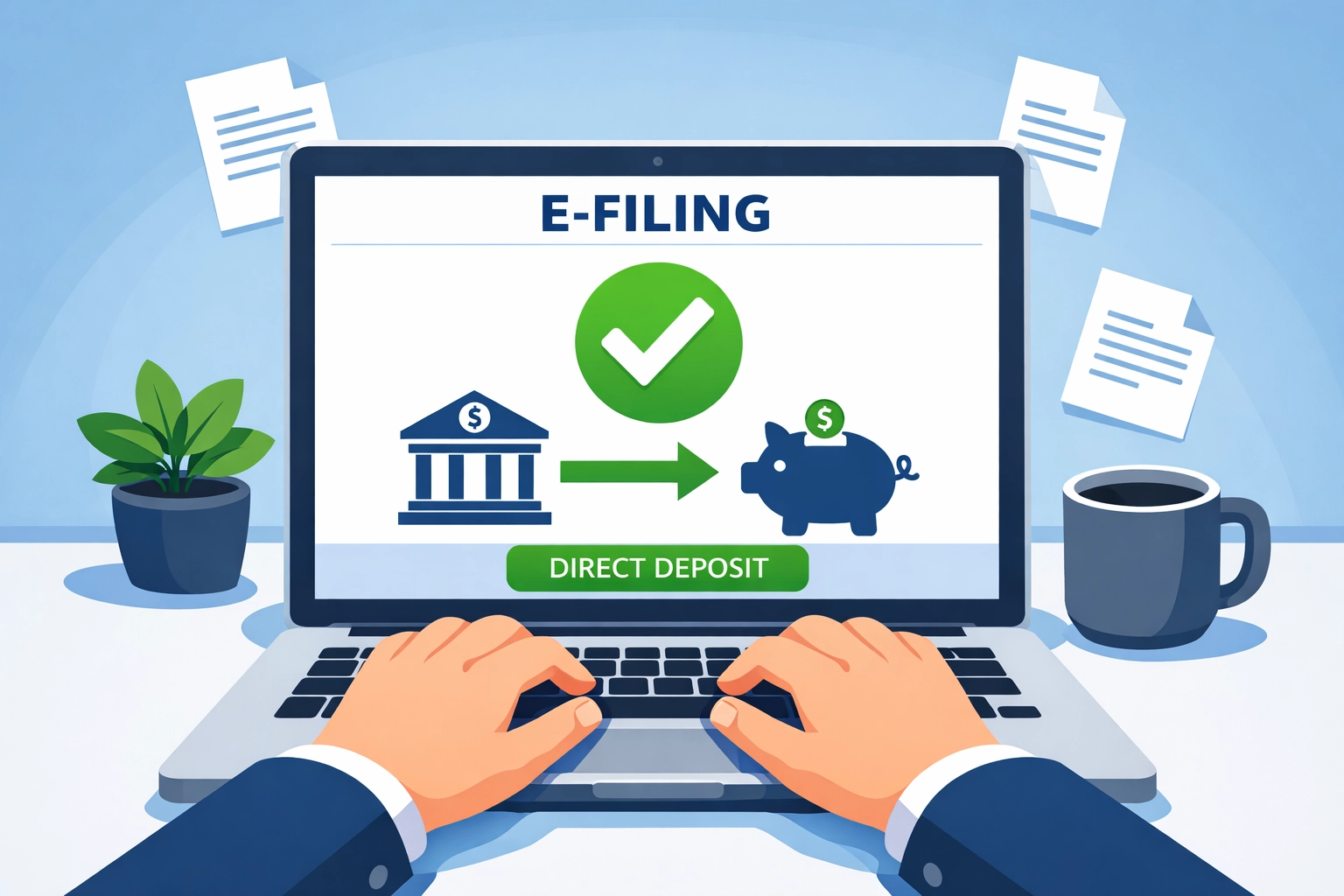
Confirm you have access to direct deposit banking information. You'll need your routing number and account number. This single decision: choosing direct deposit over a paper check: cuts your refund processing time from 60+ days to 21 days.
Review Connecticut-specific tax credits and deductions available to you. The state offers several credits that many taxpayers miss simply because they don't know they exist.
Week 3: March 4-8 – Return Preparation & Filing
Primary task: Complete and file your return electronically.
This is your filing window. Prepare your return using electronic tax software or work with your tax professional to ensure accuracy. Double-check that all documentation supporting new deductions is included and properly organized.
File electronically with direct deposit selected as your refund method. This ensures processing within 21 days rather than 60+ days for paper checks. The IRS processes electronic returns faster and with fewer errors than paper returns.
If you're using a paid tax service offering early refund options, consider whether the fee justifies the 5-day advancement. In most cases, waiting the standard 21 days saves you money without significant delay.
Common filing mistakes to avoid:
- Incorrect Social Security numbers
- Math errors in calculations
- Missing signatures (for paper filers)
- Incorrect bank account numbers for direct deposit
- Filing status errors
Each mistake can delay your refund by weeks while the IRS requests corrections.
Week 4: March 11-15 – Submission & Verification
Primary task: Submit your return and confirm successful filing.
File your return well before mid-March to complete processing before the peak filing rush. When IRS delays are most severe, they occur in late March and early April as millions of taxpayers submit returns simultaneously.
Verify successful electronic filing through your tax software or with your tax professional. You should receive an IRS confirmation number or filing receipt within 24-48 hours of electronic submission. Save this confirmation: it's your proof of timely filing.
Keep all documentation for your records. The IRS recommends retaining tax records for at least three years, but seven years is safer if you've claimed significant deductions or credits.
Weeks 5-8: March 18-April 15 – Refund Monitoring & Contingency Planning
Primary task: Track your refund status and address any issues promptly.
Monitor refund status using the IRS "Where's My Refund?" tracker available through IRS.gov. The tool updates once daily, typically overnight. Expect refund receipt within 21 days of filing if you chose direct deposit.

If you encounter delays or need assistance, access free IRS support through Volunteer Income Tax Assistance (VITA) or Connecticut tax counseling services. These programs provide free tax help to those who qualify and can resolve issues faster than calling the general IRS helpline.
Keep April 15 as your absolute filing deadline for any final submissions. If you need more time, file Form 4868 for an automatic six-month extension. However, remember that an extension to file is not an extension to pay: any taxes owed are still due April 15.
Key Success Factors for Maximum Refunds!
File early, not at the deadline. The IRS faces significant workforce constraints with 27% fewer employees in 2026. This creates substantial delays for late filers who get caught in the processing backlog.
Choose direct deposit. This is the single most important decision: it cuts refund processing time from 60+ days (paper checks) to 21 days. There's no reason to wait longer for money that's already yours.
Gather documentation thoroughly. Having organized documents from the start prevents last-minute scrambling and filing errors that trigger audits or delays. Missing documents are the #1 cause of refund delays.
Leverage available credits. New state and federal tax provisions for 2026 may provide larger refunds than previous years, particularly for families with children and lower-income households. Don't leave money on the table.
The Bottom Line
You have 8 weeks to get this right. New Haven taxpayers who follow this weekly action plan are seeing refunds 40+ days faster than those who wait until April. With the IRS processing capacity severely limited this year, early filers have a massive advantage.
Start gathering your documents this week. The sooner you file electronically with direct deposit, the sooner you'll see that refund hit your account. Need help navigating the new 2026 deductions or want a professional review of your return? That's exactly what we're here for at Jose's Tax Service.
Don't let April 15 sneak up on you. Start Week 1 today.

Leave a Reply
You must be logged in to post a comment.