
Looking For the Best Tax Preparer Near Me? Here Are 10 Things You Should Know Before You Book
NEW HAVEN, CT – Jose’s Tax Service – March 12, 2026
As the April 15 filing deadline approaches, the search for a "tax preparer near me" reaches its peak. Choosing the wrong individual to handle your financial data can lead to more than just a lower refund; it can result in IRS audits, financial penalties, and long-term legal complications. While speed is often a priority, accuracy and professional accountability are paramount.
Before you secure an appointment or upload your documents to a portal, you must vet your tax professional thoroughly. Here are the 10 critical factors you should evaluate to ensure your 2025 tax return is handled with the precision it deserves.
1. Verify Official Credentials and the PTIN!
The Internal Revenue Service (IRS) requires every paid tax preparer to have a valid Preparer Tax Identification Number (PTIN). This is a non-negotiable requirement. If a preparer refuses to sign your return or provide their PTIN, they are considered a "ghost preparer," which is a significant red flag for fraud.
Furthermore, distinguish between different levels of credentials:
- Enrolled Agents (EA): Licensed by the federal government, focusing specifically on tax law.
- Certified Public Accountants (CPA): Licensed by state boards with broad expertise in accounting.
- Tax Attorneys: Specialized in legal tax controversies.
Always use the IRS Directory of Federal Tax Return Preparers to confirm that your chosen professional is currently registered and in good standing. You can learn more about our qualified team at Jose’s Tax Service About Us.
2. Investigate Disciplinary History Immediately!
Do not assume that every open office front has a clean record. Before booking, check for disciplinary actions or complaints. Professional organizations and state boards maintain records of ethical violations.
- Check the Better Business Bureau (BBB) for unresolved customer complaints.
- Verify license status with the State Board of Accountancy for CPAs.
- Review the Office of Professional Responsibility (OPR) for EAs.
A history of malpractice or ethical lapses is a definitive indicator that you should seek services elsewhere.
3. Quantify Their Relevant Experience!
Years in the industry matter, but specific experience matters more. A preparer who has filed 1,000 simple 1040-EZ forms may not be equipped to handle the complexities of a small business owner or a real estate investor.
Ask the following questions during your initial consultation:
- How many years have you been in practice?
- How many returns have you handled for clients in my specific industry?
- Are you familiar with the latest 2026 tax law changes affecting my bracket?
For those seeking a tax preparation service in New Haven, ensure your preparer has at least 3 to 5 years of experience handling diverse financial situations.
4. Confirm Specialization for Small Businesses!
Small business owners, freelancers, and 1099 contractors have unique tax obligations. A generalist preparer may overlook critical deductions such as the Qualified Business Income (QBI) deduction or home office expenses.
If you operate a business, your preparer must be proficient in:
- Schedule C (Form 1040): Profit or Loss from Business.
- Form 8829: Expenses for Business Use of Your Home.
- Self-Employment Tax (SE tax) calculations.
For resources on maximizing business efficiency, visit our Small Business Learning Center.
5. Review Reputation and Client Feedback!
In the digital age, a professional’s reputation is visible through online reviews. Look for consistency in feedback across platforms like Google, Yelp, and specialized financial forums.
What to look for in reviews:
- Responsiveness: Do they answer calls during peak season?
- Accuracy: Have clients reported high rates of errors or subsequent IRS letters?
- Professionalism: Do they treat client data with respect?
While one or two negative reviews are common for any high-volume business, a pattern of neglect or technical errors is a warning sign.

6. Demand Year-Round Availability!
Many "pop-up" tax shops close their doors on April 16. If the IRS sends you a notice in August regarding your April filing, you will need your preparer to be available to represent you or provide the necessary documentation.
Ensure your chosen service offers year-round support. This is a core component of "Concierge Tax Preparation." A professional should be available for:
- Tax planning in the third and fourth quarters.
- Audit representation and response.
- Estimated payment calculations for the following year.
Never hire a preparer who cannot be reached outside of the standard tax season.
7. Insist on Transparent Upfront Pricing!
Avoid any preparer who bases their fee on a percentage of your refund amount. This practice is considered unethical and often leads to preparers "padding" returns with fraudulent deductions to increase their own payout.
Follow these pricing guidelines:
- Request a clear, written estimate before any work begins.
- Ensure fees are based on the complexity of the forms filed (e.g., a flat rate per schedule).
- Use the request a quote form to get a baseline for your specific needs.
If a preparer promises a "bigger refund than the other guy" before even looking at your documents, they are likely engaging in non-compliant practices.
8. Evaluate Communication and Technology!
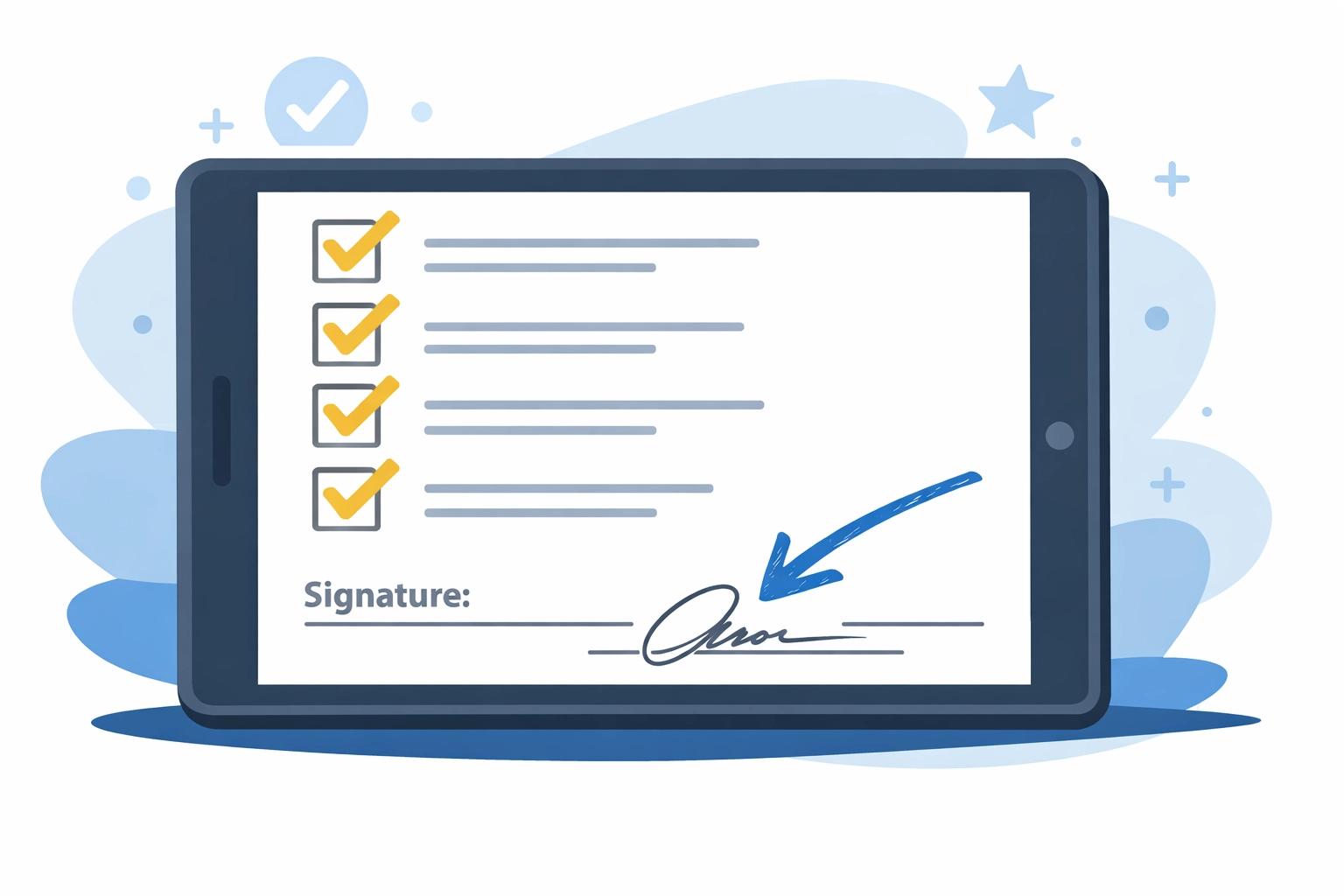
The best tax preparer for you should offer a communication style that matches your needs. If you prefer a digital experience, look for a preparer who utilizes secure portals for document transmission and e-signatures.
At Jose's Tax Service, we utilize a dedicated e-signing portal to streamline the process. During your first interaction, observe:
- Clarity: Do they explain complex tax terms in plain language?
- Promptness: How long does it take for them to return your initial inquiry?
- Thoroughness: Do they ask detailed questions about your life changes, such as marriage, dependents, or home purchases?
9. Verify Data Security Protocols!
You are handing over your Social Security Number, bank account details, and income history. A data breach can lead to lifelong identity theft.
Ask your preparer about their security measures:
- Do they use encrypted email or secure portals?
- Is their physical office secure?
- What is their policy on data retention and shredding?
- Are they compliant with the FTC Safeguards Rule?
Ensure you review the privacy policy of any service you use to understand how your sensitive information is stored and protected.
10. Perform a Final Review Before Filing!
You are legally responsible for everything on your tax return, even if a professional prepared it. Never allow a preparer to file your return without you reviewing it first.
Steps to take before signing:
- Double-check your numbers: Ensure Social Security Numbers and bank routing numbers for direct deposit are 100% accurate.
- Verify deductions: Ask the preparer to explain any deductions that seem unusually high.
- Ensure the preparer signs: The preparer must sign the return and include their PTIN.
- Get a copy: Always receive a digital or physical copy of the completed return for your records.
Once you are satisfied with the accuracy of the filing, you can schedule your tax appointment with ease to finalize your submission.
Practical Reminders for the 2026 Season
- Deadline: The filing deadline for 2025 individual returns is Wednesday, April 15, 2026.
- Extension: Filing Form 4868 provides an automatic 6-month extension to file, but it does not extend the time to pay any taxes owed.
- Penalties: Failure to file penalties can be as high as 5% of the unpaid taxes for each month or part of a month that a tax return is late.
Choosing a tax preparer is a significant financial decision. By following these 10 steps, you move beyond a simple Google search and ensure that your financial future is in the hands of a qualified, ethical professional.
If you are ready to experience professional tax preparation that prioritizes your security and maximizes your legal refund, contact us today at josestaxservice.com.

Leave a Reply
You must be logged in to post a comment.