
Looking For Tax Preparation in New Haven? 7 Red Flags That Scream “Run Away” Before You Book
Tax season can be stressful enough without worrying whether your tax preparer is going to make things worse. If you're searching for tax preparation services in New Haven, you need to know what to watch out for before you hand over your financial documents to just anyone.
Not all tax preparers are created equal, and unfortunately, some can land you in hot water with the IRS. Here are seven major red flags that should send you running in the opposite direction.
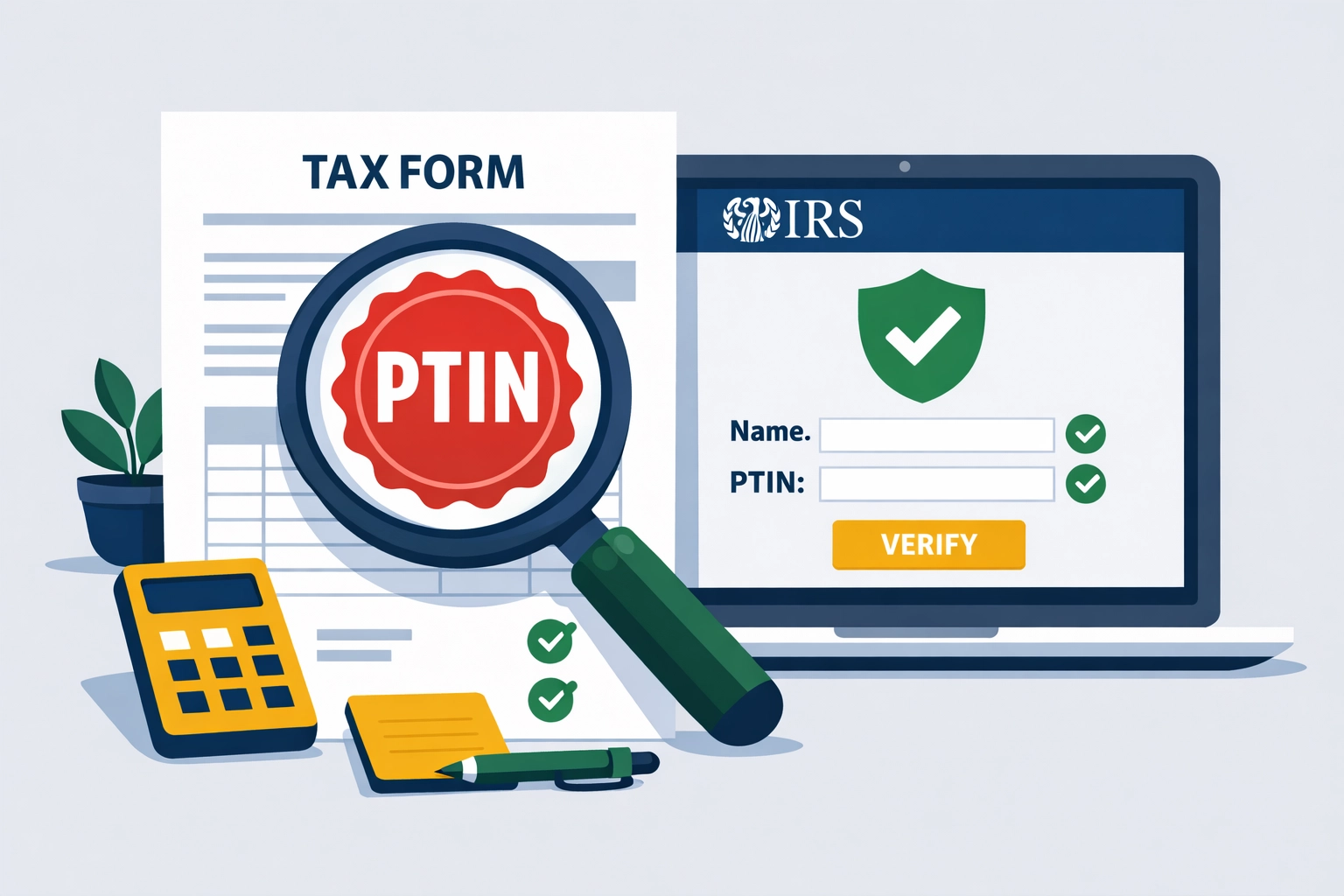
Red Flag #1: They Don't Have a Valid PTIN!
Every paid tax preparer must have a Preparer Tax Identification Number (PTIN) issued by the IRS. This isn't optional. It's the law.
If a tax preparer can't or won't provide their PTIN, walk away immediately. The IRS maintains a searchable database where you can verify the background and credentials of any income tax preparation professional. Use it.
What to do:
- Ask for their PTIN upfront
- Verify it through the IRS directory
- Check if they're enrolled to practice before the IRS
- Confirm their credentials are current and valid
No legitimate tax professional will hesitate to provide this information. If they dodge the question or get defensive, that's your cue to leave.
Red Flag #2: They Promise You an Unusually Large Refund Before Looking at Your Documents!
Here's the thing about tax refunds: they're based on your actual financial situation, not magic tricks or special secrets.
If a tax preparer guarantees you a specific refund amount before thoroughly reviewing your income, deductions, and financial records, they're either incompetent or dishonest. Probably both.
Warning signs include:
- "I can get you $5,000 back, guaranteed!"
- Promises made before seeing your W-2s or 1099s
- Claims about "special loopholes" only they know about
- Pressure to inflate deductions or claim expenses you didn't have
Certified public accountants (CPAs) and tax attorneys know better than to make promises they can't keep. Your refund depends on your actual tax situation, period.
Red Flag #3: They Won't Sign Your Tax Return!
This is huge. By law, paid tax preparers must sign the returns they prepare and include their PTIN. If they refuse to sign, they're trying to avoid accountability for the work they're doing.
Why this matters:
- Unsigned returns indicate the preparer may be engaging in fraudulent practices
- The IRS can't track down unscrupulous preparers if they don't sign
- You're left holding the bag if something goes wrong
- It's a clear violation of IRS regulations
Never, under any circumstances, file a return prepared by someone who won't put their name on it. This should be an absolute dealbreaker.
Red Flag #4: Their Fees Are Based on a Percentage of Your Refund!
Legitimate tax preparers charge based on the complexity of your return and the time required to complete it. They don't take a cut of your refund.
Fee structures based on refund amounts create terrible incentives. It encourages preparers to inflate deductions, claim questionable credits, or engage in other practices that could trigger an audit or penalties.
Acceptable fee structures:
- Flat fees based on return complexity
- Hourly rates for preparation time
- Tiered pricing based on forms required
- Package deals for specific services
Unacceptable fee structures:
- "We keep 20% of your refund"
- Fees that increase if your refund is larger
- Any compensation tied to your refund amount
If a preparer wants a piece of your refund, show them the door.
Red Flag #5: They Ask You to Sign a Blank Tax Return!
Never sign a blank tax return. Ever. This cannot be stressed enough.
When you sign a blank return, you're giving the preparer the ability to enter anything they want after you leave. You're responsible for everything on that return, even if someone else filled it in after your signature.
Always insist on:
- Reviewing the complete return before signing
- Understanding every line item and deduction
- Asking questions about anything unclear
- Taking time to verify the information is accurate
Professional tax preparers will encourage you to review everything carefully. They want you to understand your return because it protects both of you. Anyone who pressures you to "just sign here" without reviewing the paperwork is not looking out for your best interests.
Red Flag #6: They Have No Verifiable Credentials or Background!
Different tax professionals have different levels of expertise and qualifications. You need to know who you're dealing with.
Common credentials include:
- Certified Public Accountant (CPA)
- Enrolled Agent (EA)
- Tax Attorney
- Annual Filing Season Program Participant
While CPAs and tax attorneys typically charge more than Enrolled Agents or non-credentialed seasonal tax professionals, the level of expertise matters: especially if you have a complex return involving side jobs, rental properties, or multiple income sources.
Before booking, ask:
- What are your qualifications and credentials?
- How long have you been preparing taxes?
- What types of returns do you specialize in?
- Are you available if the IRS has questions after filing?
Check their background through the IRS directory and look for reviews from actual clients. If they can't provide proof of their credentials or their background looks sketchy, keep searching.
Red Flag #7: They Don't Ask for Proper Documentation!
A competent tax preparer will ask for all relevant documentation to accurately complete your return. If someone is willing to file your taxes based on rough estimates or verbal information, they're cutting corners that could cost you.
Essential documents include:
- W-2 forms from all employers
- 1099 forms for contract work, interest, and dividends
- Receipts for deductible expenses
- Previous year's tax return
- Documentation for credits (education, childcare, etc.)
- Records of estimated tax payments
Professional tax preparation becomes especially valuable when you have a side job, rental property, multiple assets, or anything more complex than a simple tax return. But professionals need documentation to do their job correctly.
If a preparer seems unconcerned about getting your actual documents or encourages you to estimate figures, find someone else.
What to Look for Instead!
Now that you know what to avoid, here's what you should look for in a quality tax preparation service:
Characteristics of trustworthy tax preparers:
- Valid, verifiable PTIN and credentials
- Transparent, reasonable fee structure
- Willingness to answer questions and explain their work
- Availability for future IRS correspondence
- Proper documentation requirements
- Professional office or secure virtual environment
- Clear communication about timelines and expectations
At Jose's Tax Service, we believe transparency and professionalism aren't optional: they're the foundation of good tax preparation. We sign every return we prepare, verify all documentation, and make sure our clients understand their tax situation completely.
The Bottom Line!
Your tax return is too important to trust to just anyone. The consequences of working with an unqualified or unethical preparer can include audits, penalties, interest charges, and massive headaches.
Take the time to vet your tax preparer carefully. Ask the tough questions. Verify their credentials. Trust your instincts. If something feels off, it probably is.
Tax preparation done right protects your interests and ensures compliance with all IRS regulations. Don't settle for anything less than a qualified, credentialed professional who treats your financial information with the respect and care it deserves.
Your financial future is worth doing this right.

Leave a Reply
You must be logged in to post a comment.