
Is the IRS Direct File Gone? What You Need to Know for 2026
New Haven, CT – February 6, 2026 – Tax season brings changes every year, and 2026 is no exception. If you've been following IRS news, you may be wondering about the status of various free filing programs, including IRS Direct File. Here's what you need to know before you file your 2026 tax return.
The Current Status of IRS Free Filing Programs
The IRS continues to offer free filing options for qualified taxpayers in 2026. However, the landscape of do-it-yourself (DIY) tax tools remains subject to change based on federal budget decisions and program evaluations.
Available free filing programs for 2026 include:
- IRS Free File – Available for qualified taxpayers beginning January 9, 2026
- IRS Free File Fillable Forms – Available for taxpayers of any income level starting January 26, 2026
- MilTax – A free program specifically designed for military members and certain veterans, provided by the Department of Defense
These programs serve different taxpayer needs and income levels. Understanding which option applies to your situation requires careful review of eligibility requirements.

What Makes DIY Filing Programs Different!
Free filing programs vary significantly in their features and limitations. IRS Free File partners with commercial tax software companies to provide free federal tax preparation for individuals with adjusted gross income (AGI) below specific thresholds. These thresholds change annually based on inflation adjustments.
IRS Free File Fillable Forms offer a different approach. These electronic forms mirror paper tax forms and provide basic calculations. However, they require users to understand tax law and complete entries independently without guidance or recommendations.
Key differences include:
- Guided preparation vs. self-directed form completion
- Income restrictions vs. no income limits
- Error-checking features vs. manual verification
- State return inclusion vs. federal only
- Tax law explanations vs. form instructions only
Major Changes in Refund Processing for 2026!
The IRS implemented significant changes to refund distribution methods. As of September 30, 2025, the agency phased out paper tax refund checks. This change affects millions of taxpayers who previously received physical checks in the mail.
Current refund options:
- Direct deposit to checking or savings accounts
- Direct deposit to prepaid debit cards
- Paper checks only in limited circumstances requiring special approval
Direct deposit remains the fastest and most secure method for receiving tax refunds. Most refunds arrive within 21 days for electronically filed returns when taxpayers choose direct deposit. This timeline assumes accurate returns without errors or additional review requirements.

The Hidden Costs of DIY Tax Filing
Free filing programs advertise zero-cost services, but hidden expenses often emerge during the preparation process. Many taxpayers discover additional fees for state returns, complex forms, or premium features needed to complete their returns accurately.
Common unexpected charges include:
- State tax return preparation fees ranging from $15 to $45
- Upgrade fees for reporting investment income, rental properties, or business expenses
- Audit protection services marketed during the filing process
- Faster refund processing through refund advance products
- Additional fees for amended returns or prior-year corrections
Beyond monetary costs, DIY filing requires substantial time investment. Taxpayers must gather documents, understand tax law changes, navigate software interfaces, and verify accuracy before submission. Mistakes can lead to processing delays, rejected returns, or IRS correspondence requiring additional documentation.
Why Automated Systems Miss Critical Deductions
Tax software operates on algorithms and decision trees. These systems prompt users with questions based on programmed scenarios. However, automated tools cannot replicate the expertise and judgment of experienced tax professionals.
Limitations of automated tax preparation:
- Generic questions that may not capture your unique financial situation
- Limited ability to recognize complex deduction opportunities
- No personalized strategy for tax planning beyond the current year
- Inadequate support for self-employment income, rental properties, or investment portfolios
- Missed credits that require detailed knowledge of eligibility requirements
Tax laws contain numerous provisions that benefit specific taxpayer groups. Educational credits, energy-efficient home improvements, retirement contribution deductions, and business expense categories all require detailed understanding to maximize benefits.
The Value of Professional Tax Review
Working with qualified tax professionals provides advantages that extend beyond simple return preparation. Professional review catches errors before submission, identifies overlooked deductions, and ensures compliance with current tax regulations.
Benefits of professional tax preparation:
- Comprehensive income review including W-2 wages, 1099 forms, investment income, and business earnings
- Strategic deduction planning based on your complete financial picture
- Year-round tax planning to minimize future tax liability
- Audit support and representation if questions arise from the IRS
- Knowledge of state and local tax requirements specific to Connecticut residents
- Personal attention to changes in your life circumstances affecting tax obligations
Tax professionals maintain continuing education requirements and stay current on tax law changes throughout the year. This expertise proves especially valuable during years with significant tax code modifications or when taxpayers experience major life events such as marriage, home purchase, business formation, or retirement.
Connecticut-Specific Tax Considerations
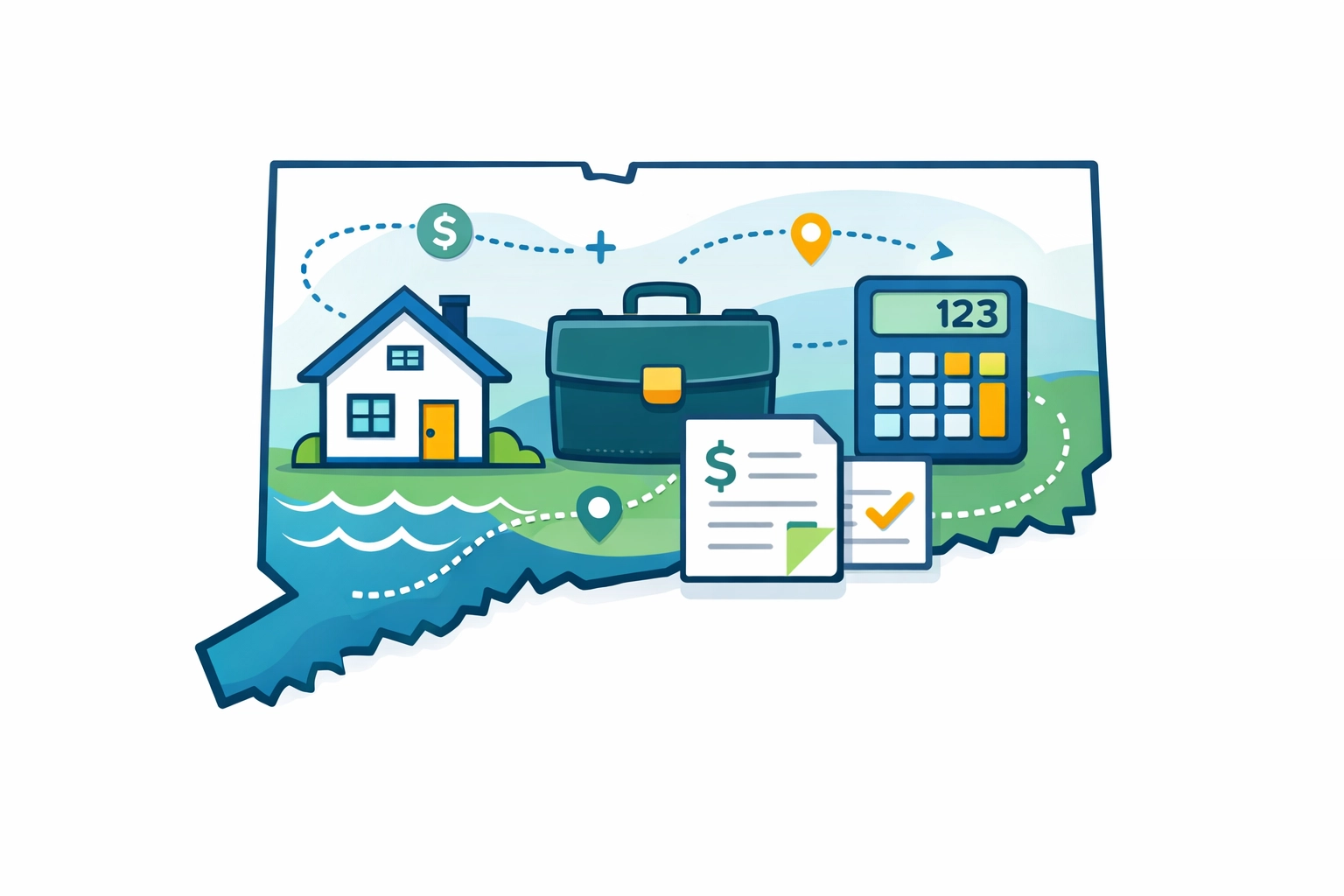
New Haven residents face unique tax situations that generic software may not address adequately. Connecticut state tax laws differ from federal requirements in several areas, including income taxation, property tax credits, and available state-specific deductions.
Connecticut tax factors requiring attention:
- State income tax withholding requirements for multiple jobs or self-employment
- Property tax credit eligibility for homeowners and renters
- Connecticut Earned Income Tax Credit (CT EITC) qualifications
- Pass-through entity tax considerations for business owners
- State retirement income exemptions for certain pension and annuity payments
Local tax professionals understand these nuances and ensure your return captures all available benefits under Connecticut law. This knowledge prevents missed opportunities that cost taxpayers money each year.
Red Flags That Indicate You Need Professional Help
Certain tax situations require professional expertise to navigate successfully. Attempting DIY preparation in complex scenarios increases error risk and potential audit exposure.
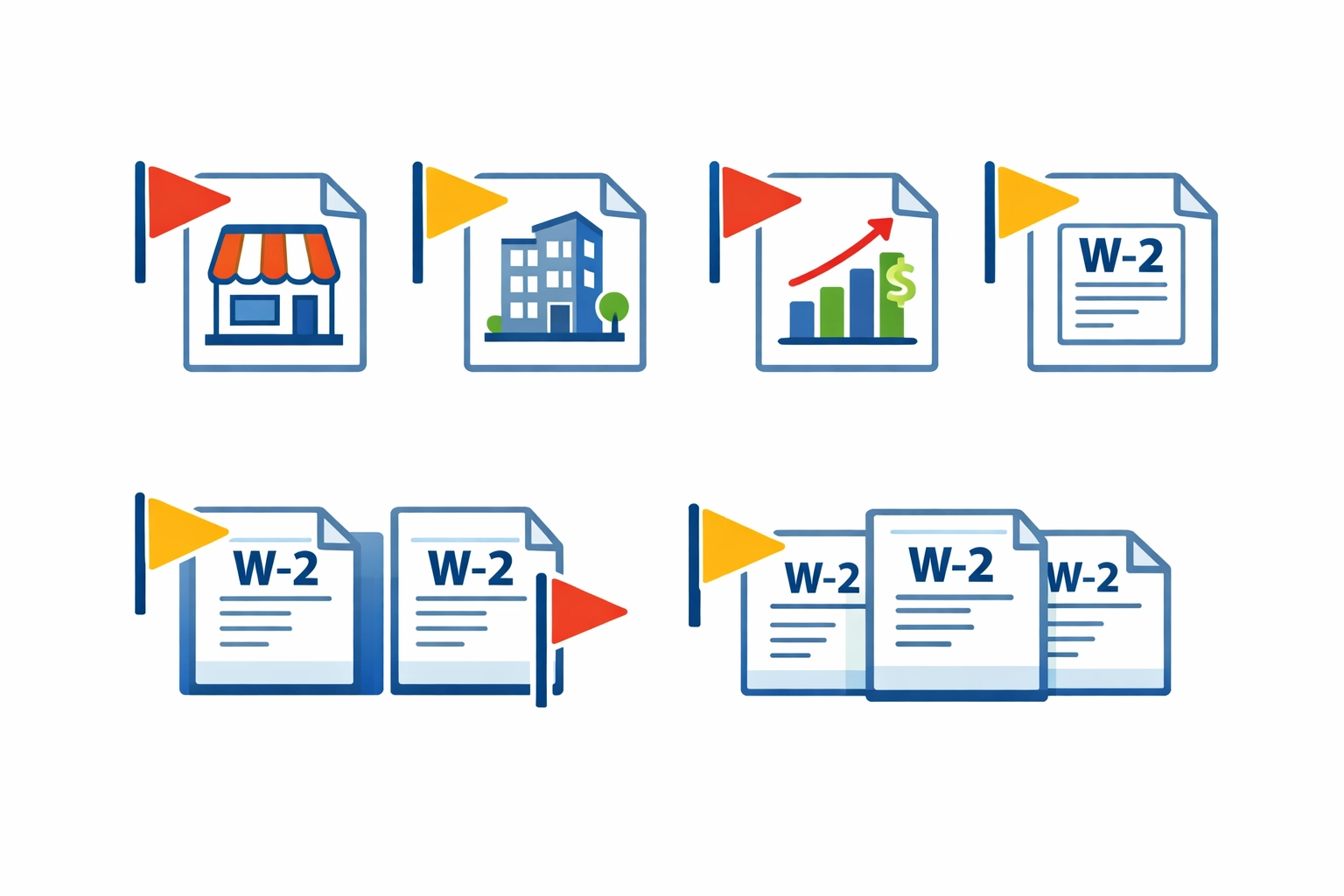
Seek professional assistance if you:
- Own a business or report self-employment income
- Rent property to tenants or manage real estate investments
- Received a large inheritance, sold investments, or completed major financial transactions
- Changed jobs multiple times during the year or worked in multiple states
- Contribute to retirement accounts with both traditional and Roth components
- Claim dependents with special circumstances such as college students or elderly parents
- Faced unemployment, disability income, or other benefit programs
- Experienced identity theft or prior tax filing issues
These situations involve nuanced tax rules that require professional interpretation. Mistakes in these areas trigger IRS notices, payment demands, or penalties that exceed the cost of professional preparation.
Making the Right Choice for Your Tax Situation
Evaluate your tax preparation needs honestly before committing to any filing method. Consider the complexity of your financial situation, the value of your time, and the potential cost of errors or missed deductions.
Questions to ask yourself:
- Do I have all necessary tax documents and understand what they mean?
- Can I explain the difference between tax deductions and tax credits?
- Have I experienced any major life changes this year affecting my taxes?
- Do I feel confident navigating tax software without professional guidance?
- What would I do if the IRS questions information on my return?
Your answers reveal whether DIY filing suits your situation or whether professional assistance provides better value and peace of mind.
Working With Jose's Tax Service
While free filing programs serve certain taxpayers adequately, many New Haven residents benefit from personalized professional service. Jose's Tax Service combines expertise, local knowledge, and commitment to client success that automated systems cannot replicate.
Our approach includes:
- Individual consultation to understand your complete financial picture
- Thorough document review ensuring nothing gets overlooked
- Proactive tax planning to minimize liability in future years
- Direct communication with an experienced tax professional, not a chatbot
- Ongoing support for tax questions throughout the year
- Local presence serving the New Haven community with personalized attention
Tax preparation represents more than completing forms and submitting returns. Effective tax management involves strategic planning, detailed knowledge of available benefits, and careful attention to compliance requirements.
Take Action Before the Filing Deadline!
The 2026 tax filing deadline approaches quickly. Whether you choose DIY software or professional preparation, start gathering documents and organizing financial information now. Waiting until the last minute increases stress and error risk.
Schedule your tax preparation appointment early to ensure adequate time for thorough review and strategic planning. Don't leave money on the table by rushing through your return or trusting automated systems to catch every deduction.
Contact Jose's Tax Service to discuss your tax situation and learn how professional preparation can benefit your financial future. Our New Haven location provides convenient access to experienced tax professionals who understand Connecticut tax requirements and federal regulations.
Your tax return deserves careful attention from qualified professionals who prioritize your financial success. Make the smart choice for 2026 and beyond.
Tags: news, tax planning

Leave a Reply
You must be logged in to post a comment.