
Got Side Income in 2026? The 1099-K Rule Changed Again – Here’s What Gig Workers and Online Sellers Must Do
If you're driving for Uber, selling crafts on Etsy, or getting paid through Venmo for your side hustle, listen up. The IRS just pulled another switcheroo on the 1099-K reporting rules, and it's actually good news this time.
The One Big Beautiful Bill Act (OBBBA) just reversed years of confusion and permanently locked in a higher threshold for 2026 and beyond. That means fewer forms to deal with: but you still need to report every dollar you earn.
Here's what changed, what you need to do right now, and how to maximize your tax refund without the headache.
What Just Happened with the 1099-K Rule?
For years, the IRS kept threatening to drop the 1099-K reporting threshold to just $600 with no transaction minimum. That would've flooded gig workers and online sellers with forms for every little side gig.
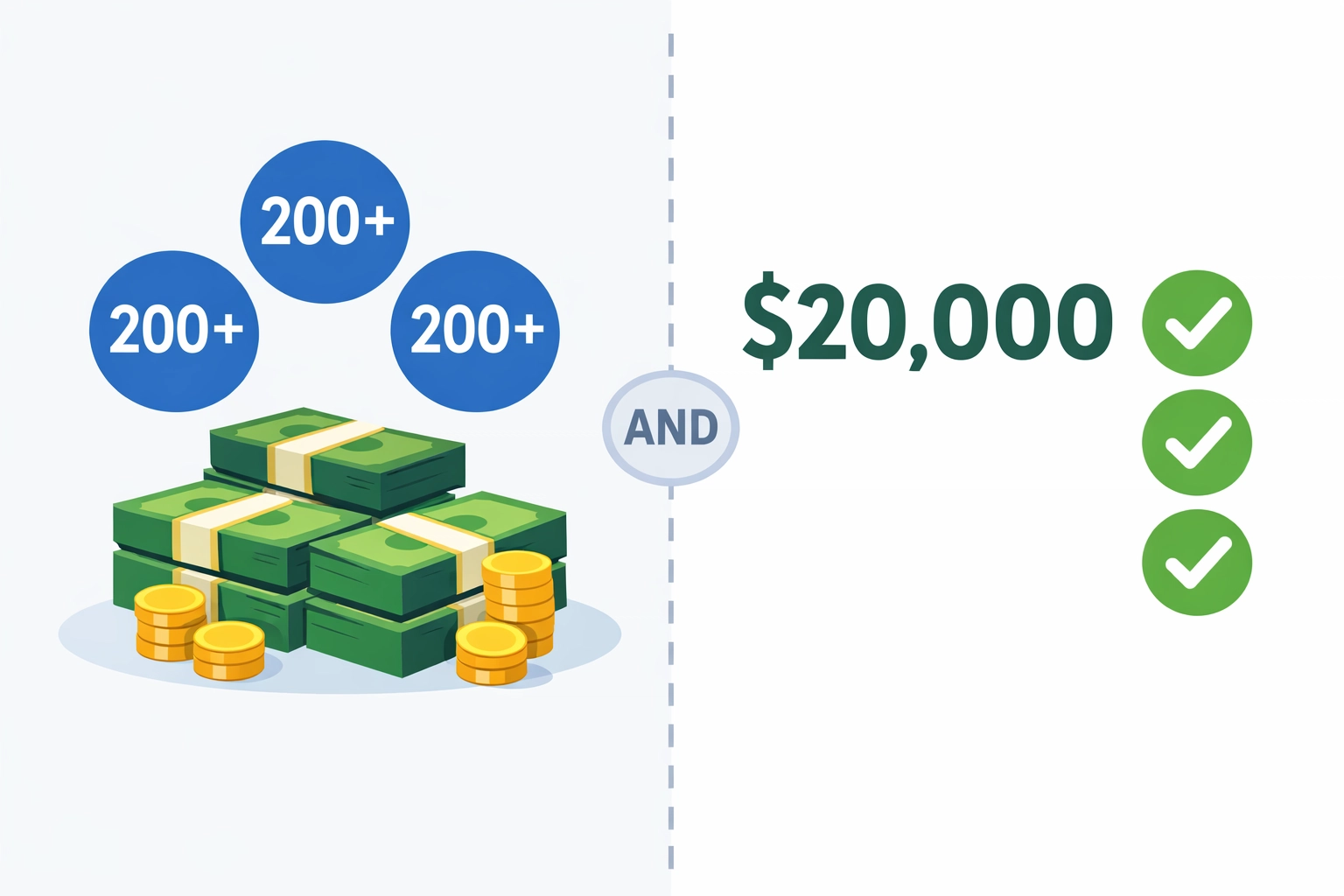
Congress hit the brakes. Starting in 2026, you'll only receive a Form 1099-K if you meet both of these thresholds:
- More than $20,000 in total payments through third-party platforms
- At least 200 separate transactions
This applies to payments made after December 31, 2024, through platforms like PayPal, Venmo, Cash App, Square, Stripe, and similar payment processors.

Both Thresholds Must Be Met!
Here's where people get confused. You need to hit both numbers: not just one.
Example 1: You made $30,000 through 150 transactions on PayPal. No 1099-K required because you didn't reach 200 transactions.
Example 2: You completed 250 transactions but only earned $15,000 total. No 1099-K required because you didn't exceed $20,000.
Example 3: You made $25,000 through 220 transactions. You'll get a 1099-K because you met both thresholds.
You Still Have to Report All Income: Form or No Form!
This is the part that trips people up every single year. Just because you don't receive a 1099-K doesn't mean you can skip reporting that income.
The IRS expects you to report every dollar you earn from your side hustle, gig work, or online sales: whether you get a fancy form in the mail or not.
Here's what you need to track:
- Total gross payments received through all platforms
- Business expenses you can deduct (mileage, supplies, fees, equipment)
- Any cash or check payments outside of third-party platforms
- Tips and bonuses
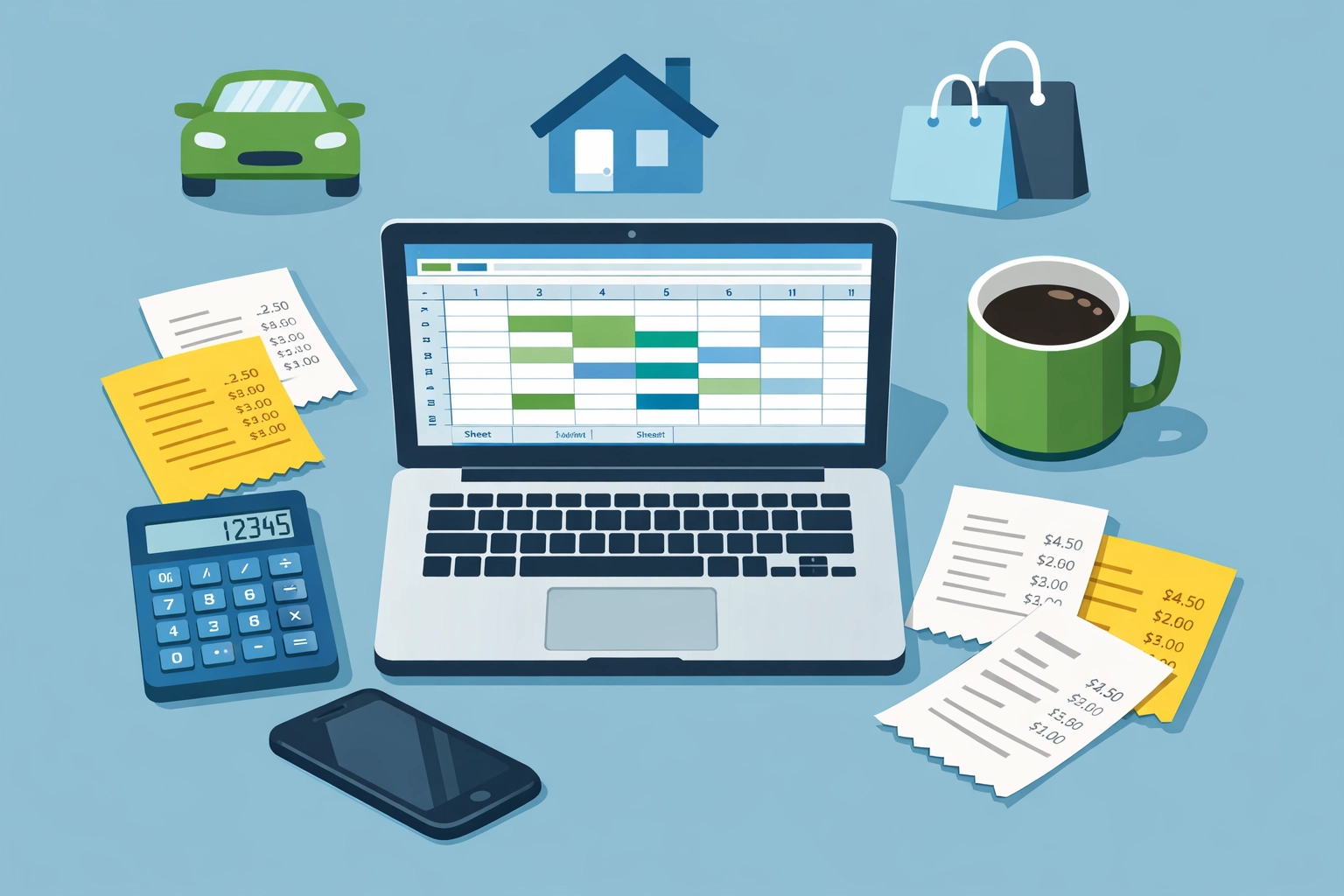
Keep records of everything. Screenshots, spreadsheets, receipts: whatever works for you. Your concierge tax pro will need this to maximize your tax refund and make sure you're taking every deduction you qualify for.
The 1099-NEC Rule Also Changed for 2026!
If you're a freelancer, contractor, or receive nonemployee compensation, pay attention to this one too.
The reporting threshold for Form 1099-NEC jumped from $600 to $2,000 for payments made starting January 1, 2026. Beginning in 2027, this threshold will adjust annually for inflation in $100 increments.
That means if you did freelance work for a client and they paid you $1,800 in 2026, they won't send you a 1099-NEC. But again: you still report it on your tax return.
What Gig Workers and Online Sellers Must Do Right Now
Don't wait until April to figure this out. Here's your action plan:
1. Review Your 2025 Income First
Before you worry about 2026, make sure your 2025 taxes are handled correctly. If you received income from gig work or online sales last year, you need to report it on your 2025 return: even if you didn't get a 1099-K.
2. Set Up a Tracking System for 2026
Open a separate checking account for your side hustle income. It makes tracking so much easier come tax time. Use apps like QuickBooks Self-Employed, Wave, or even a simple spreadsheet to log:
- Date of payment
- Client or platform name
- Amount received
- What the payment was for
3. Save for Quarterly Estimated Taxes
If your side income is substantial, you may need to make quarterly estimated tax payments. The IRS doesn't like waiting until April for their cut.
A good rule of thumb: set aside 25-30% of your gig income for taxes. It sounds painful, but it beats owing thousands at tax time with penalties on top.
4. Track Every Deductible Expense
This is where you can really maximize your tax refund. Gig workers and online sellers qualify for tons of deductions:
- Vehicle expenses: Standard mileage rate or actual expenses
- Home office deduction: If you have a dedicated workspace
- Supplies and equipment: Everything from printer ink to packaging materials
- Platform fees: PayPal fees, Etsy listing fees, Square processing fees
- Advertising costs: Facebook ads, business cards, website hosting
- Professional services: Tax preparation fees, bookkeeping services
Every receipt matters. Every mile counts. Document it all.
5. Don't Mix Personal and Business Payments
Keep personal transactions separate from business income on platforms like Venmo and PayPal. Use the "goods and services" option for business payments and mark personal payments correctly.
This helps you avoid confusion when tax season rolls around: and it prevents the IRS from questioning legitimate personal transfers.
State Requirements May Differ!
Some states have their own 1099-K and 1099-NEC reporting thresholds that are lower than the federal rules. Connecticut may have different requirements, so check with a local concierge tax pro who knows the ins and outs of tax preparation New Haven area taxpayers deal with.
Don't assume the federal rules are all you need to worry about.
How a Concierge Tax Pro Can Help You Maximize Your Tax Refund
Look, you started your side hustle to make more money: not to become a tax expert. That's where working with a concierge tax pro makes all the difference.
At Jose's Tax Service, we specialize in helping gig workers and online sellers navigate these constantly changing rules. We'll:
- Review all your income sources and make sure nothing gets missed
- Identify every deduction you qualify for to maximize your tax refund
- Handle quarterly estimated tax calculations so you don't get hit with penalties
- Deal with the IRS if any questions come up about your 1099-K or other forms
- Offer both virtual and in-person appointments that fit your schedule
- Get started with $0 upfront: no surprise fees
We speak your language because we work with gig workers, freelancers, and small business owners in the New Haven area every single day.
Don't Wait Until the Last Minute
Tax planning isn't just a once-a-year thing anymore: especially when you've got side income. The rules keep changing, and staying ahead of them is the key to maximizing your tax refund while avoiding penalties.
Whether you're driving rideshare, selling products online, freelancing, or doing contract work, get your system in place now. Track your income and expenses throughout the year. Save for your tax bill. And work with a tax pro who understands the 1099-K rules and how they affect you.
Need help sorting through your side income situation? Schedule a virtual or in-person appointment with Jose's Tax Service today. We'll review your specific situation, answer your questions, and create a plan to maximize your tax refund for 2026 and beyond. No judgment, no jargon: just straight talk about your taxes and what you need to do.
The 1099-K rule changed again, but your obligation to report income didn't. Let's make sure you're doing it right.

Leave a Reply
You must be logged in to post a comment.