
Got a 1099-K From PayPal, Venmo, or Etsy? What New Haven Side Hustlers Need to Know Before Filing in 2026
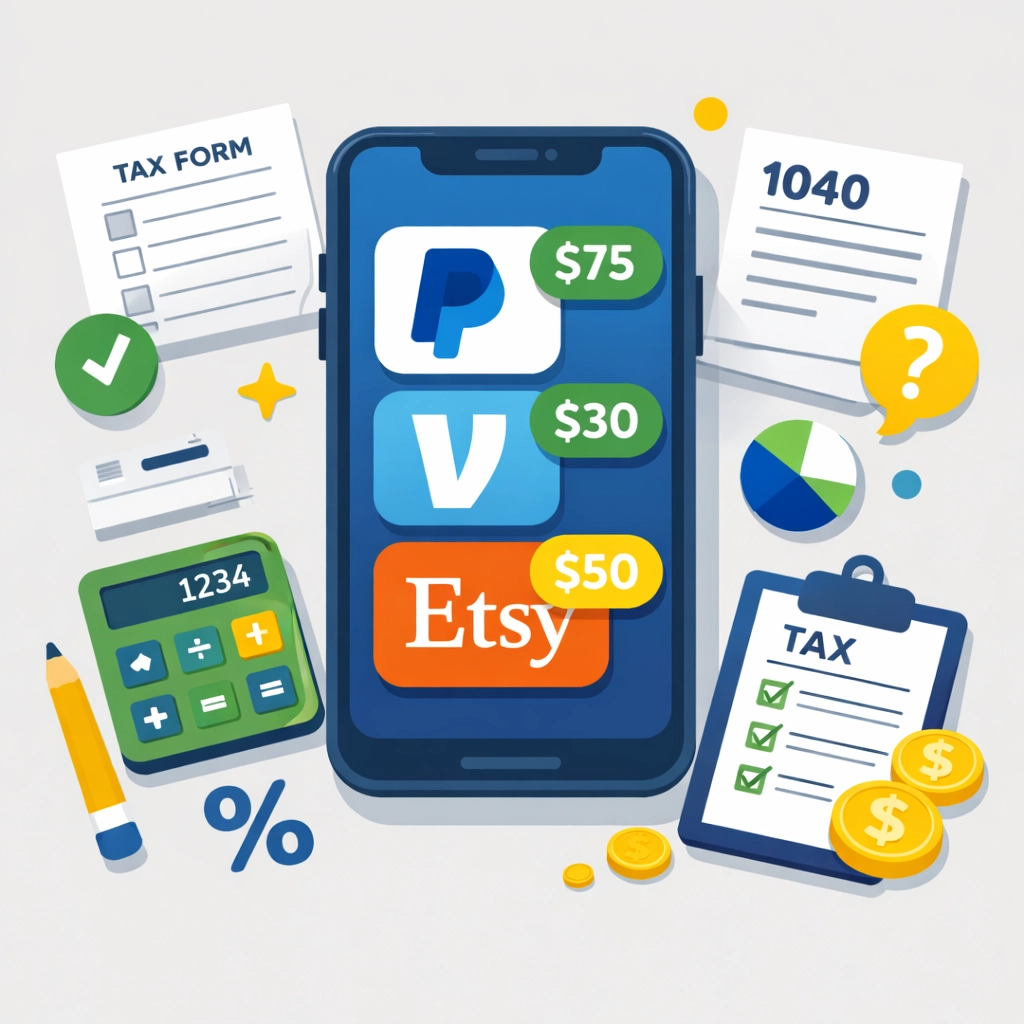
If you run a side hustle through PayPal, Venmo, Etsy, or other payment platforms, you may have received a confusing piece of mail recently: Form 1099-K. Or maybe you didn't receive one at all, and you're wondering if that means you're off the hook.
Here's the truth: Whether you got that form or not, you still owe taxes on your side income. The IRS doesn't care if a form showed up in your mailbox. They care about the money you made.
Let's break down what changed, what the current rules are, and exactly what you need to do before April 15th rolls around.
What Is a 1099-K, Anyway?
Form 1099-K is a tax document that payment platforms send to report the gross amount of payments you received through their service. Think of it as the gig economy's version of a W-2.
If you sold handmade crafts on Etsy, drove for a rideshare service, freelanced and got paid through Venmo, or ran any kind of online business, these platforms track your transactions. When you hit certain thresholds, they're required to send you, and the IRS, a 1099-K.
The keyword here is "thresholds." And that's where things got messy.
The Threshold Drama: What Changed in 2025
For years, the reporting threshold was straightforward: $20,000 in gross payments AND more than 200 transactions. If you didn't hit both numbers, you didn't get a 1099-K.
Then, back in 2021, the IRS announced plans to drop that threshold to just $600, no transaction minimum. The change was supposed to take effect for the 2022 tax year, then got delayed to 2023, then 2024, then 2025. Confusion reigned. Side hustlers panicked. Tax pros fielded thousands of questions.
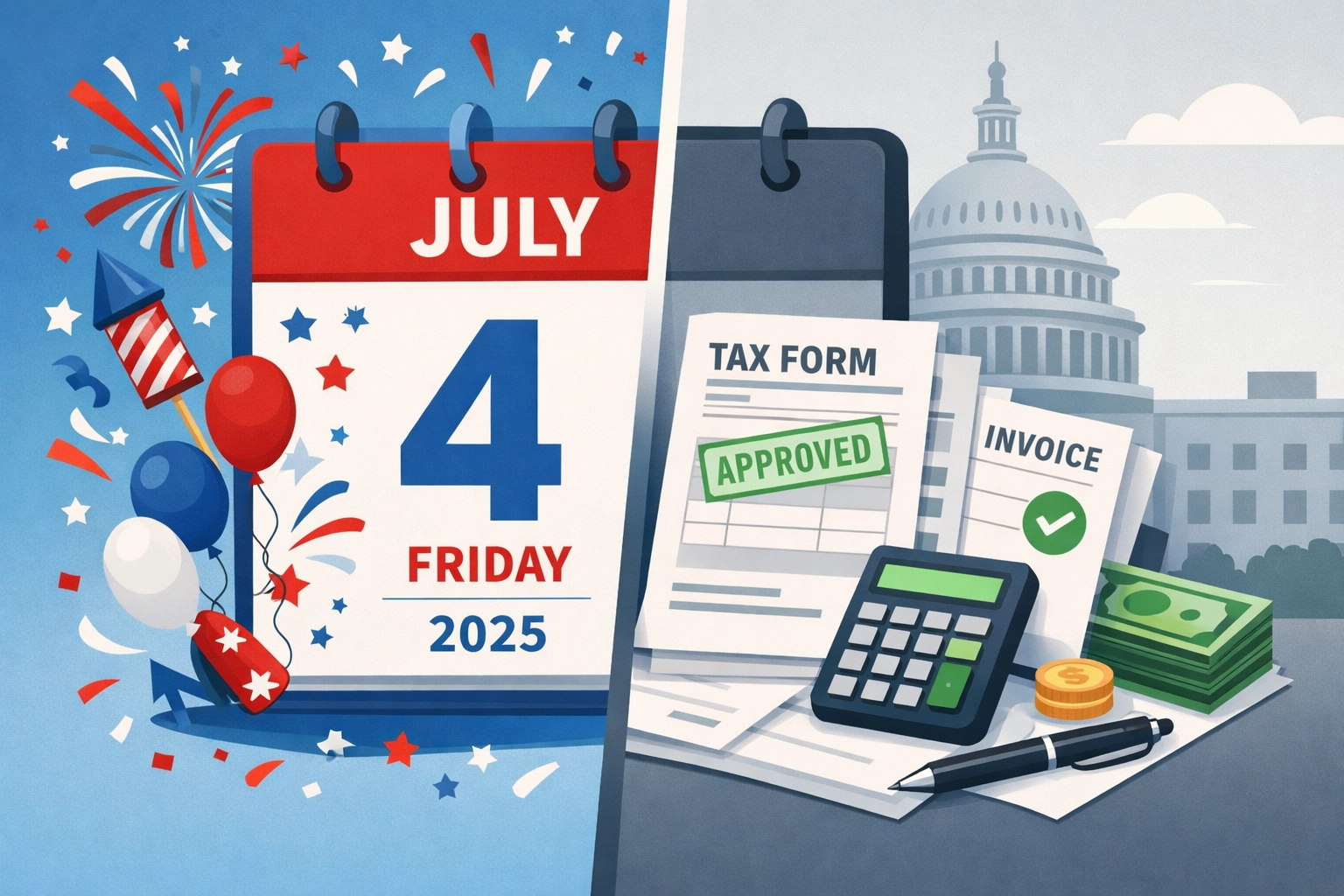
Finally, on July 4, 2025, Congress passed the One Big Beautiful Bill Act. Buried in that legislation was a provision that permanently reset the 1099-K threshold back to the original $20,000 and 200 transactions.
So for your 2025 tax return (the one you're filing right now in 2026), the rules are clear:
- $20,000 or more in total payments from a platform, AND
- 200 or more transactions
If you hit both marks, you got a 1099-K. If you didn't, you probably didn't receive one.
Here's the Catch: You Still Owe Taxes
This is where a lot of New Haven side hustlers get tripped up. They think, "I didn't get a 1099-K, so I don't need to report it."
Wrong.
The IRS requires you to report all income, whether or not you receive a tax form. If you made $5,000 selling vintage furniture on Facebook Marketplace, that's taxable income. If you earned $800 doing freelance graphic design and got paid through PayPal, that's taxable income too.
Not reporting it because you didn't get a form is like saying you don't need to stop at a red light because no cop saw you. The law still applies.
What You Need to Do Right Now
1. Gather All Your Records
Don't rely on the 1099-K alone. Pull transaction records from every platform you used in 2025:
- PayPal transaction history
- Venmo business account statements
- Etsy seller dashboard reports
- Square or Stripe payment summaries
- Cash App business receipts
Add up the total. That's your gross income.
2. Subtract Your Business Expenses
Here's the good news: You don't pay taxes on gross income. You pay taxes on net income, what's left after you subtract legitimate business expenses.
Common deductions for side hustlers include:
- Supplies and materials
- Shipping costs
- Platform fees (Etsy transaction fees, PayPal processing fees, etc.)
- Home office expenses (if you qualify)
- Mileage for business-related driving
- Marketing and advertising costs
- Professional services (web hosting, business software subscriptions)
Keep receipts and records for everything. If the IRS audits you, you'll need proof.
3. Report Everything on Schedule C
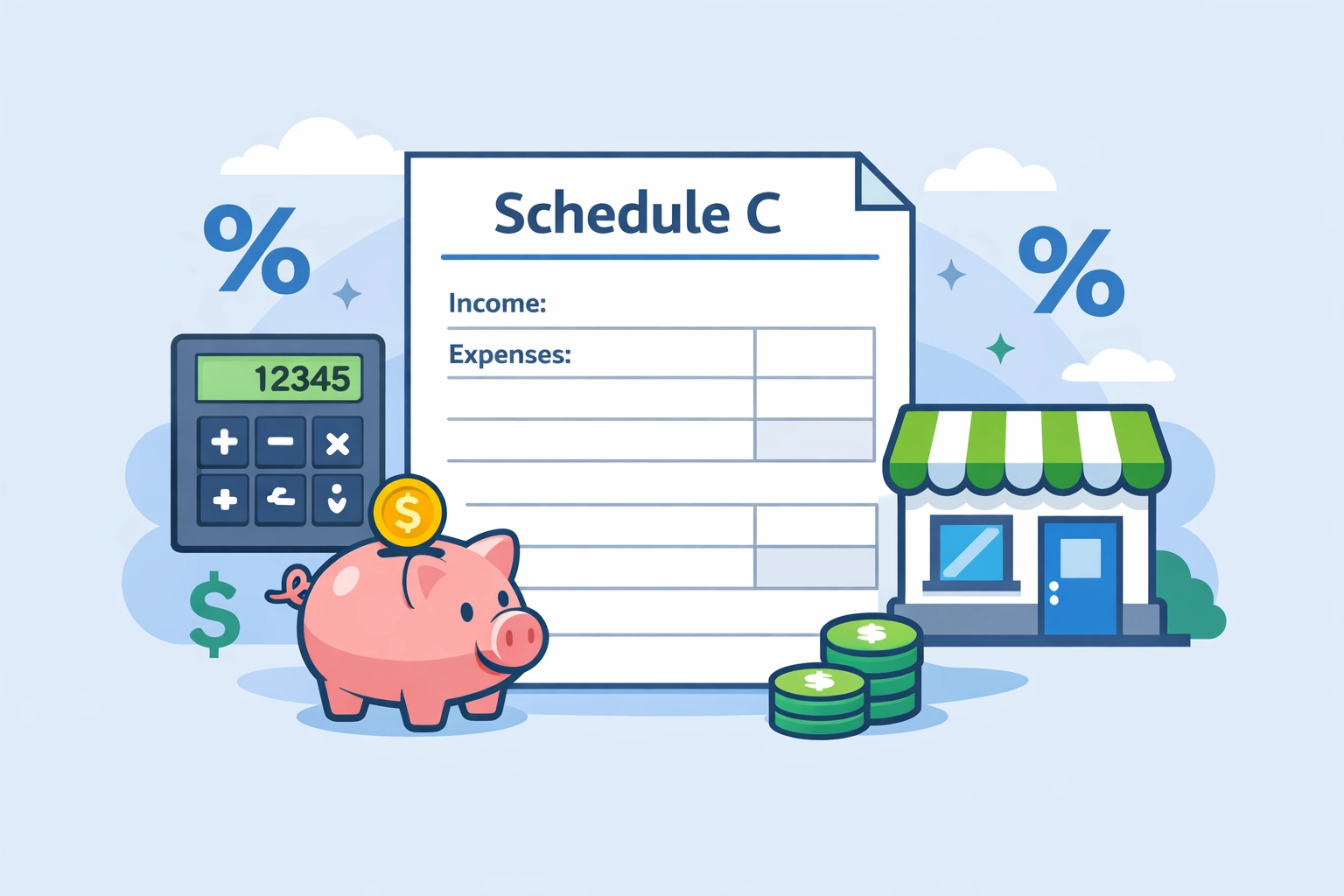
Most side hustlers report their income and expenses on Schedule C (Form 1040), which calculates your profit or loss from self-employment.
You'll also need to pay self-employment tax (Social Security and Medicare) on your net earnings if you made more than $400. That's an additional 15.3% on top of your regular income tax.
Yes, it stings. But it's the law.

If You DID Get a 1099-K: Double-Check the Numbers
Received a 1099-K? Don't just assume it's correct. Payment platforms make mistakes.
Verify these details immediately:
- Your legal name and Social Security Number (or EIN) match what the IRS has on file
- The gross payment amount is accurate
- The form only includes business transactions, not personal payments
If you received personal payments through PayPal or Venmo (like reimbursements from friends for dinner), those should not be on your 1099-K. If they are, contact the payment platform to request a corrected form.
Mismatched information can trigger IRS notices or delay your refund. Fix it now before you file.
What About Other 1099 Forms?
Here's where it gets a little more complicated. If you received payments reported on other forms: like 1099-NEC (nonemployee compensation) or 1099-MISC (miscellaneous income): different rules apply.
For the 2025 tax year, those forms still use a $600 threshold. Starting with the 2026 tax year (which you'll file in 2027), that threshold increases to $2,000.
Bottom line: If you got multiple 1099 forms, you need to report all of them. Keep them organized, and make sure you're not double-counting any income.
When to Call a Professional
Let's be real: If you're reading this article and feeling overwhelmed, you're not alone. Side hustle taxes are legitimately confusing, especially when rules keep changing.
Here's when it makes sense to work with a tax pro:
- You earned more than $10,000 from your side hustle
- You're not sure what qualifies as a deductible expense
- You received multiple 1099 forms from different platforms
- You also have a W-2 job and aren't sure how everything fits together
- You've never filed self-employment taxes before
- You owe estimated taxes and don't know how to calculate them
At Jose's Tax Service right here in New Haven, we work with side hustlers, gig workers, and small business owners every single day. We know the deductions you're entitled to, we understand the confusing platform reports, and we'll make sure you're not overpaying: or underpaying: the IRS.
Our rates are competitive, and our service is personalized. No robots, no confusing software: just real help from a local tax pro who gets it.
Don't Wait Until the Last Minute
Here's the thing about side hustle taxes: The longer you wait, the more stressful it gets. If you owe money, you want to know that now, not on April 14th when you're scrambling to figure out how to pay.
If you're getting a refund, you want that money sooner rather than later.
And if you're confused about your 1099-K, your deductions, or what forms you need to file, waiting won't make it clearer.
The deadline is April 15th, 2026. But filing early gives you options, breathing room, and peace of mind.
Final Takeaways
Let's recap what New Haven side hustlers need to know:
✅ The 1099-K threshold is back to $20,000 and 200 transactions for 2025
✅ You must report all side income, even without a 1099-K
✅ Keep detailed records of income and expenses
✅ Deduct legitimate business expenses to lower your tax bill
✅ Double-check any 1099-K you receive for accuracy
✅ File Schedule C and pay self-employment tax if you earned more than $400
✅ Get professional help if you're unsure: it's worth it
Side hustles are a great way to build wealth, explore passions, and create flexibility in your life. Don't let tax confusion or IRS surprises ruin that.
If you need help navigating your 2025 return, Jose's Tax Service is here. Give us a call, bring in your records, and we'll get you sorted out: without the stress.
Let's make this tax season the smoothest one yet.

Leave a Reply
You must be logged in to post a comment.