
Feature Post: Top 3 Tax Moves New Haven Families Should Make Before Filing in 2026
NEW HAVEN, CT – January 8, 2026 – Tax season approaches rapidly, and New Haven families must take immediate action to maximize their 2025 tax benefits while preparing for significant changes in 2026. The following three strategic moves require attention before filing deadlines and can substantially impact your tax liability.
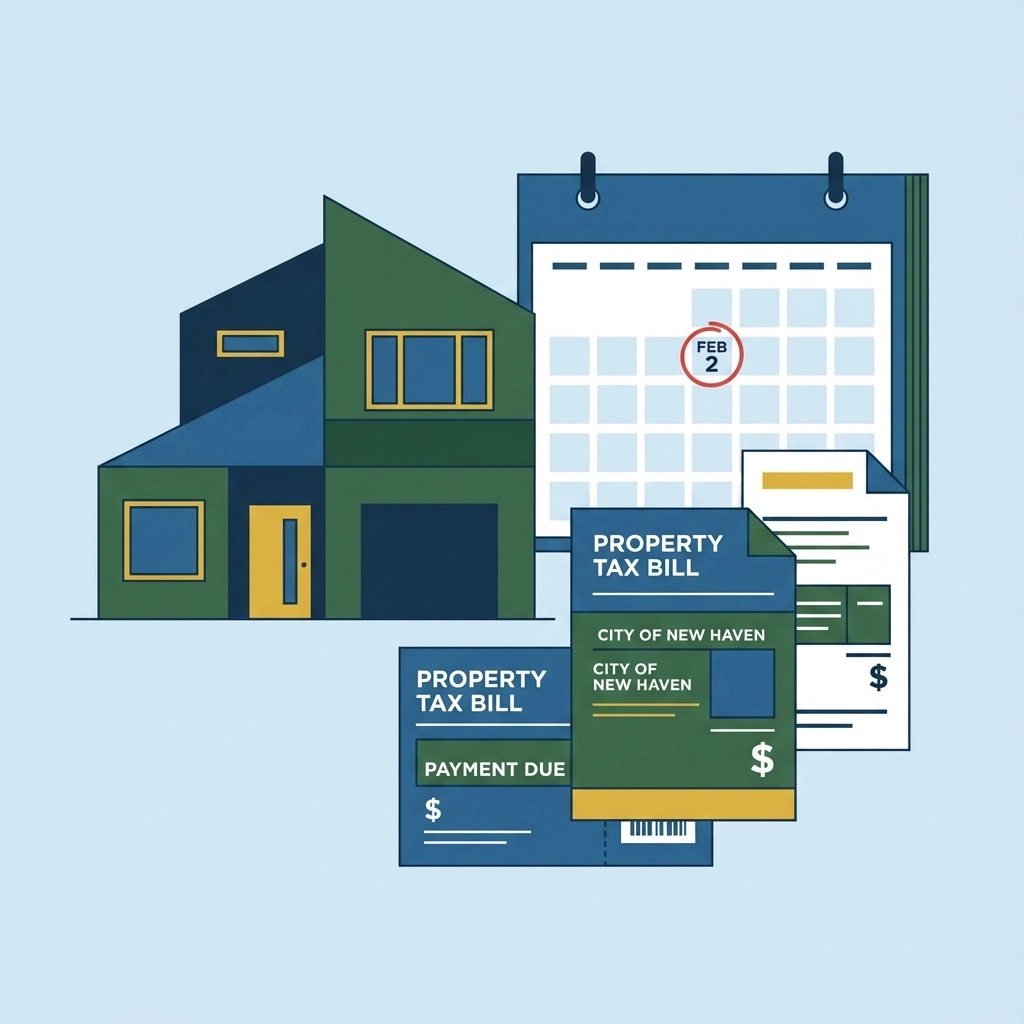
Move #1: Pay Your Property Tax Before the February 2 Deadline!
Critical Deadline: February 2, 2026
New Haven's second installment of property taxes becomes due February 2, 2026. This payment covers taxes assessed on the 2024 Grand List with established mill rates of 39.40 for real estate and personal property, and 32.46 for motor vehicles.
Immediate Action Required:
File your property tax payment before February 2 to claim this deduction on your 2025 federal tax return if you itemize deductions. This timing allows you to include the full payment amount as a state and local tax (SALT) deduction before submitting your federal return.
Payment Processing Guidelines:
- Personal checks require a five-day business hold
- ACH payments are subject to the same five-day hold period
- Online payments must be initiated by January 28 to ensure processing before the deadline
Consequences of Late Payment:
Unpaid taxes become delinquent February 3, 2026. Interest charges apply retroactively from January 1, 2026, significantly increasing your total tax burden. Late payments also disqualify you from claiming the deduction on your 2025 federal return.
Warning: Property tax delinquency may lead to liens against your property and additional legal fees.
Move #2: Update Your Connecticut Withholding for 2026!
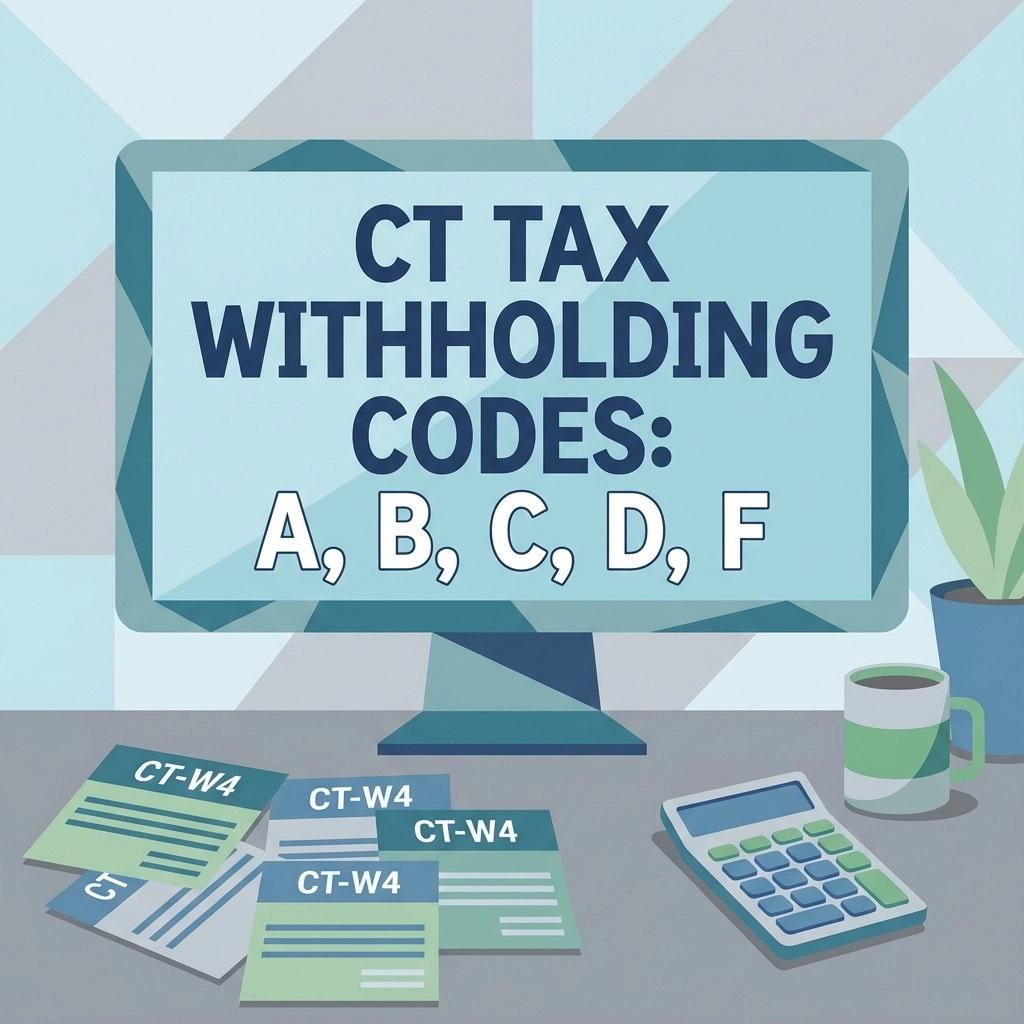
Connecticut eliminated traditional allowances and now operates under a code-based withholding system effective for all 2026 payroll processing. This change directly impacts your take-home pay and year-end tax liability.
Understanding the New Code System:
The Connecticut Department of Revenue Services (DRS) requires employees to select withholding codes A, B, C, D, or F based on filing status and expected household income levels. Each code corresponds to specific withholding rates designed to approximate your annual tax liability.
Required Documentation:
Submit Form CT-W4 to your employer immediately. If you fail to file a valid CT-W4, your employer must withhold taxes at the highest available rate, potentially creating significant overwithholding throughout 2026.
Income-Based Exemption Structure:
Connecticut's personal exemption system phases out based on income thresholds:
- Single filers: Exemptions reduce from $15,000 to $0 as income increases from $30,000 to $44,000
- Married filing jointly: Proportional reductions apply at higher income levels
- Head of household: Intermediate thresholds determine exemption amounts
Action Steps:
- Calculate your expected 2026 household income
- Determine your filing status for 2026
- Select the appropriate withholding code using DRS guidelines
- Complete and submit Form CT-W4 to your payroll department
- Verify your first 2026 paycheck reflects the correct withholding amount
Move #3: Plan for Major Federal Tax Changes Taking Effect!
Multiple significant federal tax provisions expire after 2025, creating substantial planning opportunities and potential pitfalls for 2026 and beyond.
Qualified Business Income (QBI) Deduction Expires:
The 20% deduction on pass-through business income ends December 31, 2025. Business owners operating as sole proprietorships, partnerships, or S-corporations will face higher effective tax rates beginning with 2026 income.
Immediate Planning Actions:
- Accelerate business income into 2025 where possible
- Defer deductible business expenses to 2026
- Consider entity restructuring options before the deadline
- Evaluate retirement plan contributions to offset increased taxable income
100% Bonus Depreciation Elimination:
Businesses lose the ability to immediately deduct 100% of qualifying property costs. The Section 179 deduction remains available as an alternative for equipment purchases, subject to annual limits.
Strategic Considerations:
- Complete major equipment purchases before December 31, 2025
- Research Section 179 eligibility requirements for 2026 purchases
- Plan multi-year equipment acquisition schedules to optimize deductions

State and Local Tax (SALT) Cap Removal:
The $10,000 limitation on state and local tax deductions likely expires after 2025, potentially benefiting Connecticut residents who pay substantial state income and property taxes.
Connecticut-Specific Impact:
Given Connecticut's high state tax rates and property tax assessments, SALT cap elimination could provide significant federal tax relief for itemizing taxpayers. New Haven families should:
- Maintain detailed records of all state and local tax payments
- Consider timing of discretionary local tax payments
- Evaluate itemizing versus standard deduction strategies for 2026
Federal Estate Tax Threshold Increases:
The federal estate tax exclusion rises to $15 million per person ($30 million for married couples) in 2026 due to inflation indexing. Connecticut's estate tax exemption matches this federal amount.
Connecticut Estate Tax Considerations:
- Connecticut imposes a 12% tax rate above the exemption threshold
- Portability between spouses is not available under Connecticut law
- Estate planning documents may require updates to reflect new thresholds

Essential Next Steps for New Haven Families:
Before February 2:
- Pay your property tax installment
- Gather all 2025 tax documents
- Schedule your tax preparation appointment
Before Filing Your 2025 Return:
- Review Connecticut withholding elections
- Evaluate business income acceleration opportunities
- Consider retirement account contributions
For 2026 Planning:
- Update payroll withholding forms
- Reassess business entity structures
- Review estate planning documents
Contact Jose's Tax Service for personalized guidance on implementing these strategies. Our New Haven office provides comprehensive tax planning services designed to maximize your savings while ensuring compliance with all federal and Connecticut requirements.
Professional consultation becomes essential given the complexity of expiring provisions and new withholding systems. Schedule your appointment early to secure optimal tax outcomes for both 2025 filing and 2026 planning.

Leave a Reply
You must be logged in to post a comment.