
Are You Making These Common Tax Planning Mistakes in 2026?
Tax season 2026 is here, and if you're like most taxpayers in New Haven, you're probably thinking it's just another year of filing returns and hoping for a decent refund. But here's the thing: many hardworking folks are leaving money on the table or setting themselves up for IRS trouble without even realizing it.
Let's cut through the confusion and talk about the tax planning mistakes that could be costing you thousands this year. Whether you're a small business owner, W-2 employee, or somewhere in between, these missteps can seriously impact your bottom line.
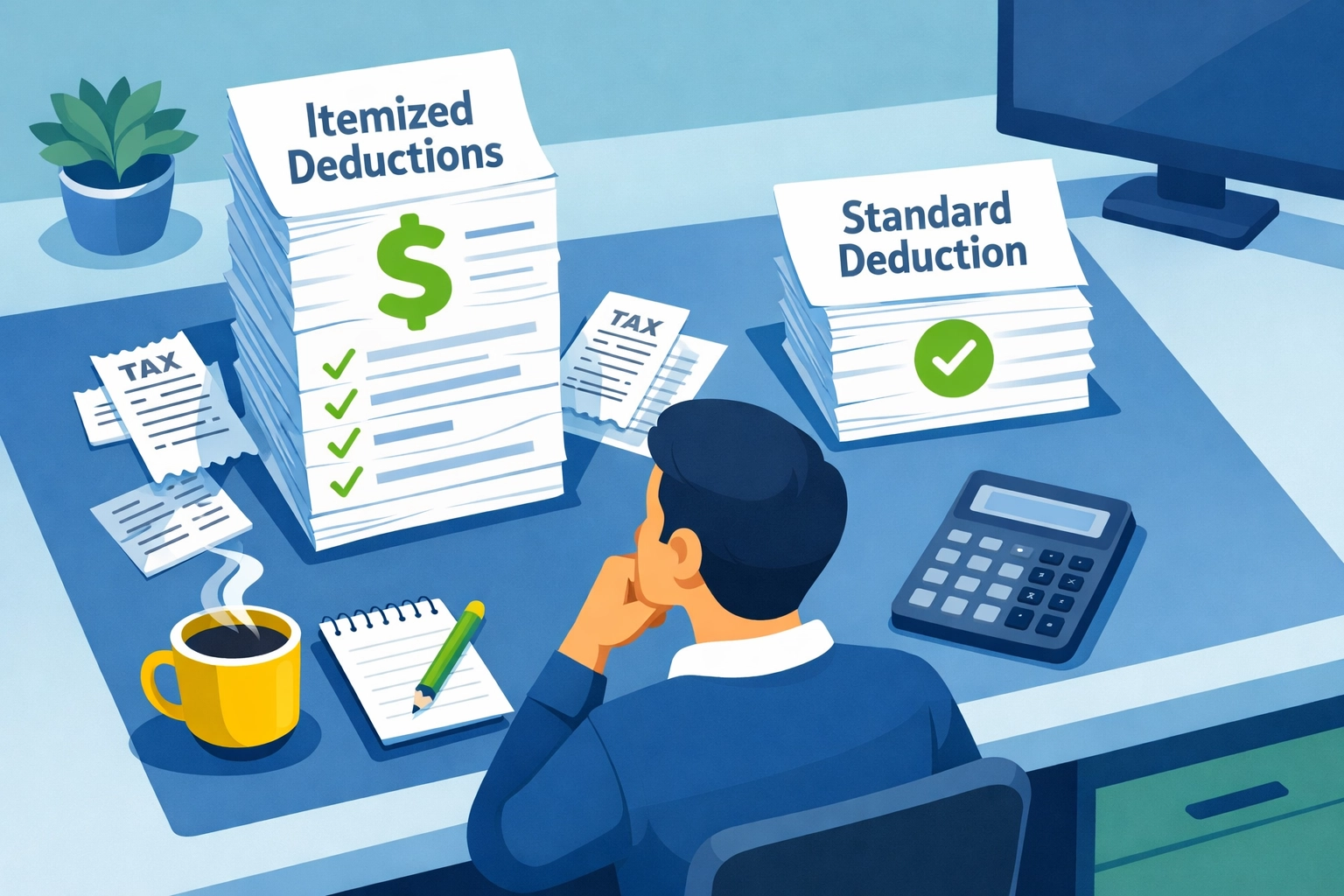
Stop Automatically Taking the Standard Deduction!
This might surprise you, but roughly 90% of taxpayers automatically claim the standard deduction without checking if itemizing would save them more money. For 2026, that's potentially a huge missed opportunity.
Here's what changed: The state and local tax (SALT) cap increased dramatically from $10,000 to $40,000 for many filers. If you're a Connecticut resident paying property taxes and state income taxes: and let's be honest, who in New Haven isn't: this change is significant.
Action steps:
- Calculate your total itemized deductions before automatically claiming the standard deduction
- Include property taxes, state income taxes, mortgage interest, and charitable contributions
- Compare the total to the standard deduction ($15,000 for single filers, $30,000 for married filing jointly in 2026)
- Consider consulting with a tax preparation professional in New Haven to run both scenarios
Your W-4 Is Probably Wrong
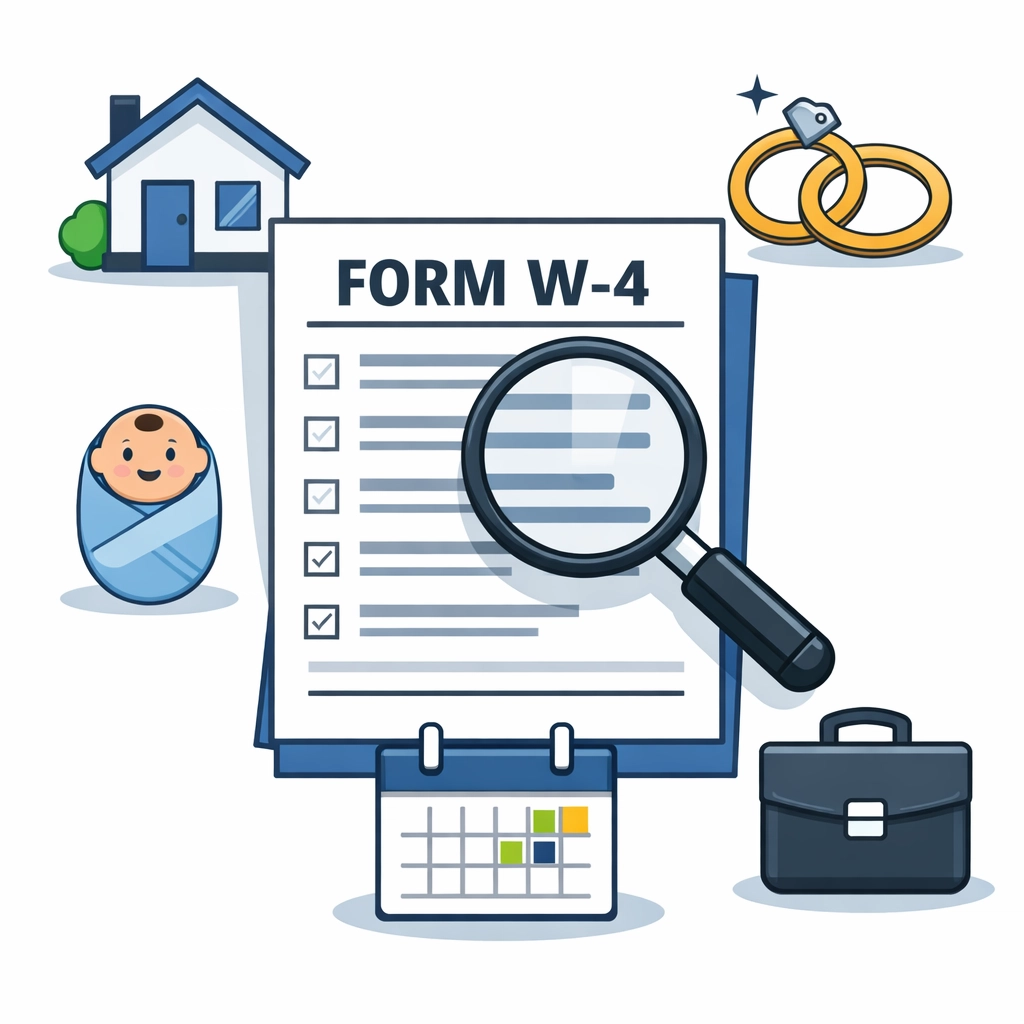
When was the last time you updated your Form W-4? If you can't remember, there's a good chance you're having too much or too little withheld from your paycheck.
Having too little withheld means you're building debt to the IRS throughout the year. Come April, you might face a surprisingly large tax bill plus potential penalties. Having too much withheld? You're giving the government an interest-free loan when that money could be working for you.
Update your W-4 if you've:
- Changed jobs
- Got married or divorced
- Had a child
- Bought a home
- Started a side business
- Experienced any significant income change
Missing Estimated Quarterly Tax Payments
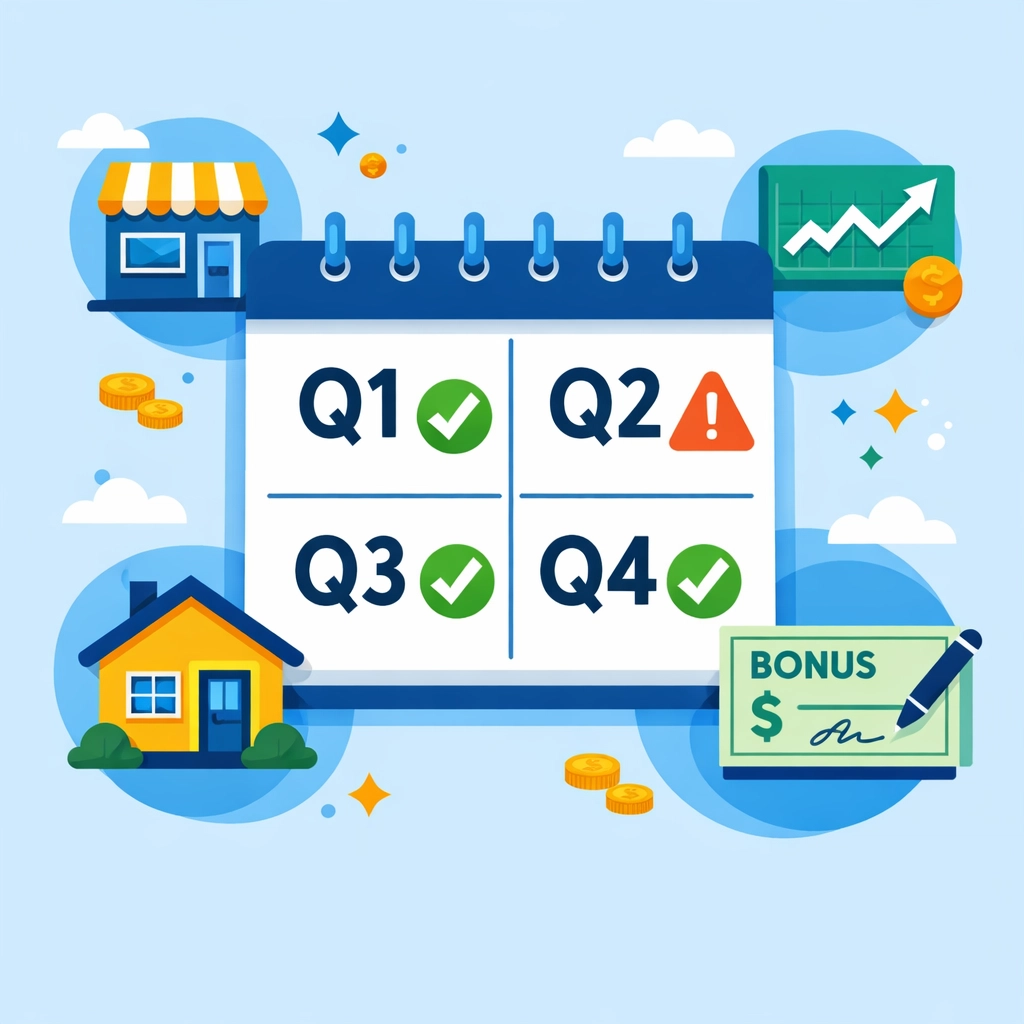
This mistake hits self-employed individuals, freelancers, and business owners especially hard. The IRS expects you to pay taxes throughout the year, not just on April 15th. Even if you pay your full tax liability by the filing deadline, you can still face penalties and interest for underpaying estimated taxes.
Estimated tax deadlines for 2026:
- April 15, 2026
- June 15, 2026
- September 15, 2026
- January 15, 2027
High-income earners receiving income from multiple sources: business profits, investment income, rental properties, bonuses: need to be particularly careful here.
Forgetting About the Net Investment Income Tax
Many high-income taxpayers get blindsided by the 3.8% Net Investment Income Tax (NIIT) once their income exceeds IRS thresholds. This tax applies to investment income including interest, dividends, capital gains, rental income, and passive business income.
The NIIT kicks in when modified adjusted gross income (MAGI) exceeds $200,000 for single filers or $250,000 for married filing jointly. Plan accordingly and consider tax planning strategies to minimize this additional tax burden.
Not Maximizing Retirement Contributions
Here's some good news: Maximizing retirement contributions is one of the most effective ways to reduce your 2026 tax bill while building wealth for the future.
2026 contribution limits:
- 401(k): $23,000 ($30,500 if age 50+)
- Traditional IRA: $7,000 ($8,000 if age 50+)
- SEP IRA for self-employed: Up to 25% of compensation or $69,000
Many high-income earners assume retirement contributions won't significantly impact their overall tax picture, but that's simply not true. These contributions can meaningfully reduce taxable income and move you into a lower tax bracket.
Poor Asset Location Costs You Money
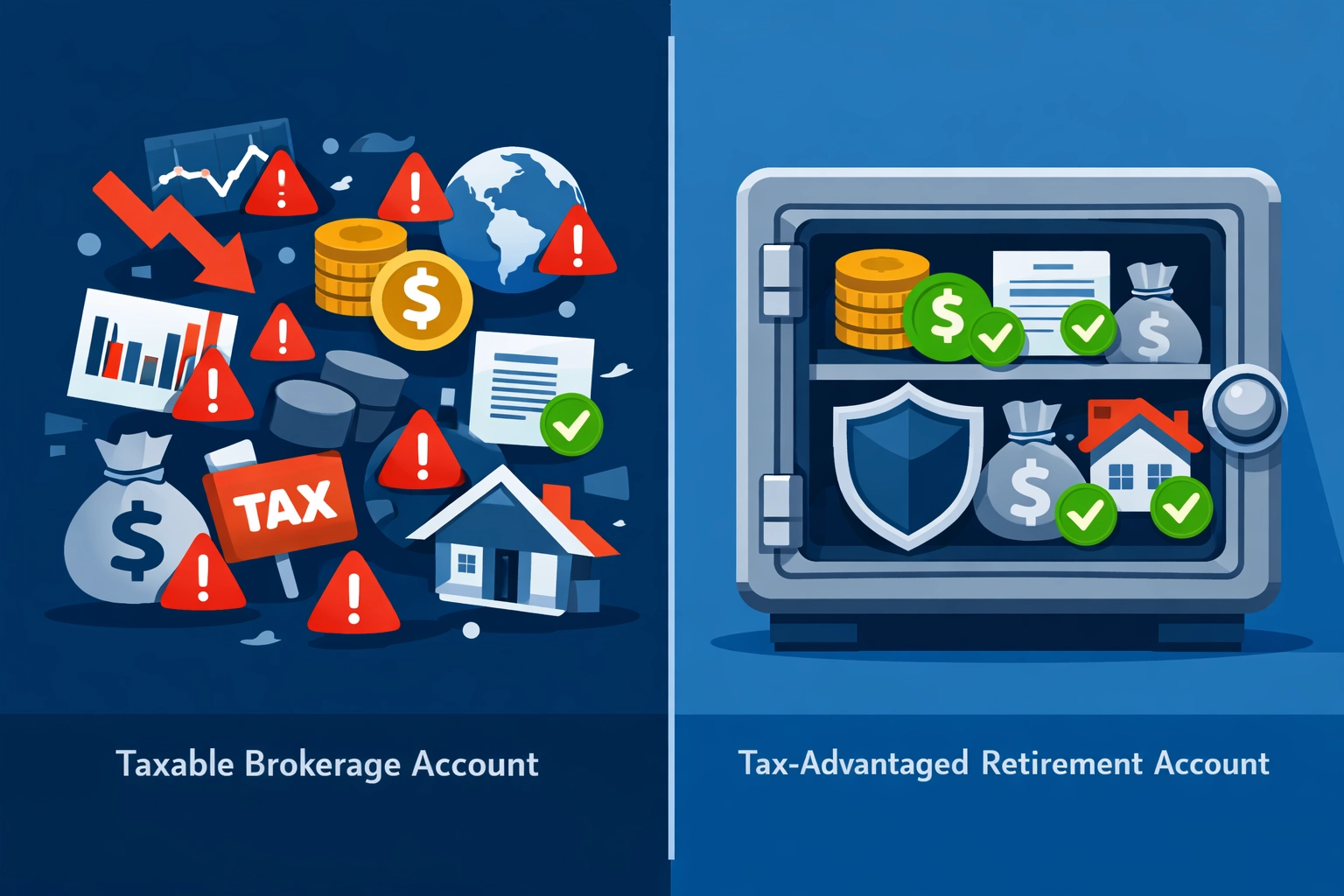
Where you hold your investments matters just as much as what you invest in. Keeping tax-heavy investments like high-yield bonds or actively managed mutual funds in taxable brokerage accounts increases your tax liability unnecessarily.
Smart asset location strategy:
- Hold tax-efficient investments (index funds, municipal bonds) in taxable accounts
- Place tax-inefficient investments (bonds, REITs, actively managed funds) in tax-deferred accounts like 401(k)s or IRAs
- Consider Roth accounts for high-growth investments
Inadequate Recordkeeping Is Audit Bait
Let's talk about something that sounds boring but can save you from serious headaches: recordkeeping. Poor documentation results in missed deductions, inaccurate reporting, and increased audit risk.
What you should keep:
- All receipts for business expenses over $75
- Mileage logs for business travel
- Bank statements and credit card statements
- Investment statements and trade confirmations
- Documentation for charitable contributions
- Medical expense receipts
- Home improvement records
- Receipts for major purchases
Keep these records for at least three years after filing, though seven years is safer for significant items.
Never Mix Personal and Business Finances!
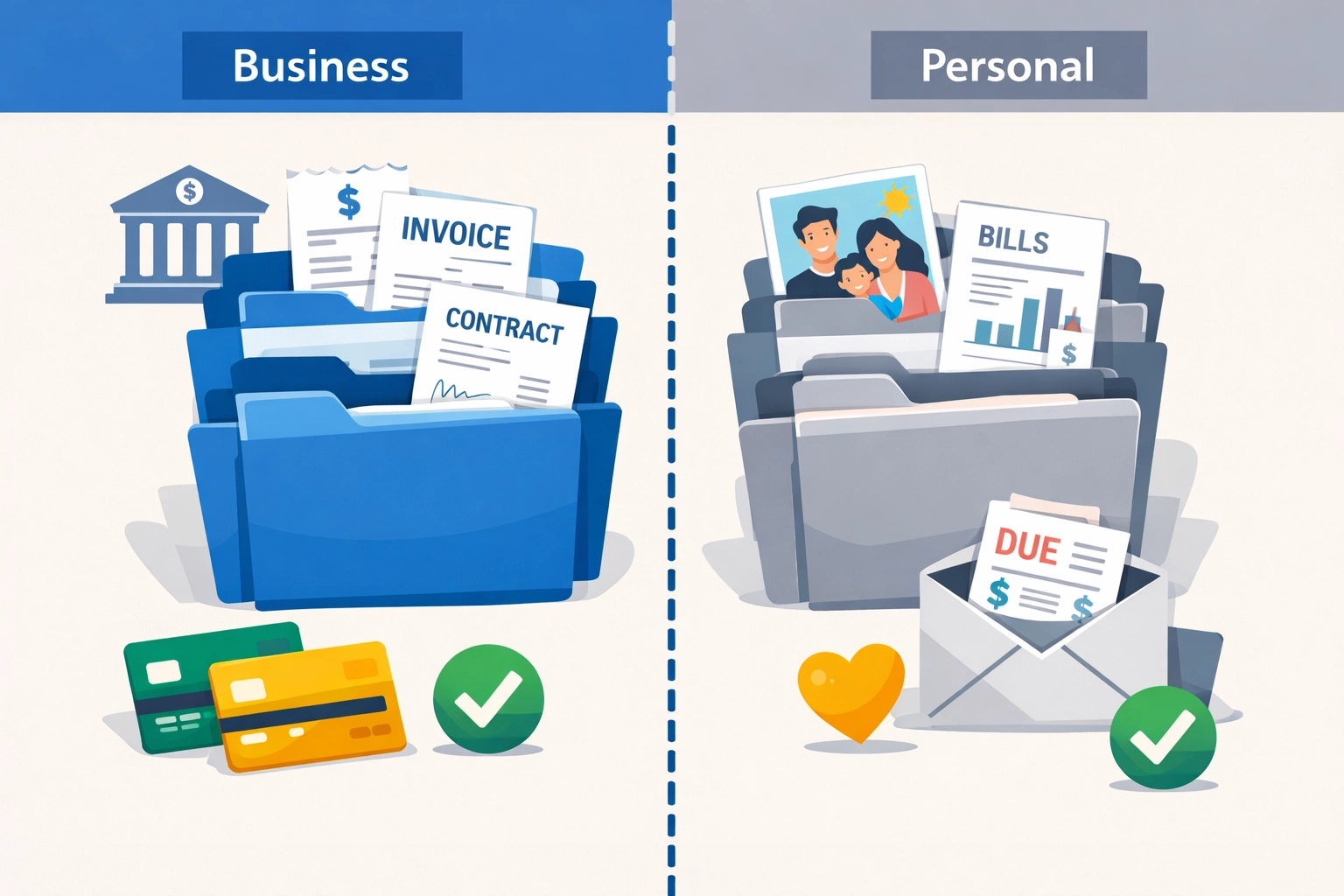
This is a critical mistake for LLC owners and self-employed individuals operating in the New Haven area. Commingling personal and business funds can jeopardize your liability protection, complicate tax reporting, and trigger IRS scrutiny.
The IRS views mixed finances as a major red flag. It can "pierce the corporate veil," meaning your personal assets could be at risk in a lawsuit.
Essential practices:
- Maintain separate bank accounts for business and personal use
- Get a dedicated business credit card
- Pay yourself a reasonable salary from your business
- Document all transfers between accounts with clear business purposes
- Never use business funds for personal expenses
Deducting Non-Qualified Expenses
Here's where people get creative: and where they get in trouble. The IRS sees through attempts to deduct personal expenses as business costs.
Not deductible:
- Commuting from home to your regular workplace
- Personal clothing (even if you wear it to work)
- Family vacations disguised as "business trips"
- Personal meals claimed as business meetings
- Inflated home office expenses
Fraudulent deductions carry accuracy-related penalties of 20% or civil fraud penalties of 75%. It's never worth it.
Waiting Until Tax Season to Plan
This is possibly the costliest mistake of all. By the time tax season rolls around, most opportunities to reduce your 2026 liability have already passed. Tax planning should happen throughout the year, not in a panic during March.
Year-round tax planning strategies:
- Review your tax situation quarterly
- Adjust withholding or estimated payments as income changes
- Make retirement contributions regularly, not in a lump sum
- Plan charitable giving strategically
- Consider tax-loss harvesting for investments
- Evaluate business expense timing
Don't File Too Soon
It's tempting to file early and get your refund quickly, but filing before you have all required documents can lead to amended returns and delays.
Wait until you have:
- All W-2s from employers
- All 1099 forms (1099-MISC, 1099-NEC, 1099-INT, 1099-DIV, etc.)
- Form 1098 for mortgage interest
- Investment account statements
- Documentation for all deductions and credits
Missing a 1099 can result in IRS notices and potentially trigger an audit when their records don't match your return.
Overlooking Connecticut and New Haven Tax Benefits
State-specific credits and deductions can significantly reduce your tax bill, but many taxpayers overlook them. Connecticut offers various tax benefits including property tax credits, earned income credits, and specific deductions that can add up.
Don't leave these local tax planning opportunities on the table. A tax preparation professional familiar with New Haven and Connecticut tax laws can identify benefits you might not know exist.
Take Control of Your 2026 Tax Situation
Tax planning mistakes can cost you thousands in missed deductions, penalties, and unnecessary tax liability. The good news? Most of these mistakes are completely avoidable with proper planning and professional guidance.
If you're feeling overwhelmed or uncertain about your 2026 tax situation, don't wait until the last minute. Professional tax preparation services in New Haven can help you maximize your refund, minimize your liability, and ensure you're taking advantage of every deduction and credit available.
Ready to stop making costly tax mistakes? Visit Jose's Tax Service to schedule your consultation and take control of your tax planning strategy for 2026.
Categories: news, tax planning

Leave a Reply
You must be logged in to post a comment.