
Are You Making These Common Tax Planning Mistakes in 2026?
NEW HAVEN, CT – February 21, 2026 – Tax season is in full swing, and thousands of taxpayers are making preventable mistakes that cost them hundreds or even thousands of dollars. The 2026 tax year has brought updated regulations and new opportunities, but many individuals and business owners continue to fall into the same costly traps.
According to tax professionals and IRS guidance, most tax planning errors stem from treating taxes as a once-a-year obligation rather than an ongoing financial strategy. Here are the critical mistakes to avoid and the steps you can take to protect your refund.
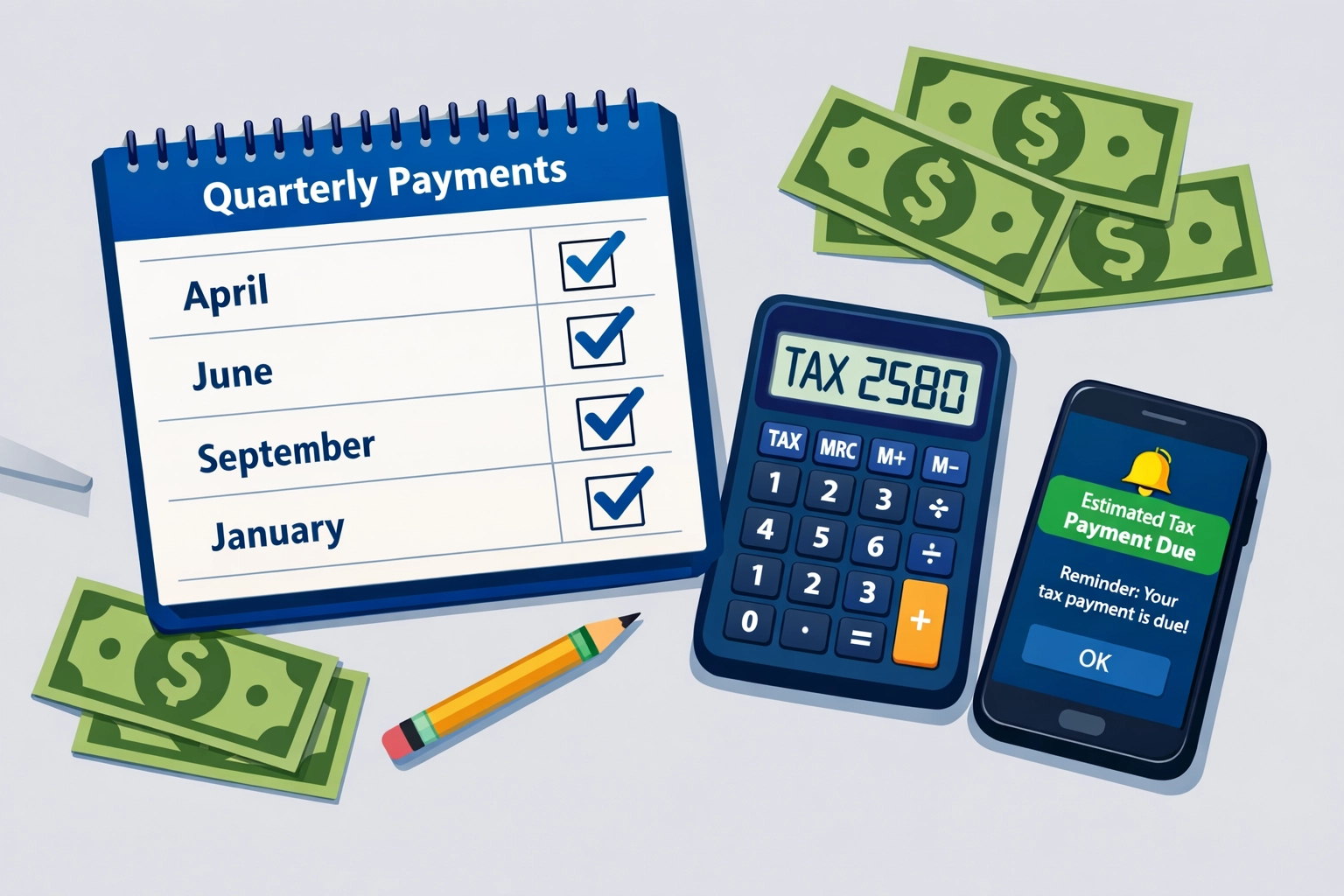
Missing or Underpaying Estimated Taxes!
Business owners, freelancers, and high-income earners frequently make this mistake. If you operate a pass-through entity, such as an LLC, S-Corporation, or sole proprietorship, your business income flows directly to your personal tax return. This income is subject to both federal income tax and self-employment taxes, which can reach 15.3% on top of your regular income tax rate.
The Problem: Many taxpayers fail to make sufficient quarterly estimated payments throughout the year. Even if you pay the full amount owed by the April filing deadline, the IRS assesses penalties and interest on underpayments.
The Solution: Calculate your estimated tax liability quarterly. Make payments by the designated deadlines: April 15, June 15, September 15, and January 15 of the following year. Use IRS Form 1040-ES to determine your payment amounts. Adjust your estimates if your income changes significantly during the year.
High-income earners receiving income from multiple sources, business profits, investment gains, bonuses, or pass-through entities, should pay particular attention to this requirement.
Treating Tax Planning as a Once-a-Year Task!
This is the most damaging approach to tax management. When you only think about taxes during filing season, you miss critical opportunities to reduce your liability through strategic timing, deduction planning, and income management.
Year-Round Actions to Take:
- Review your tax situation quarterly, not annually
- Track deductible expenses throughout the year
- Monitor income thresholds that trigger higher tax rates
- Adjust estimated payments when income changes
- Plan major financial decisions with tax implications in mind
- Consult with a tax professional before year-end to implement strategies
For New Haven residents and business owners, local tax preparation services can provide ongoing guidance to maximize deductions specific to Connecticut taxpayers.
Failing to Itemize When It Saves Money!
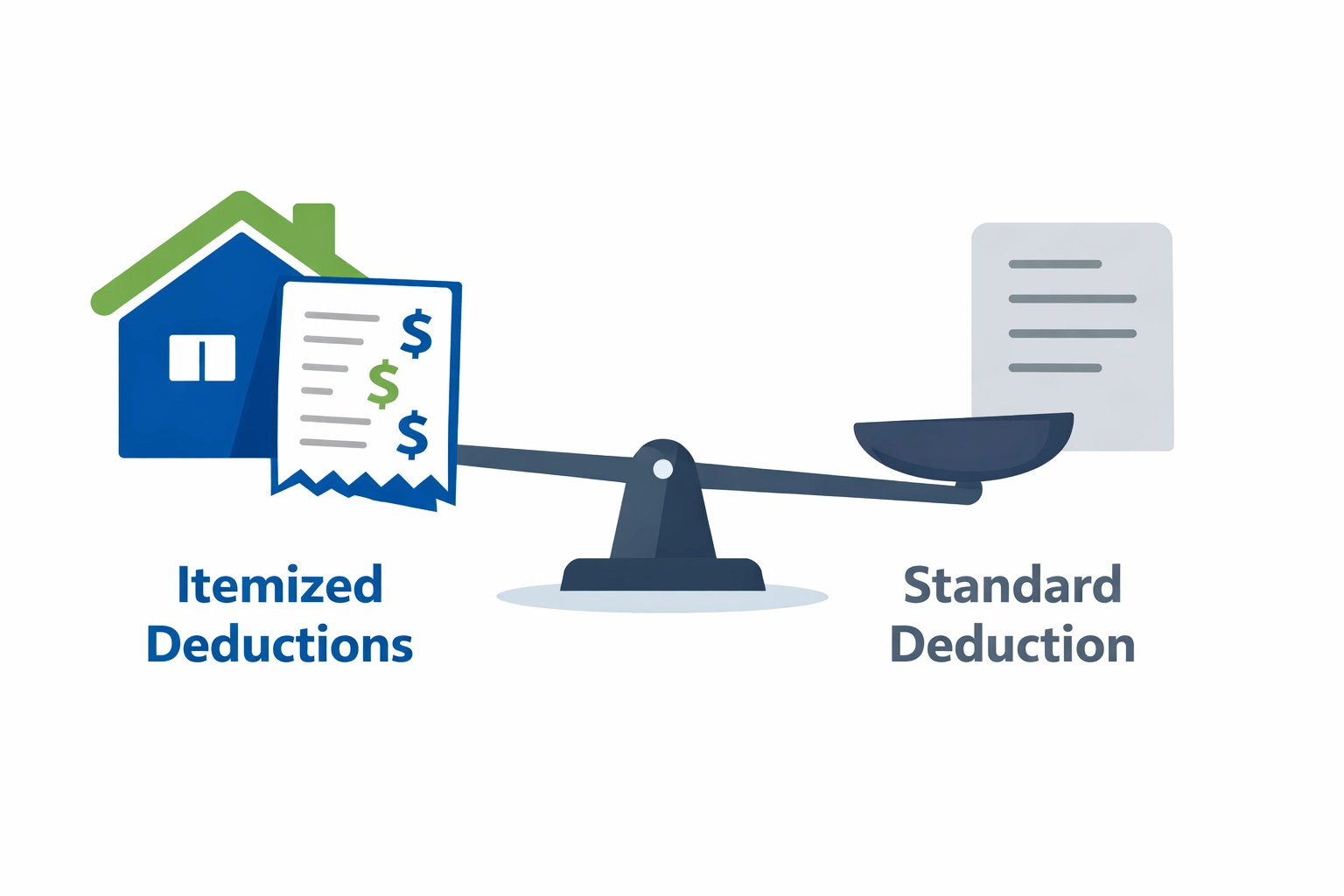
Approximately 90% of taxpayers claim the standard deduction automatically. For the 2025 tax year (filed in 2026), the standard deduction is $14,600 for single filers and $29,200 for married couples filing jointly.
However, recent federal policy shifts have made itemizing more attractive than it has been in recent years. You should calculate whether itemizing saves you money if you have:
- Significant state and local taxes (SALT) up to the $10,000 cap
- Mortgage interest on a primary or secondary residence
- Substantial charitable donations
- Medical expenses exceeding 7.5% of your adjusted gross income
- Casualty and theft losses from federally declared disasters
Action Required: Total your potential itemized deductions and compare them to the standard deduction amount. Use Schedule A to report itemized deductions. Keep detailed records and receipts for all claimed expenses.

Overlooking New Deductions and Credits!
The 2026 tax law includes several updated provisions that many taxpayers don't know about. Common credits and deductions to verify include:
Child Tax Credit – Check current income phase-out limits and per-child amounts
Education Credits – American Opportunity Credit and Lifetime Learning Credit have specific eligibility requirements
Dependent Care Credit – Available for childcare expenses that allow you to work
Earned Income Credit – Income limits change annually; verify your eligibility
Energy-Efficient Home Improvements – Credits for qualified improvements continue with updated requirements
Retirement Contribution Deductions – Contribution limits increase periodically
Review IRS publications or consult with a tax professional to ensure you claim all credits and deductions for which you qualify.
Poor Record-Keeping Practices!
Incomplete or disorganized financial records create multiple tax problems. This foundational issue leads to denied deductions, missed credits, and unfavorable outcomes if you face an audit.
Critical Record-Keeping Requirements:
- Maintain receipts for all business expenses
- Save bank and credit card statements
- Document mileage for business travel
- Keep records of charitable donations
- Preserve investment transaction confirmations
- Store tax documents for at least seven years
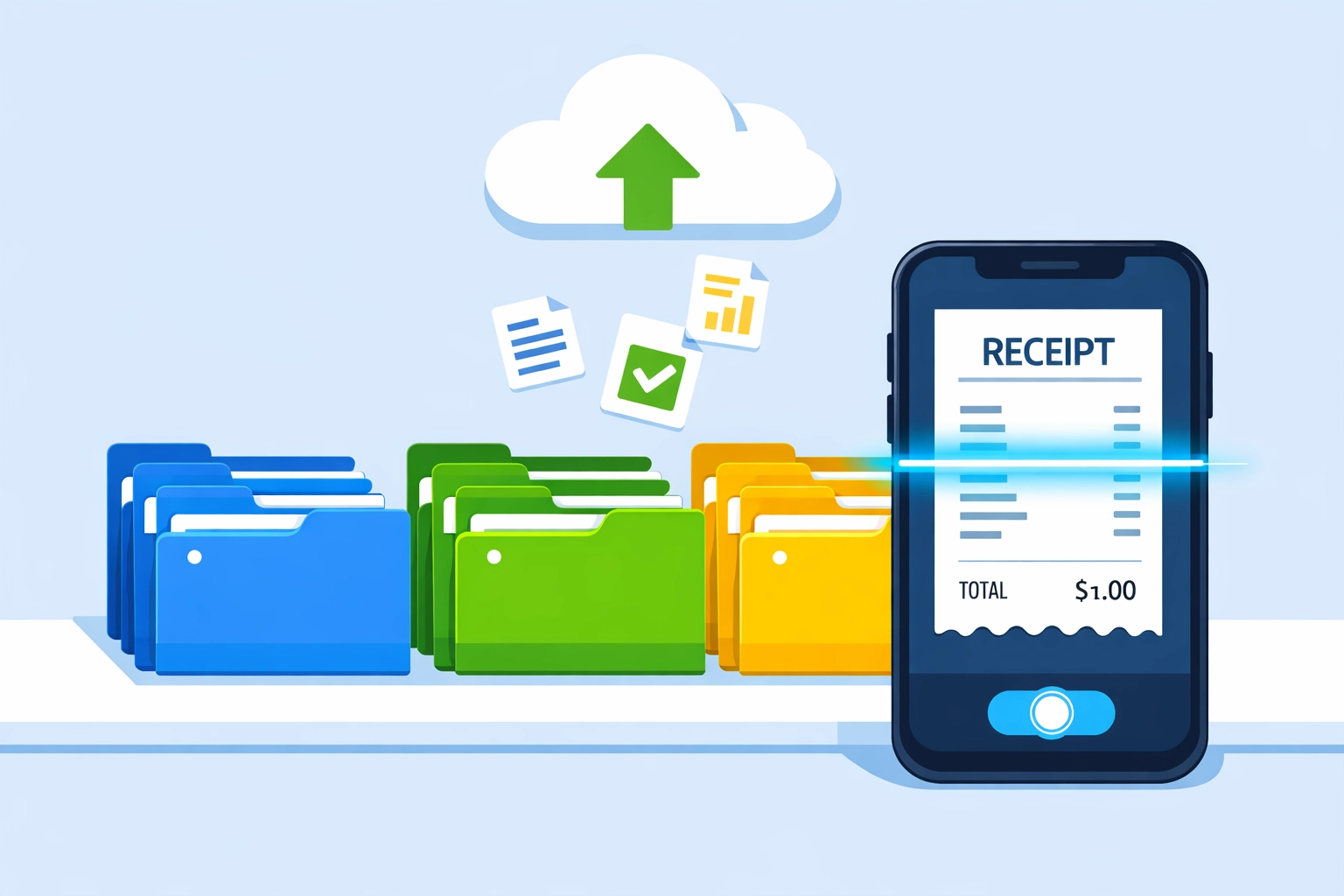
Use digital tools or accounting software to organize records throughout the year. Take photos of receipts immediately to prevent loss or fading. Create separate folders for different expense categories.
Mixing Personal and Business Finances!
Many business owners use one bank account for everything, personal purchases and business expenses combined. This practice complicates record-keeping, weakens audit defenses, and increases the likelihood that legitimate deductions will be challenged.
Mandatory Separation Steps:
- Open dedicated business checking and savings accounts
- Obtain a business credit card used exclusively for company expenses
- Pay yourself a salary or owner's draw from the business account
- Never use business accounts for personal purchases
- Maintain clear documentation for any legitimate business-personal transactions
This separation protects your deductions during an audit and demonstrates professional business operations to the IRS.
Poor Income Timing Strategies!
The IRS taxes income based on when it's received, not when it's earned. If you receive a large bonus, freelance payment, or investment distribution at the wrong time, it can push you into a higher tax bracket and significantly increase your tax bill.
Income Management Techniques:
- Request year-end bonuses in January instead of December
- Delay invoicing for freelance work until after December 31
- Accelerate deductible expenses into the current year
- Consider Roth IRA conversions during lower-income years
- Time capital gains realizations strategically
Connecticut residents should also consider state tax implications when planning income timing, as state brackets differ from federal brackets.
Ignoring the Net Investment Income Tax (NIIT)!
High-income taxpayers frequently overlook this additional 3.8% tax on certain investment income. The NIIT applies when your modified adjusted gross income exceeds:
- $200,000 for single filers
- $250,000 for married filing jointly
- $125,000 for married filing separately
The tax applies to the lesser of your net investment income or the amount by which your MAGI exceeds these thresholds. Investment income includes interest, dividends, capital gains, rental income, and passive business income.
Planning Strategy: Monitor your income throughout the year. Consider tax-loss harvesting to offset capital gains. Review asset location to minimize taxable investment income.
Outdated W-4 Withholding Information!
If your Form W-4 hasn't been updated recently, your employer may be withholding too little from your paycheck. This creates an unexpected tax bill when you file your return.
Update your W-4 when you experience:
- Marriage or divorce
- Birth or adoption of a child
- Purchase of a home
- Starting a side business
- Significant income changes
- Changes to itemized deductions
Use the IRS Tax Withholding Estimator tool to calculate the correct withholding amount. Submit a new Form W-4 to your employer's payroll department.
Misclassifying Workers!
Business owners who misclassify employees as independent contractors face significant tax liability, penalties, and potential legal consequences. The IRS uses multiple factors to determine proper classification, including:
- Behavioral control over work performance
- Financial control and investment
- Relationship permanence and benefits
Required Action: Review all contractor relationships periodically. Document the independent nature of contractor work. Provide proper tax forms (1099-NEC for contractors, W-2 for employees). Consult with a tax professional if classification is uncertain.
Take Action Now!
Tax planning mistakes are preventable with proper organization and professional guidance. Here in New Haven, Jose's Tax Service provides year-round tax planning support to help you maximize your refund and minimize your liability.
Immediate Steps:
- Review your 2025 tax documents for completeness
- Calculate whether you should itemize deductions
- Verify your W-4 withholding is correct
- Organize receipts and financial records
- Schedule a consultation with a tax professional
Don't wait until the last minute to address these common tax planning mistakes. Proactive planning throughout the year protects your financial interests and ensures you claim every deduction and credit available to you.
For personalized tax preparation and planning services, visit Jose's Tax Service or check our latest tax updates for more information.
Categories: news, tax planning

Leave a Reply
You must be logged in to post a comment.