
The Ultimate Guide to Year-Round Tax Planning: Everything You Need to Maximize Your Tax Refund
NEW HAVEN, CT – April 7, 2026 – Jose's Tax Service
Tax preparation is often viewed as a seasonal obligation occurring between January and April. However, taxpayers who wait until the filing deadline to consider their financial standing often miss significant opportunities to reduce their liability. Effective tax planning is a continuous, year-round process. By implementing strategic financial habits today, New Haven residents can ensure they maximize your tax refund and avoid common pitfalls associated with last-minute filing.
The Foundation of Year-Round Planning: Proactive Recordkeeping
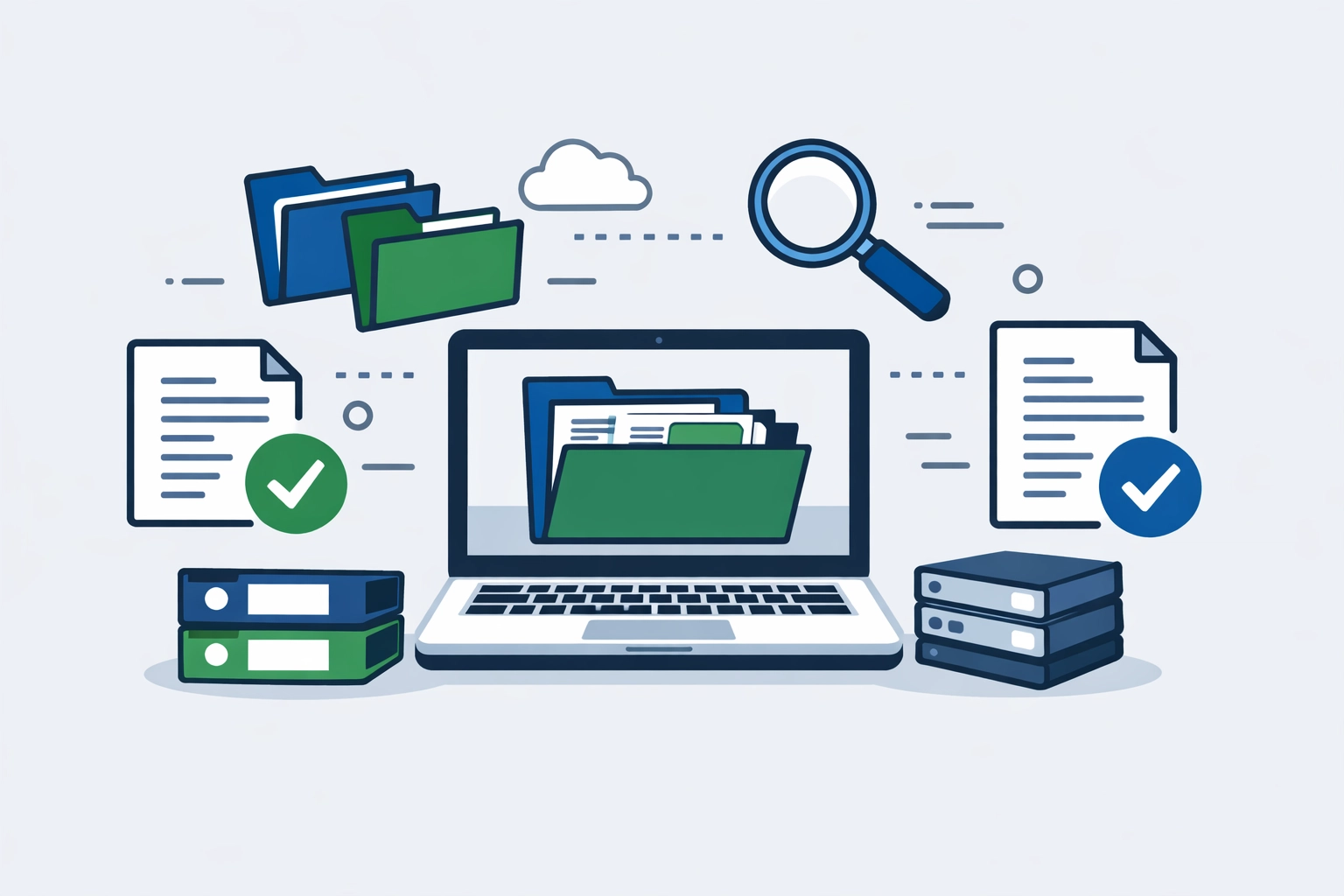
The most significant barrier to an accurate tax return is poor recordkeeping. Taxpayers must maintain a systematic method for tracking income, expenses, and potential deductions throughout the calendar year.
- Establish a Centralized Filing System: Create a dedicated physical or digital folder for all tax-related documents.
- Log Deductions as They Occur: Use a spreadsheet or accounting software to record charitable donations, medical expenses, and business-related costs immediately.
- Retain Documentation for Three Years: The Internal Revenue Service (IRS) generally has three years to audit a return. Maintain all receipts, canceled checks, and 1099 forms for this duration.
- Digital Backups: Scan physical receipts to prevent data loss due to fading ink or physical damage.
Develop a Tax Baseline with a Pro Forma Return
A pro forma tax return is an estimated return based on your current financial trajectory. This document serves as a baseline for the year. By projecting your total annual income and estimated deductions in the second quarter, you can identify if you are on track for a refund or if you risk an underpayment penalty.
- Instruction: Contact your concierge tax pro to prepare a mid-year projection.
- Action: Compare your current year-to-date earnings against the previous year’s tax return to identify significant variances in income.
If your income has increased significantly due to a promotion or a successful side hustle, your current withholding may be insufficient. Adjusting your strategy mid-year prevents a large, unexpected balance due in April 2027.
Verify and Adjust Federal Tax Withholding
Federal taxes are structured on a "pay-as-you-go" basis. Taxpayers are required to pay the majority of their tax liability as income is earned. Failure to do so may lead to penalties under Internal Revenue Code § 6654.
Using the IRS Tax Withholding Estimator
Access the official Tax Withholding Estimator on the IRS website. Enter your most recent pay stubs and last year's tax return information to determine if your current withholding aligns with your projected liability.
Updating Form W-4
If the estimator indicates an underpayment, you must submit a revised Form W-4 (Employee's Withholding Certificate) to your employer.
- Step 1: Download Form W-4 from the IRS website.
- Step 2: Complete the worksheet to determine the correct number of allowances or additional dollar amounts to withhold.
- Step 3: Deliver the completed form to your payroll department.
Strategic Timing of Income and Deductions
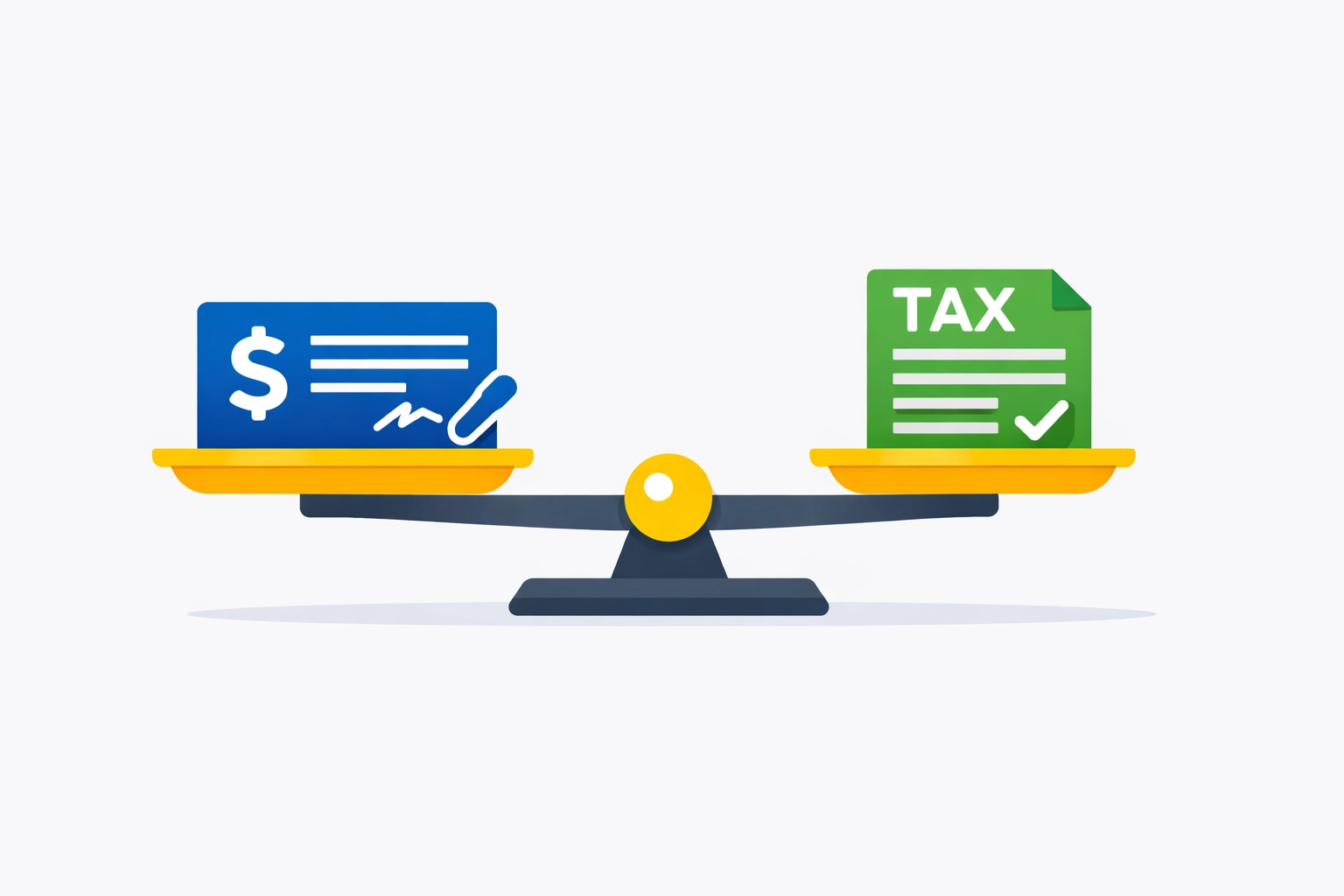
The timing of financial transactions is a critical component of tax planning. Depending on your projected tax bracket, you may benefit from accelerating or deferring specific items.
Accelerating Deductions
If you anticipate being in a higher tax bracket this year than next, consider accelerating deductions.
- Charitable Contributions: Make year-end donations to qualified 501(c)(3) organizations before December 31.
- Medical Expenses: Schedule elective procedures or purchase necessary medical equipment if you are close to exceeding the 7.5% Adjusted Gross Income (AGI) threshold.
- Mortgage Interest: Pay your January mortgage payment in late December to include the interest deduction on your 2026 return.
Deferring Income
If you expect to be in a lower tax bracket next year, deferring income can reduce your current tax burden.
- Year-End Bonuses: Request that your employer pay year-end bonuses in January rather than December.
- Invoicing: Small business owners using cash-basis accounting can delay sending invoices until late December so payments are received in the new tax year.
Maximizing Retirement and Savings Contributions
Contributions to tax-advantaged accounts are among the most effective ways to lower your AGI and maximize your tax refund.
- 401(k) and 403(b) Plans: Maximize your pre-tax contributions to employer-sponsored plans. For 2026, ensure you are taking full advantage of any employer matching programs, as this is essentially "free money" that also reduces your taxable income.
- Individual Retirement Accounts (IRA): Contributions to a traditional IRA may be tax-deductible depending on your income level and participation in employer plans.
- Health Savings Accounts (HSA): If you have a high-deductible health plan (HDHP), contributions to an HSA are 100% tax-deductible, and withdrawals for qualified medical expenses are tax-free.
- Flexible Spending Accounts (FSA): Ensure you utilize all funds in your FSA before the year-end deadline, as these are typically "use-it-or-lose-it" accounts.

Navigating the One Big Beautiful Bill Act (OBBBA)
The OBBBA legislation has introduced several permanent changes that New Haven taxpayers must monitor throughout 2026.
- SALT Deduction Caps: Review how the expanded State and Local Tax (SALT) deduction limits affect your itemized deductions.
- Bonus Depreciation: For small business owners in New Haven, the permanent extension of 100% bonus depreciation allows for the immediate expensing of qualified capital investments.
- New State Credits: Connecticut has introduced specific family tax credits that require detailed residency and income documentation.
For more information on state-specific updates, visit our Small Business Learning Center.
Small Business Tax Readiness
If you operate a small business or a side hustle in New Haven, tax planning is not optional: it is a requirement for survival. Managing your 1099-K forms and business expenses throughout the year prevents the "shoebox of receipts" panic in April.
- Deduct Marketing Expenses: All costs associated with advertising, website maintenance, and professional SEO services are fully deductible business expenses.
- Quarterly Estimated Payments: Use Form 1040-ES to calculate and pay estimated taxes by the quarterly deadlines (April 15, June 15, September 15, and January 15).
- Home Office Deduction: If you use a portion of your New Haven home exclusively for business, maintain records of your square footage and utility costs to claim this deduction.

Why a Concierge Tax Pro Wins in 2026
While DIY software is available, it cannot provide the proactive, year-round guidance required to navigate complex tax codes like the OBBBA. A concierge tax pro at Jose's Tax Service offers personalized strategies that software often overlooks.
- Audit Protection: We stand by our work and provide representation if the IRS questions your return.
- Custom Strategies: We analyze your specific financial situation to find New Haven-specific credits and deductions.
- Efficiency: Save time and reduce stress by utilizing our e-signing portal and virtual filing options.
Professional tax preparation in New Haven ensures that you are not just "filling out forms" but building a long-term wealth strategy.
Summary Checklist for Year-Round Success
To ensure you are prepared for the next filing season, follow this recurring checklist:
- Monthly: Reconcile bank statements and categorize business expenses.
- Quarterly: Review income and adjust estimated tax payments if necessary.
- Semi-Annually: Meet with your tax professional for a mid-year check-up.
- Year-End: Maximize retirement contributions and finalize charitable giving.
Warning: Failure to adjust withholdings or pay estimated taxes on time may lead to failure-to-pay penalties and interest charges from the IRS.
For personalized assistance and to start your 2026 planning, schedule your tax appointment with ease or request a quote today.
Jose's Tax Service
123 Elm Street, New Haven, CT
https://josestaxservice.com
Categories: tax planning, news
Tags: New Haven, maximize tax refund, concierge tax pro, IRS Form W-4, OBBBA, 2026 tax updates, small business taxes, tax preparation New Haven

Leave a Reply
You must be logged in to post a comment.