
7 Mistakes You’re Making with Your 2026 Tax Planning (and How to Fix Them)
NEW HAVEN, CT : JOSE’S TAX SERVICE : APRIL 4, 2026
Look, I get it. Tax planning is about as exciting as watching paint dry on a humid Connecticut summer day. But here we are, it’s April 4th, 2026, and the "Big Day" is less than two weeks away. If you’re currently staring at a mountain of crumpled receipts and feeling a cold sweat break out, you aren’t alone.
As the owner of Jose's Tax Service, I’ve seen it all: from the "shoebox method" of accounting to people trying to claim their French Bulldog as a dependent (spoiler: unless your dog has a Social Security number and a job, it’s a no-go). The 2026 tax season is unique because we are navigating the fallout and the windfalls of the most recent legislative updates.
If you want to maximize your tax refund and avoid a love letter from the IRS, you need to stop making these seven common blunders. Let's fix your strategy before the clock strikes midnight on April 15.
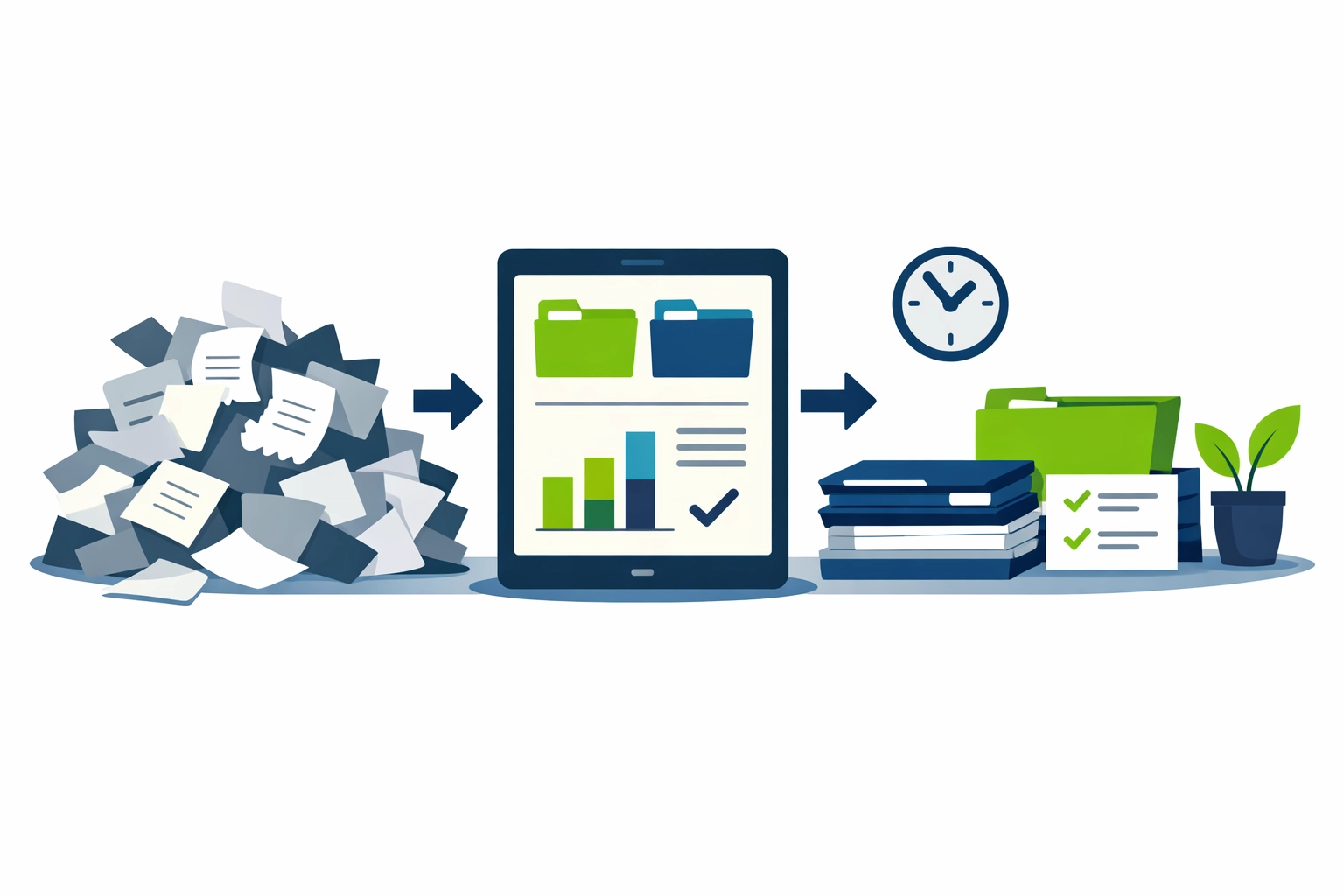
1. Maintaining a "Digital Disaster" Zone (Disorganized Records)
The Problem: Many taxpayers in New Haven treat their tax records like a game of hide-and-seek. If you aren't maintaining itemized receipts or proper records, you are essentially gambling with your return. In 2026, the IRS has increased its automated matching capabilities. If you claim a deduction you can’t prove, the system flags it faster than a New York minute.
The Consequence: Lost deductions, expensive penalties, and a significantly higher risk of an audit. Without a paper (or digital) trail, the IRS has the authority to disallow your claims entirely.
The Fix: Implement a centralized organizational system immediately. Use a dedicated folder: either physical or a secure cloud-based drive: to store every receipt, 1099, and W-2.
- Command: Categorize your expenses by month.
- Command: Scan physical receipts to prevent ink fading (which is a common issue with thermal paper).
- Command: Use accounting software or a simple spreadsheet to track work-related expenses throughout the year.
2. Waiting Until the Literal Last Minute
The Problem: Treating tax filing as a "deadline-only" event rather than a year-round strategy is the fastest way to lose money. When you rush, you miss the nuance. You forget about that charitable donation you made in July or the energy-efficient windows you installed in October.
The Consequence: Rushed decisions lead to mathematical errors and overlooked credits. Furthermore, high-quality tax preparation in New Haven gets booked up early. If you wait until April 10th, you’re stuck with whoever is left or doing it yourself while stressed.
The Fix: Start your tax planning in January of each year.
- Command: Schedule a mid-year check-in with your tax pro to see where your liability stands.
- Command: Review your year-to-date income in October to make any last-minute deductible purchases or retirement contributions.
- Link: Check our recent archive for more tips on early filing.
3. Ignoring the "New for 2026" Tax Deductions
The Problem: The tax landscape changed significantly following recent legislative shifts. We are seeing temporary breaks that many New Haven filers are completely ignoring because "that’s not how it was last year." Specifically, the new overtime deduction, the expanded tip deduction, and the car loan interest deduction for certain earners are game-changers.
The Consequence: You are literally leaving money on the table. Forgetting a "senior bonus" deduction or a specific small business credit can cost you thousands.
The Fix: Stay updated with a current tax update.
- Command: Research the "Overtime Deduction" if you worked significant extra hours this year.
- Command: Consult the tax-update category on our site to see which new laws apply to your specific bracket.
- Command: Ask your preparer specifically about the 2026 car loan interest credits if you purchased a vehicle for work use.
4. The "Side Gig" Memory Gap
The Problem: About a third of Americans with side hustles: whether it's driving for a rideshare, selling crafts online, or freelance consulting: forget to report this income. You might think, "It’s just a few hundred bucks," but the IRS doesn't see it that way. In 2026, third-party payment processors are reporting more aggressively than ever.
The Consequence: If the IRS receives a 1099-K or 1099-NEC and it doesn’t show up on your return, you will get a notice. This triggers audits and back-tax interest that often exceeds the original tax owed.
The Fix: Track every dollar from your side business.
- Command: Keep a separate bank account for side income to make reporting seamless.
- Command: Deduct your legitimate business expenses (mileage, home office, equipment) to offset the tax on that income.
- Command: Report all income, even if you didn't receive a formal 1099 form from the payer.

5. Taking the "Lazy" Standard Deduction
The Problem: Many taxpayers automatically click "Standard Deduction" because it’s easier. While the standard deduction is high, 2026 has brought back certain incentives for itemizing that might tip the scales in your favor, especially for homeowners in the New Haven area.
The Consequence: You might pay more in tax than necessary. If your itemized deductions (mortgage interest, SALT, charitable gifts, medical expenses) exceed the standard deduction amount, you’re throwing away a maximum tax refund.
The Fix: Run the numbers both ways.
- Command: Calculate your State and Local Tax (SALT) payments.
- Command: Total your mortgage interest and charitable contributions.
- Command: Compare the total to the 2026 Standard Deduction limit for your filing status (Single, Married Filing Jointly, etc.).
6. The "Copy-Paste" Filing Error
The Problem: Using last year’s return as a 100% template for this year. People assume that because their job didn't change, their taxes won't either. But tax brackets shift, inflation adjustments happen, and New York/Connecticut state laws frequently diverge from federal rules.
The Consequence: You might miss out on the "Senior Bonus" or specific Connecticut-filing credits that were introduced for the 2025-2026 cycle. Using outdated information is the most common reason for rejected returns.
The Fix: Treat every year as a fresh start.
- Command: Review your filing status: did you get married, divorced, or have a child?
- Command: Check for new state-specific credits in Connecticut.
- Link: See our news section for the latest legislative changes affecting local filers.
7. Math Mistakes with Federal Tax Withholding
The Problem: This is the "Goldilocks" of tax planning. If you withhold too much, you’re giving the government an interest-free loan (and you’re struggling with cash flow during the year). If you withhold too little, you’re hit with a massive bill and underpayment penalties in April.
The Consequence: Financial stress. Unexpectedly owing $3,000 when you expected a refund can ruin your financial year.
The Fix: Use the IRS Tax Withholding Estimator.
- Command: Adjust your W-4 with your employer if you had a major life change.
- Command: Aim to break even or receive a small refund to ensure you aren't over-leveraged.
- Command: Check your withholding if you have multiple jobs or a high-earning spouse, as this often leads to under-withholding.
Why Professional Tax Preparation in New Haven Matters
You wouldn't perform surgery on yourself, and unless you're a CPA, you probably shouldn't be gambling with complex 2026 tax laws. At Jose's Tax Service, we specialize in finding the "hidden" money that DIY software often misses.
Whether it's navigating the new payment app reporting rules or ensuring your small business bookkeeping is actually working for you, we provide a concierge experience that takes the weight off your shoulders.
Summary Checklist for your 2026 Return:
- Gather all 1099s and W-2s.
- Review the new 2026 deductions (Overtime, Tips, Senior Bonus).
- Verify your direct deposit information (the IRS is phasing out paper checks!).
- Compare standard vs. itemized deductions.
- Book your appointment before the April 15 deadline.
Don't let the 2026 tax season get the better of you. A little planning today means a much bigger check (or a much smaller bill) tomorrow.
Ready to maximize your tax refund? Visit our posts page for more guides or come see us in New Haven for a professional review of your 2026 planning.
Stay tuned for Day 4 of our 7-day series: Do You Really Need an IRS Online Account? Here's the Truth.
Categories: Tax Planning, News
Tags: 2026 Tax Season, New Haven Tax Prep, Maximize Refund, IRS Updates, Jose's Tax Service, Tax Planning Mistakes, Connecticut Taxes.

Leave a Reply
You must be logged in to post a comment.