
7 Mistakes You’re Making with Your 2026 Tax Planning (and How to Fix Them)
title: "7 Mistakes You’re Making with Your 2026 Tax Planning (and How to Fix Them)"
categories: ["news", "tax planning"]
tags: ["tax planning", "tax update", "tax preparation new haven", "maximize tax refund", "IRS Form 1040", "2026 tax season", "New Haven taxes", "Jose's Tax Service"]
DATELINE: NEW HAVEN, CT – April 2, 2026
ORGANIZATION: Jose’s Tax Service
If you are reading this on April 2nd, the clock is officially ticking. We are deep into the 2026 tax season, and for many residents in New Haven, the pressure is mounting. As the CEO of Jose’s Tax Service, I see the same patterns every year. People work hard for their money, but they often hand over more than necessary to the IRS because of simple, avoidable errors.
Tax planning is not a one-time event that happens in April; it is a year-round strategy. Whether you are a small business owner on Grand Ave or an employee at Yale, your financial health depends on how you navigate the complex web of federal and state regulations. If you want to maximize tax refund results and keep the IRS out of your hair, you need to identify where you’re slipping up.
Below are the seven most critical mistakes taxpayers are making in 2026 and the exact steps required to correct them immediately.
1. Maintaining Disorganized Tax Records!
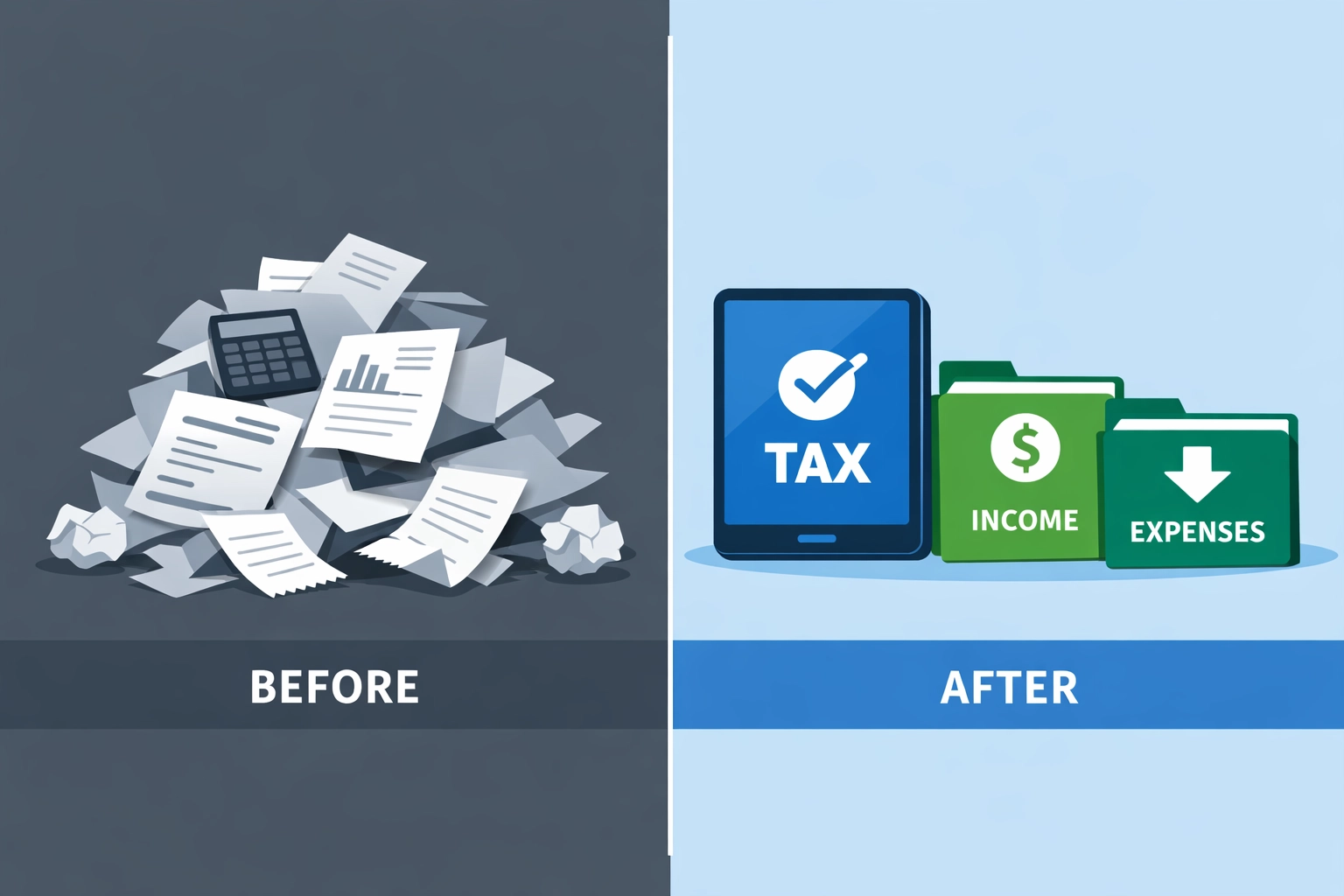
The most common reason for a lower-than-expected refund is a lack of documentation. Failing to keep track of itemized receipts, travel logs, and digital invoices creates a chaotic filing process. Disorganized records do more than just cause stress; they lead to lost deductions and increase the probability of an Internal Revenue Service (IRS) audit. If you cannot prove an expense, you cannot claim it.
How to fix it:
Implement a 15-minute weekly review. Do not wait until the end of the year to sort through a shoebox of receipts. Use a dedicated scanning app or a simple folder system to categorize expenses as they happen. Categorize your documents into "Income," "Business Expenses," "Medical," and "Charitable Contributions." By the time you come to see us for tax preparation New Haven services, your data should be ready for entry into Form 1040.
2. Waiting Until the Final Deadline to Plan!
Treating tax planning as a deadline-driven task rather than a proactive strategy is a recipe for financial waste. When you rush your filing in mid-April, you lose the opportunity to make strategic moves that could have lowered your taxable income months ago, such as maximizing 401(k) contributions or timing the sale of assets.
How to fix it:
Shift your mindset to year-round tax planning. Start your planning for the following year on May 1st. Spread your investments and deductible purchases throughout the fiscal year. This approach allows for better cash flow management and ensures you aren't scrambling to find funds for a last-minute IRA contribution. Consistent planning reduces the risk of costly mathematical errors that occur during late-night, caffeine-fueled filing sessions.
3. Forgetting to Report "Side Hustle" Income!
In 2026, the gig economy is larger than ever in New Haven. However, roughly 33% of Americans with side jobs fail to report that income. This is a dangerous mistake. The IRS receives copies of Form 1099-K and 1099-NEC from payment processors and companies. If your reported income does not match their records, an automated flag is triggered.
How to fix it:
Track every dollar. Use a separate bank account for your side business to keep personal and professional funds distinct. Report all income, even if it’s below the $600 threshold for a formal 1099. Remember, the IRS actively cross-references data. If you’ve received income through apps like Venmo or PayPal for services rendered, ensure those amounts are reflected on your return to avoid penalties and interest. For more on how we handled these transitions in previous years, you can see our historical updates here: https://josestaxservice.com/2021/12.
4. Ignoring Major 2026 Tax Law Changes!
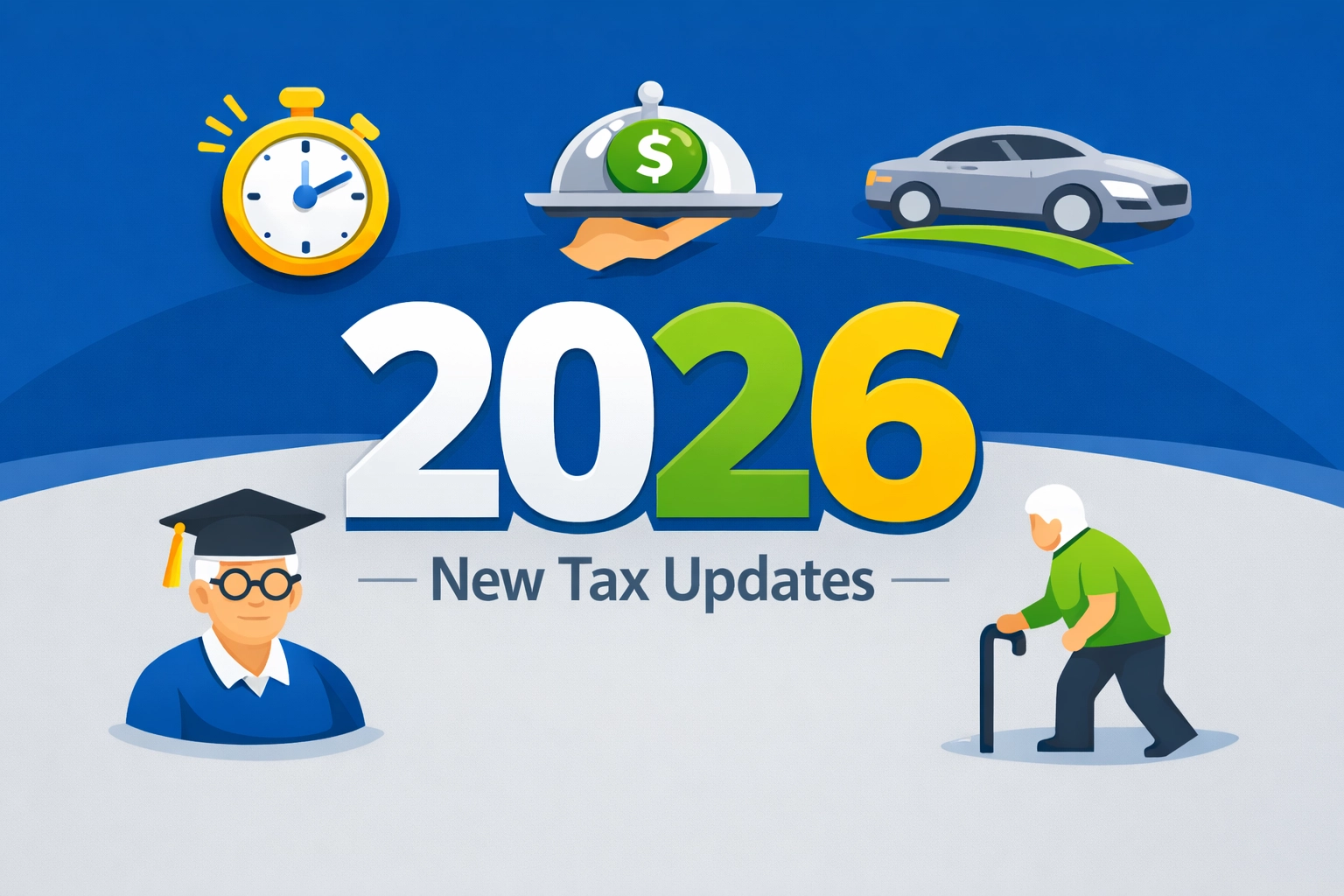
One of the biggest mistakes this year is assuming the rules are the same as they were in 2025. This year’s tax update includes several brand-new provisions that could significantly impact your bottom line. Relying on outdated information means you are literally leaving money on the table.
The 2026 updates you must know:
- The Overtime Deduction: New legislation now allows certain workers to deduct or exclude portions of overtime pay from taxable income.
- The Tip Deduction: Significant changes have been made to how tipped employees calculate their liability.
- Car Loan Interest Deduction: Under specific conditions, interest on personal vehicle loans is now seeing a resurgence in deductibility.
- The "Senior Bonus" Deduction: A new credit for taxpayers over the age of 65 who remain in the workforce.
How to fix it:
Stay informed by consulting with a professional. At Jose’s Tax Service, we stay on top of these shifting regulations so you don't have to. Review your specific situation against these new 2026 credits to ensure you are capturing every benefit available to you.
5. Overlooking Small Business and Local Deductions!
Many taxpayers in the New Haven area fail to claim local-specific exemptions or specific small business deductions because they don't think they "qualify." Whether it’s home office expenses, education-related credits, or insurance premiums, many eligible deductions go unclaimed every year.
How to fix it:
Maintain a comprehensive checklist of all potential deductions. If you are a small business owner, ensure you are utilizing Section 179 depreciation for equipment purchases. If you are working from home, measure your office space precisely and apply the simplified home office deduction if applicable. Double-check your eligibility for the Earned Income Tax Credit (EITC) and Child Tax Credit (CTC), as the thresholds have shifted for 2026. You can reference some of our past guidance on maximizing these credits at https://josestaxservice.com/2022/04.
6. Miscalculating Your Cost Basis on Investments!
With the rise of retail investing and cryptocurrency, many New Haven residents are selling assets without accurately calculating their "cost basis." If you only use the purchase price and ignore adjustments like commissions, fees, or "sweat equity" improvements on real estate, you will pay more in capital gains tax than you legally owe. You are essentially paying tax on a profit that doesn't exist.
How to fix it:
Document every adjustment to your investment basis. If you sold a property in New Haven this year, gather receipts for all capital improvements made during your ownership. For stocks and digital assets, use portfolio tracking software that integrates with tax software to ensure the "wash sale" rules and cost basis adjustments are handled with institutional precision. Accurate reporting ensures you only pay tax on the real gain.
7. Incorrect Federal Tax Withholding!
This is the "Goldilocks" problem of tax planning. If you withhold too much, you are giving the federal government an interest-free loan of your hard-earned money. If you withhold too little, you will face a massive, unexpected bill and potential underpayment penalties when you file.
How to fix it:
Use the IRS 2026 Tax Withholding Estimator. If you have had a major life event: marriage, a new child, or a significant raise: you must update your Form W-4 with your employer. Aim for a "zero balance" where you neither owe a large amount nor receive a massive refund. While a large refund feels like a win, that money could have been working for you in a high-yield savings account or investment throughout the year.

Summary Checklist for a Successful 2026 Filing:
To ensure your tax preparation New Haven process goes smoothly, follow these imperative steps:
- File your return as early as possible to prevent identity theft and speed up your refund.
- Enter all 1099 and W-2 data exactly as it appears on the forms.
- Use direct deposit to receive your refund; it is the fastest and most secure method.
- Double-check Social Security numbers for all dependents to avoid processing delays.
- Maintain copies of your filed returns for at least seven years.
Final Reminder: The federal filing deadline for 2026 is Wednesday, April 15th. Do not wait until the 14th to discover you are missing a critical document.
If you're feeling overwhelmed by the 2026 changes, come see us. We’ve been helping the New Haven community navigate these waters for years. You can check out some of our earlier work and community involvement from previous seasons at https://josestaxservice.com/2023/04.
At Jose's Tax Service, we don't just crunch numbers; we build strategies. Let’s make sure 2026 is the year you finally get your taxes exactly right.
Stay sharp, New Haven!
: Jose' Morales, CEO, Jose's Tax Service

Leave a Reply
You must be logged in to post a comment.