
Why Everyone Is Talking About the 2026 Tax Planning Changes (And You Should Too)
DATELINE: NEW HAVEN, CT – JOSE’S TAX SERVICE – MARCH 27, 2026
The landscape of American taxation has shifted significantly following the enactment of the "One Big Beautiful Bill" (OBBB), which was signed into law on July 4, 2025. While many taxpayers are currently focused on their 2025 filings, the real conversation among professionals and proactive taxpayers revolves around the 2026 tax planning changes. Because many of these provisions were retroactive to January 1, 2025, or are seeing their first full year of implementation in 2026, the urgency to adjust your financial strategy has never been higher.
At Jose’s Tax Service, we are seeing a massive influx of questions regarding how these sweeping overhauls affect individual bottom lines. Whether you are a small business owner in New Haven or a W-2 employee looking to maximize your tax refund, understanding these updates is mandatory to avoid overpayment.
The Massive Jump in Standard Deductions!
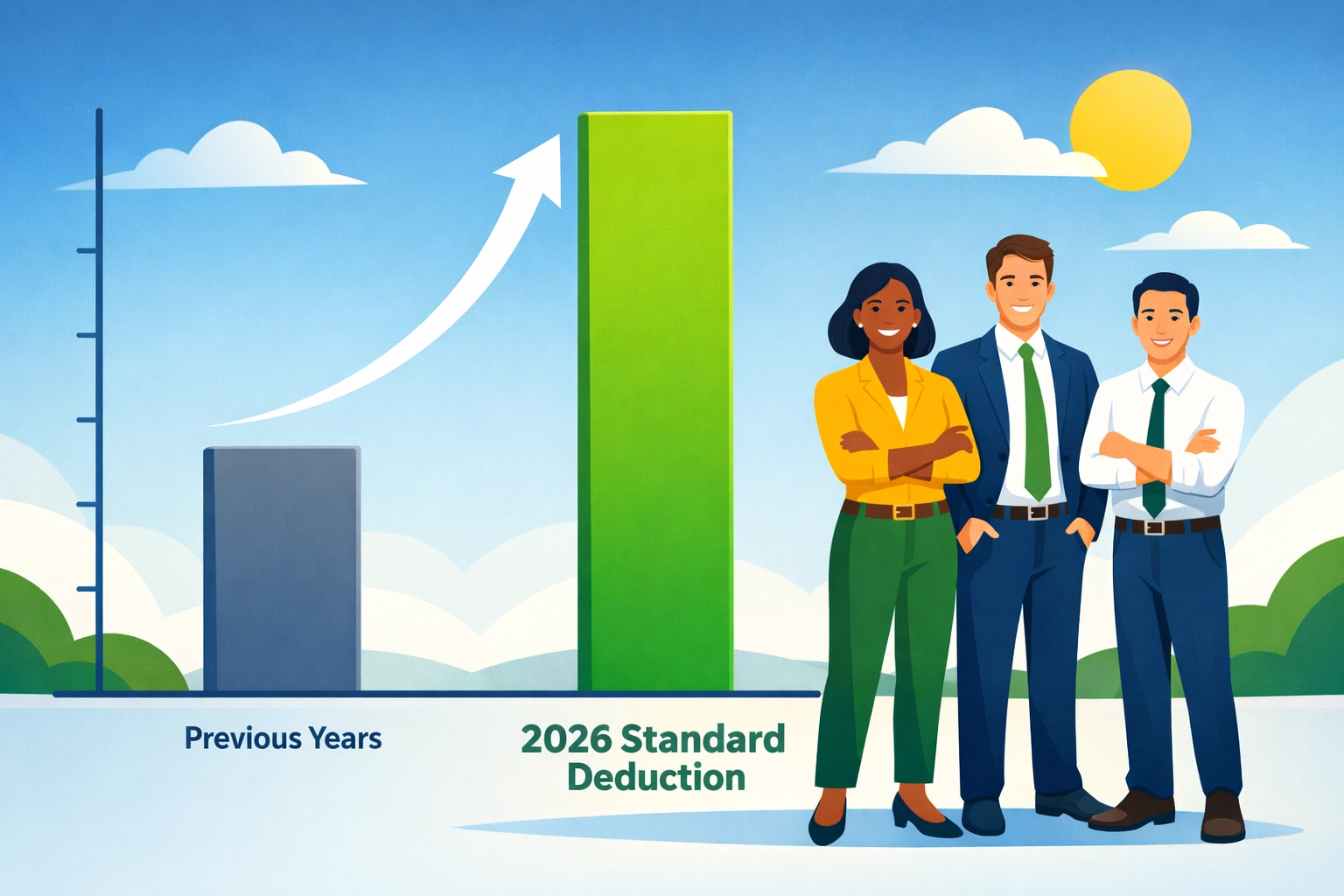
One of the most immediate changes impacting nearly every taxpayer is the significant increase in the standard deduction. For the 2026 tax year, the amounts have been adjusted to account for the new legislative standards and inflationary pressures.
- Married Couples Filing Jointly (MFJ): $32,200
- Single Filers: $16,100
- Heads of Household (HoH): $24,150
For our clients in the New Haven area who are 65 or older, there is additional relief. You can now claim an extra $2,000 if filing as single or head of household. If you are filing a joint return, you receive an extra $1,600 per qualifying spouse.
Actionable Step: Compare your total itemized deductions against these new, higher limits. If your mortgage interest, charitable gifts, and state taxes do not exceed these amounts, use the standard deduction to simplify your filing and reduce your taxable income.
New Specialized Deductions for Workers and Car Owners!
The 2026 tax update introduces specific deductions that were previously unavailable or severely limited. These changes target the middle-class workforce and those carrying consumer debt for essential transportation.
1. The Tip Deduction
Service industry workers can now claim deductions of up to $25,000 for tips received. However, this is subject to a Modified Adjusted Gross Income (MAGI) phaseout. The phaseout begins at $150,000 for single filers and $300,000 for those filing jointly.
2. Overtime Income Relief
For the first time in recent history, workers can deduct up to $12,500 of their overtime income. This provision is designed to reward the "extra mile" put in by hourly employees.
3. Auto Loan Interest
In a major shift, interest on auto loans is now deductible up to $10,000. This is particularly relevant for families in Connecticut where vehicle costs and associated financing have risen.
- Single Phaseout: Starts at $100,000 MAGI.
- MFJ Phaseout: Starts at $200,000 MAGI.
Warning: Failure to track your overtime hours and tip logs precisely can lead to IRS inquiries. Maintain contemporaneous records of all income types to qualify for these deductions.
SALT Relief for New Haven Homeowners!
For years, residents of high-tax states like Connecticut were frustrated by the $10,000 cap on State and Local Tax (SALT) deductions. As of the 2026 planning cycle, the SALT deduction cap has increased to $40,000.
This change is a game-changer for tax preparation in New Haven. If you own property in East Rock, Westville, or the surrounding shoreline, your property taxes combined with state income tax likely exceeded the old $10,000 limit.
Pro-Tip: With the cap now at $40,000, many residents who previously took the standard deduction may find it more beneficial to itemize. This is a critical component of any 2026 tax planning strategy.
Note: This $40,000 cap begins to phase down for taxpayers with a MAGI over $500,000. For every dollar earned over that threshold, the deduction is reduced by 30 cents. This provision is currently scheduled to expire after 2029.

Strategic Changes for Families and Estates!
The OBBB has restructured how families receive credits and how wealth is passed down.
Child Tax Credit (CTC) and Adoption
The Child Tax Credit has seen a substantial increase, providing more immediate liquidity for parents. Additionally, the adoption credit has risen to $17,670. Crucially, $5,120 of this credit is now refundable, meaning you can receive it even if you owe zero taxes.
Estate Tax Exemption
For high-net-worth individuals, the estate tax exemption has risen to $15,000,000 for 2026. This is up from $13,990,000 in 2025.
- Review your wills and trusts: Ensure your estate plan aligns with these new limits to maximize the tax-free transfer of assets to your heirs.
Healthcare and Spending Account Updates!
The limits for tax-advantaged healthcare accounts have shifted upward, allowing for more pre-tax savings.
- Health Flexible Spending Arrangements (FSA): Contribution limits have increased to $3,400.
- Out-of-Pocket Limits: The IRS has increased the maximum out-of-pocket expense limits for both individual and family coverage, impacting how you should fund your Health Savings Accounts (HSA).
Instruction: Review your employer’s benefits package during the next open enrollment period. Adjust your FSA contributions to the new $3,400 limit to lower your overall taxable income.

How to Maximize Your Refund in New Haven
To truly maximize your tax refund under the 2026 rules, you must move beyond simple data entry. At Jose's Tax Service, we recommend a three-pillar approach:
1. Document Everything Immediately
Do not wait until April to gather receipts for auto loan interest or tip logs. Use digital apps or a dedicated folder to store these documents as they arrive.
2. Monitor MAGI Thresholds
Many of the new 2026 benefits: like the overtime deduction and the SALT increase: have "cliff" or "phaseout" triggers. If you are nearing a threshold (e.g., $150,000 for the tip deduction), consider contributing more to a traditional IRA or 401(k) to lower your MAGI and stay eligible for the deduction.
3. Consult a Local Professional
Tax preparation in New Haven requires an understanding of both federal changes and local tax impacts. Using a generic online software may cause you to miss the specific nuances of the OBBB’s retroactive provisions.
File early, plan often. The 2026 changes offer some of the most significant tax-saving opportunities in a generation, but they require active management.
Final Reminders and Deadlines
- Quarterly Estimated Payments: If you are claiming the new deductions for tips or small business income, ensure your estimated payments are adjusted to avoid underpayment penalties.
- Standard vs. Itemized: Re-evaluate this choice every year. With the SALT cap at $40,000, the "math" has changed for most Connecticut homeowners.
- Documentation: Keep all records for a minimum of seven years, especially when claiming the new, high-value deductions for overtime and auto interest.
For more information on how to navigate these changes, you can explore our recent archive or check the full sitemap for specific forms and guides.
If you're ready to see how these changes impact your specific situation, visit our Tax Quote Tool to get started on your 2026 strategy today.
Jose's Tax Service
Your Partner in Professional Tax Preparation & Financial Services
New Haven, CT
Categories: news, tax planning
Tags: tax planning, tax update, tax preparation new haven, maximize tax refund, OBBB, IRS, New Haven, Jose's Tax Service, 2026 tax changes, SALT deduction, standard deduction 2026.

Leave a Reply
You must be logged in to post a comment.