
7 Mistakes New Haven Business Owners Make Before April 15th (and How to Fix Them to Save Thousands)
Categories: news, tax planning
NEW HAVEN, CT – JOSE’S TAX SERVICE – MARCH 22, 2026
The April 15th tax deadline is rapidly approaching. For small business owners in the Elm City, from the cafes in Wooster Square to the tech startups near Yale, this window represents the most critical financial period of the year. While many entrepreneurs focus on increasing revenue, the fastest way to improve your bottom line right now is to avoid costly errors on your tax return.
Tax laws for 2026 have introduced specific complexities, particularly regarding digital payments and deduction thresholds. At Jose’s Tax Service, we see the same avoidable errors year after year, errors that result in overpaid taxes, IRS penalties, and missed opportunities for growth.
Follow these instructions to identify and rectify the seven most common tax mistakes before you file.
1. Mixing Personal and Business Finances!
Using a single bank account for both grocery runs at the local market and purchasing inventory for your business is a high-risk maneuver. This practice, known as co-mingling, makes it nearly impossible to distinguish legitimate business deductions from personal expenses during an audit.
The Mistake: You utilize your personal credit card for business software subscriptions or use the business debit card for a family dinner. By the time April 15th arrives, your bank statements are a cluttered mess of transactions that require hours of forensic accounting to separate.
The Fix:
- Open dedicated accounts. If you have not done so, open a business checking and a business savings account immediately.
- Apply for a business credit card. Use this card exclusively for business-related purchases to create a clean paper trail.
- Document reimbursements. If you accidentally use a personal account for a business expense, document it immediately and issue a formal reimbursement from the business account to yourself.
Maintaining separate accounts is the foundation of audit protection. If the IRS questions a deduction, a dedicated business statement provides immediate, credible evidence.
2. Poor Recordkeeping and Missing Receipts!
In the rush of running a New Haven small business, paperwork often takes a backseat. However, "poor recordkeeping" is one of the primary reasons business owners lose out on thousands of dollars in deductions.
The Mistake: You rely on your memory or bank descriptions to justify expenses. Bank statements alone are often insufficient for the IRS; they show who you paid, but not necessarily what you bought or why it was a "necessary and ordinary" business expense.
The Fix:
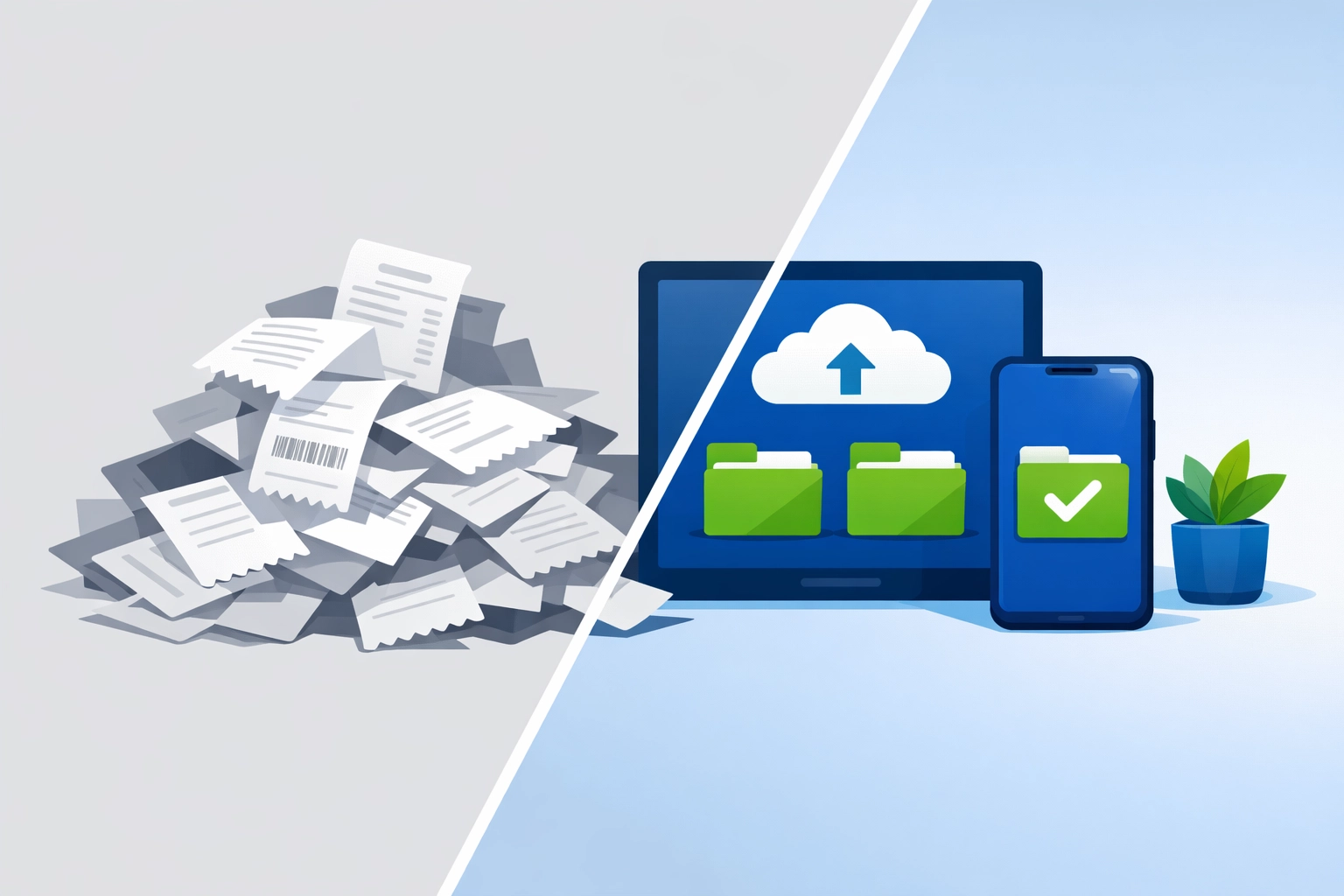
- Digitize everything. Stop keeping a shoebox of faded thermal paper receipts. Use a mobile app to scan receipts the moment you receive them.
- Categorize weekly. Set aside 30 minutes every Friday to categorize your expenses.
- Use official organizers. Visit our download center to access tax organizers that help you track what you need.
3. Misclassifying Your Workers!
The distinction between an independent contractor (1099) and a full-time employee (W-2) is a major focus for the IRS in 2026. Misclassifying a worker to save on payroll taxes can lead to catastrophic financial penalties.
The Mistake: You hire a "contractor" to work set hours at your New Haven storefront, provide them with all their equipment, and control exactly how they perform their tasks, yet you only issue them a Form 1099-NEC.
The Fix:
- Apply the IRS "Control" Test. Evaluate three categories: Behavioral Control, Financial Control, and the Relationship of the Parties.
- Review worker status annually. As your business grows, a contractor’s role may evolve into that of an employee.
- Consult a pro. If you are unsure, contact Jose’s Tax Service. We provide personalized service to help you navigate worker classification before you file.
Failing to pay your share of Social Security and Medicare taxes for a misclassified employee can result in the IRS demanding years of back taxes plus interest.
4. Underpaying Estimated Tax Payments!
If you expect to owe more than $1,000 when you file your 2026 return, you are generally required to make quarterly estimated tax payments. Many new business owners wait until April to pay their entire bill, only to be hit with an "underpayment of estimated tax" penalty.
The Mistake: You ignore the quarterly deadlines (April, June, September, and January) and plan to "settle up" in April.
The Fix:
- Calculate quarterly. Use your current profit and loss statements to estimate your tax liability for each quarter.
- Pay on time. Submit payments electronically via the IRS website or through your tax professional.
- Adjust for growth. If your New Haven business had a record-breaking summer, increase your September and January payments to avoid a surprise bill in the spring.
You can check your current status and see how these payments affect your bottom line by requesting a tax quote.
5. Overlooking the "Home Office" and Section 179 Deductions!
Many business owners are too conservative when it comes to deductions, fearing an audit. Consequently, they leave significant money on the table.
The Mistake: You work from a dedicated office in your Westville home but fail to claim the Home Office Deduction. Or, you purchased a new delivery vehicle or expensive equipment in 2025 but didn't take advantage of Section 179 depreciation.
The Fix:
- Measure your space. Calculate the square footage of your dedicated home office. You can use the simplified method or the actual expense method.
- Apply Section 179. This allows you to deduct the full purchase price of qualifying equipment and software purchased or financed during the tax year.
- Document "Ordinary and Necessary." If an expense helps you run your business in New Haven, it is likely deductible.

6. Mishandling Payroll Tax Obligations!
Payroll tax errors are among the most penalized mistakes in the tax code. The IRS views payroll taxes (the money you withhold from employees) as "trust fund" money. Taking this money to cover business cash flow is a federal offense.
The Mistake: You use the funds set aside for payroll taxes to pay a vendor, intending to "catch up" later.
The Fix:
- Segregate payroll funds. Keep payroll tax funds in a separate savings account so you are never tempted to use them for operations.
- Outsource payroll. Use a professional payroll service to ensure calculations for Social Security, Medicare, and Federal Unemployment (FUTA) are 100% accurate.
- Stay current on rates. Tax rates and wage bases can change. Ensure your software or provider is updated for the 2026 tax year.
7. Filing with Errors or Missing Information!
A simple typo can delay your refund by months or trigger an automatic red flag in the IRS system.
The Mistake: Entering the wrong Social Security Number (SSN) for a dependent, misspelling a business name, or failing to report income from a 1099-K received from PayPal or Venmo.
The Fix:
- Cross-verify every digit. Double-check your EIN, SSNs, and bank routing numbers for direct deposit.
- Review 1099-K forms. As discussed in our previous posts, the IRS is tracking digital payments more closely than ever in 2026. Ensure your reported income matches these forms.
- Professional Review. Even if you use software, having a human expert review your return can catch the "logic" errors that software might miss.
Why New Haven Business Owners Choose Jose's Tax Service
At Jose’s Tax Service, we understand that you didn't start your business to become a tax expert. You started it to serve the New Haven community. That is why we offer competitive rates and personalized service that big-box tax software simply cannot match.
We don't just "plug in numbers." We look at your entire financial picture to ensure you are paying the absolute minimum required by law. Whether you are a solopreneur or manage a team of twenty, Jose Morales and his team are here to help you navigate the 2026 tax season with confidence.
Ready to stop overpaying the IRS?
- Get a fast estimate: Start your process at our Tax Quote Page.
- Ready to file? Begin the secure intake process here: JTS Tax Start.
- Need to sign documents? Access our E-Signing Portal.
Deadline Reminder: Federal and State income tax returns for the 2025 calendar year are due by April 15, 2026. Do not wait until the final week to gather your documentation. Take action today to ensure your New Haven business keeps more of what it earns.
Jose's Tax Service provides professional tax preparation and financial services. For personalized advice, please schedule a consultation to discuss your specific business needs.

Leave a Reply
You must be logged in to post a comment.