
Virtual Tax Preparation Secrets Revealed: How Concierge Tax Pros Maximize Your Refund from Anywhere
NEW YORK, NY – March 17, 2026 – Jose’s Tax Service
Tax season is currently at its peak. As of Tuesday, March 17, 2026, taxpayers across the United States are facing the final stretch before the April filing deadline. While traditional brick-and-mortar tax offices are seeing long lines, a shift toward Virtual Tax Preparation is changing how high-net-worth individuals and small business owners approach their obligations. At Jose's Tax Service, we have observed that "virtual" does not simply mean "digital": it means having a tax advisor in your pocket, regardless of your physical location.
The secret to maximizing a refund in a virtual environment is not found in a "magic button" within software. It is found in the intersection of high-end concierge service and advanced cloud-based tax planning. This guide details the exact procedures and technologies used by virtual tax professionals to ensure accuracy and maximize financial returns for clients.
The Human Advantage: Why Algorithms Are Not Enough!
Many taxpayers mistakenly believe that DIY software is sufficient for maximizing a tax refund. However, automated software is limited by the data the user knows to input. If you do not know a deduction exists, the software will not ask for it.
Concierge Tax Preparation provides a virtual tax advisor who performs a deep dive into your financial records. Unlike standard software, a professional reviews your Form 1040 and supporting schedules (such as Schedule C for business income or Schedule E for rental properties) with a critical eye.
- Identify Overlooked Credits: Virtual pros look for the Earned Income Tax Credit (EITC), Child Tax Credit (CTC), and various education credits that may be missed during manual entry.
- Complex Transaction Analysis: If you dealt with cryptocurrency, foreign assets, or multi-state income in 2025, an algorithm may miscalculate the tax basis. A professional ensures these are reported accurately to avoid IRS inquiries.
- Real-Time Consultation: Clients can engage in video consultations to discuss life changes: marriage, home purchases, or starting a business: that fundamentally alter tax liability.

Secure Document Portals: Protecting Your Data!
Security is the primary concern for any taxpayer moving to a virtual model. To maximize efficiency and safety, concierge services utilize encrypted document portals. This eliminates the need for physical paperwork and reduces the risk of identity theft associated with lost mail or unencrypted email.
Follow these steps to ensure your documents are handled correctly:
- Use the Secure Portal: Never send Social Security Numbers (SSNs) or Bank Account numbers via standard email.
- Upload Original PDFs: When possible, download original digital statements from your financial institutions rather than scanning paper copies. This ensures the data is legible for OCR (Optical Character Recognition) tools.
- Categorize Your Files: Upload documents into folders such as "Income," "Expenses," and "Adjustments" to speed up the review process.
Failure to use secure channels may lead to data breaches and can delay processing if documents are intercepted or lost. Maintaining a centralized digital file also makes it easier to respond to an IRS audit, should one occur in the future. Check our latest news for updates on data security standards.
AI-Powered Accuracy and Automation!
One of the "secrets" of modern virtual tax prep is the use of AI-powered automation. At Jose's Tax Service, we utilize professional-grade systems that far exceed the capabilities of consumer-grade software. These systems perform thousands of diagnostic checks to flag inconsistencies that could trigger an audit.
- Automated Data Entry: AI tools extract data from Form W-2 and Form 1099 with near-perfect accuracy, eliminating human transcription errors.
- Trend Analysis: The software compares your current year return to the previous year. If a significant deduction has disappeared or a new income source appears without context, the system alerts the tax pro to investigate.
- Up-to-the-Minute Legislation: Cloud-based systems are updated instantly as the IRS issues new guidance. This is critical for 2026, as tax laws regarding remote work and home office deductions continue to evolve.
Practical Reminder: Always double-check your routing and account numbers for refund transfer options. Even with AI, a single wrong digit in a bank account number can delay your federal refund by weeks.

Strategic Deductions for Remote Professionals!
For those utilizing virtual tax preparation, there are often specific deductions related to the "work from anywhere" lifestyle that go unclaimed. A concierge tax professional specializes in identifying these "hidden" savings.
Key areas for review include:
- The Home Office Deduction (Form 8829): If you are self-employed and use a portion of your home exclusively for business, you may be eligible to deduct a percentage of your mortgage interest, utilities, and repairs.
- State Nexus Issues: If you worked from multiple states in 2025, you might owe taxes in more than one jurisdiction. A virtual pro can help you navigate reciprocity agreements to ensure you are not double-taxed.
- Qualified Business Income (QBI) Deduction: Small business owners may qualify for a deduction of up to 20% of their qualified business income under Section 199A.
Warning: Claiming a home office deduction without meeting the "exclusive use" test can result in the deduction being disallowed and the assessment of penalties. Consult with a tax advisor to confirm eligibility.
Faster Processing Through E-Filing!
The most significant benefit of virtual tax prep is the speed of submission. E-filing is the fastest way to get your tax return into the IRS system.
When you work with a concierge service:
- Instant Submission: Your return is transmitted the moment you sign it electronically.
- Confirmation Receipts: You receive a digital timestamp confirming the IRS has accepted your return for processing.
- Rapid Refunds: When combined with direct deposit, e-filed returns are typically processed, and refunds issued, within 21 days.
According to the IRS, 8 out of 10 taxpayers receive their refunds faster by using e-file and direct deposit. For more information on timing, see our tax update section.

Comprehensive Post-Filing Support!
The relationship with a concierge tax professional does not end once the return is filed. This is a major differentiator from "big box" tax preparation chains.
Ongoing services often include:
- Audit Assistance: If the IRS sends a notice, your virtual pro is already familiar with your file and can represent you or provide the necessary documentation.
- Estimated Tax Payments: For freelancers and business owners, a tax advisor calculates quarterly estimated payments to avoid underpayment penalties in the following year.
- Year-Round Planning: Virtual services allow for mid-year "check-ins" to adjust withholdings if your income changes significantly.
Deadline Information: The deadline for filing your 2025 federal income tax return (or requesting an extension) is Wednesday, April 15, 2026. If you owe taxes, payment is due by this date regardless of whether an extension is filed.
How to Get Started with Your Virtual Tax Pro!
Transitioning to virtual concierge service is a straightforward process. It requires a commitment to digital organization and open communication.
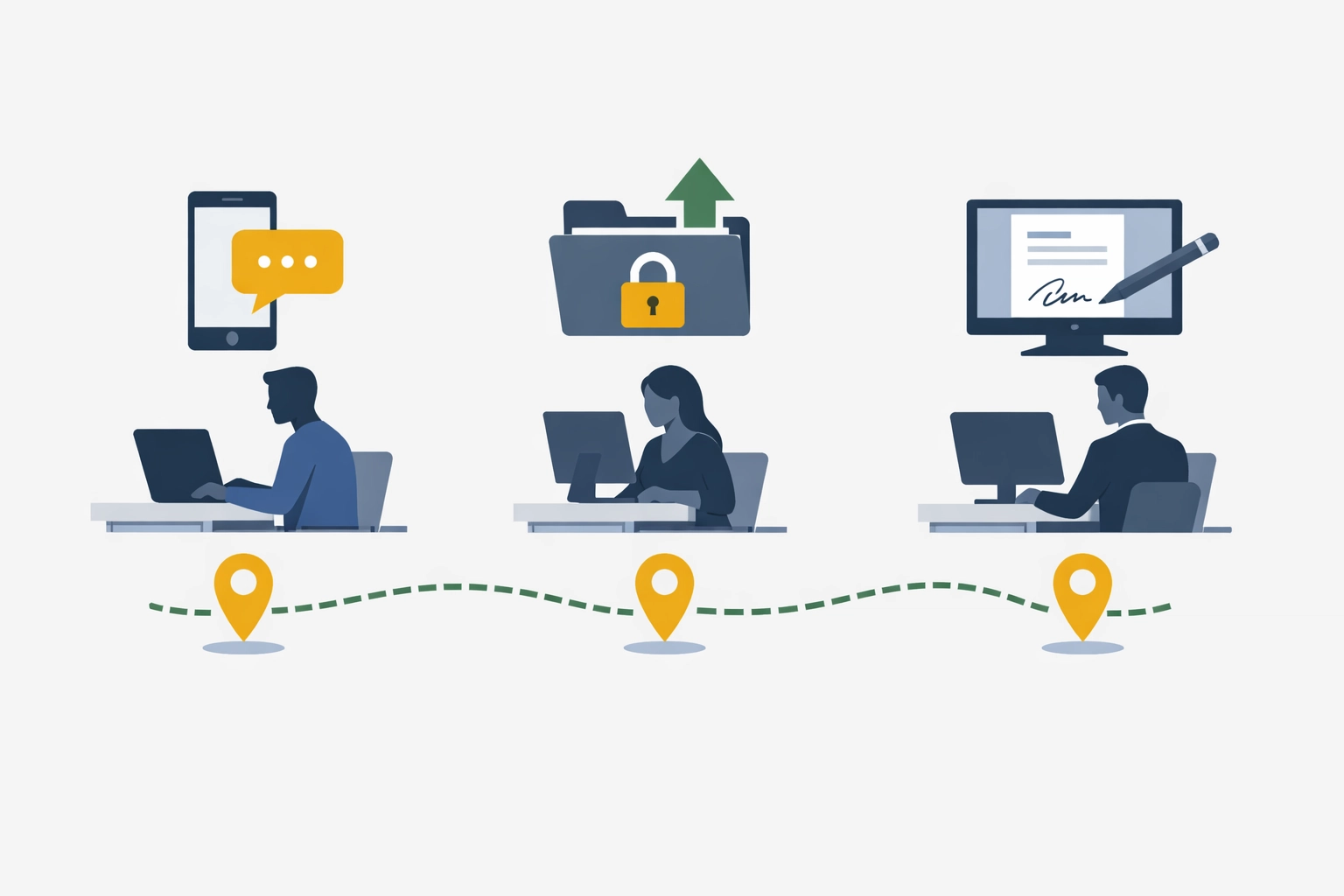
- Schedule a Discovery Call: Discuss your specific financial situation and determine which tax offers apply to you.
- Gather Documentation: Collect all W-2s, 1099s, and receipts. Use our tax tip checklist to ensure nothing is missing.
- Upload to the Portal: Use a secure connection to submit your files.
- Review and Sign: Once the tax pro completes the return, review it via a secure video link, and sign electronically.
By utilizing these "secrets": expert consultation, secure technology, and strategic planning: taxpayers can maximize their refunds from any location. At Jose's Tax Service, we provide the tax help needed to navigate the complexities of the 2026 tax season.
For more insights on managing your personal finance or to join our latest giveaways, visit our website regularly.
Jose Morales
CEO, Jose's Tax Service
Your Virtual Tax Partner.

Leave a Reply
You must be logged in to post a comment.