
Looking for a Better Way to Save for Your Kids? Here Are 5 Things You Should Know About the New “Trump Accounts”
MARCH 12, 2026
JOSE’S TAX SERVICE
NEW HAVEN, CT
If you are a parent or guardian in the New Haven area, you need to pay attention to the latest shifts in federal tax law. At Jose’s Tax Service, we stay on top of these changes so you don't have to. I’m Jose' Morales, and I’ve been getting a lot of questions lately about the new "Trump Accounts." These are officially hitting the radar for families looking to secure their children's financial futures.
Navigating new government programs can be a headache, but these accounts represent a significant opportunity for tax planning. Whether you are looking to maximize tax refund results or just want a solid way to save, these accounts are a game-changer. Here are the five critical things you need to know right now.
1. Every Eligible Child Receives a Free $1,000 Government Contribution!
The headline feature of these accounts is the "seed money." The federal government has authorized a one-time, $1,000 deposit for every eligible child. This is essentially "free money" to jumpstart a child’s long-term savings. However, there are specific eligibility windows you must follow.
- Eligibility Window: Children must be born between January 1, 2025, and December 31, 2028.
- Automatic Investment: Once the account is established, this $1,000 is immediately placed into a designated index fund. You do not have to pick individual stocks or manage the portfolio yourself.
- The Claim Process: You do not just get a check in the mail. To claim this contribution, you must check a specific box on Form 4547 during your annual tax return filing.
Failure to file the correct paperwork can result in missing out on this deposit. As a concierge tax pro, I recommend double-checking your filing status to ensure your child’s eligibility is captured. This $1,000 does not count toward your annual contribution limits, meaning it is a pure bonus from the Internal Revenue Service (IRS).

2. Multiple People Can Contribute Up to $5,000 Annually!
While the government starts the account with $1,000, the real wealth is built through additional contributions. The law allows parents, grandparents, and even employers to put money into these accounts. However, there are strict caps you must monitor to avoid penalties.
- The Annual Limit: The combined total contribution from all sources cannot exceed $5,000 per year per child.
- Employer Participation: Employers are encouraged to help. An employer can contribute up to $2,500 annually to a child’s Trump Account.
- Tax Benefit for Employees: Employer contributions are specifically excluded from the employee’s taxable income. This is a massive benefit for working parents in New Haven.
- No Earned Income Required: Unlike a Roth IRA, the child does not need to have a job or "earned income" to receive these contributions.
If you are a business owner or an employee, you should discuss these contributions with your virtual tax advisor. Managing these limits across multiple family members is essential for tax preparation New Haven compliance.
3. The Money Can Grow Into Millions Over Time!
The power of these accounts lies in compounding interest and long-term market exposure. Because the funds are mandated to stay in index funds, they track the growth of the broader economy. The Council of Economic Advisers has released projections that show just how much a small investment today can worth tomorrow.
Potential Account Growth Projections:
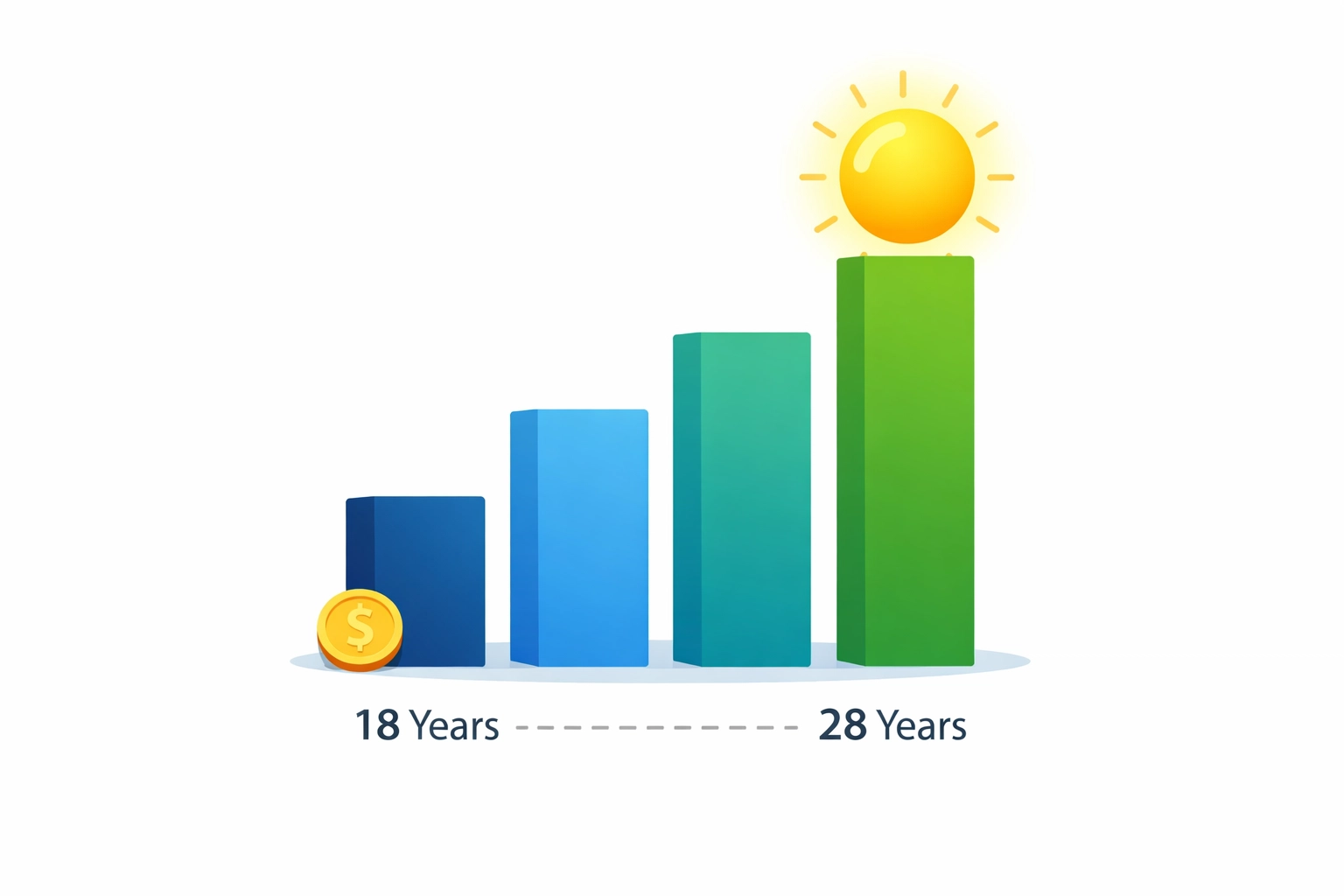
- The Minimalist Path: If you only take the $1,000 government seed and never add another penny, the account is projected to grow to approximately $5,800 by age 18 and $18,100 by age 28.
- The Maxed-Out Path: For families who maximize the $5,000 annual contribution, the numbers are staggering. A child born in 2026 could see an account balance of $303,800 by age 18.
- The Long-Term Hold: If the account remains untouched until the child reaches age 28, the balance could exceed $1,091,900.
This is why tax prep is about more than just your yearly refund; it’s about long-term wealth strategy. At Jose’s Tax Service, we help you look at the big picture.
4. You Can Officially Open Accounts Starting July 4, 2026!
Timing is everything. You cannot rush out and open one of these accounts today. The federal infrastructure for these accounts is currently being built.
- Official Launch Date: July 4, 2026.
- Opening Procedures: Parents and legal guardians are the primary individuals authorized to open these accounts on behalf of eligible children.
- Documentation Required: You will likely need the child’s Social Security Number (SSN) and proof of birth within the eligibility window.
Do not attempt to make deposits before this date. Any funds sent to the IRS or a financial institution for this purpose before the launch may be returned or held in escrow without earning interest. Mark your calendar for Independence Day 2026. This gives you plenty of time to work with a tax pro to set aside the necessary funds.
5. Withdrawal Rules Differ From Traditional Savings!
It is important to understand that a Trump Account is not a standard high-yield savings account. It is a long-term investment vehicle with specific restrictions on when and how you can access the cash.
- The Retirement Rule: If the money stays in the account until the beneficiary reaches age 59½, it can be withdrawn for any reason without penalty.
- Qualified Early Withdrawals: There are "qualified" exceptions. For instance, funds can be used for a first-time home purchase without incurring the standard penalties.
- Taxation of Withdrawals: This is where it gets technical. Contributions made on an "after-tax" basis (money you already paid taxes on) are not taxable when you take them out. However, the government seed contribution ($1,000) and all investment gains are taxable upon withdrawal.
Using these funds for non-qualified reasons before age 59½ can lead to heavy penalties and unexpected tax bills. This makes it vital to coordinate these accounts with your overall tax preparation strategy.

Summary Table: Trump Account Quick Facts
| Feature | Detail |
|---|---|
| Gov. Seed Money | $1,000 (One-time) |
| Child Eligibility | Born Jan 1, 2025 – Dec 31, 2028 |
| Max Annual Limit | $5,000 total |
| Employer Limit | $2,500 (Tax-free for employee) |
| Launch Date | July 4, 2026 |
| Tax Form | Form 4547 |
How to Prepare Now
Even though the accounts don't launch until July, there are steps you should take today to ensure you are ready.
- File Your 2025 Returns Accurately: Ensure all your dependents are correctly listed. This is the foundation for claiming the seed money later.
- Review Employer Benefits: Ask your HR department if they plan to participate in the $2,500 contribution match program starting in 2026.
- Organize Your Records: Keep birth certificates and SSN cards in a secure, accessible place.
- Consult a Professional: Schedule a session for virtual tax preparation to see how these contributions will affect your specific tax bracket.
At Jose’s Tax Service, we pride ourselves on being more than just a place to file papers. We are your year-round financial partners. If you want to maximize tax refund opportunities while setting your kids up for a million-dollar future, you need to be proactive.
Don't wait for the deadline to pass. The rules around these accounts are strict, and the windows for eligibility are narrow. Use a tax advisor who knows the New Haven community and the latest federal updates.
Call Jose’s Tax Service today or visit our website to learn more about how we can help you with tax preparation New Haven and long-term planning.
Note: Tax laws are subject to change. Always consult with a qualified tax professional regarding your specific financial situation.
Practical Reminder: Keep an eye on IRS news for updates regarding Form 4547 instructions. The federal refund process for 2026 will be the first time many families interact with these new regulations. Stay informed and stay ahead of the curve.

Leave a Reply
You must be logged in to post a comment.