
Why a Concierge Tax Pro Will Change the Way You Maximize Your Tax Refund
FOR IMMEDIATE RELEASE
Location: Bronx, New York
Organization: Jose's Tax Service
Date: Wednesday, February 25, 2026
Category: News, Tax Planning
Tax season is often characterized by a reactive scramble to locate documents and meet the April filing deadline. For many taxpayers, this results in missed opportunities and a refund that is lower than necessary. To maximize tax refund potential, a shift from basic filing to a concierge tax pro model is required. This professional approach prioritizes year-round strategic planning over simple annual data entry.
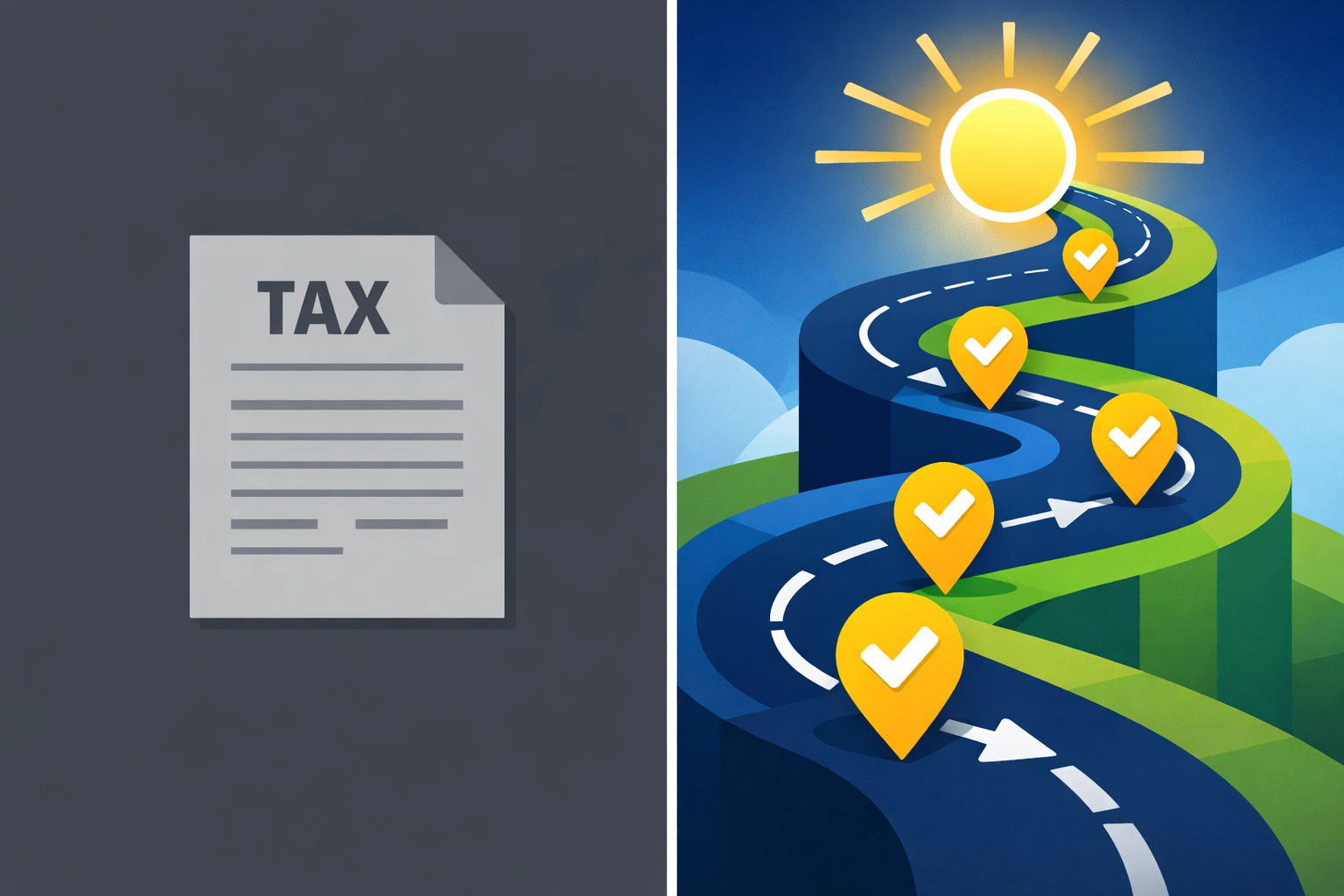
The Critical Distinction: Basic Filing vs. Concierge Service!
Basic tax preparation is fundamentally transactional. In this traditional model, the taxpayer provides Form W-2s, 1099s, and receipt summaries to a preparer who enters the data into software. This process is historical; it records what happened in the past without any ability to change the outcome.
In contrast, a concierge tax pro operates as a year-round financial partner. This service involves proactive monitoring of a taxpayer's financial position to ensure that every decision made during the calendar year is optimized for tax efficiency. While basic filing focuses on compliance, concierge service focuses on optimization and wealth preservation.
Key differences include:
- Timing: Basic filing occurs once a year. Concierge service involves quarterly or monthly reviews.
- Strategy: Basic filing is reactive. Concierge service is proactive.
- Scope: Basic filing covers the previous year's tax return. Concierge service includes rolling forecasts for the current and future years.
- Accessibility: Basic preparers are often unavailable outside of tax season. A concierge pro provides year-round support.
Proactive Planning Through Quarterly Forecasting!
Wait until April to analyze your finances, and you lose the ability to implement legal tax-saving strategies. A concierge tax pro utilizes rolling tax forecasts to anticipate liabilities before they are finalized. This is particularly critical for small business owners filing Schedule C (Form 1040) or individuals with significant investment income.
Implement these quarterly actions to ensure optimization:
- Review Year-to-Date (YTD) Income: Analyze total earnings against projected brackets to determine if withholding adjustments are necessary.
- Calculate Estimated Payments: Use Form 1040-ES to make accurate quarterly payments, avoiding underpayment penalties and interest.
- Monitor Expense Categories: Identify deductible business expenses as they occur to ensure proper documentation and classification.
- Adjust Contributions: Evaluate contributions to tax-advantaged accounts, such as a 401(k), Individual Retirement Account (IRA), or Health Savings Account (HSA), before the year-end cutoff.
Failure to conduct these reviews often leads to "tax surprises": unexpected balances due that could have been mitigated with proper planning. By utilizing a concierge service, you ensure that your tax situation remains stable and predictable.
Personalized Strategies for Refund Optimization!
Every taxpayer's financial profile is unique. A one-size-fits-all approach to tax preparation is insufficient for those seeking to maximize tax refund amounts. A concierge tax pro tailors strategies to specific life events and financial goals.
Strategic Considerations for Personalized Care:
- Dual-Income Households: For couples filing jointly, income from multiple sources can push the household into a higher tax bracket. A concierge pro evaluates the "marriage penalty" and suggests withholding strategies to balance the liability.
- Real Estate Investments: Professionals analyze depreciation schedules and 1031 exchange opportunities to defer capital gains taxes.
- Business Structure Analysis: A concierge review may determine that transitioning from a Sole Proprietorship to an S-Corp (Form 1120-S) provides significant self-employment tax savings.
- Education Credits: Identifying eligibility for the American Opportunity Tax Credit (AOTC) or the Lifetime Learning Credit (LLC) based on exact tuition payments and modified adjusted gross income (MAGI).

The Technical Advantage of Professional Oversight!
The tax code is subject to frequent legislative changes. Relying on outdated knowledge or automated software defaults can result in errors. A concierge tax pro remains current on Internal Revenue Service (IRS) bulletins and federal tax law updates to ensure compliance and optimization.
Follow these steps to maintain a high-level tax profile:
- Centralize Documentation: Use digital portals to upload receipts and forms throughout the year. Do not wait until January to organize files.
- Verify Information Returns: Double-check all Form 1099-NEC and 1099-MISC received against your own records. Discrepancies may trigger an IRS inquiry.
- Audit Defense Preparation: Maintain meticulous records of all deductions. A concierge service includes guidance on what constitutes "ordinary and necessary" expenses according to IRS standards.
- Evaluate Tax Law Changes: Review how new legislation affects your specific deductions, such as changes to the Standard Deduction or state and local tax (SALT) limits.
Long-Term Financial Impacts of Concierge Care!
The financial benefits of a concierge tax pro extend far beyond a single tax season. Research indicates that proactive planning can result in annual savings ranging from $5,000 to over $20,000 for high-earning households and business owners. These savings, when reinvested, significantly impact long-term wealth accumulation.
Compounding Benefits of Strategic Planning:
- Reduction of Penalties: Consistent monitoring eliminates late filing and underpayment penalties.
- Improved Cash Flow: By accurately calculating liabilities, taxpayers can keep more money in their pockets during the year rather than giving the government an interest-free loan through over-withholding.
- Audit Risk Mitigation: Professional oversight ensures that returns are filed accurately, reducing the statistical likelihood of an audit.
- Estate Planning Integration: Tax pros work alongside estate planners to ensure that wealth transfer occurs with minimal tax erosion.

Actionable Commands for Tax Optimization!
To transition from a standard filing experience to a high-value concierge experience, you must take immediate action. Follow these procedural steps:
- Schedule a Consultation: Contact a professional at Jose's Tax Service to review your previous two years of returns.
- Review Withholding: Access the IRS Tax Withholding Estimator and provide the results to your tax pro for a mid-year adjustment.
- Track Expenses Digitally: Implement a digital tracking system for all business and charitable expenses.
- Execute Quarterly Reviews: Commit to a minimum of two check-in meetings per year outside of the January-April window.
Official Resources and Deadline Information!
Maintaining awareness of official IRS deadlines is mandatory for all taxpayers. Failure to adhere to these dates may lead to substantial penalties and interest charges.
- April 15: Deadline to file Form 1040 and pay any tax due for the prior year.
- June 15: Second quarter estimated tax payment deadline.
- September 15: Third quarter estimated tax payment deadline.
- January 15: Fourth quarter estimated tax payment deadline for the preceding tax year.
For more information on tax updates and regulatory changes, visit our tax update category. You may also view our full site map for additional resources on financial planning and tax preparation.
Warning: Tax laws are subject to change. Consult with a qualified professional before making significant financial decisions based on tax implications. Delaying your tax planning until the end of the year can delay your processing and reduce your potential refund.
Jose's Tax Service
Professional Tax Preparation & Financial Services
https://josestaxservice.com

Leave a Reply
You must be logged in to post a comment.