
Virtual Tax Prep Secrets Revealed: How a Concierge Tax Pro Maximizes Your Refund from Anywhere
NEW YORK, NY – JOSE’S TAX SERVICE – MARCH 7, 2026
The landscape of tax preparation has undergone a significant transformation. As of March 2026, the traditional model of visiting a local brick-and-mortar office to drop off paper documents is being replaced by concierge virtual tax preparation. This modern approach allows taxpayers to access elite expertise regardless of their physical location. For small business owners and high-income earners, the shift to virtual services is not merely a matter of convenience; it is a strategic move to maximize tax refunds and minimize liabilities through advanced technology and year-round collaboration.
Eliminate Geographic Limitations Immediately!
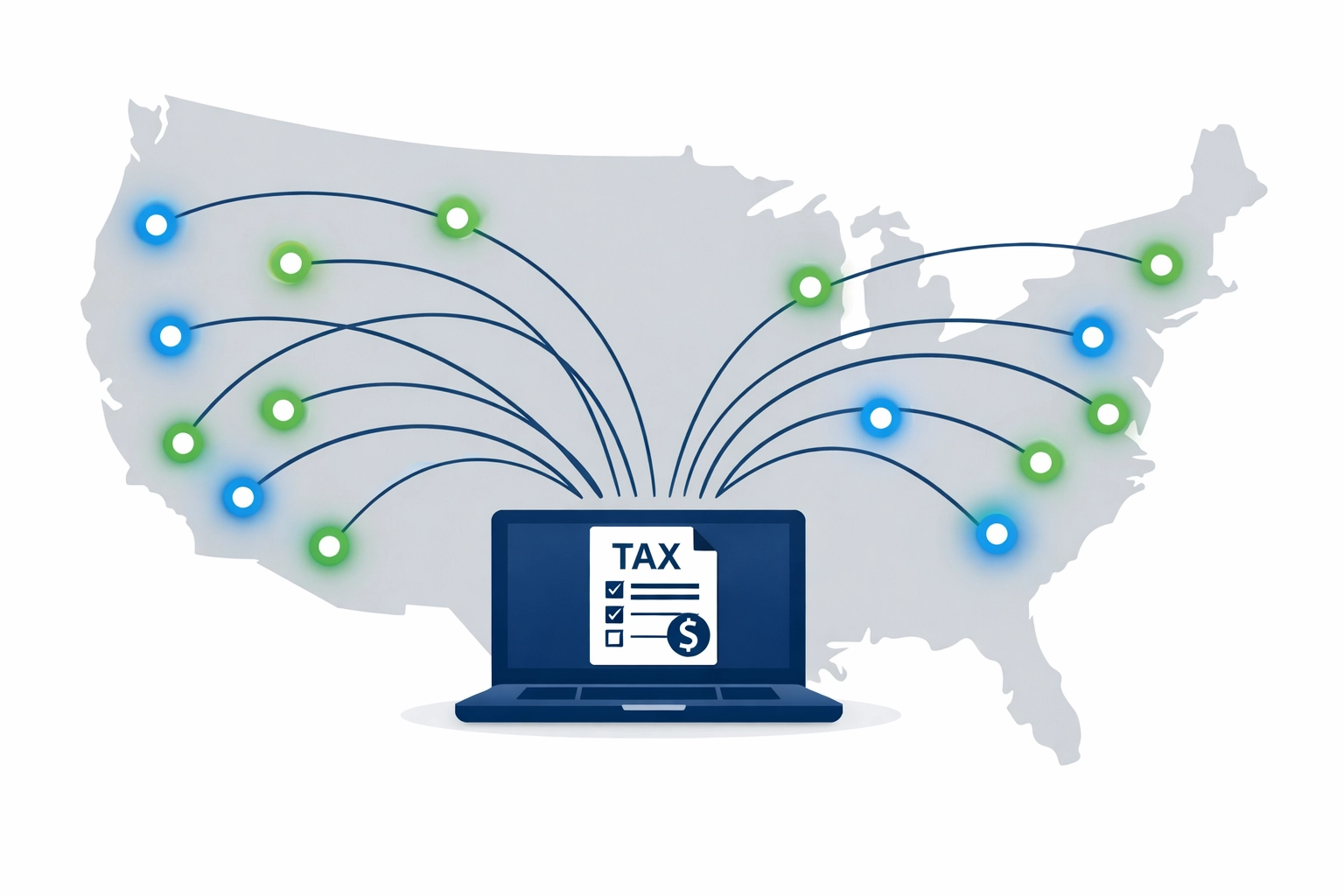
One of the primary "secrets" of virtual tax preparation is the removal of geographic barriers. In the past, taxpayers were limited to the expertise available within a 20-mile radius of their home or office. If a local preparer lacked specialized knowledge in specific sectors, such as e-commerce, real estate syndication, or digital assets, the taxpayer often missed out on critical industry-specific deductions.
By utilizing a concierge virtual tax pro, you gain access to specialists who understand the nuances of the federal tax code (Internal Revenue Code) as it applies to your specific niche. For example, a virtual tax professional at Jose's Tax Service can provide high-level strategy for a client in California or Florida without the need for an in-person meeting. This ensures that your Return of Organization Exempt From Income Tax (Form 990) or your U.S. Individual Income Tax Return (Form 1040) is handled by an expert, not just the nearest available generalist.
Harness the Power of Real-Time Collaboration!
Traditional tax preparation is often reactive. Clients meet with their preparer once a year, usually in February or March, to look at the previous year's data. At this point, most opportunities for tax savings have already expired. Concierge virtual tax preparation shifts the focus from "tax filing" to "tax planning."
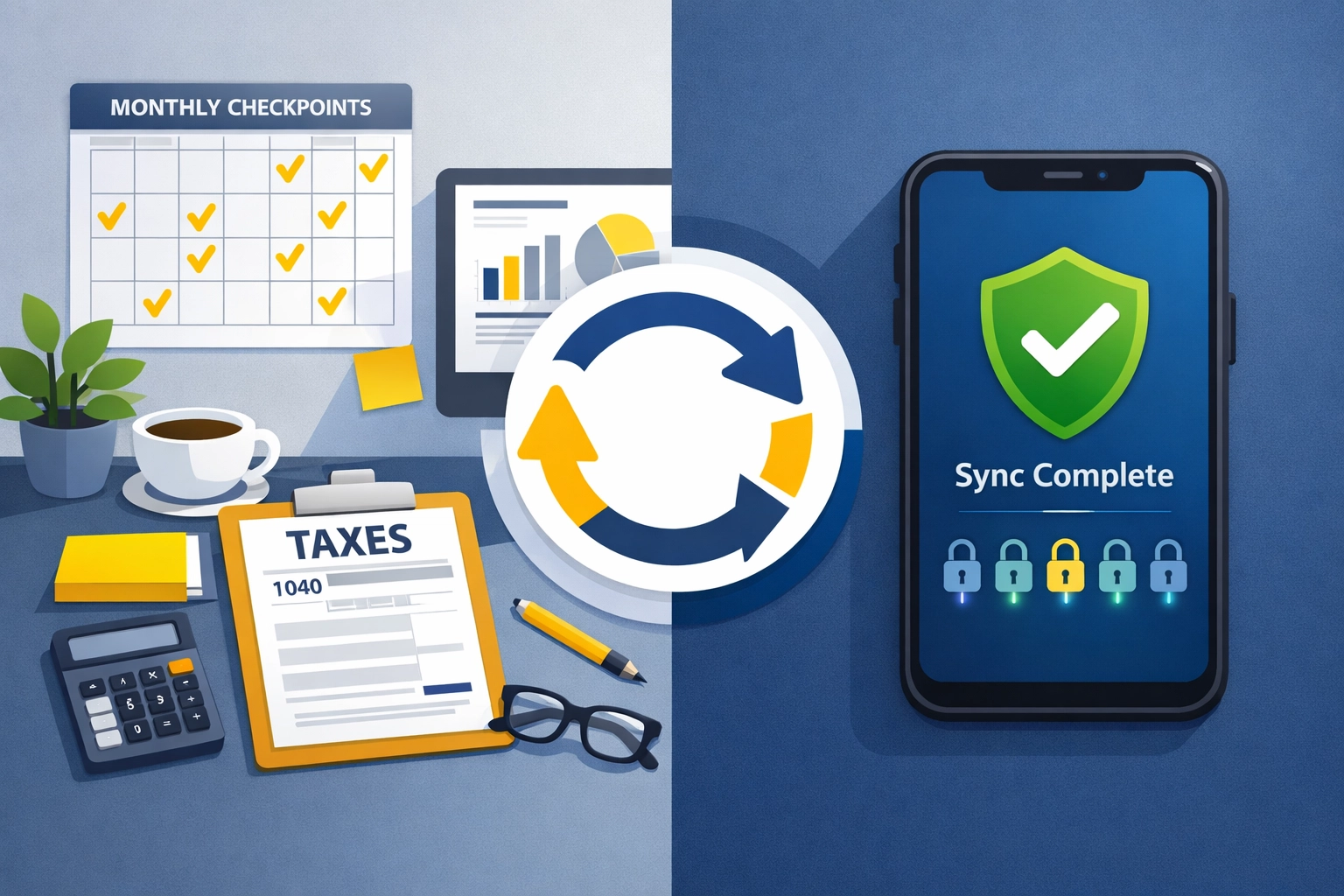
Virtual platforms enable real-time collaboration. Through secure digital portals, taxpayers can upload documents as they receive them. This allows the tax professional to monitor financial trends throughout the year. If a small business owner sees a spike in income in Q3, the virtual concierge pro can immediately recommend adjustments to estimated tax payments (Form 1040-ES) or suggest the purchase of necessary equipment to take advantage of Section 179 depreciation before the December 31 deadline.
To learn more about how proactive timing impacts your bottom line, review our end-of-the-year tax planning guide.
Leverage AI and Automation for Precision!
Concierge tax pros utilize advanced AI-powered tools to ensure no deduction is overlooked. These tools can scan thousands of transactions to identify patterns that might indicate a deductible business expense or a potential tax credit. Unlike human-only review, which is susceptible to fatigue and error, AI-assisted preparation provides a secondary layer of verification.
Automation also streamlines the data entry process. By integrating your bookkeeping software directly with the virtual tax preparer’s system, the risk of manual entry errors is virtually eliminated. This precision is vital for accurately completing Schedule C (Profit or Loss From Business) and Schedule E (Supplemental Income and Loss). Accuracy in these forms reduces the likelihood of an Internal Revenue Service (IRS) audit and ensures that you are claiming every cent of the refund you are legally owed.
Secure Your Sensitive Financial Data via Encryption!
A common concern regarding virtual services is data security. However, concierge virtual tax pros utilize enterprise-grade encryption and secure file-sharing portals that far exceed the security of physical filing cabinets or standard email.
When you work with a professional virtual service, your Social Security Number (SSN), Employer Identification Number (EIN), and banking details are protected by multi-factor authentication (MFA) and end-to-end encryption. Use these portals to "upload," "sign," and "store" your sensitive documents. Avoid sending tax documents via unencrypted email, as this may lead to identity theft and compromised financial accounts.
Maximize Refunds with Integrated Bookkeeping!
A virtual concierge service often integrates tax preparation with ongoing bookkeeping. This is a critical secret to maximizing refunds. When your tax pro has a constant pulse on your Profit and Loss (P&L) statement and Balance Sheet, they can identify tax-saving opportunities in "real-time."
For instance, they may identify that your business is eligible for the Research and Development (R&D) Tax Credit or the Work Opportunity Tax Credit (WOTC) based on your payroll data. Without integrated bookkeeping, these credits are frequently missed because the data is not analyzed until long after the fiscal year has ended.
Consistent tracking ensures that you "record," "categorize," and "verify" every possible expense. This meticulous approach is the difference between a standard refund and a maximized financial outcome. You can find more tips on maintaining these records at Jose's Tax Service Tip 3.

Follow These Steps to Maximize Your 2026 Refund!
To ensure you receive the maximum refund possible through a virtual concierge service, you must follow a disciplined protocol. Use the following checklist to prepare for your virtual filing:
- Consolidate All Digital Documents: Create a dedicated folder on your computer for all 2025 and 2026 tax documents. This includes Form W-2 (Wage and Tax Statement), 1099-NEC (Nonemployee Compensation), and 1099-INT (Interest Income).
- Access the Secure Portal: Log in to the Jose's Tax Service portal to begin the upload process. Use the "drag and drop" feature for efficiency.
- Schedule a Strategy Session: Use the virtual booking tool to schedule a 15-minute sync with your concierge pro. This session should focus on "deduction discovery" rather than just data confirmation.
- Review the Preliminary Draft: Carefully examine the draft of your return. Double-check the spelling of names, SSNs, and bank routing numbers for direct deposit. Errors in these fields can delay processing by 6-8 weeks.
- E-Sign via Authorized Software: Use the provided digital signature tool to execute Form 8879 (IRS e-file Signature Authorization).
- Confirm Submission: Ensure you receive a confirmation email stating that the IRS has accepted your return.

Warnings and Critical Deadlines!
Failure to adhere to IRS deadlines can lead to significant penalties and interest charges. For the 2025 tax year (filing in 2026), the following deadlines are mandatory:
- April 15, 2026: Deadline for filing individual tax returns (Form 1040) or requesting a 6-month extension (Form 4868).
- April 15, 2026: Deadline for Q1 2026 Estimated Tax Payments.
- March 16, 2026: Deadline for S-Corporation (Form 1120-S) and Partnership (Form 1065) returns.
Note: Requesting an extension to file does not grant an extension to pay. Any taxes owed must be paid by the April 15 deadline to avoid late-payment penalties.
Working with a virtual tax pro allows you to "file" early and "track" your refund status through the "Where's My Refund?" tool on the official IRS website. By choosing a concierge approach, you are not just hiring a preparer; you are partnering with a financial strategist dedicated to your long-term success.
For a comprehensive list of all our resources and recent updates, please visit our XML Sitemap or check our latest news.
Final Practical Reminders
- File electronically to ensure the fastest processing time.
- Use direct deposit to receive your refund up to three weeks faster than a paper check.
- Double-check all entries on your Schedule C to ensure business expenses are fully documented.
- Keep all receipts and digital logs for a minimum of three years as per IRS record-keeping requirements.
Stay informed about tax law changes and continue to monitor your financial health. A concierge virtual tax pro is your best asset in navigating the complexities of the 2026 tax season.

Leave a Reply
You must be logged in to post a comment.