
The $40,000 SALT Deduction: What New Haven Homeowners Need to Know for 2026
The SALT Cap Has Increased for 2026: Here's What Changed
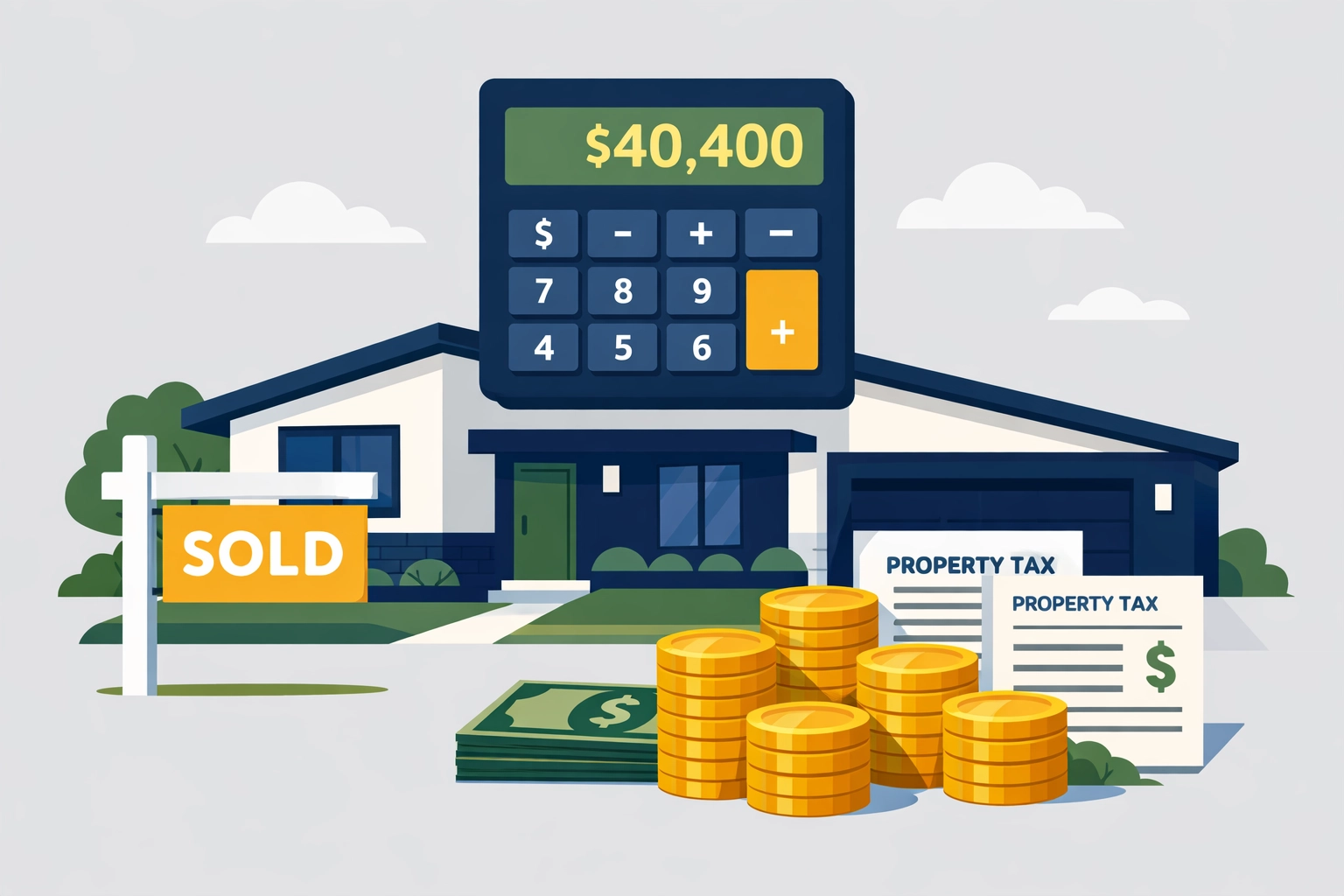
The state and local tax (SALT) deduction cap has increased to $40,400 for tax year 2026, up 1% from the previous year's $40,000 limit. This change directly impacts New Haven homeowners who pay substantial property taxes and state income taxes.
File your 2026 tax return with this new cap in mind. The expanded deduction allows you to deduct more of your state and local taxes on your federal return, potentially reducing your overall tax burden by thousands of dollars.
Who Benefits from the Higher SALT Cap?
The increased SALT deduction cap benefits homeowners who meet specific income requirements and pay significant state and local taxes. New Haven property owners should evaluate whether this deduction provides meaningful tax savings for their situation.
You may benefit if:
- You own property in New Haven and pay Connecticut property taxes
- You pay Connecticut state income tax
- Your total state and local taxes exceed $10,000 annually
- Your modified adjusted gross income (MAGI) falls within qualifying thresholds
Connecticut consistently ranks among states with the highest property tax rates. New Haven homeowners frequently pay property taxes that, when combined with state income taxes, exceed the previous $10,000 SALT cap. The new $40,400 limit provides substantial relief.
Understanding the Income Thresholds and Phase-Out Rules
The full $40,400 deduction applies only if your modified adjusted gross income meets specific requirements. Review these thresholds carefully to determine your exact deduction amount.
Income Limits for 2026:
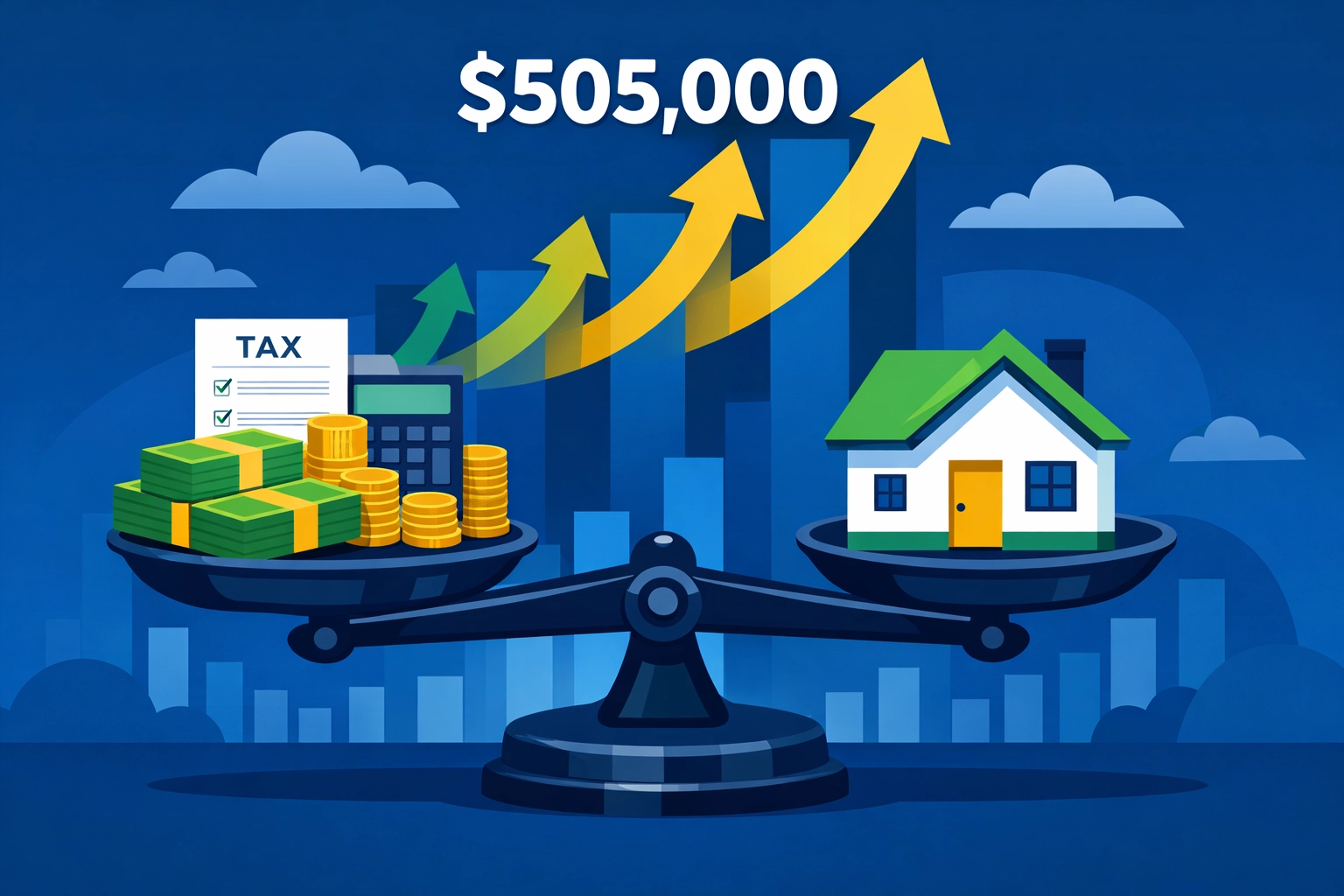
- Married Filing Jointly: MAGI must be $505,000 or less
- Married Filing Separately: MAGI must be $250,000 or less
- Single and Head of Household: MAGI must be $505,000 or less
If your income exceeds these thresholds, your deduction reduces by 30 cents for every dollar over the limit. This phase-out continues until the deduction reaches the floor of $10,000, which cannot be reduced further regardless of income level.
Calculate Your Actual Deduction Cap
Use this formula to determine your reduced SALT cap:
- Calculate the excess income above the threshold
- Multiply that excess by 30% (0.30)
- Subtract this amount from $40,400
- If the result falls below $10,000, use $10,000 as your cap
Example: A married couple filing jointly with a MAGI of $540,000 exceeds the threshold by $35,000. Their reduction equals $10,500 ($35,000 × 0.30). Their maximum SALT deduction becomes $29,900 ($40,400 – $10,500).
What Counts Toward Your SALT Deduction?
Include these taxes when calculating your total SALT deduction for 2026:
Property Taxes:
- Real estate taxes on your primary residence
- Real estate taxes on second homes
- Personal property taxes on vehicles (if based on value)
State and Local Income Taxes:
- Connecticut state income tax withheld from wages
- Estimated tax payments made during 2026
- Prior year balance payments made in 2026
State and Local Sales Taxes:
- You may deduct sales taxes instead of income taxes (choose one, not both)
- Use actual receipts or IRS tables to calculate
Do not include federal taxes, foreign taxes, or fees for services (such as water, sewer, or trash collection) in your SALT calculation.
New Haven Property Tax Context: Why This Matters Locally
New Haven's mill rate and property values make the expanded SALT deduction particularly relevant. Connecticut property taxes remain among the nation's highest, and New Haven homeowners face substantial annual tax bills.
Consider these local factors:
Property values in New Haven neighborhoods have increased over recent years, resulting in higher assessed values and corresponding tax bills. The expanded SALT deduction helps offset this burden when you file your federal return.
Connecticut's state income tax, which ranges from 3% to 6.99% depending on income level, adds to your total SALT burden. High earners benefit significantly from the ability to deduct both property and income taxes up to the $40,400 cap.
The combination of state income tax and local property tax often exceeds $40,000 for middle- and upper-middle-class New Haven homeowners. Review your actual tax payments to determine whether you'll reach the cap.
Action Steps to Maximize Your Tax Refund
Take these steps now to ensure you properly claim the SALT deduction on your 2026 return:
1. Gather Documentation
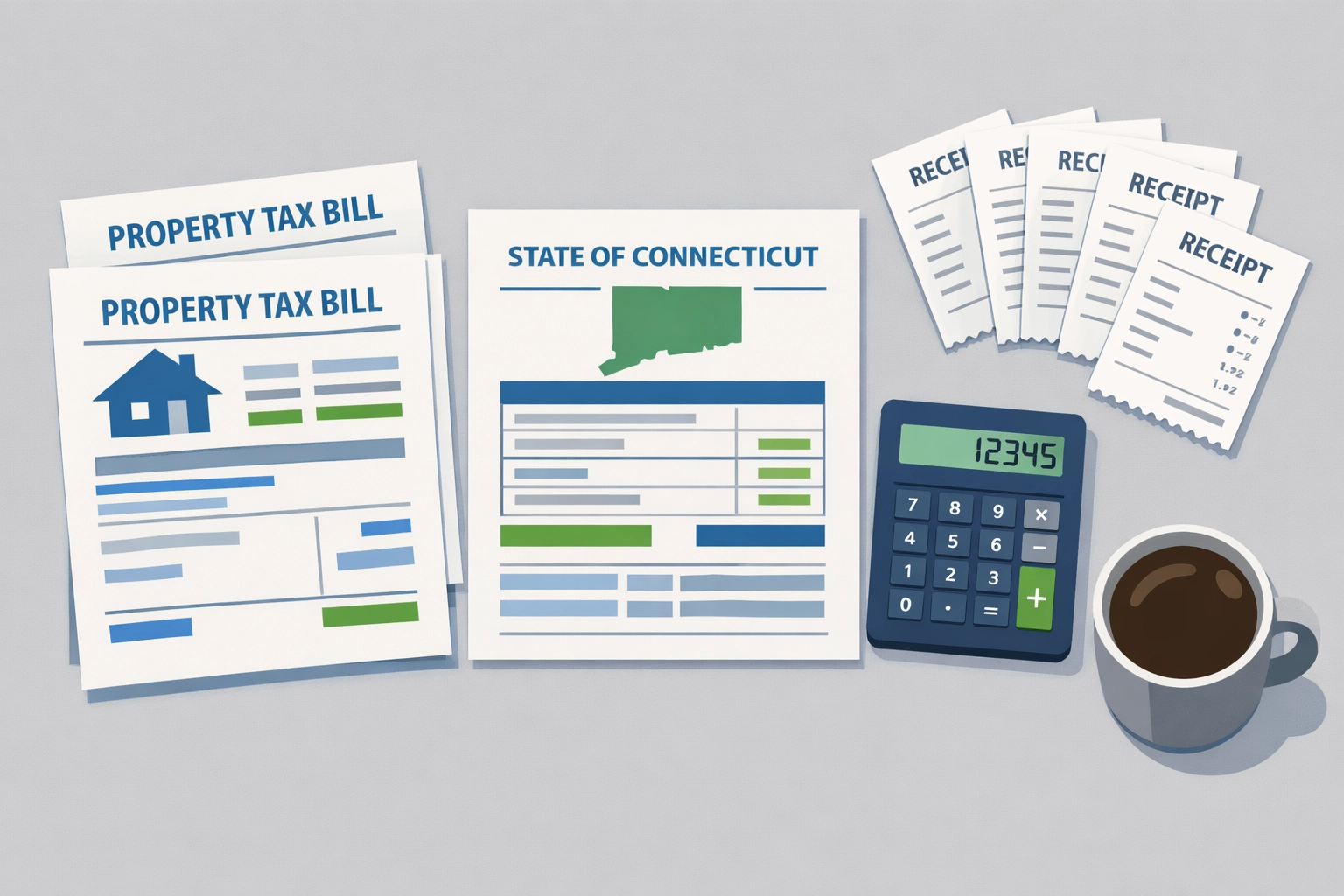
- Collect property tax bills paid in 2026
- Obtain Form CT-1040 showing state income tax paid
- Compile receipts for estimated tax payments
- Save vehicle property tax statements
2. Calculate Your Total SALT Payments
- Add all eligible state and local taxes paid during calendar year 2026
- Determine whether your total exceeds $40,400
- Compare this to your reduced cap if your income exceeds thresholds
3. Track Your Modified Adjusted Gross Income
- Monitor your MAGI throughout the year
- Understand how close you are to the $505,000 threshold
- Consider timing of income and deductions to optimize your position
4. Maintain Organized Records
- File all tax-related documents in a dedicated folder
- Keep digital copies of payment confirmations
- Retain bank statements showing tax payments
5. Schedule a Consultation
- Work with a concierge tax pro who understands Connecticut tax law
- Discuss whether itemizing beats the standard deduction for your situation
- Plan for 2027 while the expanded cap remains available
The Timeline: When These Rules Change
The expanded SALT deduction cap operates on a temporary schedule. Plan accordingly for future tax years.
2026-2029: The MAGI threshold increases by 1% annually. The cap will rise incrementally each year through 2029.
2030: The entire SALT deduction cap reverts to $10,000 unless Congress extends or modifies the current law. This represents a significant reduction from the $40,000+ caps available in 2026-2029.
Mark your calendar and adjust your tax planning strategy as 2030 approaches. The return to the $10,000 cap may substantially increase your federal tax liability if you currently benefit from the higher limit.
Virtual and In-Person Tax Preparation in New Haven
Get professional guidance on claiming the SALT deduction correctly. Whether you prefer virtual consultations or in-person meetings in New Haven, access expert tax preparation services that understand local property tax issues and Connecticut state tax law.
Virtual services include:
- Secure document upload and review
- Video consultations to discuss your specific situation
- Electronic filing with confirmation
- Year-round support for tax planning questions
In-person services provide:
- Face-to-face review of your tax documents
- Detailed explanation of SALT calculations
- Personalized strategies to maximize your refund
- Local expertise on New Haven property tax matters
Both options deliver comprehensive tax preparation with attention to deductions that matter most to Connecticut homeowners.
Don't Leave Money on the Table
The increased SALT deduction cap for 2026 represents a significant opportunity for New Haven homeowners to reduce their federal tax burden. File with confidence knowing you've claimed every deduction available under current law.
Review your property tax bills and state income tax payments now. Calculate whether you'll exceed the $10,000 minimum SALT deduction that applied in previous years. If you will, ensure you properly document and claim this valuable deduction.
Schedule your tax preparation appointment early in 2027 (for tax year 2026) to avoid the spring rush. Working with a qualified tax professional ensures you navigate the SALT deduction rules correctly and maximize your tax refund.
Visit Jose's Tax Service to schedule your consultation or learn more about comprehensive tax preparation services designed for New Haven homeowners.

Leave a Reply
You must be logged in to post a comment.