
7 Mistakes You’re Making with Venmo Taxes (And How a New Haven Tax Prep Pro Fixes Them)
NEW HAVEN, CT – JOSE’S TAX SERVICE – FEBRUARY 24, 2026
Let’s be honest: Venmo is the unofficial currency of New Haven. Whether you’re splitting a tray of white clam pizza at Pepe’s, paying your dog walker, or selling handmade crafts at a weekend market on the Green, the "ping" of a Venmo notification is the sound of modern commerce. But as we dive into the 2026 tax season, that "ping" is starting to sound a lot more like a siren for the Internal Revenue Service (IRS).
I’m Jose' Morales, CEO and owner of Jose's Tax Service. I see it every day: hardworking folks in New Haven who are great at what they do but are accidentally setting themselves up for a nightmare audit because they treat their payment apps like a digital piggy bank rather than a financial ledger. The rules have tightened, the thresholds have dropped, and the IRS has upgraded its tech.
If you use Venmo, PayPal, or Cash App for anything other than splitting a lunch tab, you are likely making at least one of these seven mistakes. Here is the tax update you need to survive 2026 and how a tax preparation New Haven professional can help you maximize tax refund results without the headache.
1. The "$600 Myth" is Making You Vulnerable!
For years, the reporting threshold for 1099-K forms was so high ($20,000 and 200 transactions) that most casual sellers and side-hustlers flew under the radar. Those days are gone. As of this 2026 filing season, the IRS reporting threshold remains firmly at $600 for the year.
The Mistake: Many taxpayers believe that if they don’t receive a Form 1099-K from Venmo, they don’t have to report the income. This is a dangerous assumption.
The Fix: You must report all business income, regardless of whether a form is issued. The IRS matches bank deposits and digital footprints more aggressively than ever. At Jose's Tax Service, we cross-reference your bank statements with your app history to ensure every penny is accounted for before the IRS asks questions. For more details on how we track these updates, visit our tax-update category page.
2. Failing to "Gross Up" Your Income!
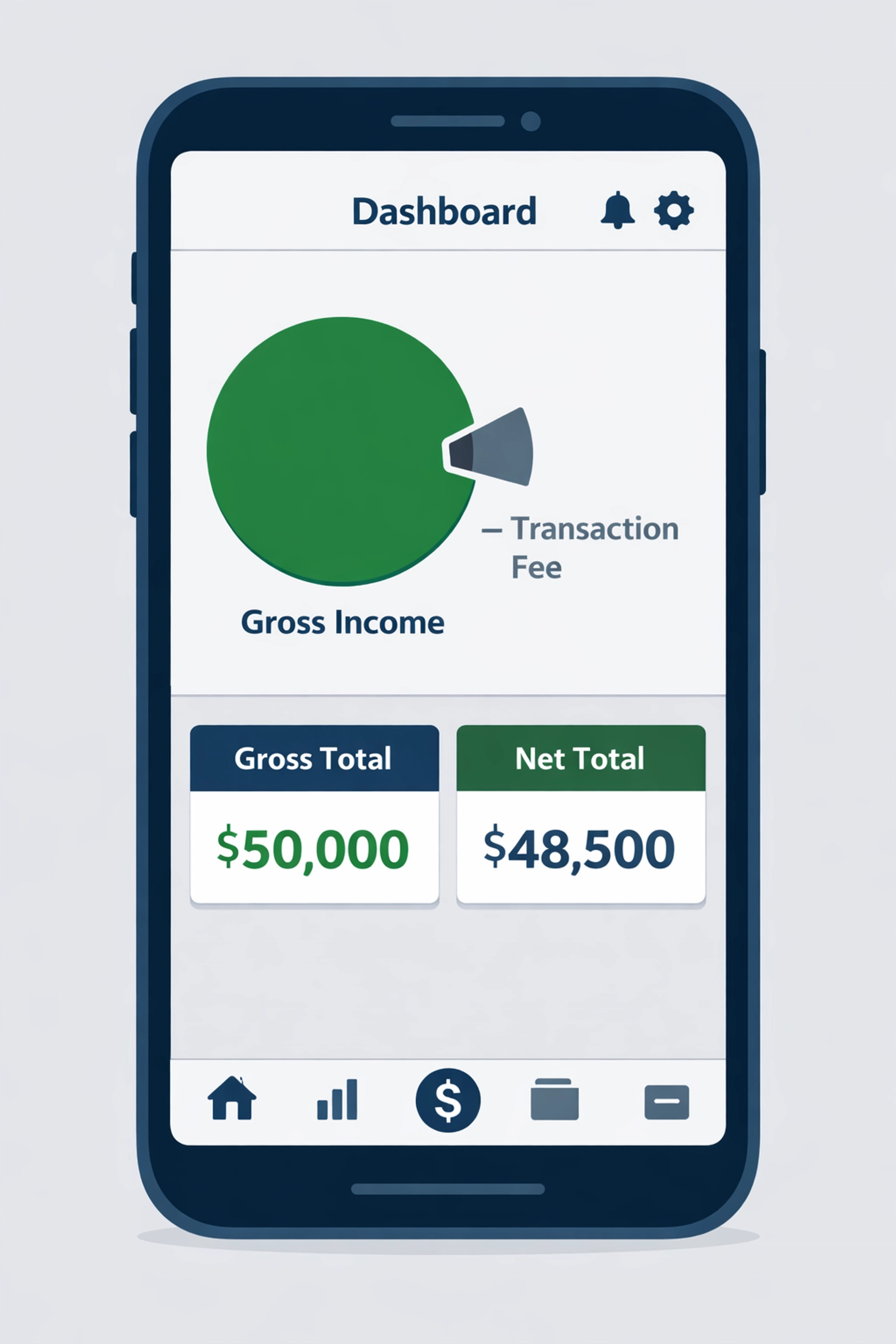
When you sell an item for $100 on Venmo using a business profile, Venmo takes a transaction fee (usually around 1.9% + $0.10). You see $97.90 land in your account.
The Mistake: Many New Haven taxpayers report the "net" amount ($97.90) as their income. This is technically incorrect and can mess up your Adjusted Gross Income (AGI).
The Fix: You are required to report the gross amount ($100) as income and then deduct the transaction fees as a business expense on your Schedule C. Why does this matter? Because your gross income affects your eligibility for various tax credits and deductions. If you underreport gross income, you might accidentally disqualify yourself from benefits you actually deserve. We ensure your tax planning includes these granular details to protect your bottom line.
3. Mixing Business and Personal "Pizza Money"!
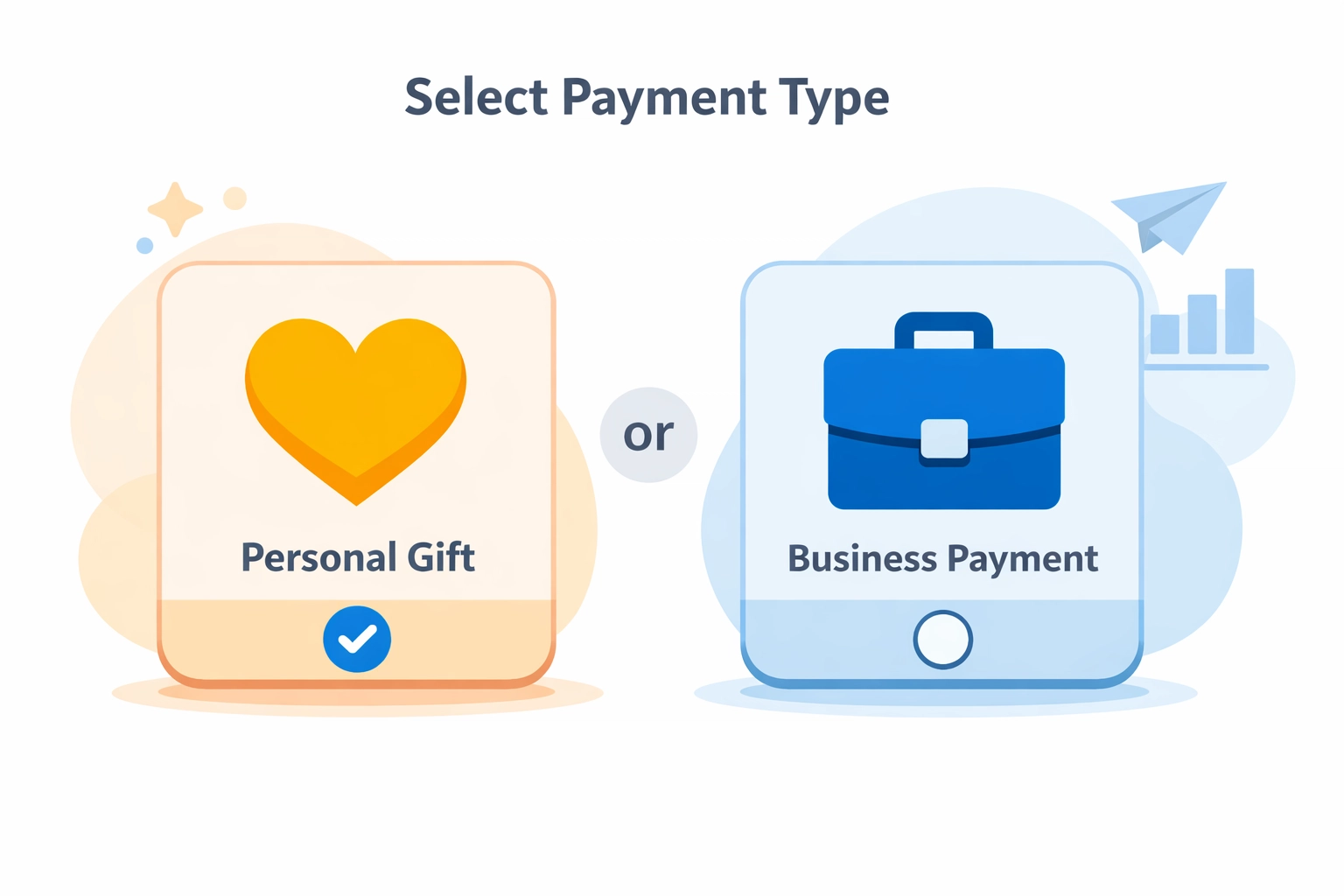
This is the "Cardinal Sin" of digital payments. You use the same Venmo account to receive $500 for a freelance consulting gig and to receive $20 from your cousin for a birthday gift.
The Mistake: When business and personal transactions are co-mingled, your records become a chaotic mess. During an audit, the IRS may assume all incoming transfers are taxable income unless you can prove otherwise.
The Fix: Open a dedicated Venmo Business Profile. Keep your personal account strictly for reimbursements and gifts. If you’ve already made the mistake of mixing them this year, don't panic. Bring your transaction history to our office. We will help you categorize every line item to ensure you aren't paying taxes on your own birthday presents.
4. Ignoring Connecticut Sales Tax Obligations!
If you are selling physical goods in the Elm City and collecting payment via Venmo, you aren't just beholden to the IRS; you have the Connecticut Department of Revenue Services (DRS) to worry about.
The Mistake: Thinking that Venmo handles the sales tax for you. It doesn't.
The Fix: If you are a retailer in CT, you are responsible for collecting the 6.35% sales tax and remitting it to the state. When the IRS receives your 1099-K, they may share that data with state authorities. If your Venmo records show $10,000 in sales but your CT sales tax filings show $0, you’re going to get a very expensive letter in the mail. Part of our tax preparation New Haven service is ensuring your state and federal filings actually talk to each other correctly.
5. The "Friends and Family" Classification Trap!
We’ve all seen the prompt: "Is this for Goods and Services?" Some sellers ask customers to pay via "Friends and Family" to avoid fees.
The Mistake: Beyond being a violation of Venmo’s Terms of Service, this creates a major red flag for the IRS. If you have a high volume of "Friends and Family" payments that don't match your lifestyle or known employment, it looks like tax evasion.
The Fix: Use the "Goods and Services" toggle for all business transactions. The fee you pay is a tax-deductible business expense. It provides you with a clean audit trail and professional credibility. If you've been "gaming the system," let's sit down and do some tax planning to rectify your records before the 1099-Ks start rolling in.
6. Failing to Verify Your 1099-K for Accuracy!
Venmo is a tech giant, but they aren't perfect. Automated systems make mistakes, especially when it comes to classifying transactions.
The Mistake: Taxpayers often receive a 1099-K and just "plug and play" the numbers into their tax software without checking them.
The Fix: Double-check the math. Did they include a refund you gave to a customer? Did they accidentally include a personal transfer? If the form is wrong, you must contact Venmo immediately to request a correction. If you file with an incorrect 1099-K, the IRS computers will flag the discrepancy instantly. At Jose's Tax Service, we verify every form against your actual receipts to ensure we maximize tax refund opportunities by not over-reporting income.
7. The "Digital-Only" Record Retention Failure!
"It's all in the app," you say. "I can just look it up if I need to."
The Mistake: Relying solely on the Venmo app for your records. If your account gets locked, or if the app undergoes a major update that limits history access, you are left defenseless in an audit.
The Fix: Maintain independent records. You should have a spreadsheet or accounting software that mirrors your Venmo activity, along with digital copies of invoices or receipts. The IRS requires you to keep these records for at least three years. We recommend our clients use cloud-based storage to keep their tax preparation documents safe and accessible.
Why You Need a New Haven Tax Pro in 2026
The IRS has more data than ever before. With the $600 threshold in full effect for 2026, the era of "casual" reporting is over. Whether you’re a barber in Fair Haven, a researcher at Yale doing side-consulting, or a maker selling on Orange Street, your Venmo account is now a federal document.
At Jose's Tax Service, we don't just "do taxes." We provide a concierge experience that shields you from the stress of shifting regulations.
How We Fix These Mistakes for You:
- Audit Protection: We categorize your transactions so you never pay a cent more than you owe.
- Expense Maximization: We find the deductions (like those Venmo fees!) that DIY software often misses.
- State Compliance: We ensure your Connecticut sales tax and income tax are perfectly aligned.
- Fast Filing: We help you set up direct deposit so you get your money back faster than a Venmo transfer.
Don't let a "Quick Pay" lead to a long-term audit. If you’re worried about how your 2025 activity will impact your 2026 filing, it’s time to talk to a professional.
Ready to get your Venmo taxes sorted?
Check out our sitemap for more resources or visit our office in New Haven for a consultation.
Jose's Tax Service
Professional Service. Casual Vibe. Maximum Refunds.
Practical Reminder: The deadline to file your 2025 tax return is April 15, 2026. If you have high Venmo volume, do not wait until April 14th to sort through your transaction history. File early, sleep better.
For more information on 2026 tax updates, visit our official posts archive.

Leave a Reply
You must be logged in to post a comment.