
7 Tax Planning Mistakes New Haven Small Businesses Make (and How to Fix Them)
New Haven, Connecticut : Small business owners in New Haven face unique challenges during tax season. From Chapel Street retailers to Wooster Square restaurants, countless businesses lose money annually due to preventable tax planning errors. These mistakes can cost your business $1,000 to $10,000 or more each year.
Understanding these common pitfalls and implementing proper tax preparation strategies can maximize your tax refund and protect your business from IRS scrutiny.
Mistake #1: Leaving Deductions on the Table!
The Problem: Most New Haven small businesses fail to claim legitimate deductions. Business owners overlook home office expenses, software subscriptions, marketing costs, startup fees, legal expenses, and business meals.
Every unclaimed deduction increases your tax liability. If you spent $500 monthly on digital marketing but failed to deduct it, you're paying taxes on an additional $6,000 of income annually.
The Fix:
- Review 12 months of bank and credit card statements immediately
- Categorize every business expense by type
- Gather missing receipts and documentation before filing
- Track mileage for business travel throughout New Haven and Connecticut
- Document home office square footage if you work remotely
Action Required: Schedule a quarterly review of expenses with a concierge tax pro who understands Connecticut tax laws. Professional tax preparation in New Haven ensures you capture every available deduction.
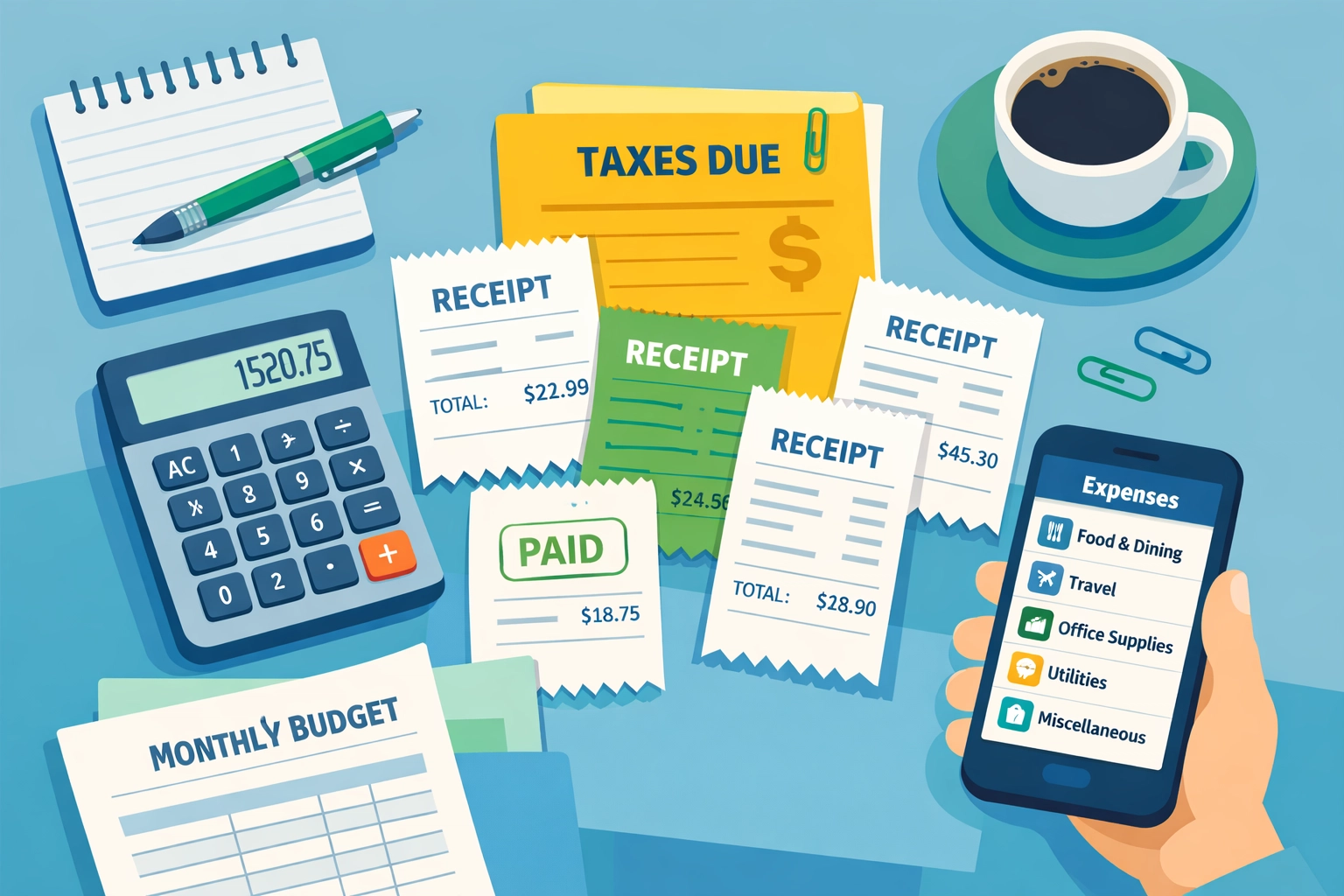
Mistake #2: Mixing Personal and Business Finances!
The Problem: Using the same account for business revenue and personal expenses creates classification nightmares. Misclassifying investor capital as revenue or treating personal purchases as business expenses can trigger IRS audits and inflate your taxable income.
Connecticut business owners who fail to separate finances face increased scrutiny during tax season.
The Fix:
- Open dedicated business checking and credit card accounts today
- Never use business funds for personal expenses
- Maintain clear documentation for every transaction
- Separate contractor payments from employee wages
- Document all capital contributions and loan proceeds properly
Business owners should reconcile accounts monthly to ensure accurate classification. This practice simplifies tax preparation and provides clear financial records if the IRS requests documentation.
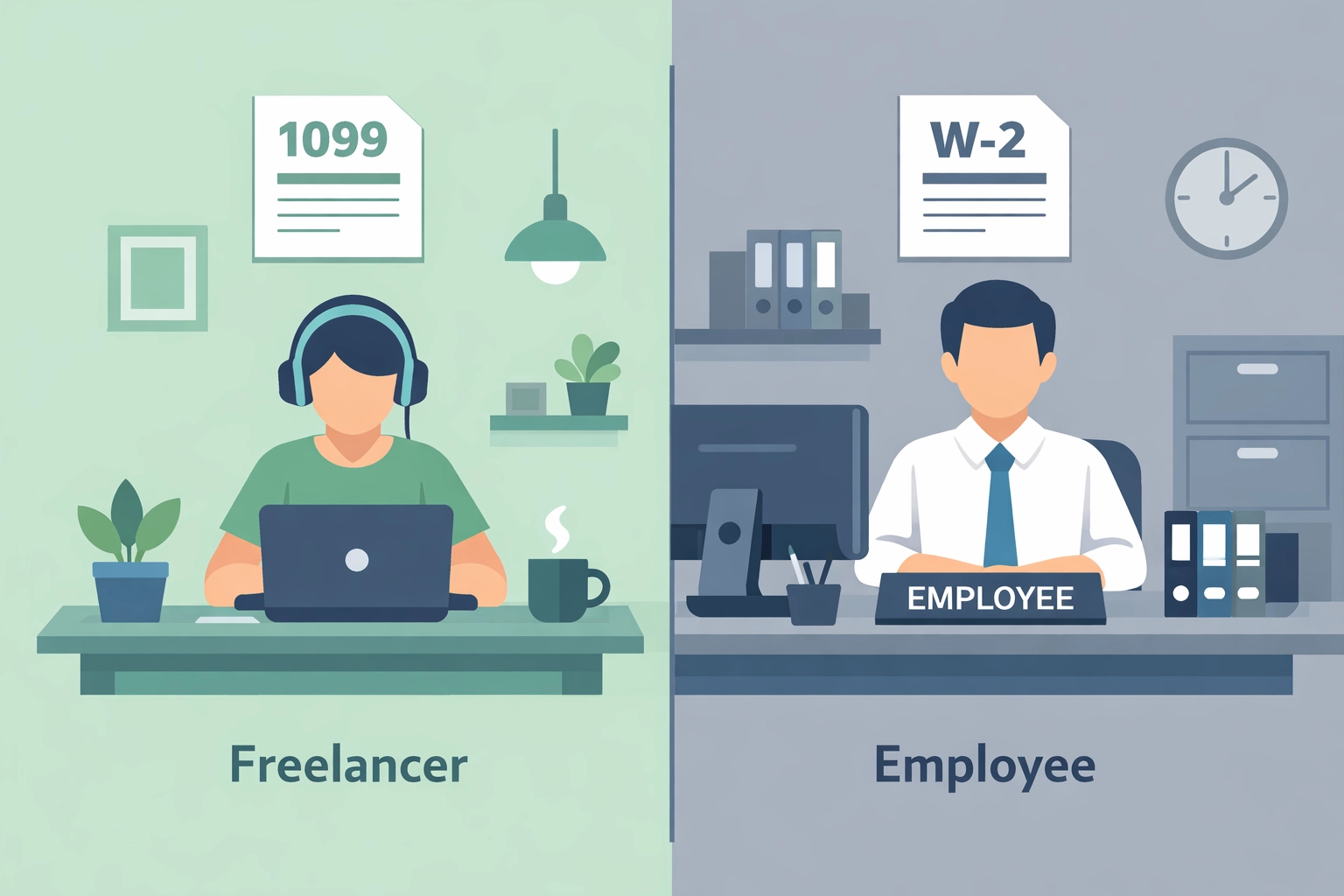
Mistake #3: Misclassifying Workers: A Costly Error!
The Problem: New Haven businesses frequently misclassify employees as independent contractors or vice versa. This mistake triggers substantial penalties, back taxes, and potential legal consequences.
If you pay a freelancer more than $600 annually, you must issue Form 1099-NEC and collect a completed W-9 form. Failure to comply results in penalties ranging from $50 to $290 per form.
The Fix:
- Understand the IRS distinction between employees and contractors
- Issue Form W-9 to all contractors before payment begins
- File Form 1099-NEC by January 31st for the previous tax year
- Maintain I-9 forms for all W-2 employees
- Document the nature of each working relationship
Warning: Misclassification can lead to penalties, unpaid payroll taxes, and back wages. Consult with a tax preparation professional in New Haven to ensure proper worker classification from day one.

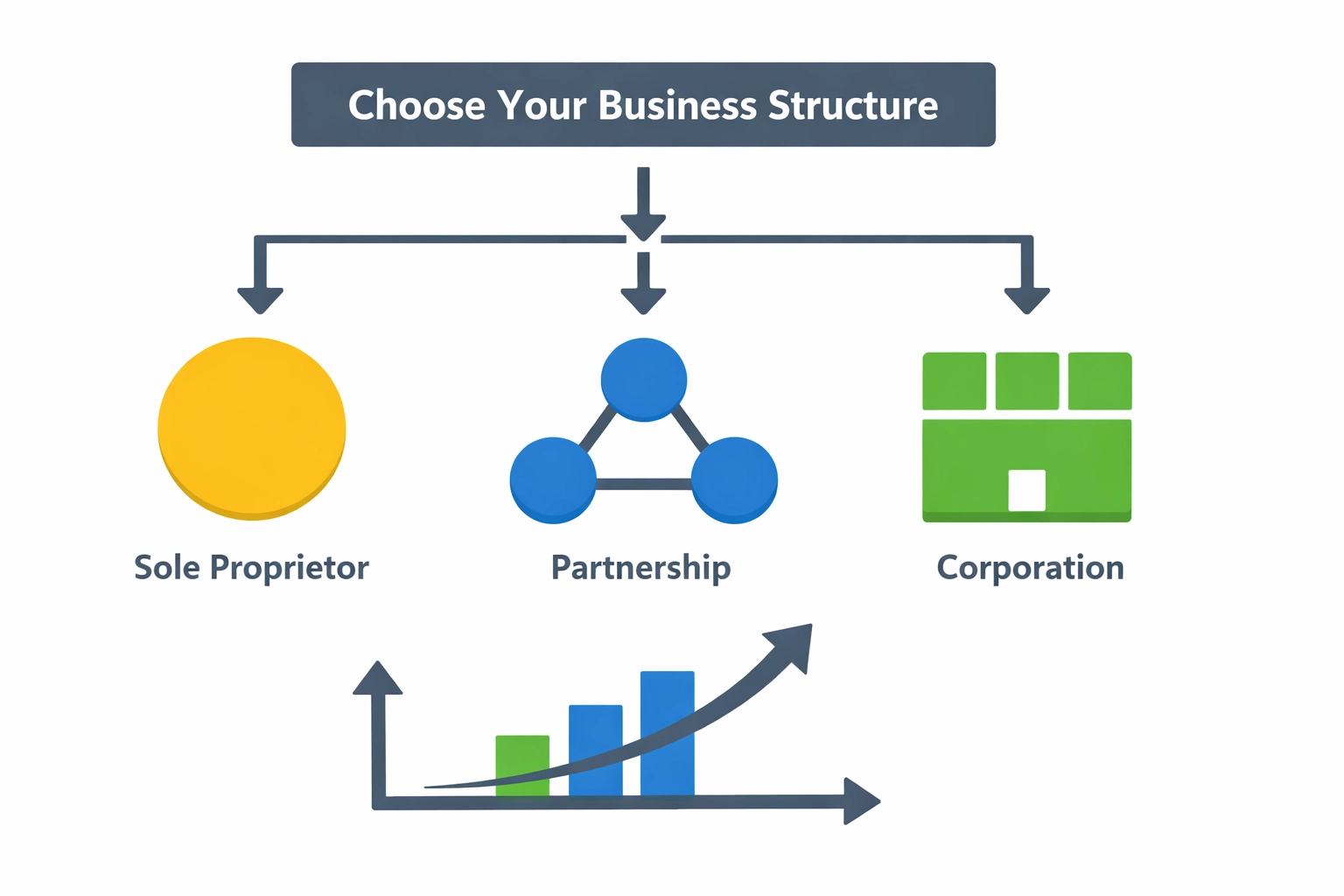
Mistake #4: Choosing the Wrong Business Structure!
The Problem: Many Connecticut entrepreneurs select their business entity without understanding long-term tax implications. Operating as a sole proprietor when you should be an S-Corp costs thousands in self-employment taxes. Conversely, forming a C-Corp without understanding double taxation creates unnecessary tax burdens.
The Fix:
- Reevaluate your structure when net profit exceeds $50,000 annually
- Consider S-Corp election to reduce self-employment tax liability
- Analyze entity options before hiring W-2 employees
- Consult with a concierge tax pro about Connecticut-specific requirements
- File necessary elections (such as Form 2553) before IRS deadlines
Key Indicator: If your business generates $75,000+ in net profit, an S-Corp election may save $5,000 to $10,000 annually in self-employment taxes.
Professional tax preparation services can model different scenarios and recommend the optimal structure for your New Haven business.
Mistake #5: Ignoring Quarterly Estimated Tax Payments!
The Problem: New Haven business owners often treat taxes as an annual event. The IRS expects quarterly estimated tax payments from self-employed individuals and businesses. Missing these payments triggers underpayment penalties and interest charges.
Connecticut requires separate quarterly estimated tax payments for state taxes.
The Fix:
- Calculate quarterly estimated taxes based on prior year liability or current year projections
- File federal Form 1040-ES quarterly (April 15, June 15, September 15, January 15)
- Submit Connecticut Form CT-1040ES for state estimated payments
- Set aside 25-30% of business income in a dedicated tax savings account
- Automate transfers to avoid cash flow problems at payment deadlines
Deadline Alert: Missing quarterly payments can result in penalties even if you pay the full amount by April 15th. The IRS calculates underpayment penalties for each quarter separately.
Working with a tax preparation professional ensures accurate quarterly calculations and timely payments.
Mistake #6: Poor Recordkeeping and Disorganized Systems!
The Problem: Waiting until tax season to organize financial records costs New Haven businesses $1,000 to $5,000 annually in lost deductions and professional fees. Shoebox receipts, missing documentation, and inconsistent bookkeeping make it impossible to maximize your tax refund.
The Fix:
- Implement digital receipt-capture systems immediately
- Use accounting software designed for small businesses
- Reconcile bank accounts and credit cards monthly
- Maintain separate folders for invoices, receipts, and tax documents
- Schedule quarterly tax planning sessions with your accountant
Best Practice: Use cloud-based accounting platforms that integrate with your bank accounts. This automation reduces manual entry errors and provides real-time financial visibility.
Proper recordkeeping protects your business during IRS audits and enables accurate tax preparation in New Haven.
Mistake #7: The DIY Tax Trap: Going It Alone!
The Problem: New Haven business owners who handle taxes independently often miss strategic opportunities. The "DIY everything" approach typically costs $1,500 to $10,000 annually in overpaid taxes, missed deductions, and compliance errors.
Tax software cannot provide strategic planning, entity structure guidance, or multi-state tax considerations relevant to Connecticut businesses.
The Fix:
- Invest in qualified tax professionals for year-round planning
- Schedule quarterly meetings to review financial performance
- Make strategic purchases before year-end to reduce tax liability
- Adjust estimated payments based on actual business performance
- Optimize timing of income and expenses for maximum benefit
ROI Reality: Professional tax preparation typically saves 3-5 times the service fees through strategic planning, proper deductions, and compliance accuracy.
A concierge tax pro provides personalized service tailored to your New Haven business circumstances. This relationship-based approach delivers value far beyond annual tax filing.
Taking Action: Your Tax Planning Checklist!
Avoiding these seven mistakes requires proactive planning and professional guidance. New Haven small businesses should implement these action items immediately:
Immediate Actions (Within 7 Days):
- Separate business and personal finances completely
- Begin tracking all business expenses digitally
- Collect W-9 forms from contractors and vendors
- Review current business entity structure
Short-Term Actions (Within 30 Days):
- Schedule consultation with tax preparation professional
- Review previous tax returns for missed deductions
- Calculate and pay current quarter estimated taxes
- Implement monthly bookkeeping procedures
Ongoing Actions (Quarterly):
- Meet with your concierge tax pro for planning sessions
- Review profit and loss statements for tax implications
- Adjust estimated tax payments based on actual performance
- Document major business decisions and purchases
Professional Guidance Makes the Difference!
Tax planning should be continuous, not annual. New Haven businesses that treat tax preparation as an ongoing strategic function consistently outperform those that address taxes only in April.
The difference between adequate tax preparation and strategic tax planning often equals thousands of dollars annually. Professional guidance helps you navigate Connecticut-specific requirements, federal tax law changes, and entity-specific considerations.
Don't let these common mistakes cost your business money. Contact Jose's Tax Service to schedule your tax planning consultation and maximize your tax refund this year.

Leave a Reply
You must be logged in to post a comment.