
Small Business Tax Planning 101: Why Your 2026 Refund Starts with Professional Bookkeeping Today
Your 2026 tax refund isn't determined in April when you file: it's built throughout the entire year through systematic bookkeeping practices. Professional tax preparation in New Haven starts with accurate financial records maintained from January through December. Without organized books, you're leaving money on the table and exposing your business to unnecessary risk.
The Critical Connection Between Bookkeeping and Tax Savings!
Professional bookkeeping creates the foundation for maximizing your tax refund. Here's why accurate records matter:
Deduction tracking. Every business expense represents a potential tax deduction, but only if you can document it. Proper bookkeeping captures these deductions in real-time rather than forcing you to reconstruct transactions months later.
Audit protection. The IRS requires substantiation for all claimed deductions. Professional bookkeeping creates a clear audit trail that protects your business if questioned. Missing documentation can result in disallowed deductions and penalties.
Quarterly compliance. If you expect to owe $1,000 or more in taxes, quarterly estimated payments become mandatory. Accurate bookkeeping enables you to calculate these payments correctly and avoid underpayment penalties.
Strategic planning opportunities. Real-time financial data allows your concierge tax pro to identify tax-saving strategies throughout the year, not just during tax season.
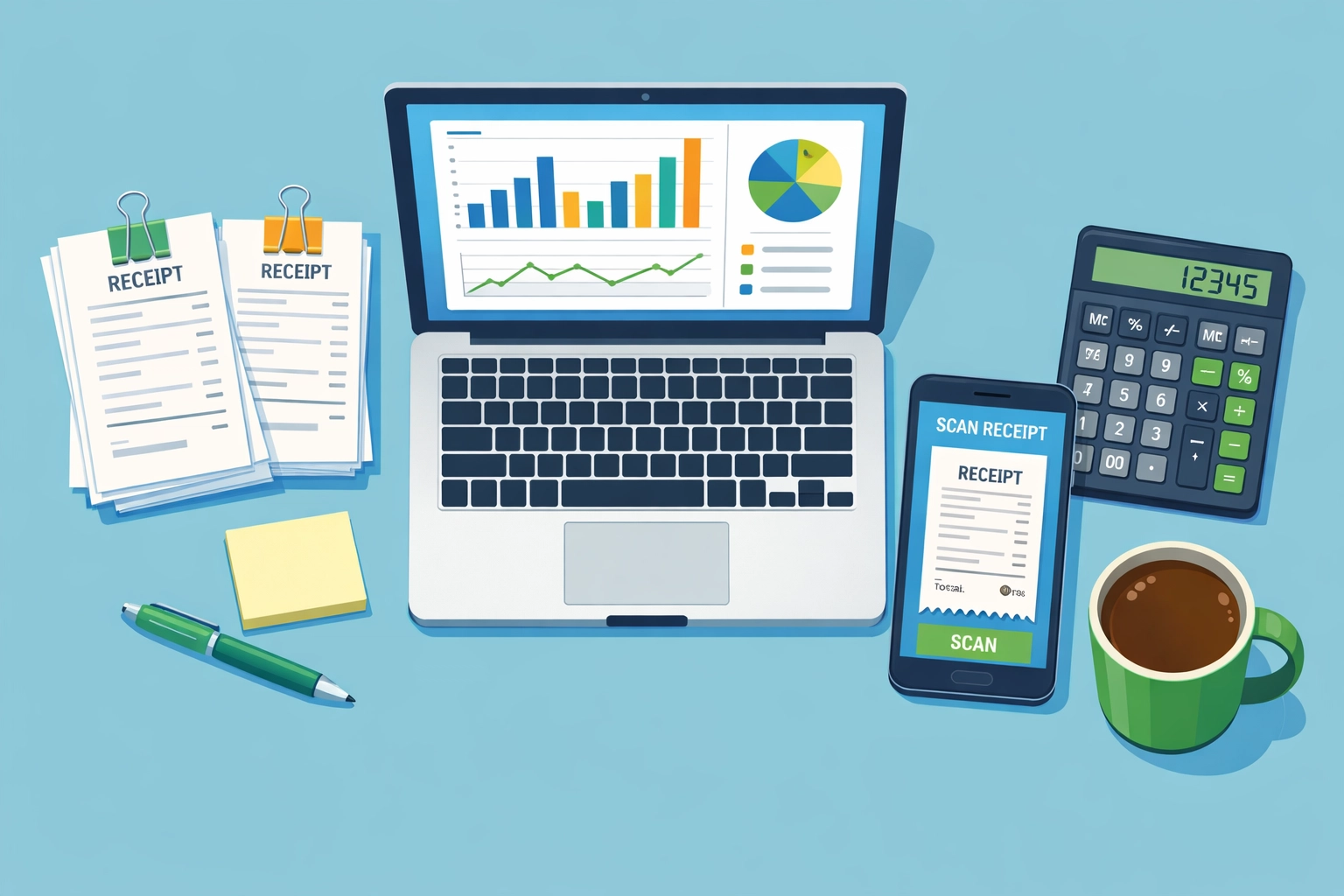
2026 Tax Changes Small Business Owners Must Know!
The 2026 tax landscape includes significant updates affecting small businesses:
Social Security Wage Base Increase
The Social Security wage base rises to $184,500 in 2026, up from $176,100 in 2025. This increase directly impacts self-employment tax calculations. If you're self-employed, you'll pay 15.3% on income up to this threshold: 12.4% for Social Security and 2.9% for Medicare.
Action required: Adjust your quarterly estimated tax payments to account for this increase. Calculate 15.3% on projected income up to $184,500, then 2.9% on amounts exceeding the threshold.
New Deduction Opportunities
Two new deductions become available in 2026:
- Tip income deduction: Up to $25,000 annually (phases out at $150,000 MAGI for single filers, $300,000 for married filing jointly)
- Overtime compensation deduction: Up to $12,500 for single filers, $25,000 for married filing jointly
Documentation requirement: Maintain separate records for tip income and overtime wages. Your bookkeeping system must categorize these items distinctly to claim the deductions.
Self-Employment Tax Deduction
The self-employment tax rate remains at 15.3%, but you can deduct half of this amount as an above-the-line deduction. This reduces your adjusted gross income (AGI), potentially qualifying you for additional tax benefits.
Calculation note: If you pay $10,000 in self-employment tax, deduct $5,000 on your return before calculating your AGI.
Essential Bookkeeping Practices for Maximum Deductions!
Implement these practices to maximize your tax refund:
Separate Business and Personal Finances
Open a dedicated business checking account and credit card. Never commingle personal and business transactions. Mixed finances create documentation nightmares and raise red flags during IRS audits.
Set up today: Visit your bank and establish separate business accounts. Transfer existing business funds immediately.
Track Every Business Expense
Capture these commonly overlooked deductions:
- Home office expenses (percentage of rent/mortgage, utilities, internet)
- Vehicle mileage (67 cents per mile for 2026)
- Professional development (courses, conferences, certifications)
- Marketing and advertising costs
- Professional services (accounting, legal, consulting)
- Technology and software subscriptions
- Business insurance premiums
- Office supplies and equipment
- Client entertainment (50% deductible)
- Business travel expenses
Use technology: Implement accounting software that connects to your bank accounts and automatically categorizes transactions. Popular options include QuickBooks, FreshBooks, and Xero.
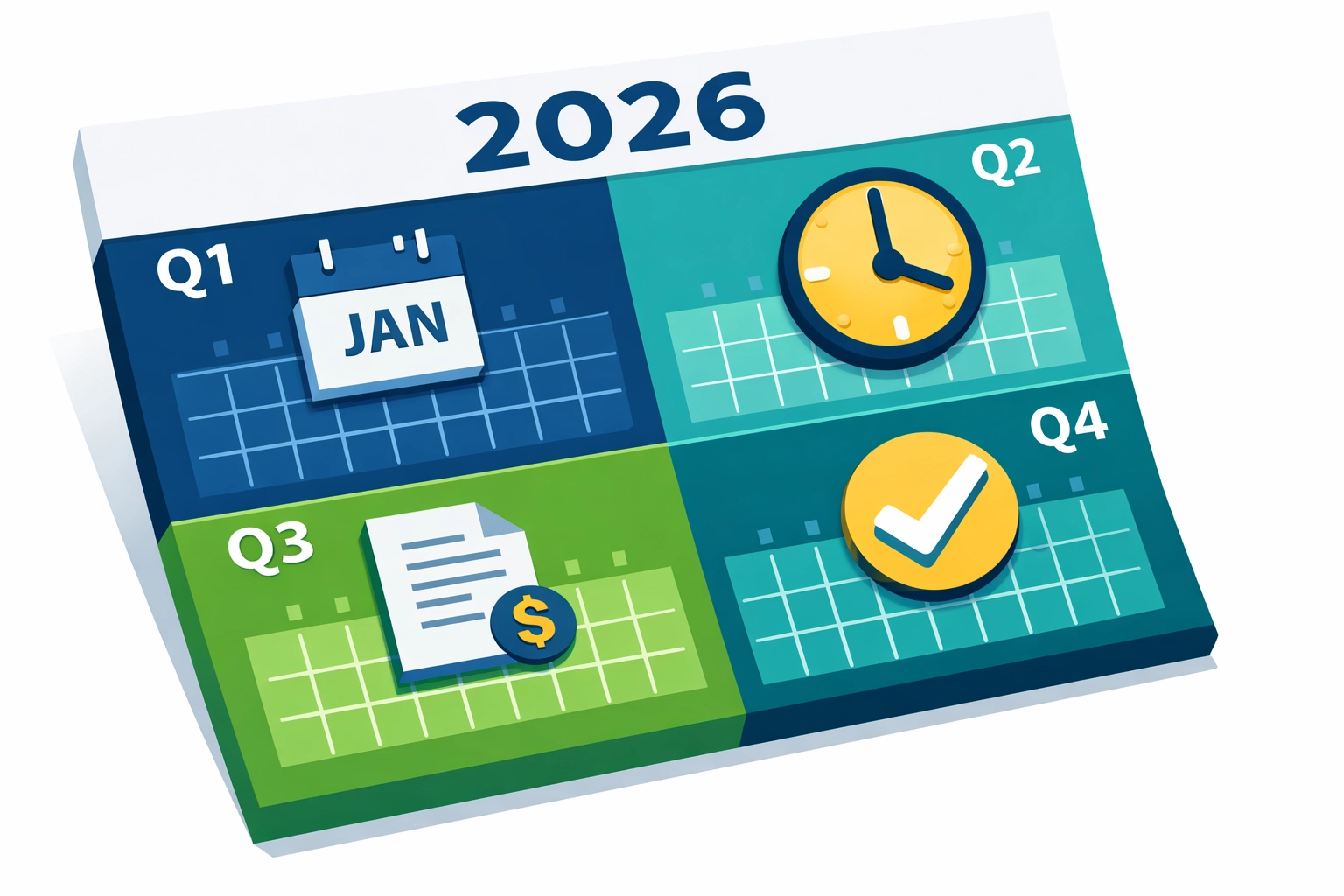
Maintain Digital Receipt Records
Photograph and store receipts digitally using your smartphone. Apps like Expensify, Receipt Bank, or even your accounting software's mobile app make this process seamless.
Best practice: Capture receipts immediately after purchases. Thermal receipts fade over time, making immediate digitization critical.
Record Transactions Weekly
Set a recurring calendar appointment every Friday afternoon to review and categorize the week's transactions. This 30-minute investment prevents year-end scrambles and ensures accuracy.
Weekly checklist:
- Review bank and credit card transactions
- Categorize expenses correctly
- Upload receipts and supporting documentation
- Reconcile accounts
- Note any unusual transactions for tax pro review
Quarterly Tax Planning: Your Action Timeline!
Strategic tax planning operates on a quarterly schedule, not just annually.
Set Aside 25-35% of Income
Establish a separate savings account specifically for tax obligations. Transfer 25-35% of every business deposit into this account immediately. This percentage varies based on your income level and business structure.
Calculate your rate: Meet with your tax preparation professional in New Haven to determine your specific percentage based on projected 2026 income and deductions.
Make Quarterly Estimated Payments
Submit estimated tax payments by these 2026 deadlines:
- April 15, 2026: First quarter payment
- June 16, 2026: Second quarter payment
- September 15, 2026: Third quarter payment
- January 15, 2027: Fourth quarter payment
Safe harbor rule: Pay at least 100% of your 2025 tax liability (110% if 2025 AGI exceeds $150,000) to avoid underpayment penalties, even if your 2026 income increases.
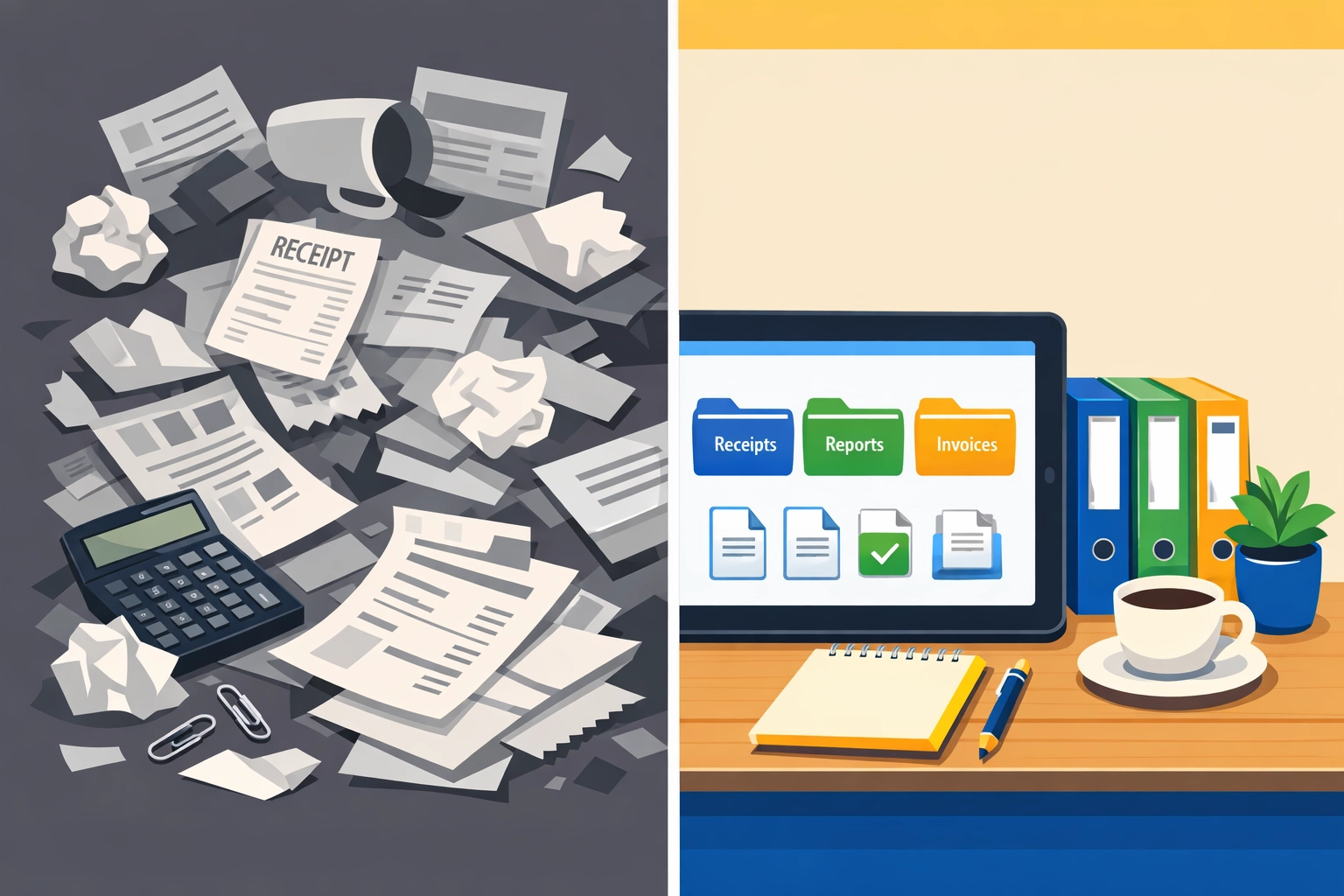
Schedule Mid-Year Tax Planning Meeting
Book an appointment with your concierge tax pro in July 2026 to review:
- Year-to-date income and expenses
- Projected year-end tax liability
- Available deduction strategies
- Business structure optimization
- Retirement contribution opportunities
- Equipment purchase timing for Section 179 deductions
Why July matters: Mid-year reviews provide sufficient time to implement tax-saving strategies before December 31. Waiting until tax season eliminates most planning opportunities.
Warning Signs Your Bookkeeping Needs Professional Help!
Recognize these red flags indicating you need professional bookkeeping services:
You can't answer basic financial questions. If someone asks your current profit margin, monthly expenses, or cash flow, and you can't answer immediately, your bookkeeping needs attention.
Tax time creates panic. Scrambling to gather documents and reconstruct transactions every April signals inadequate bookkeeping throughout the year.
You've missed quarterly payment deadlines. Missing estimated tax payments results in penalties and interest charges: unnecessary expenses that proper bookkeeping prevents.
You're uncertain about deduction eligibility. Not knowing which expenses qualify as business deductions means you're likely missing valuable tax savings.
Bank accounts don't reconcile. If your bookkeeping records don't match bank statements, errors exist somewhere in your system.
You've received IRS notices. Correspondence from the IRS often stems from documentation problems or calculation errors originating in poor bookkeeping.
New Haven Small Business Owners: Your Next Steps!
Take these actions this week to improve your 2026 tax position:
Immediate Actions (This Week)
Schedule a bookkeeping assessment. Contact Jose's Tax Service to evaluate your current bookkeeping system and identify gaps.
Set up separate business accounts. If you haven't already, open dedicated business checking and credit card accounts.
Implement expense tracking. Download accounting software or a receipt-capture app and begin documenting every business expense.
Calculate and set aside tax reserves. Review your income and transfer 25-35% to a dedicated tax savings account.
Short-Term Actions (This Month)
Organize 2026 documentation. Create digital folders for receipts, invoices, and financial documents organized by month.
Review 2025 tax return. Identify missed deductions and implement systems to capture them in 2026.
Establish weekly bookkeeping routine. Block 30 minutes every Friday for transaction review and categorization.
Calculate first quarter estimated tax payment. Determine the amount due by April 15, 2026, based on projected income.
Ongoing Practices (Every Quarter)
Submit quarterly estimated payments. Mark your calendar for April, June, September, and January deadlines.
Meet with your tax professional. Schedule quarterly check-ins to review progress and adjust strategies.
Professional bookkeeping isn't an expense: it's an investment that pays dividends through maximized deductions, avoided penalties, and reduced stress. Small business owners in New Haven who maintain organized records throughout 2026 will see the results in their tax refunds next spring.
Don't wait until tax season to think about your taxes. Your 2026 refund depends on decisions you make today. Contact Jose's Tax Service to implement professional bookkeeping systems that protect your business and maximize your tax savings.
Ready to maximize your tax refund? Visit our Small Business Learning Center for additional resources, or schedule your bookkeeping consultation today.

Leave a Reply
You must be logged in to post a comment.