
7 Mistakes You're Making with Tax Planning in 2026 (And How to Fix Them Before April 15)
Look, we get it. Tax planning isn't exactly the most thrilling way to spend your Tuesday afternoon. But here's the thing, between now and April 15, the decisions you make (or don't make) could cost you hundreds or even thousands of dollars.
The 2026 tax season brings fresh complications, new deductions, and updated IRS rules that most taxpayers are completely ignoring. And honestly? That's leaving serious money on the table.
We've seen these mistakes play out in our New Haven office time and time again. So let's cut through the confusion and fix these problems before the tax deadline sneaks up on you.
Mistake #1: You're Missing Brand-New Deductions!
The IRS rolled out new deductions for 2026, and most people have no clue they exist. We're talking about legitimate write-offs that could reduce your taxable income significantly, yet they're flying under the radar.
Here's the fix: Start with the IRS website and review the 2026 deduction updates. Pay special attention to work-related vehicle expenses, overtime pay deductions, and tip income adjustments. If you use your car for work purposes beyond your regular commute, track those miles religiously. Keep a detailed log with dates, destinations, and business purposes.
Not sure what qualifies? That's exactly when you should consult with a tax preparation professional in New Haven who stays current on these changes. Don't guess, get answers from someone who knows the 2026 tax code inside and out.
Mistake #2: Taking the Standard Deduction When Itemizing Would Save You More!
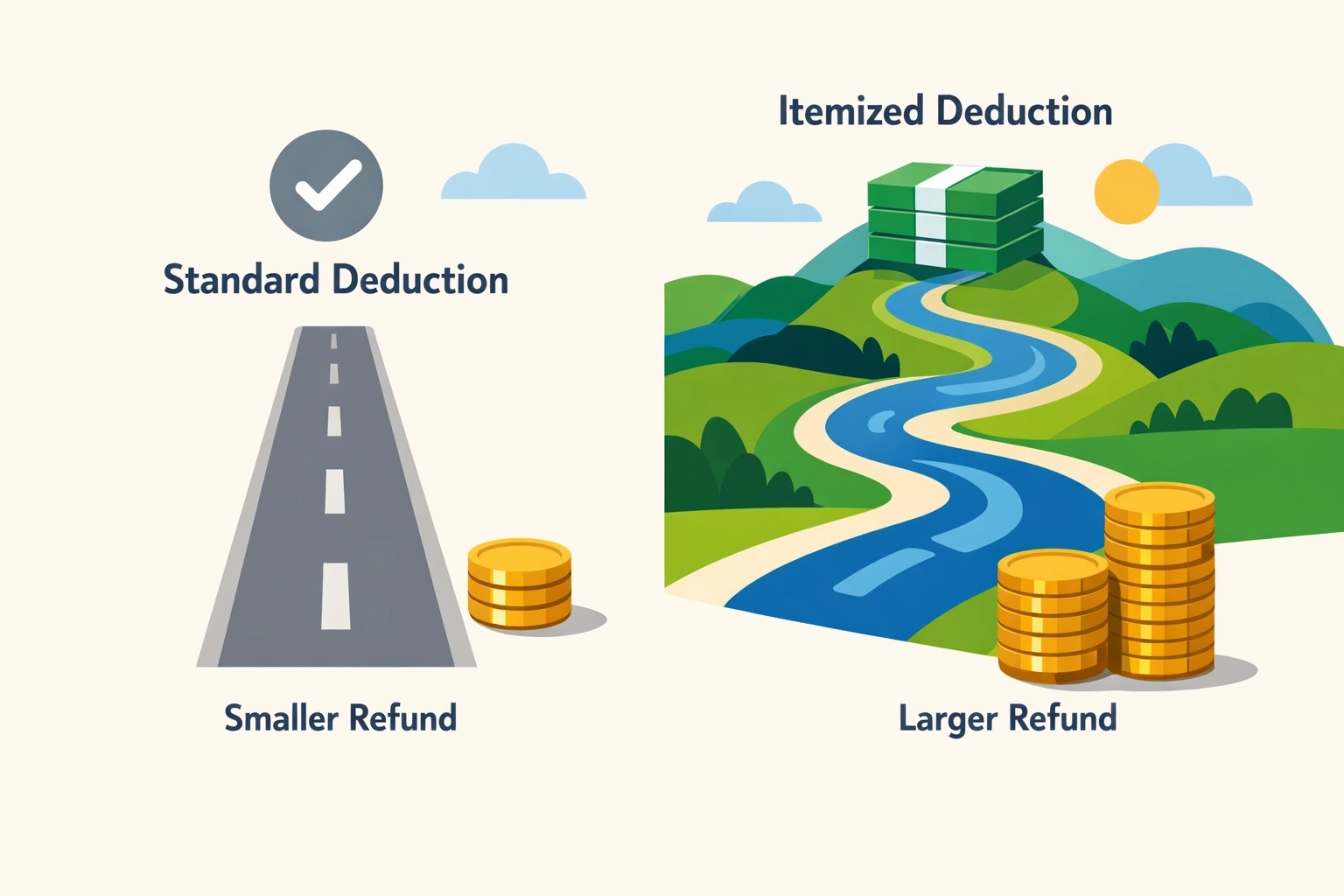
The standard deduction is convenient, we'll give it that. But convenience isn't the same as maximizing your tax refund. Many taxpayers automatically check that standard deduction box without ever calculating whether itemizing would deliver bigger savings.
In 2026, you should seriously consider itemizing if you have:
- Significant state and local taxes (SALT)
- Mortgage interest payments
- Substantial charitable donations
- High medical and dental expenses
The fix is simple: Calculate both options before you commit. Yes, itemizing requires more documentation, but if it saves you $500, $1,000, or more, isn't that worth a couple hours of your time?
Keep every receipt, every acknowledgment letter from charities, and every medical bill. The IRS may request proof of your itemized deductions, and you'll need that documentation ready to go.
Mistake #3: Misreporting Tips and Overtime Income!
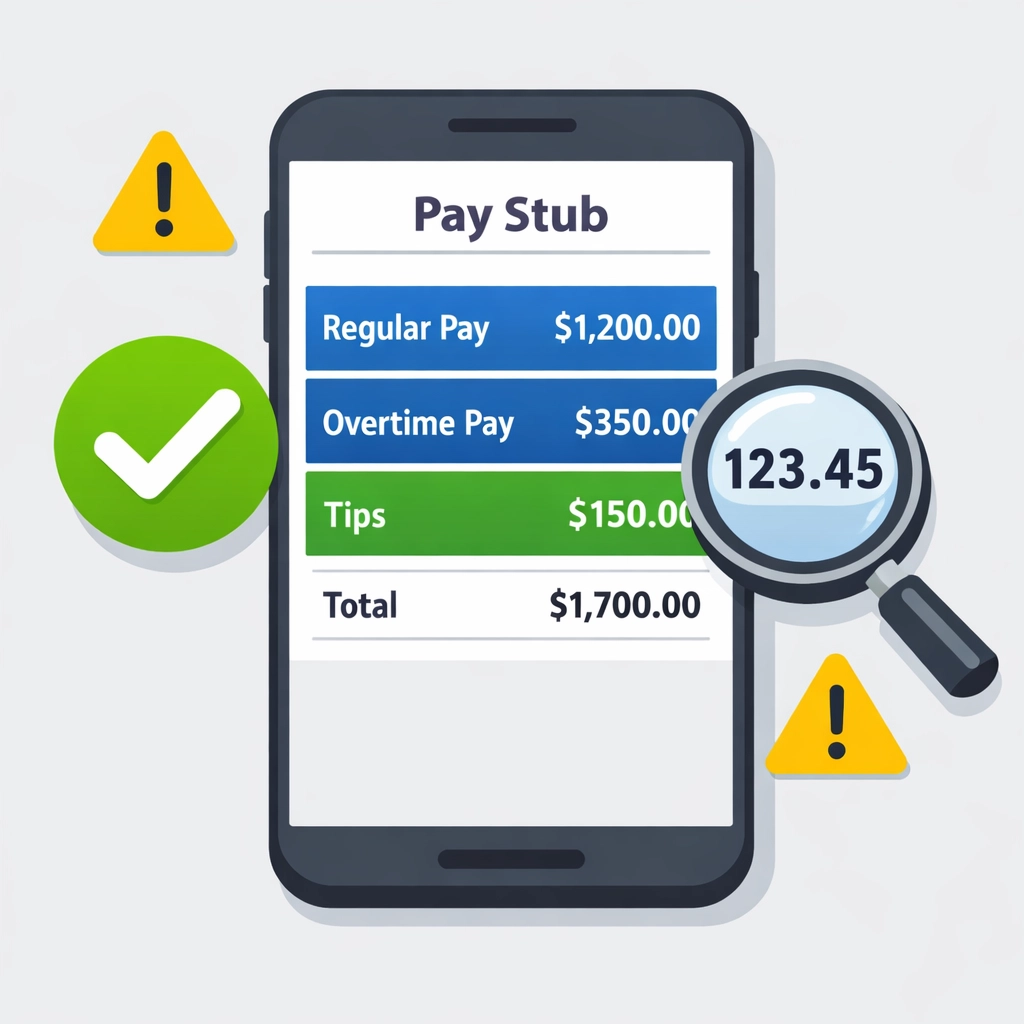
This one trips up more people than you'd think. Even small errors when reporting tips or overtime income can trigger IRS audits or shrink your refund. The 2026 tax law changes have added extra complexity around the tax treatment of tips and overtime pay, making this mistake even easier to make.
Here's how to fix it: Report tips exactly as shown on your pay stubs or employer documents. No rounding, no estimating, no "close enough." Include overtime pay separately from your regular salary: they're treated differently for tax purposes.
Double-check all totals before filing. Better yet, have a concierge tax pro review your numbers to catch errors before the IRS does. Trust us: it's way easier to fix mistakes before you file than after.
Mistake #4: Terrible Timing with Your Income!
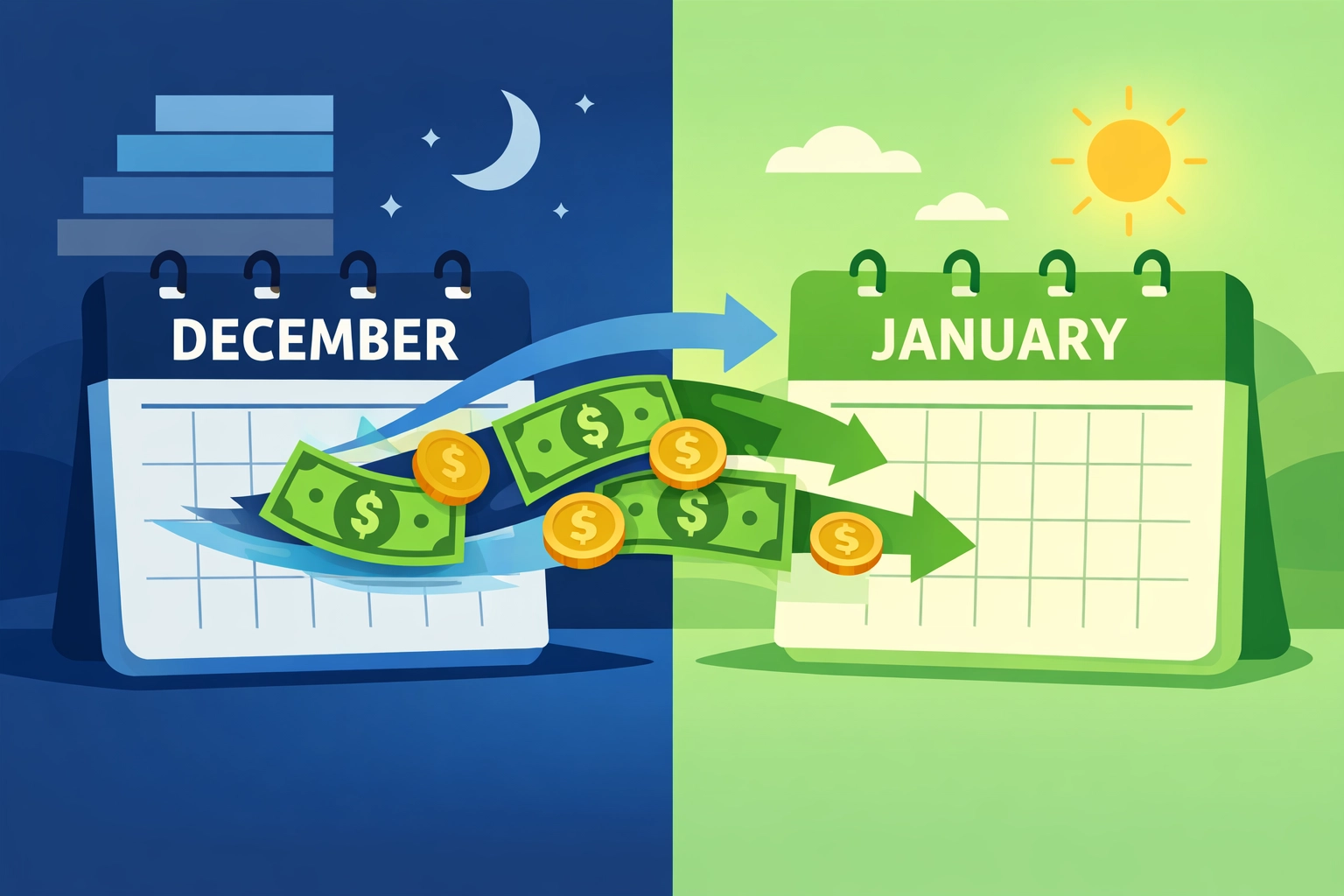
Here's something most people don't realize: the IRS taxes income based on when you receive it, not when you earn it. Receiving that year-end bonus or freelance payment at the wrong time can push you into a higher tax bracket and increase your tax bill substantially.
The fix requires strategic planning: If receiving income in December 2026 will bump you into a higher bracket, see if you can delay it until January 2027. Conversely, if you're already maxed out in your current bracket, accelerating income might not hurt you.
You can also accelerate deductions and charitable giving to reduce your 2026 taxable income. Make that charitable donation in December instead of January. Pay your January mortgage payment in December if possible.
This strategy can save hundreds or thousands of dollars, but it requires careful tax planning with a professional who can run the numbers for your specific situation. Don't wing it.
Mistake #5: Leaving Tax Credits on the Table!
Tax credits are the holy grail of tax savings: they reduce your tax bill dollar-for-dollar, making them far more valuable than deductions. Yet countless taxpayers miss credits they absolutely qualify for because the rules change every year.
Double-check your eligibility for these credits:
- Child Tax Credit
- Education Credits (for tuition and school expenses)
- Dependent Care Credit
- Earned Income Credit
Even if you think you don't qualify, check anyway. Income thresholds and qualification rules shift annually, and you might be eligible for a credit you weren't eligible for last year.
Don't assume anything. Verify everything. One overlooked credit could mean an extra $1,000+ in your pocket instead of Uncle Sam's.
Mistake #6: Your Records are a Complete Disaster!
Let's be honest: disorganized tax records make filing harder, increase the chance of errors, and can trigger IRS audits when you can't produce documentation. Failing to include all W-2s, 1099s, or receipts for deductions creates processing delays and potential penalties.
Here's the fix, starting right now: Create a tax document system before the April 15 deadline hits. Organize and store:
- Pay stubs
- W-2 forms
- 1099 forms (all of them!)
- Receipts for deductible expenses
- Bank and investment statements
- Healthcare coverage documentation
Use folders, binders, or digital apps: whatever works for your brain. The goal is simple: when it's time to file, everything you need is in one place. This preparation makes filing faster, reduces error risk, and gives you confidence that you're not leaving money on the table.
Mistake #7: Ignoring IRS Updates and New Tax Law Changes!
The IRS updates rules and deadlines constantly, and 2026 brings significant complexity under new tax legislation. Provisions on tips, overtime income, and expanded deductions have changed, yet most taxpayers have no idea these updates exist.
Missing these changes leads to penalties, lost deductions, and smaller refunds. And here's a pro tip: don't trust viral social media tax advice. Seriously. That TikTok "tax hack" could land you in hot water with the IRS.
The fix: Check the official IRS website regularly. Sign up for IRS newsletters or alerts. Ask your accountant about new rules that affect your specific situation. Verify information with official IRS resources or a trusted tax professional before applying it to your return.
Working with experienced tax preparation services in New Haven ensures you're not flying blind through the 2026 tax code changes.
Your Quick Action Checklist Before April 15
Don't wait until April 14 to panic. Start taking action now:
- Check for new 2026 deductions and credits you qualify for
- Compare itemizing versus taking the standard deduction
- Verify all tip and overtime income is accurately reported
- Plan income timing strategically with a professional
- Gather and organize all tax documents in one location
- Review official IRS guidance on 2026 tax law changes
- File early to avoid rush-related errors and processing delays
The truth is simple: smart tax planning now means more money in your pocket later. Every mistake you avoid is money you're keeping instead of overpaying to the IRS.
Need help fixing these mistakes before the deadline? That's exactly what we're here for. Professional tax preparation means catching errors, maximizing your refund, and giving you confidence that everything's done right.
Don't let these common mistakes cost you money you've already earned. Fix them now, file with confidence, and maximize your tax refund before April 15 gets here.

Leave a Reply
You must be logged in to post a comment.