
Why Today's Tax Update Will Change the Way You File in 2026
New Haven, CT : The One Big Beautiful Bill Act (OBBBA), signed into law in July 2025, introduces sweeping changes that will directly impact your 2026 tax preparation strategy. These updates affect standard deductions, tax brackets, and several critical credits that could put more money back in your pocket: or reduce what you owe.
Understanding these changes now is essential for effective tax planning. Here's exactly what you need to know before you file.
Standard Deduction Increases: Your First Tax Break!
The standard deduction increases significantly for all filing statuses in 2026. This change reduces your taxable income automatically, meaning you'll pay tax on less of what you earn.
2026 Standard Deduction Amounts:
- Single filers: $16,100 (up from $15,750)
- Married filing jointly: $32,200 (up from $31,500)
- Head of household: $24,150 (up from $23,625)
According to the Bipartisan Policy Center, these increases translate to immediate tax savings. Single taxpayers can expect cuts between $75 and $278, while married couples filing jointly may see reductions between $150 and $555, depending on their tax bracket.
What This Means for You:
Review whether itemizing still makes sense for your situation. The higher standard deduction may eliminate the need for detailed record-keeping of charitable contributions, mortgage interest, and medical expenses for many New Haven taxpayers.

Adjusted Tax Brackets: More Income at Lower Rates!
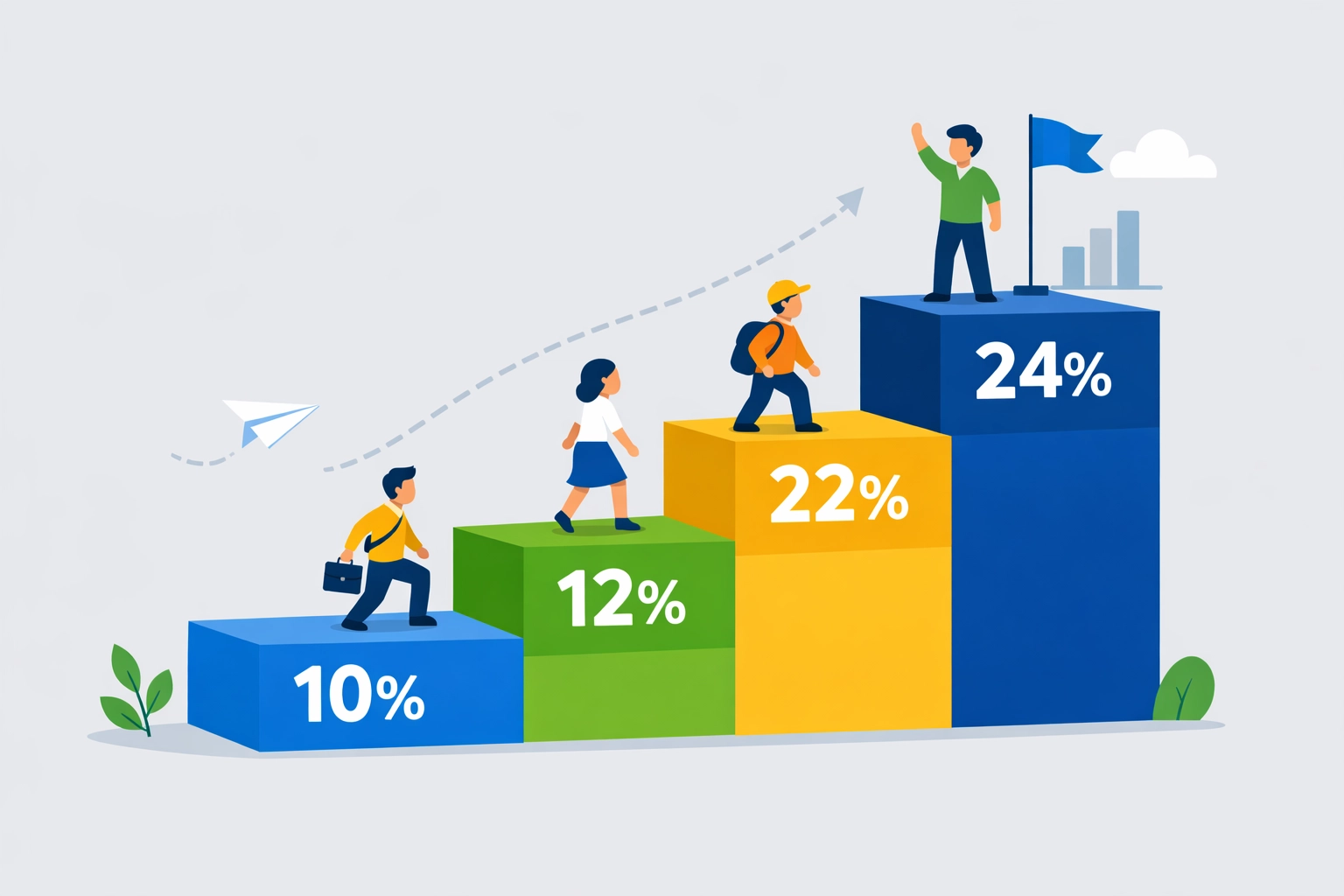
All seven federal tax brackets (10%, 12%, 22%, 24%, 32%, 35%, and 37%) have shifted upward to account for inflation. This adjustment means you can earn more income before hitting the next tax rate.
Key Example:
The 24% tax bracket for single filers now begins at $105,700 instead of the previous lower threshold. This means more of your income gets taxed at the 22% rate before jumping to 24%.
Action Step:
Calculate your projected 2026 income and compare it against the new bracket thresholds. If you're close to a bracket boundary, consider timing large bonuses or income recognition to maximize tax refund potential in future years.
Child Tax Credit Enhancement: Up to $200 More Per Child!
Families with children will benefit from the enlarged Child Tax Credit. Taxpayers can expect up to $200 additional savings per qualifying child compared to previous years.
Eligibility Requirements:
- Child must be under age 17 at the end of 2026
- Child must be claimed as a dependent on your return
- Income limits apply based on filing status
This credit directly reduces your tax liability dollar-for-dollar. For New Haven families with multiple children, this enhancement can result in substantial savings during tax preparation.
New Senior Deduction: $1,000 Average Savings for Eligible Taxpayers!
A significant new deduction for individuals age 65 and older provides tax cuts averaging around $1,000 for the estimated 24 million eligible taxpayers nationwide.
Who Qualifies:
You must be age 65 or older by December 31, 2026. Both spouses can claim this deduction if filing jointly and both meet the age requirement.
Tax Planning Tip:
If you're turning 65 in late 2026, confirm the exact cutoff date. Timing certain income recognition or deductible expenses around your 65th birthday could optimize this benefit.
SALT Deduction Cap Increases to $40,400!
The state and local tax (SALT) deduction cap increases dramatically to $40,400 for 2026, up from the previous $10,000 limit. This change primarily benefits higher-income itemizers who pay substantial Connecticut state income taxes and New Haven property taxes.
Who Benefits Most:
Homeowners in New Haven with significant property tax bills and high Connecticut state income tax liabilities will see the greatest advantage from this increased cap.
Important Consideration:
You must itemize deductions to claim SALT. Compare your total itemized deductions (including SALT, mortgage interest, and charitable contributions) against the new standard deduction to determine which approach maximizes your tax refund.

Qualified Business Income Deduction: Now Permanent at 20%!
The OBBBA made the 20% Qualified Business Income (QBI) Deduction permanent, providing critical long-term certainty for New Haven small business owners, independent contractors, and self-employed professionals.
Expanded Phase-In Thresholds:
- Single filers: $75,000 to $201,750
- Married filing jointly: $150,000 to $403,500
This deduction allows eligible business owners to deduct 20% of their qualified business income, significantly reducing taxable income.
Qualifying Business Types:
Most pass-through entities qualify, including sole proprietorships, S corporations, partnerships, and LLCs. Certain service businesses face additional limitations at higher income levels.
Action Required:
Review your business structure and income projections. If you're operating near the phase-in thresholds, consider income timing strategies or business structure changes to maximize this deduction during tax preparation.
What New Haven Taxpayers Should Do Now!
The 2026 tax update creates planning opportunities that require immediate attention. Follow these steps to position yourself for maximum tax savings:
1. Review Your Withholding
Use the IRS withholding calculator with the new standard deduction and bracket amounts. Adjust your Form W-4 if necessary to avoid overwithholding or potential underpayment penalties.
2. Gather Documentation Early
Start organizing receipts, 1099 forms, and business expense records now. The expanded QBI deduction requires detailed documentation for self-employed New Haven residents.
3. Reassess Itemizing vs. Standard Deduction
Calculate your projected itemized deductions including the higher SALT cap. Many taxpayers who previously itemized may now benefit from the increased standard deduction.
4. Plan Year-End Tax Moves
Identify opportunities to defer income or accelerate deductions based on the new brackets and thresholds. Strategic timing can optimize your position across multiple tax years.
5. Consult with Tax Professionals
These changes create complexity that requires expert guidance. Professional tax preparation ensures you claim every available deduction and credit while remaining compliant.

Permanent vs. Temporary Provisions: Plan Accordingly!
Understanding which changes are permanent versus temporary affects your long-term tax planning strategy. The 20% QBI deduction is now permanent, providing business owners with planning certainty for years ahead.
Other provisions may sunset or change in future legislation. Monitor tax update announcements and adjust your strategy accordingly.
The Bottom Line for Tax Preparation in New Haven
The 2026 tax update represents the most significant tax law changes in recent years. These modifications will directly impact how you file, what you owe, and how much you can save.
Take action now to maximize tax refund potential and avoid costly mistakes. Review your withholding, organize documentation, and consider professional tax preparation to navigate these complex changes effectively.
The new standard deductions, adjusted brackets, enhanced credits, and permanent QBI deduction create opportunities: but only for taxpayers who understand and apply them correctly.
Need help with tax planning for 2026? Professional guidance ensures you capture every available benefit while avoiding penalties and delays. Don't wait until April to address these changes.

Leave a Reply
You must be logged in to post a comment.