
Where's My Refund? Why Your Tax Refund Is Delayed Until Mid-February 2026
New Haven, CT – January 31, 2026 – You filed your taxes early. You're expecting a refund. So why isn't it in your bank account yet?
If you claimed the Earned Income Tax Credit (EITC) or the Additional Child Tax Credit (ACTC), your refund is legally required to be held by the IRS until mid-February. This isn't a processing error or a random delay: it's federal law under the Protecting Americans from Tax Hikes (PATH) Act.
Here's everything New Haven taxpayers need to know about the delay, when to expect your money, and how to track your refund in the meantime.
What Is the PATH Act and Why Does It Delay Refunds?
The PATH Act became law in 2015 to combat tax refund fraud, particularly involving the EITC and ACTC. These credits are frequently targeted by identity thieves and fraudulent filers who submit fake returns early in the season to claim refunds before the real taxpayer files.
To prevent this, the IRS is required to hold all refunds that include EITC or ACTC until mid-February, regardless of when you filed. This gives the agency extra time to verify income, dependents, and other information before releasing funds.
The official refund release timeline for 2026:
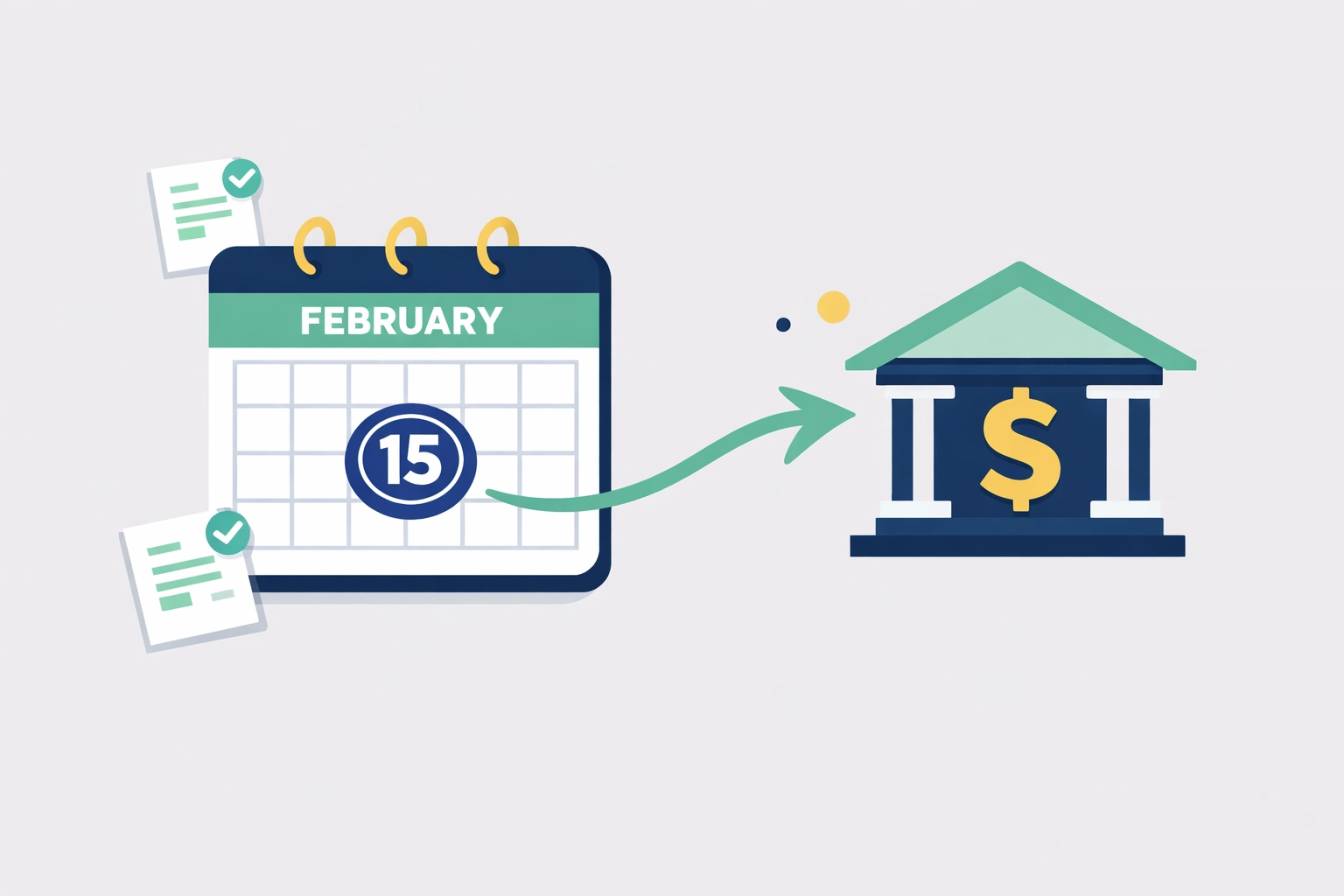
- Refunds are held until at least February 15, 2026
- The IRS begins processing these returns around February 21, 2026
- Most EITC and ACTC refunds will be available by March 2, 2026, if filed with direct deposit and no issues arise
Even if you filed on January 2nd, your refund won't arrive any faster than someone who files on February 10th: as long as both returns claim these credits.
Who Is Affected by the Delay?
This delay applies to anyone who claims the Earned Income Tax Credit or the Additional Child Tax Credit on their federal return. These are two of the most valuable credits for working families, and millions of New Haven residents rely on them every year.
You're subject to the PATH Act delay if:
- You claimed EITC based on earned income and qualifying dependents
- You claimed ACTC for children under 17
- Your return includes both credits
You are NOT subject to the delay if:
- You only claimed the standard Child Tax Credit (without the "additional" portion)
- You claimed other credits like the Child and Dependent Care Credit or education credits
- You're filing without any refundable credits tied to dependents
The delay only applies to the federal portion of your refund. If you're also expecting a Connecticut state refund, that may arrive on a separate timeline.
When Will the Where's My Refund Tool Show Your Status?
The IRS Where's My Refund? tool is the most reliable way to track your refund. But if you filed early and claimed EITC or ACTC, don't panic if the tool doesn't show information right away.
Key dates for 2026:
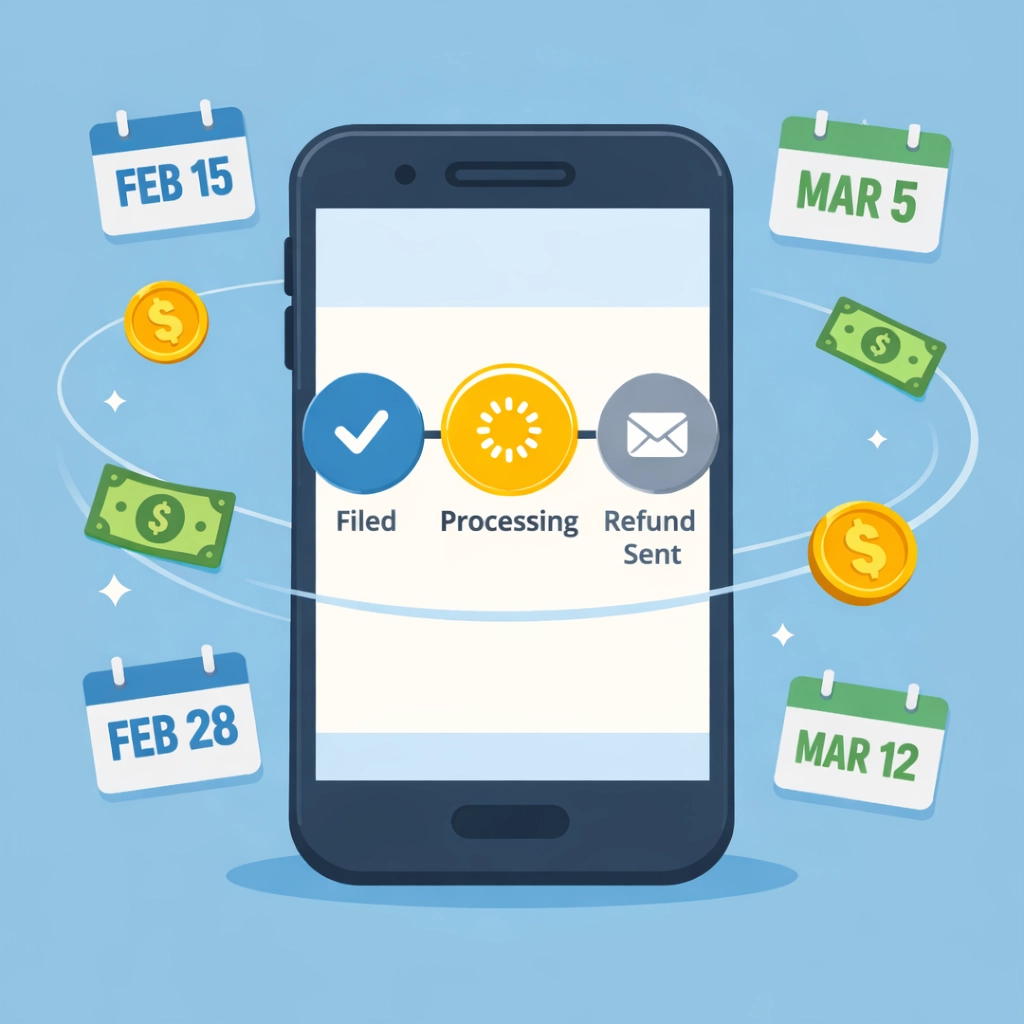
- The tool will begin showing projected deposit dates for most early EITC/ACTC filers starting February 21, 2026
- This is when the IRS has processed enough returns to provide personalized timelines
- If your return has no errors or missing information, expect a deposit date by March 2, 2026
Before February 21st, you may see a generic message stating your return is being processed. This is normal and does not indicate a problem.
How to access Where's My Refund:
- Visit IRS.gov/Refunds
- Download the IRS2Go mobile app
- Log into your IRS Individual Online Account
You'll need your Social Security number, filing status, and exact refund amount from your return to check your status.
What Could Delay Your Refund Even Further?
While the PATH Act sets a baseline delay for EITC and ACTC filers, additional factors can slow your refund beyond March 2nd.
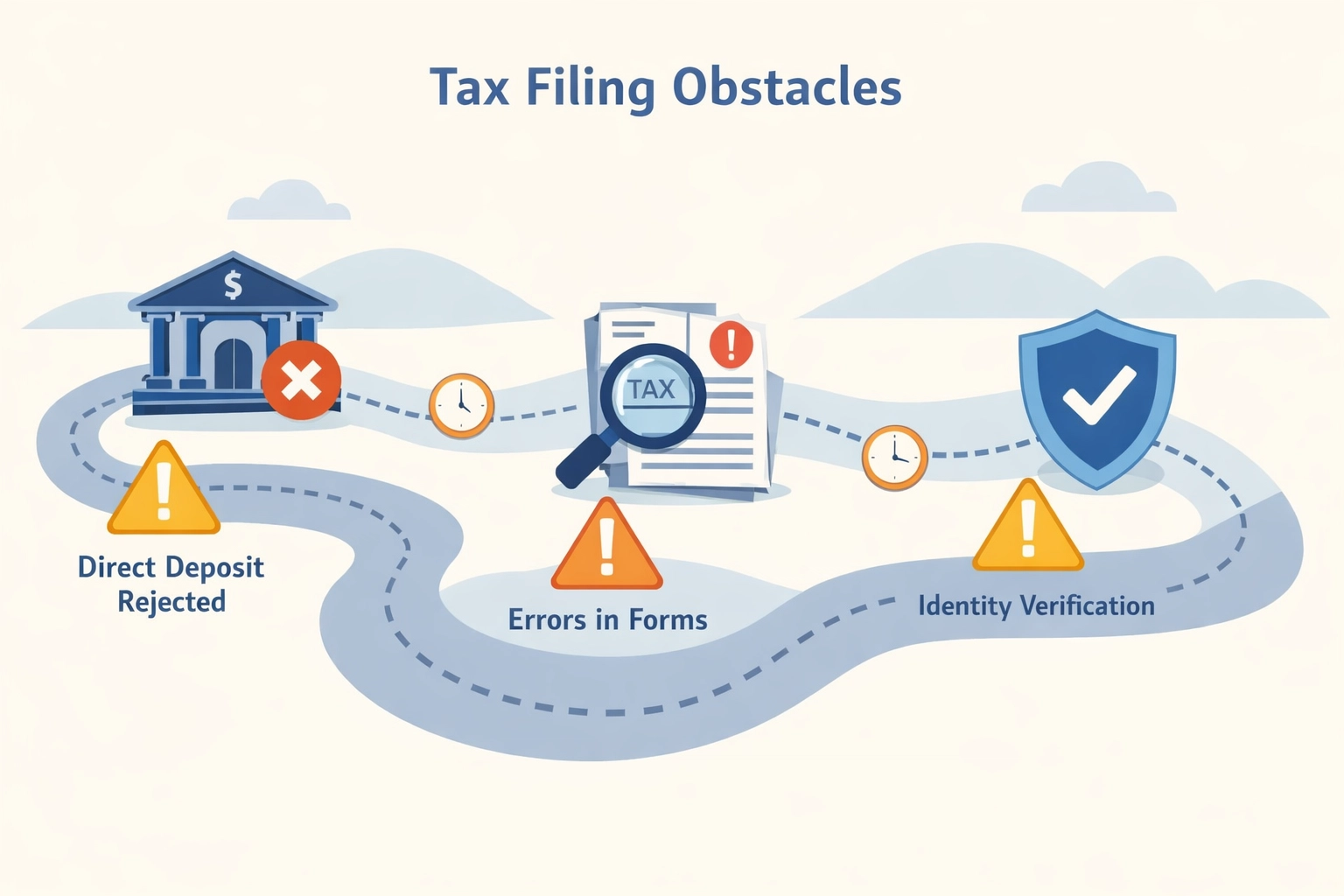
Common causes of extended delays:
- Direct deposit issues: Missing or incorrect bank account information will trigger a CP53E notice from the IRS. You'll have 30 days to provide updated banking details. If you don't respond, the IRS will mail a paper check after six weeks.
- Math errors or missing forms: If your return doesn't match IRS records or contains calculation mistakes, expect a delay while the agency reviews it.
- Identity verification: If the IRS suspects identity theft or fraud, you may need to verify your identity before your refund is released. In 2025, identity theft victims waited an average of more than 21 months for case resolution.
- Amended returns: If you need to amend your return after filing, expect an average processing time of five months or more for individual filers.
- Offset for debts: Your refund may be reduced or withheld if you owe back taxes, child support, or other federal or state debts.
Double-check your return for accuracy before filing to avoid these issues. At Jose's Tax Service, we review every return for common errors before submission to minimize delays.
How to Get Your Refund Faster
The fastest way to receive your tax refund is through direct deposit into a U.S. bank account. Paper checks take significantly longer to process and mail.
Best practices for a quick refund:
- File electronically as soon as you have all required documents (W-2s, 1099s, etc.)
- Choose direct deposit and verify your routing and account numbers are correct
- Avoid filing a paper return unless absolutely necessary
- Don't file until you've received all income documents to avoid amendments
- Use a trusted tax preparer who can identify errors before submission
At Jose's Tax Service, we help New Haven families file accurate returns electronically with direct deposit, ensuring you get your refund as quickly as possible once the PATH Act hold is lifted.
What to Do While You Wait for Your Refund
If you're counting on your refund to cover bills or expenses, the mid-February delay can be stressful. Here's how to plan your finances in the meantime.
Strategies to manage the wait:
- Check your refund status weekly using Where's My Refund (but no more than once per day, as frequent checks won't speed up processing)
- Create a budget that assumes your refund will arrive by March 2nd at the earliest
- Contact creditors or service providers if you need to adjust payment dates
- Avoid refund advance loans, which often carry high fees and interest rates
- Set up direct deposit so your refund hits your account the moment it's released
If you have questions about your refund timeline or need help understanding your return, our team at Jose's Tax Service is available to assist New Haven residents throughout tax season.
How Jose's Tax Service Helps You Track and Plan for Your Refund
We know that waiting for your refund can be frustrating, especially if you filed early and expected your money by now. That's why we don't just prepare your return and send you on your way: we stay with you through the entire process.
How we support our New Haven clients:
- We explain the PATH Act delay upfront so you know what to expect
- We help you access and interpret the Where's My Refund tool
- We provide personalized refund timelines based on your filing status and credits claimed
- We review your return for errors before submission to avoid processing delays
- We assist with direct deposit setup to ensure your refund arrives as quickly as possible
- We're available to answer questions about CP53E notices or other IRS correspondence
If you've already filed with another preparer and have questions about your refund status, stop by our office. We're happy to help you track down answers.

Don't Let the Wait Catch You Off Guard!
The PATH Act delay is frustrating, but it's not optional: it's federal law designed to protect taxpayers from fraud. If you claimed EITC or ACTC, expect your refund to arrive by early March at the earliest, even if you filed in January.
The good news? Once the hold is lifted, direct deposit refunds are typically issued within 21 days of processing. That means if everything is accurate on your return, you should see your money by the first week of March.
Key takeaways for New Haven taxpayers:
- EITC and ACTC refunds are held until mid-February by law
- The Where's My Refund tool will show deposit dates starting February 21, 2026
- Direct deposit is the fastest way to receive your refund
- Errors or missing information can extend delays by weeks or months
- Jose's Tax Service helps you file accurately and track your refund every step of the way
If you haven't filed yet and want to avoid unnecessary delays, schedule an appointment with Jose's Tax Service today. We'll make sure your return is accurate, filed electronically, and set up for the fastest possible refund once the PATH Act hold is lifted.
Questions about your refund? Contact us at Jose's Tax Service or stop by our New Haven office. We're here to help you navigate tax season with confidence.

Leave a Reply
You must be logged in to post a comment.