
2026 Tax Tips for Gig Workers, Freelancers, and Side Hustlers
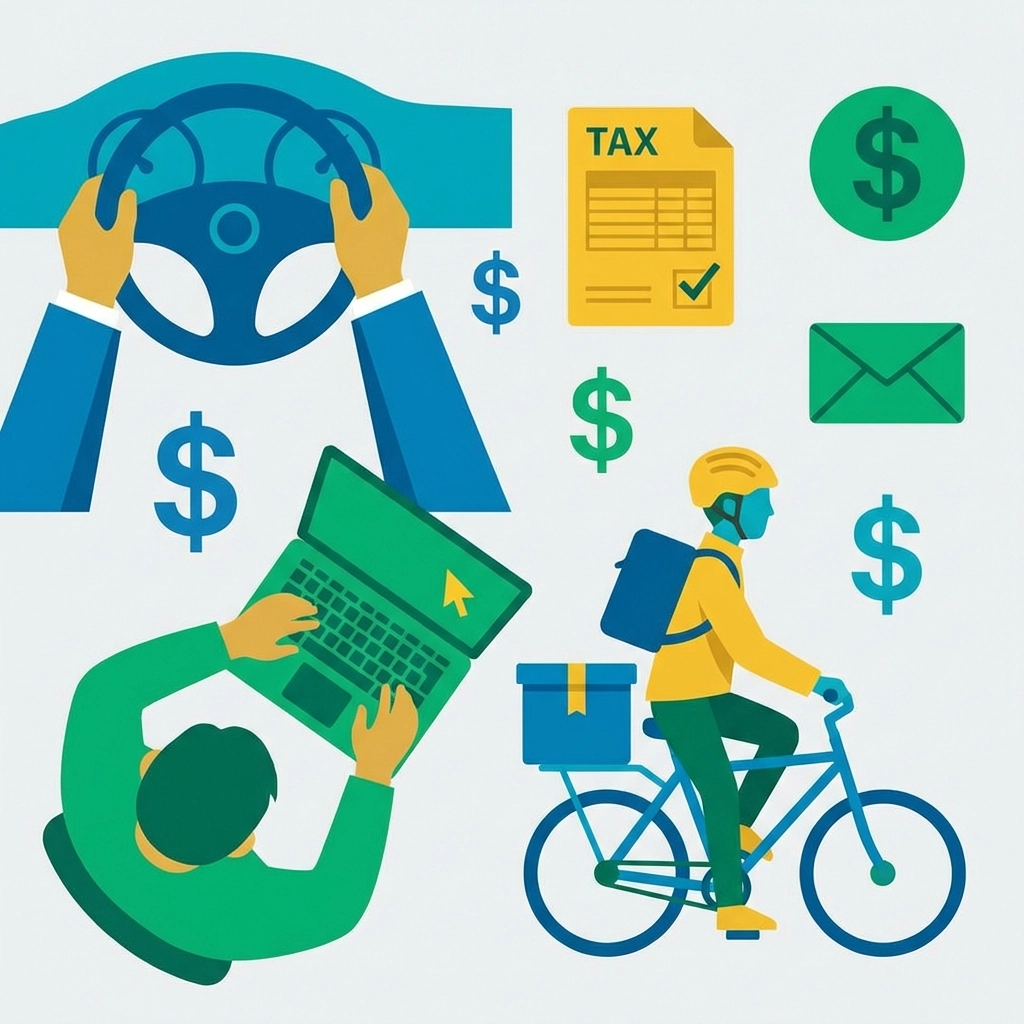
New Haven, CT : January 2026 : The gig economy continues to grow, and so do the tax responsibilities that come with it. Whether you drive for a rideshare company, freelance as a graphic designer, or sell handmade crafts on the side, the IRS expects you to report every dollar you earn.
Filing taxes as a gig worker or freelancer can feel overwhelming. But it doesn't have to be. With the right tax planning and a few smart moves, you can minimize your tax bill and maximize your refund this year.
Here's what you need to know for the 2026 tax season.
All Gig Income Is Taxable : No Exceptions!
Let's get this out of the way first: all income from gig work is taxable, regardless of the amount. Even if you earned under $600 and didn't receive a 1099 form, you must report those earnings to the IRS.
This rule applies to:
- Rideshare driving (Uber, Lyft)
- Food delivery (DoorDash, Instacart)
- Freelance writing, design, or consulting
- Pet sitting and dog walking
- Tutoring and teaching
- Content creation and social media work
- Selling goods online
Don't assume that small amounts fly under the radar. The IRS has access to payment processor data, and failing to report income may lead to penalties, interest, or an audit.
Understanding Self-Employment Tax
When you work for yourself, you wear two hats: employee and employer. That means you're responsible for paying both portions of Social Security and Medicare taxes.
The self-employment tax rate is 15.3% of your covered earnings. Traditional employees only pay half of this because their employer covers the rest. As a gig worker, you pay the full amount.
Here's the good news: the IRS lets you deduct 50% of your self-employment tax payment from your taxable income. So if you paid $2,000 in self-employment tax, you can reduce your taxable income by $1,000.
This deduction helps offset the burden, but you still need to plan for this expense throughout the year.
Set Aside 25%–30% of Your Income for Taxes
One of the biggest mistakes gig workers make is spending everything they earn without setting money aside for taxes. Then April arrives, and they're hit with a massive bill they can't afford.
Here's a practical guideline: Set aside 25% to 30% of every payment you receive. Transfer it to a separate savings account immediately. Don't touch it until tax time.
This habit prevents surprises and keeps you in control of your finances. It's simple tax planning that pays off every single year.
Don't Skip Quarterly Estimated Tax Payments!
If you have significant self-employment income, you may need to pay quarterly estimated taxes to the IRS. These payments are due four times a year:
| Quarter | Due Date |
|---|---|
| Q1 (Jan–Mar) | April 15, 2026 |
| Q2 (Apr–May) | June 16, 2026 |
| Q3 (Jun–Aug) | September 15, 2026 |
| Q4 (Sep–Dec) | January 15, 2027 |
Use IRS Form 1040-ES to calculate and submit your quarterly payments. Missing these deadlines can result in underpayment penalties.
If you also have a traditional W-2 job, you can adjust your withholding by submitting a new W-4 form to your employer. This can help cover your self-employment tax liability automatically.

Maximize Your Deductions : Every Dollar Counts!
Self-employed individuals can claim deductions that regular employees cannot. These deductions reduce your taxable income and lower your overall tax bill.
Common deductible expenses include:
- Advertising and marketing costs : website hosting, business cards, social media ads
- Office supplies : paper, ink, pens, software subscriptions
- Equipment and tools : computers, cameras, specialized gear
- Rent : for office space, storage units, or equipment rental
- Professional services : bookkeeping fees, legal consultations, tax preparation
- Banking fees : business account charges, payment processing fees
- Membership dues : professional organizations, industry associations
- Home office deduction : if you use part of your home exclusively for work
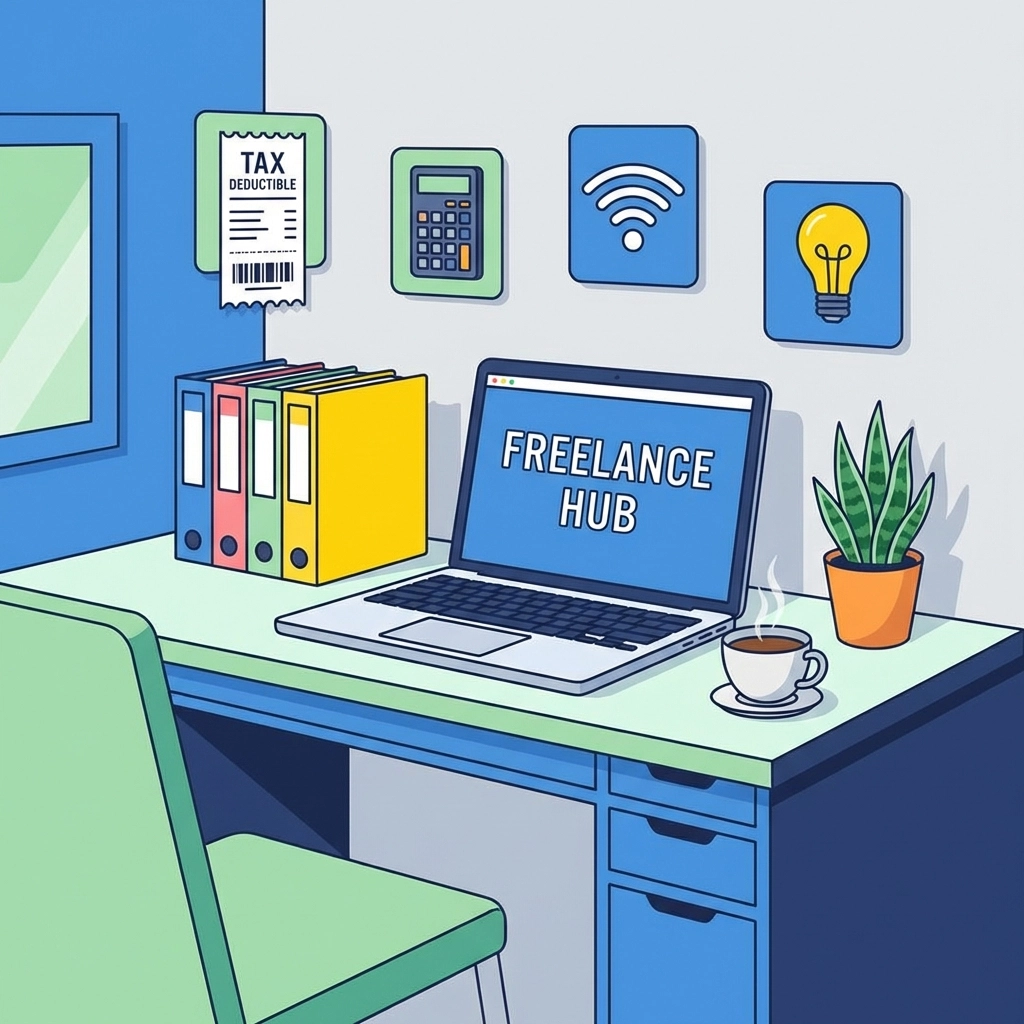
Keep detailed documentation of every expense. Save receipts, invoices, and bank statements. Use accounting software or a simple spreadsheet to track everything throughout the year.
The better your records, the easier your filing : and the more deductions you can claim.
The Section 199A Deduction: Your Secret Weapon
One of the most valuable tax benefits for gig workers is the Section 199A deduction, also known as the Qualified Business Income (QBI) deduction.
This provision allows you to exclude up to 20% of your qualified business income from federal income tax. That's a significant savings.
Who qualifies?
- Sole proprietors
- Partnerships
- S-corporations
- LLCs
Here's how it works: If your net business income is $50,000, you may be able to deduct up to $10,000 from your taxable income : before considering any other deductions.
This benefit is available whether you itemize deductions or take the standard deduction. However, some limitations apply to certain service businesses at higher income levels.
Consult a tax professional to determine your eligibility and maximize this deduction.
Know Your Tax Forms
When you file your freelance taxes, you'll likely receive one or more of these forms from clients or payment platforms:
- 1099-NEC : Reports nonemployee compensation (freelance payments)
- 1099-K : Reports payments processed through third-party platforms (PayPal, Venmo, Stripe)
- 1099-MISC : Reports miscellaneous income (rent, prizes, other payments)
You'll use these forms along with Schedule C (Form 1040) to report your business income and expenses to the IRS.
Double-check every 1099 you receive. Errors happen. If you find a mistake, contact the issuer immediately and request a corrected form.
Common Mistakes to Avoid
Even experienced freelancers make tax errors. Here are the most common mistakes : and how to avoid them:
- Not reporting all income : Report everything, even if you didn't receive a 1099.
- Missing quarterly payments : Set calendar reminders for each deadline.
- Mixing personal and business expenses : Use a dedicated business bank account.
- Forgetting deductions : Track expenses throughout the year, not just at tax time.
- Filing late : Late filing may lead to penalties and interest charges.
- Doing it alone when you need help : Complex situations call for professional guidance.
Tax Credits You May Qualify For
Don't overlook tax credits. Unlike deductions (which reduce taxable income), credits reduce your actual tax bill dollar-for-dollar.
Credits to explore:
- Earned Income Tax Credit (EITC) : Available to low-to-moderate income workers
- Child Tax Credit : If you have qualifying dependents
- Retirement Savings Contributions Credit : If you contribute to a SEP-IRA or Solo 401(k)
- Health Insurance Premium Credit : If you purchased coverage through the marketplace
Check your eligibility for each credit. They can significantly boost your refund.
Why New Haven Gig Workers Trust Jose's Tax Service
Filing taxes as a freelancer or gig worker requires specialized knowledge. The rules are different, the deductions are different, and the stakes are high.
At Jose's Tax Service, we specialize in helping self-employed clients navigate the complexities of freelance taxes. Jose Morales and his team understand the unique challenges gig workers face : from inconsistent income to tracking multiple 1099s.
We provide:
- Expert tax planning tailored to your situation
- Guidance on maximizing deductions and credits
- Help with quarterly estimated payments
- Stress-free filing for New Haven's gig economy workers
Need help with your 2026 tax prep? Don't wait until the deadline. Reach out to Jose's Tax Service today and file with confidence.
Final Reminders for 2026
- Report all income : Even amounts under $600.
- Pay quarterly : Avoid underpayment penalties.
- Track every expense : Documentation is everything.
- Claim Section 199A : Don't leave money on the table.
- File on time : The deadline is April 15, 2026.
Stay organized, plan ahead, and work with a tax professional who understands your business. That's the path to a stress-free filing season.

Leave a Reply
You must be logged in to post a comment.