
Self-Employed? Here's How to Avoid the Top 5 Most Common Tax Filing Traps in 2026
New Haven, CT – January 2026 | Being your own boss comes with plenty of perks: flexibility, independence, and the satisfaction of building something that's yours. But when tax season rolls around, self-employment can feel like navigating a minefield. One wrong step, and you're dealing with IRS penalties, amended returns, or a cash flow crisis you didn't see coming.
The good news? Most of these problems are completely avoidable. You just need to know what to watch out for.
At Jose's Tax Service, we've helped countless self-employed New Haven residents file their taxes correctly the first time. Here are the top 5 tax filing traps we see self-employed individuals fall into: and exactly how you can steer clear of them in 2026.
Trap #1: Filing Too Early With Missing Information
The problem: The IRS opens e-file, and you're eager to get your refund or just check taxes off your to-do list. So you file immediately. Big mistake.
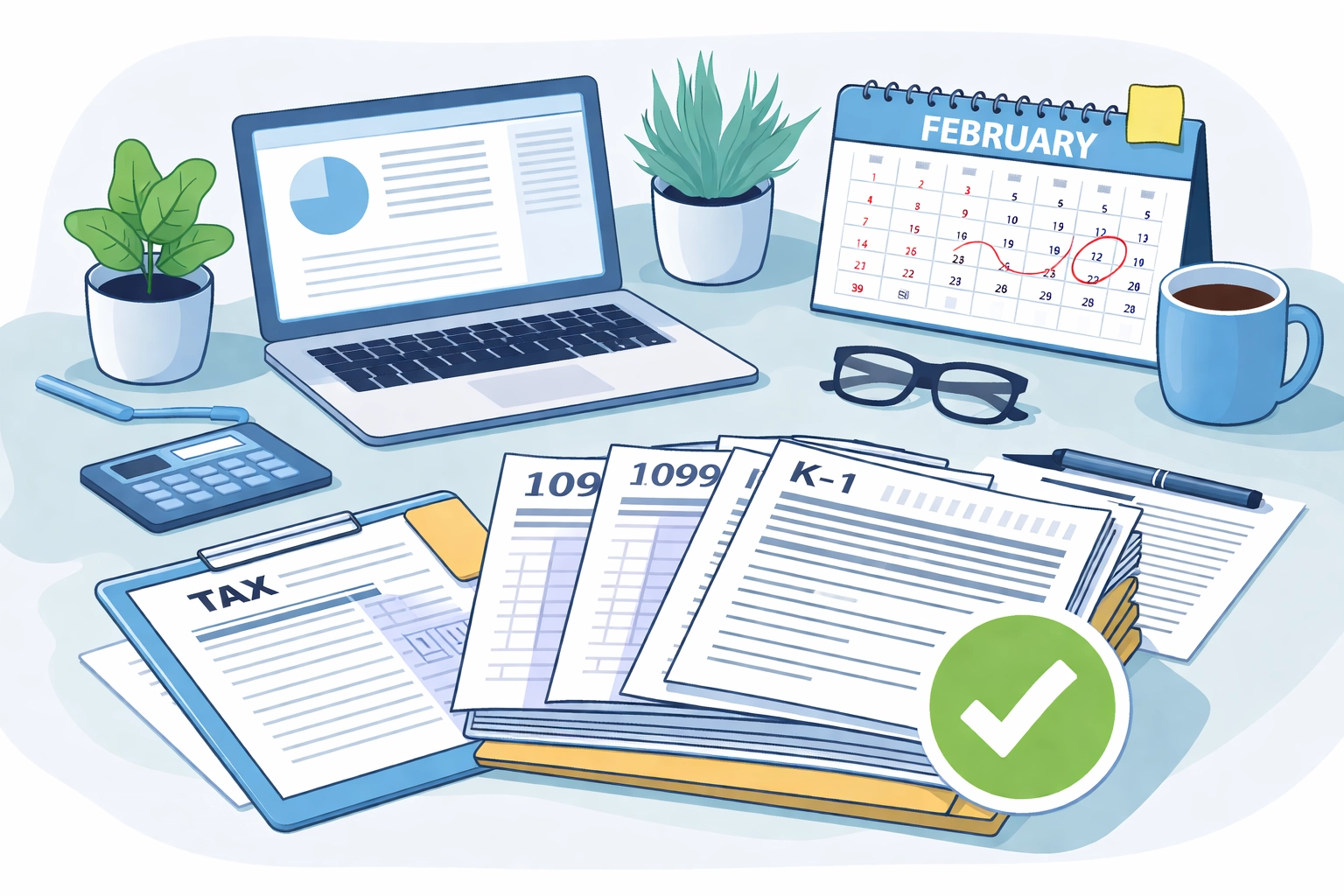
If you're self-employed, your tax situation is more complicated than a typical W-2 employee. You may be waiting on K-1 forms from partnerships or S-corps, brokerage corrections, or other documents that trickle in throughout February and March. File before everything arrives, and you'll likely need to amend your return later.
How to avoid it:
- Wait until you have all necessary forms in hand before filing. This includes 1099s, K-1s, and any corrected brokerage statements.
- If you receive K-1 income, consider filing for an extension using Form 4868 by April 15. Pay what you estimate you owe, then file your complete return once the K-1 arrives.
- Double-check that your Schedule E reporting matches the information on issued forms to avoid IRS matching discrepancies.
Filing early feels productive, but filing correctly saves you time, money, and headaches down the road.
Trap #2: Claiming Deductions Without Clean Backup
The problem: You know you spent money on your business this year. You just… can't remember exactly how much. Or where the receipts went. So you estimate.
Estimating business expenses without proper documentation is a red flag for the IRS. If your return gets selected for review, vague numbers turn into a stressful back-and-forth that can result in disallowed deductions and additional taxes owed.
How to avoid it:
- Keep detailed transaction records throughout the year: not just at tax time.
- Maintain receipts and bank statements for every business expense.
- Write brief notes explaining unusual expenses so you can defend them quickly if questioned.
- Use accounting software or apps to track expenses in real-time.
Your Schedule C should be defensible, not questionable. Clean records make that possible.
Trap #3: Failing to Make Accurate Estimated Tax Payments
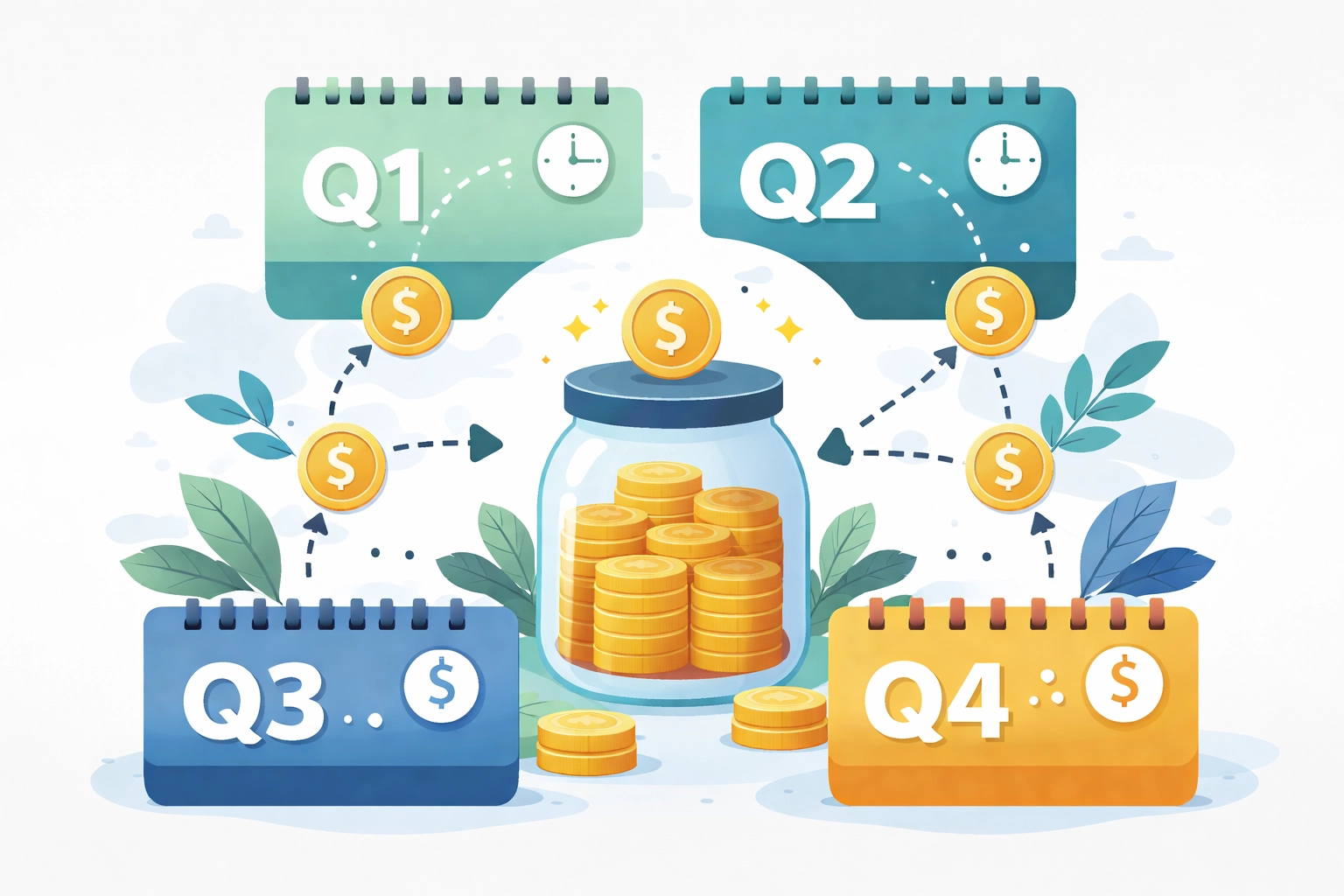
The problem: Unlike W-2 employees who have taxes automatically withheld from each paycheck, self-employed individuals must make quarterly estimated tax payments to the IRS. Miss these payments: or underpay them: and you'll face penalties and interest that accrue daily until the balance is paid.
Many self-employed folks either forget about estimated payments entirely or underestimate what they owe. Either way, it leads to an unpleasant surprise in April.
How to avoid it:
Use the IRS "safe harbor" rules to calculate your payments:
- Pay 100% of your prior year's total tax liability (or 110% if your adjusted gross income exceeded $150,000), OR
- Pay 90% of your current year's expected tax liability
Meeting either threshold protects you from underpayment penalties, even if you end up owing more when you file.
Quarterly payment due dates for 2026:
- Q1: April 15, 2026
- Q2: June 15, 2026
- Q3: September 15, 2026
- Q4: January 15, 2027
Set calendar reminders. Treat these payments as non-negotiable business expenses.
Trap #4: No Systematic Plan for Tax Obligations
The problem: You're bringing in income, but you're spending it as fast as it comes in. When April arrives, you're hit with a tax bill you can't afford. Cue the panic, the payment plans, and the penalties.
This trap catches self-employed individuals who don't separate their tax obligations from their operating cash flow. Without a system, you're always playing catch-up.
How to avoid it:
- Set aside a percentage of every payment you receive for taxes. A common rule of thumb is 25-30%, but your specific situation may vary.
- Open a separate savings account dedicated solely to tax payments. Don't touch it for anything else.
- Create an estimated tax payment plan before the year begins. Know your deadlines and budget for them.
- If your income fluctuates significantly, use the extension window to clean up your revenue and expense records before filing.
Treating taxes as a regular expense: not an afterthought: keeps you in control.
Trap #5: State-Level Withholding Problems
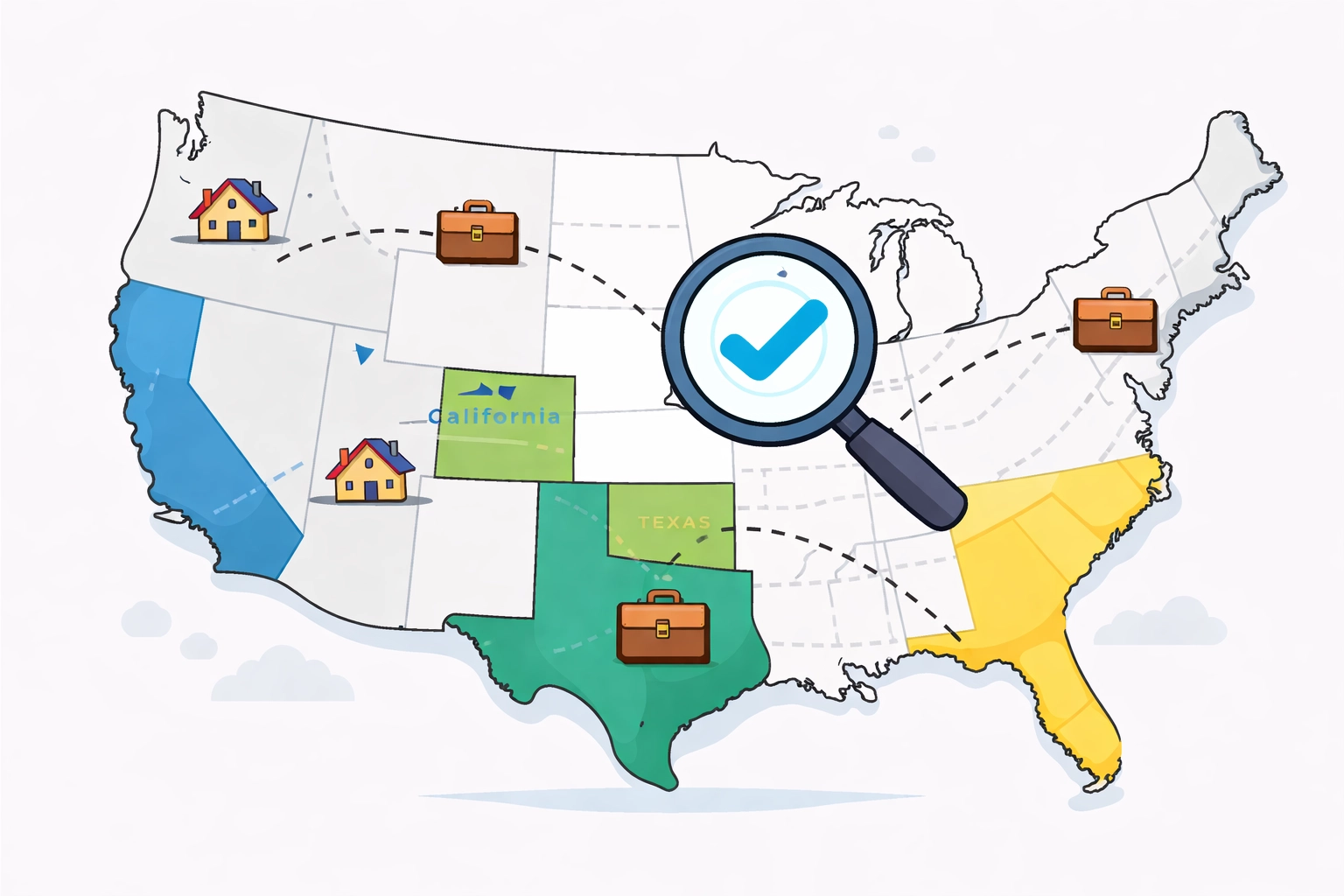
The problem: Did you move in 2025? Switch to remote work? Work for clients in multiple states? If so, your state tax situation may be more complicated than you realize.
Here's what happens: Payroll continues withholding taxes for your prior state instead of where you actually live and work. Or you perform services in a state that requires nonresident filing. Either way, you end up with surprise tax bills, incorrect withholdings, and the hassle of filing multiple state returns.
How to avoid it:
- Verify that any payroll withholding matches your actual state of residence and where you performed the work.
- If withholding went to the wrong state, you may need to file a nonresident return to recover overpayment, plus a resident return for your actual location.
- Keep records of where you physically worked throughout the year, especially if you traveled or worked remotely from different locations.
State tax complications are increasingly common in our remote-work world. Don't assume your withholdings are correct: verify them.
Why Professional Support Makes a Difference
Self-employment taxes involve multiple schedules, potential K-1 income, quarterly payments, and state complications. That's a lot to manage on your own, especially in your first few years running a business.
Working with a qualified tax professional: like a CPA, enrolled agent, or experienced tax preparer: can help you:
- Maximize legitimate deductions you might otherwise miss
- Ensure compliance with federal and state requirements
- Prevent costly errors that lead to penalties and amended returns
- Create a tax strategy that works for your specific situation
The investment often pays for itself many times over.
Let Jose's Tax Service Help You File With Confidence
At Jose's Tax Service, we specialize in helping self-employed individuals and small business owners in New Haven navigate the complexities of tax filing. We know the traps because we've seen them: and we know how to help you avoid them.
Whether you're a freelancer, gig worker, contractor, or small business owner, we provide personalized care tailored to your unique situation. No cookie-cutter approaches. No judgment. Just straightforward guidance to help you stay compliant and keep more of what you earn.
Don't wait until April to figure out your tax situation. The earlier you plan, the better your outcome.
Key Deadlines to Remember for 2026
| Deadline | Action |
|---|---|
| April 15, 2026 | Q1 estimated payment due; Tax Day (or file extension) |
| June 15, 2026 | Q2 estimated payment due |
| September 15, 2026 | Q3 estimated payment due |
| January 15, 2027 | Q4 estimated payment due |
Mark your calendar. Set reminders. Stay ahead of the game.
Categories: News, Tax Planning

Leave a Reply
You must be logged in to post a comment.