
Maximizing Deductions: A Homeowner's Guide to 2026 Tax Savings in New Haven
New Haven, CT : January 2026 : If you own a home in New Haven, the 2026 tax year brings some significant opportunities to reduce your tax burden. From a major increase in the SALT deduction cap to ongoing mortgage interest benefits, homeowners who understand these deductions can keep more money in their pockets.
This guide breaks down the key deductions and credits available to New Haven homeowners for the 2026 tax year. Whether you've owned your home for decades or just closed on your first property, these tax-saving strategies deserve your attention.
The Big News: SALT Deduction Cap Increases to $40,000!
One of the most impactful changes for 2026 is the State and Local Tax (SALT) deduction cap increase. For most households, the cap has jumped from $10,000 to $40,000.
This is particularly valuable for New Haven homeowners. Connecticut's property tax rates are among the highest in the nation, and many homeowners previously hit that $10,000 ceiling quickly. The new $40,000 cap means you can now deduct a substantially larger portion of:
- Property taxes paid on your primary residence
- State income taxes paid to Connecticut
- Local taxes assessed by New Haven
Important: You must itemize your deductions on Schedule A to claim the SALT deduction. If you take the standard deduction, you cannot claim this benefit.
For a New Haven homeowner paying $8,000 in property taxes and $12,000 in state income taxes, the old $10,000 cap left $10,000 on the table. Under the new rules, you can deduct the full $20,000.
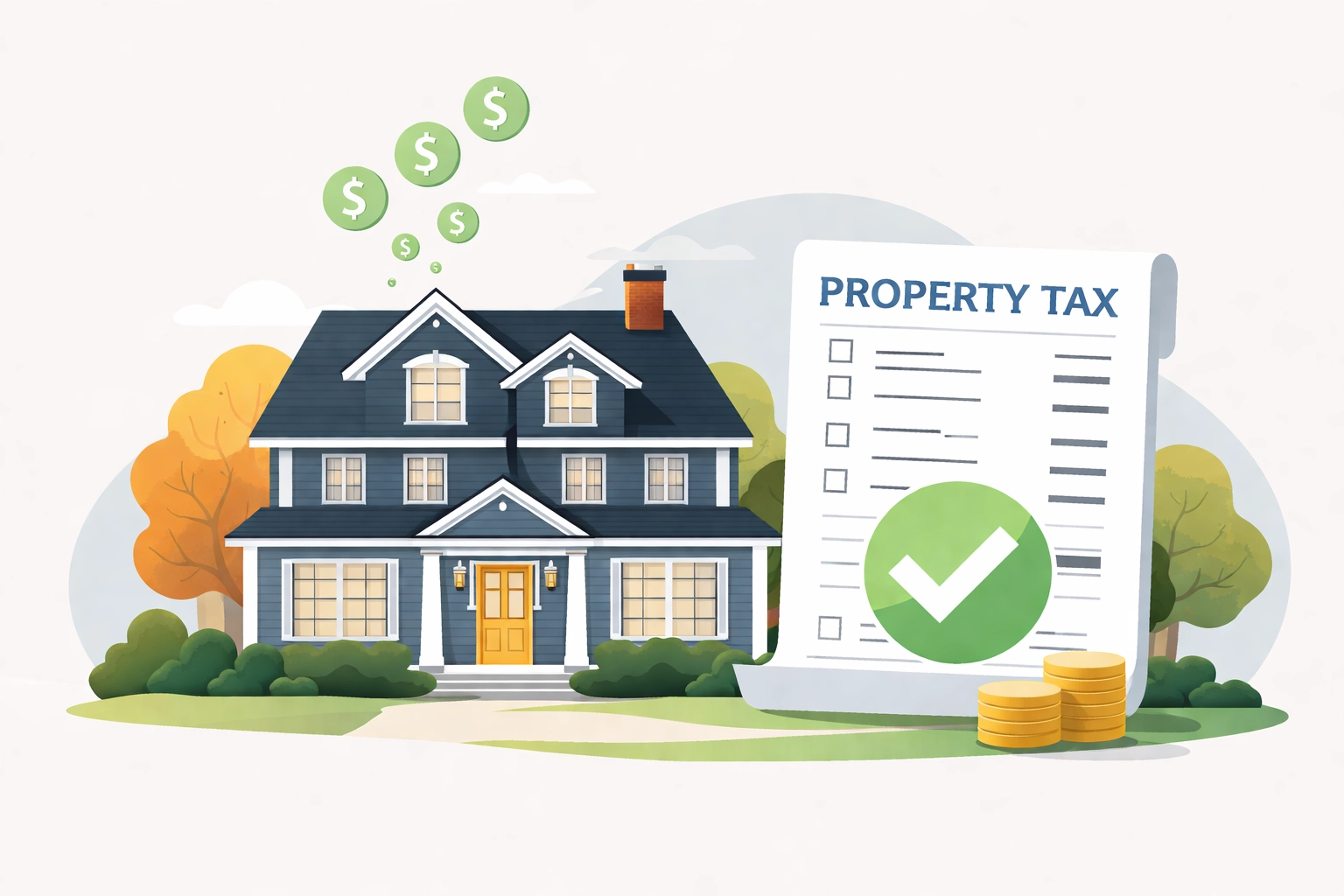
Mortgage Interest Deduction: A Reliable Tax Saver
The mortgage interest deduction remains one of the most valuable benefits of homeownership. For 2026, homeowners can deduct interest paid on mortgage loans up to $750,000 of acquisition debt.
Here's what you need to know:
- Eligible loans include mortgages used to buy, build, or substantially improve your primary residence or a second home.
- Home equity loans may qualify if the funds were used for home improvements (not for paying off credit cards or other personal expenses).
- Your lender will send Form 1098 showing the mortgage interest you paid during the year. Use this document when filing.
- Refinanced mortgages maintain the same deduction limits based on the original loan amount.
Example: If you have a $600,000 mortgage at 6.5% interest, you may have paid approximately $38,000 in interest during 2026. That's a significant deduction that can substantially reduce your taxable income.
Double-check: Review your Form 1098 carefully. Ensure the interest amount matches your records, and don't forget to include any points paid on a new mortgage, which may also be deductible.
Energy-Efficient Home Improvements: What's Still Available
Making your New Haven home more energy-efficient can lower your utility bills and your tax bill. However, the landscape has changed for 2026.
What's Still Available
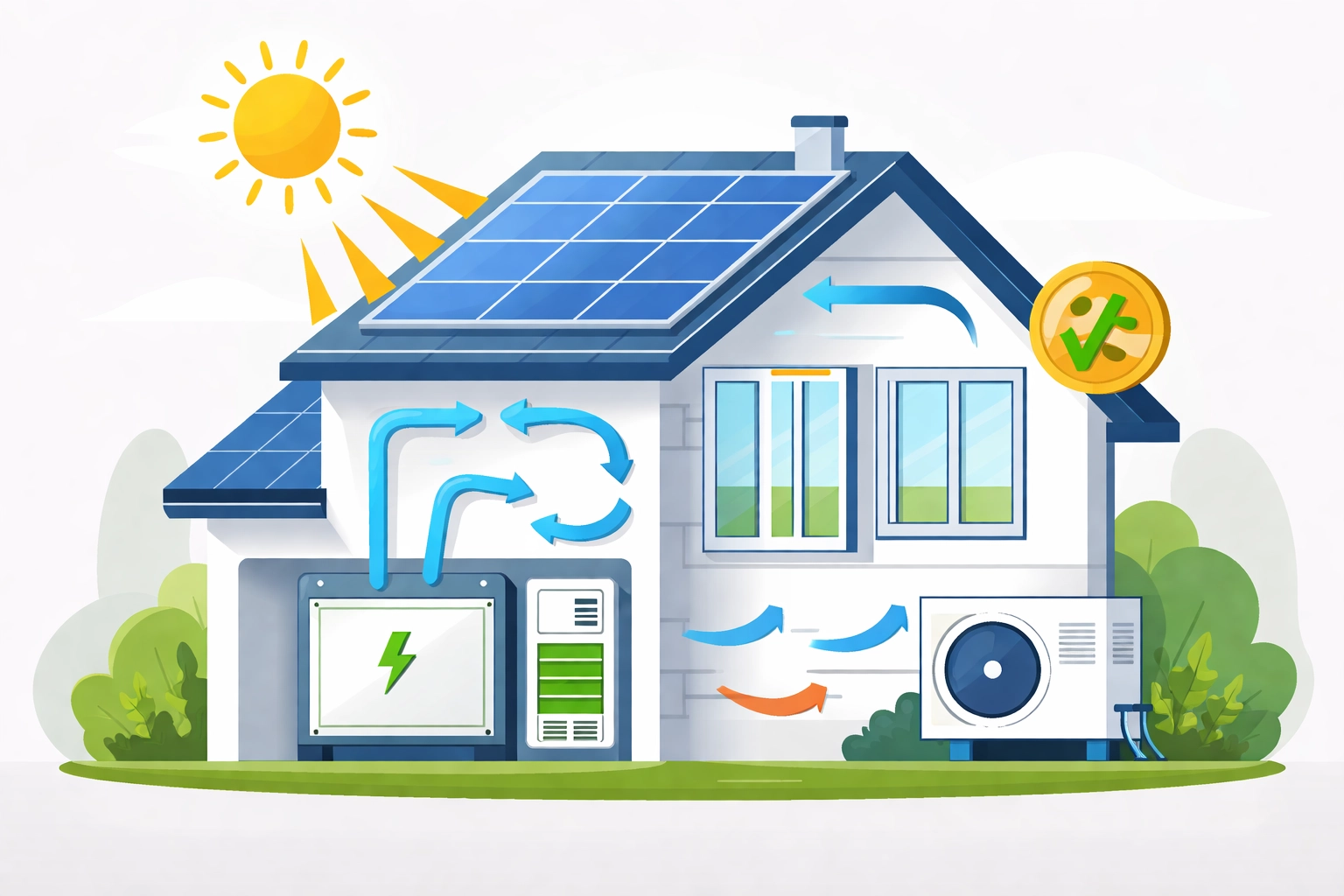
The Residential Clean Energy Credit (formerly known as the Investment Tax Credit) continues to provide tax benefits for certain clean energy installations:
- Solar electric systems : 30% credit on the cost of installation
- Solar water heaters : 30% credit
- Battery storage technology : 30% credit (must have at least 3 kWh capacity)
- Fuel cells : 30% credit
Additionally, the Energy Efficient Home Improvement Credit allows homeowners to claim credits for:
- Exterior doors (up to $250 per door, $500 maximum)
- Windows and skylights (up to $600)
- Insulation and air sealing materials
- Central air conditioners and heat pumps
- Water heaters (including heat pump water heaters)
- Home energy audits (up to $150)
The annual limit for most energy-efficient home improvement credits is $1,200, with an additional $2,000 available for heat pumps and heat pump water heaters.
What's No Longer Available
Important Notice: The federal residential geothermal tax credit (Section 25D) expired as of January 1, 2026. If you were planning to install a geothermal heat pump system, this credit is no longer available for new installations. Systems installed before the deadline may still qualify if all requirements were met.
Documentation Requirements
To claim energy-efficient improvement credits, you should:
- Keep all receipts and invoices showing the cost of materials and installation
- Obtain manufacturer certifications confirming the products meet efficiency standards
- Retain proof of payment (cancelled checks, credit card statements)
- File Form 5695 with your tax return
Historic Home Rehabilitation Credit: A New Haven Opportunity
New Haven boasts beautiful historic architecture, and if your home is listed on the State or National Register of Historic Homes, you may qualify for a valuable tax credit.
The Historic Home Rehabilitation Credit offers:
- 30% tax credit on qualified rehabilitation costs
- Maximum credit of $30,000
- Applies to documented restoration and rehabilitation work
This credit can apply to a wide range of improvements, including:
- Restoring original architectural features
- Repairing historic windows and doors
- Structural repairs that maintain historic integrity
- Updating electrical and plumbing systems within historic guidelines
To qualify: Your property must be officially listed on the State or National Register. Contact the Connecticut State Historic Preservation Office to verify your home's status and learn about the application process.

First-Time Home Buyer Savings Program: Plan Ahead for 2027
If you're a New Haven resident planning to purchase your first home, Connecticut's newly enacted First-Time Home Buyer Savings Program deserves your attention.
While tax benefits first apply to the 2027 tax year, you can begin contributing in 2026 to maximize your future deductions:
| Filing Status | Maximum Annual Contribution | AGI Limit |
|---|---|---|
| Single Filer | $2,500 | $125,000 |
| Joint Filer | $5,000 | $250,000 |
Benefits include:
- Deduction for annual contributions
- Deduction for accrued interest on the savings account
- Deduction for qualified withdrawals used for eligible home-buying costs (down payment, closing costs, etc.)
Action step: If you meet the eligibility requirements, open a designated first-time home buyer savings account now. Starting contributions in 2026 positions you for maximum deductions when you file your 2027 return.
Maximizing Your Deductions: A Checklist for New Haven Homeowners
To ensure you capture every available deduction and credit for 2026, follow this checklist:
Gather Your Documents:
- Form 1098 (Mortgage Interest Statement)
- Property tax bills and proof of payment
- Connecticut state income tax records
- Receipts for energy-efficient improvements
- Manufacturer certifications for energy-efficient products
- Documentation for any historic rehabilitation work
Review Your Options:
- Calculate whether itemizing deductions exceeds the standard deduction
- Consider timing large deductible expenses before year-end
- Verify eligibility for all applicable credits
Avoid Common Mistakes:
- Don't claim the SALT deduction if you take the standard deduction
- Don't deduct home equity loan interest if funds weren't used for home improvements
- Don't overlook state-specific credits and programs
Deadline Reminder: The federal tax filing deadline for 2026 returns is April 15, 2027. Extensions to file can be requested, but any taxes owed are still due by the original deadline to avoid penalties and interest.
Get Expert Help With Your 2026 Tax Return
Navigating homeowner deductions can be complex, especially with recent changes to the tax code. Missing a deduction means paying more than you should, while claiming ineligible deductions can lead to penalties and audits.
At Jose's Tax Service, we help New Haven homeowners maximize their tax savings while staying fully compliant with federal and state requirements. Our team stays current on the latest tax law changes so you don't have to.
Ready to file? Visit Jose's Tax Service to schedule your appointment. Let's make sure you're getting every deduction you deserve for 2026.

Leave a Reply
You must be logged in to post a comment.